


⛓️ Forced labor has nearly disappeared in the world
In 1789, 165 of 174 countries had large-scale forced labor – by 2024, only nine countries remained. The fastest change occurred after World War II, when the number of countries with widespread forced labor dropped from nearly 100 to 31 in just one generation.
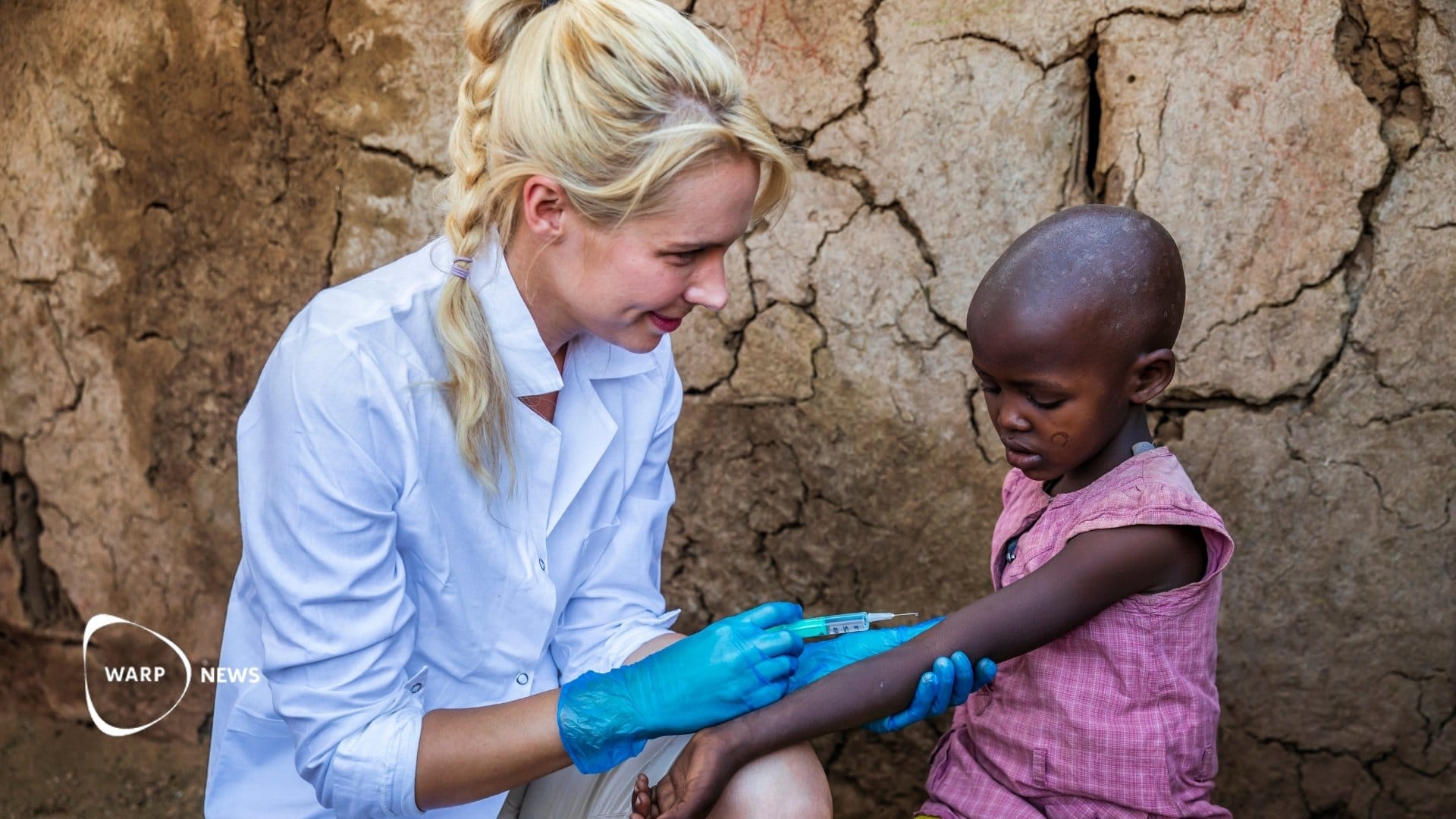
🧒 First vaccine that protects children from deadly E. coli infections
ETVAX is the first vaccine to show significant protection against E. coli infections in humans. The vaccine reduced moderate-to-severe diarrhea in infants under nine months by 68 percent. A phase 3 trial with 5,800 infants from low- and middle-income countries is about to begin.
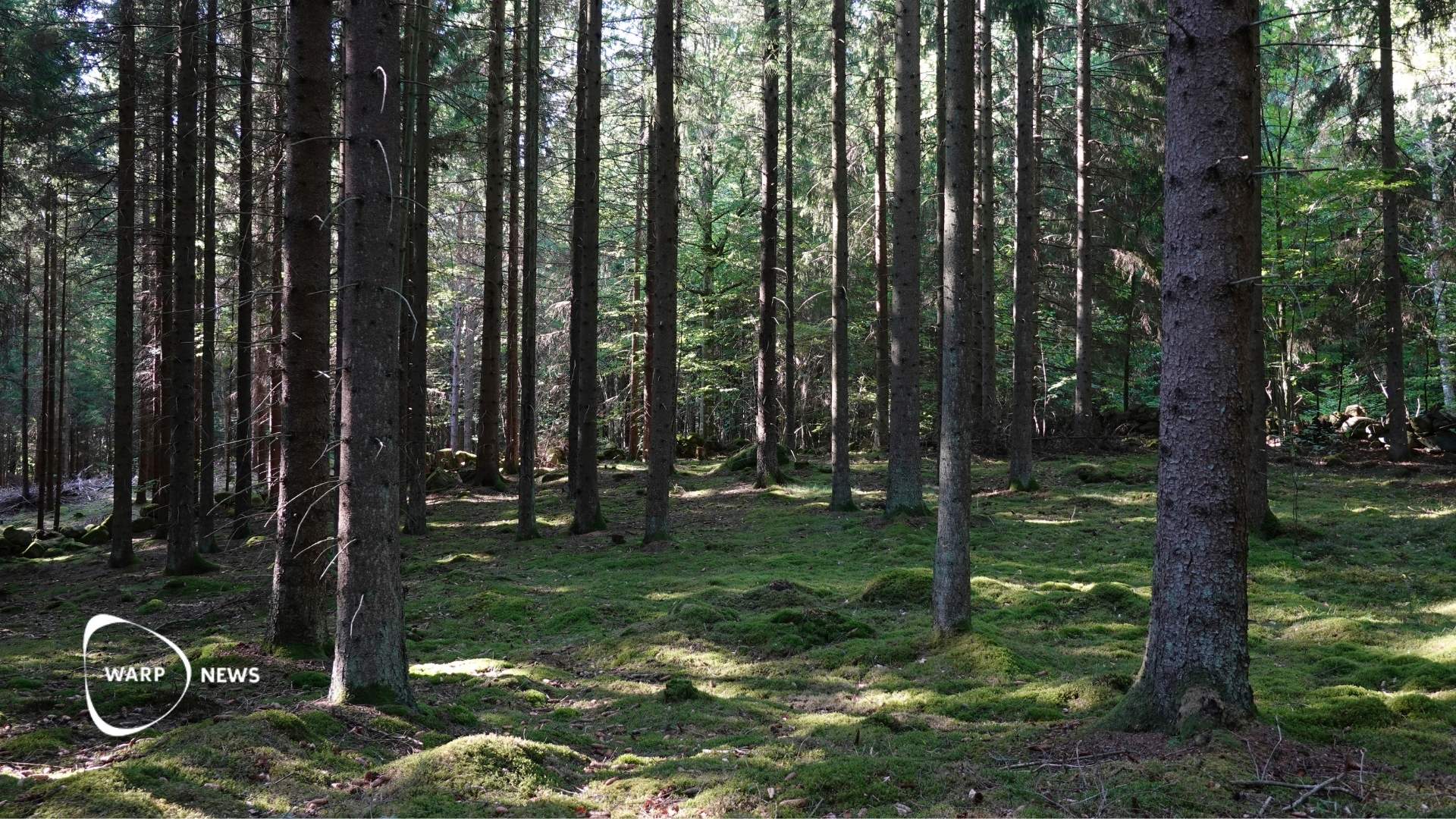
🌲 Sweden's forests are growing – every harvested tree is replaced with two to three new seedlings
Sweden has twice as much old-growth forest compared to 30 years ago, according to the National Forest Inventory. The timber volume in Swedish forests has doubled since the 1920s.
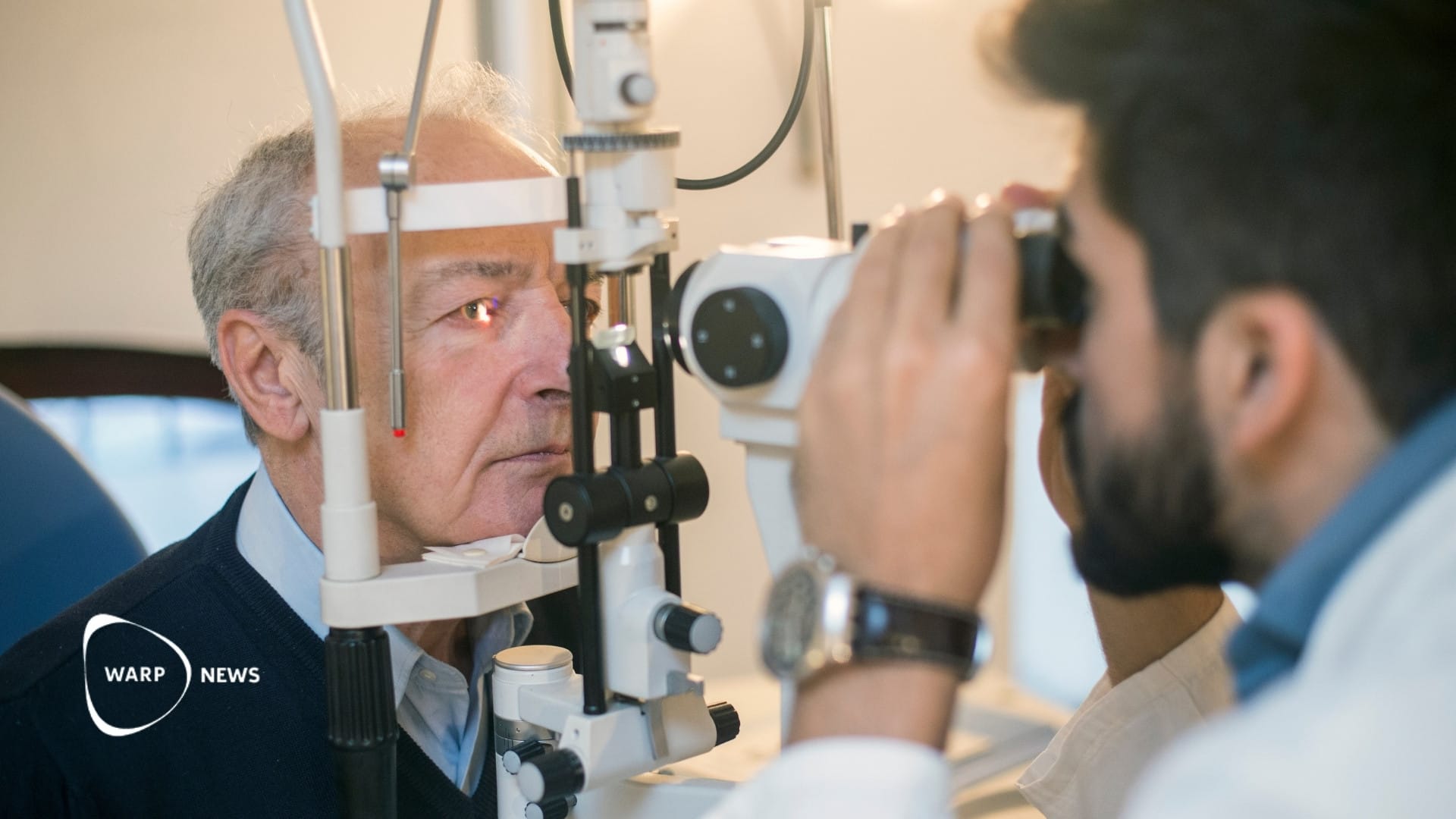
👁️ Small chip in the eye restores sight to the blind
A 2-millimeter implant under the retina has restored vision in 26 of 32 blind patients. European launch is expected later this year, which would make PRIMA the first brain-computer interface product for vision to reach the market.
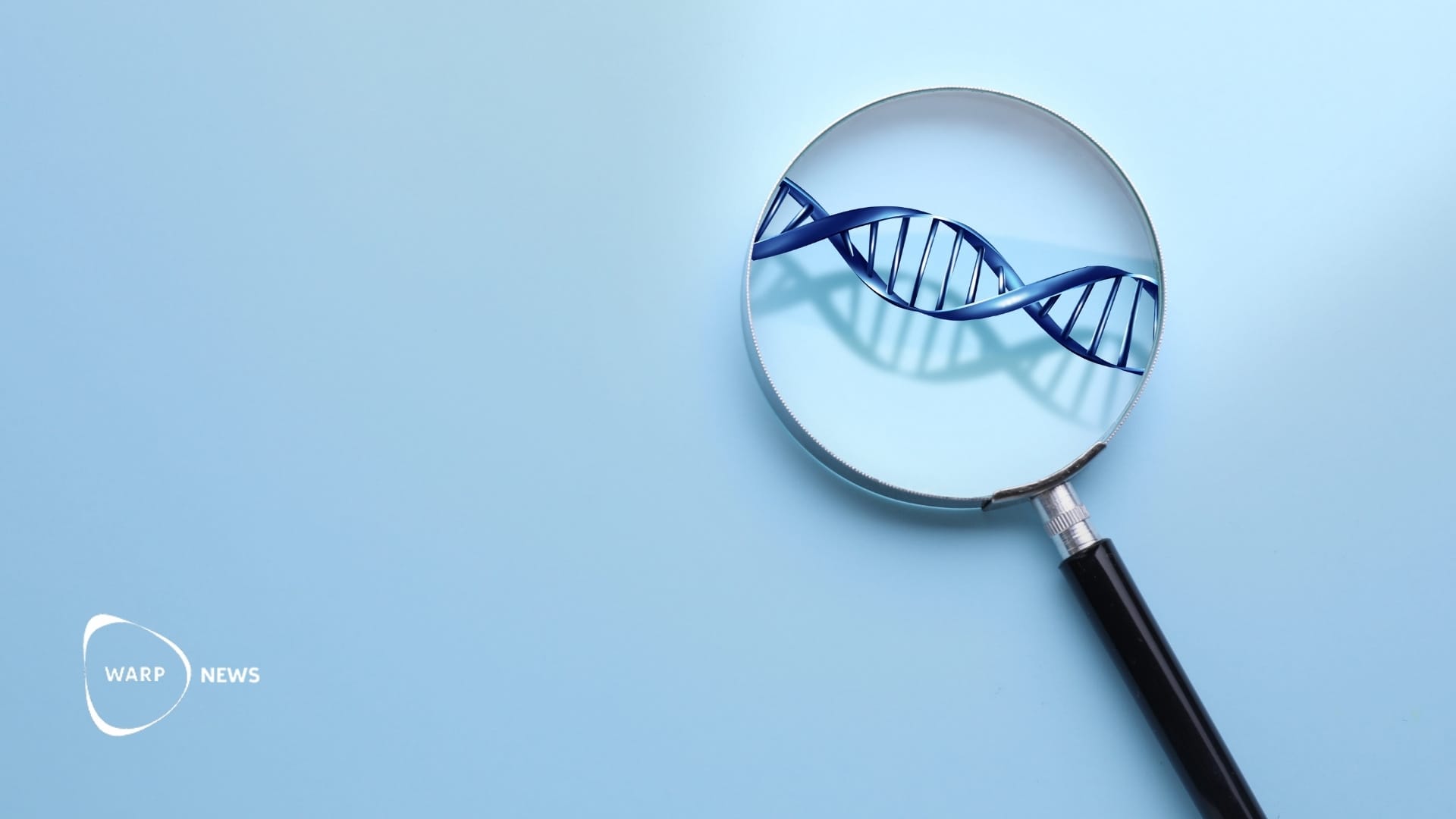
🔍 AI agent screened nearly 2,000 genes and found new pathways against gut disease
Eubiota is an AI agent system that autonomously studies the gut microbiome. By analyzing over 10,000 scientific papers in hours, it screened 1,945 bacterial genes and discovered a DNA repair mechanism that helps gut bacteria survive inflammatory stress.

📉 UK emissions at lowest level since 1872
Greenhouse gas emissions fell by 2.4 percent in 2025 and are now 54 percent below 1990 levels. Coal use halved and is at its lowest since 1600, while gas use dropped to the lowest level since 1992.
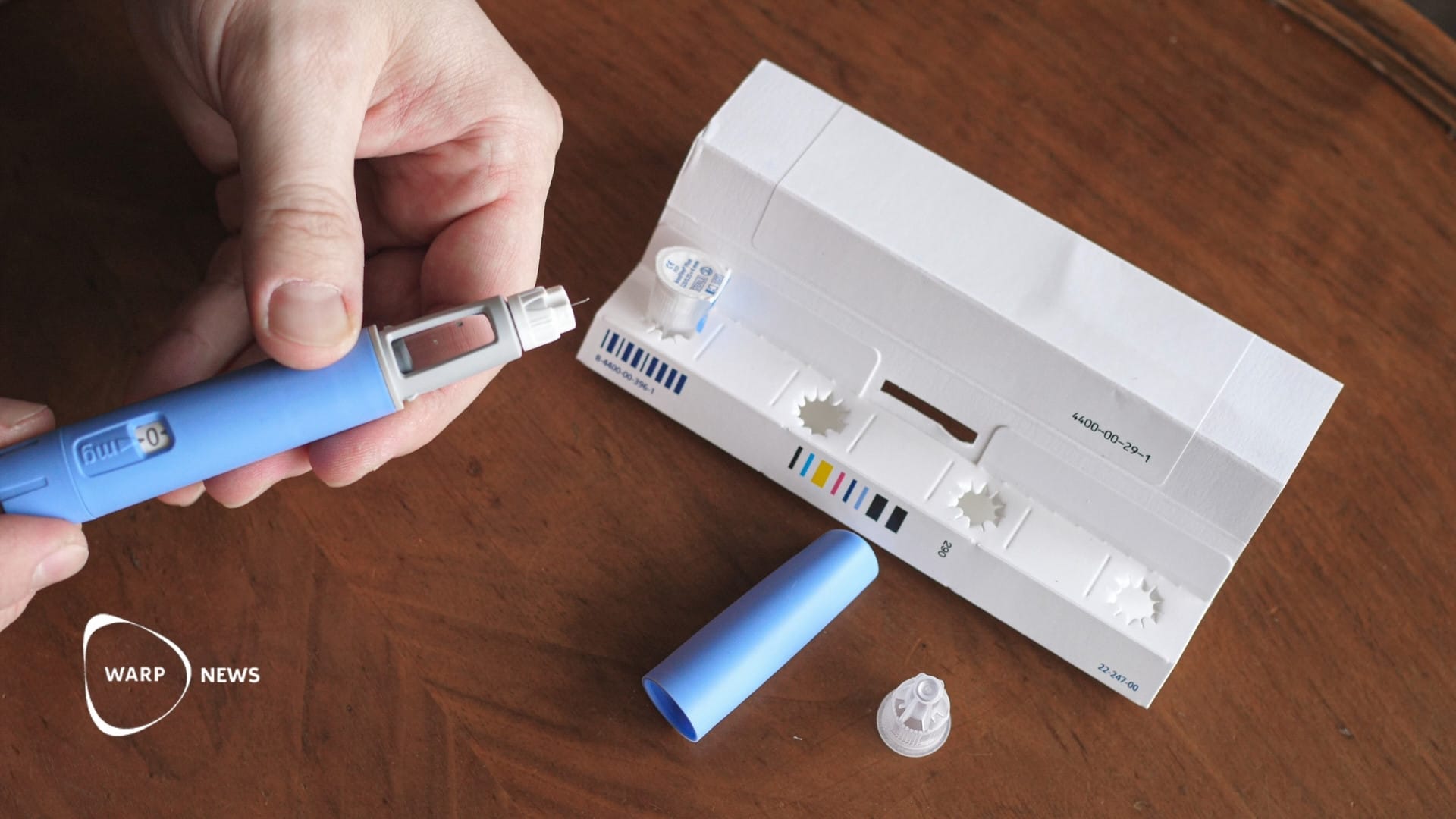
🍻 GLP-1 drugs like Ozempic reduce risk of substance abuse and addiction
A large study of more than 600,000 U.S. veterans shows that GLP-1 drugs were associated with a 14 percent lower risk of developing new substance use disorders. Among people with existing substance use disorders, overdoses dropped by 40 percent and substance-related deaths were cut in half.
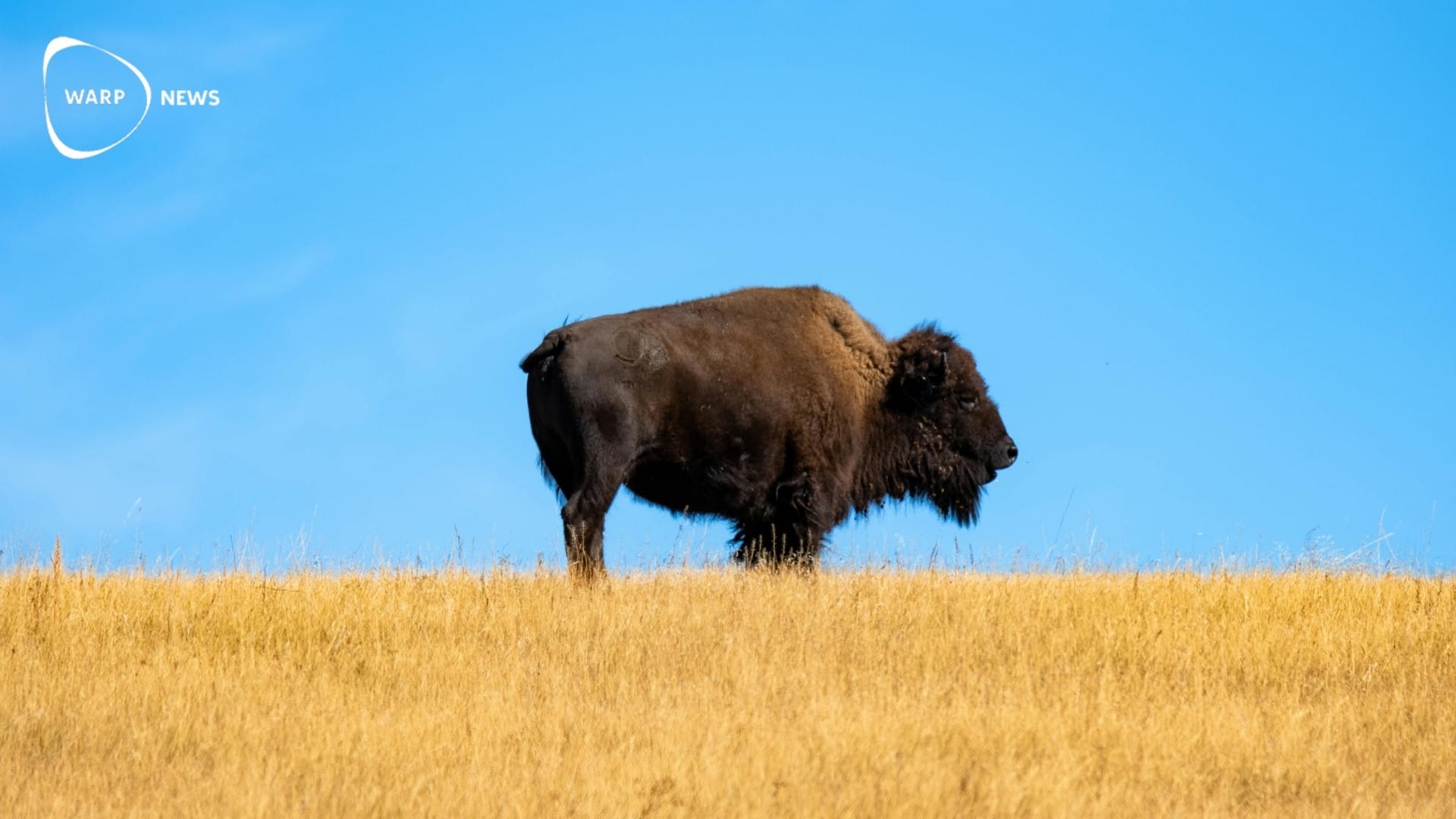
🐂 European bison have increased from 60 to 9,000 – now the species expands in Spain
Nine European bison have been released in the Iberian Highlands in Spain as part of an international research study. The number of European bison has increased from just over 2,500 to around 9,000 individuals over the past decade.
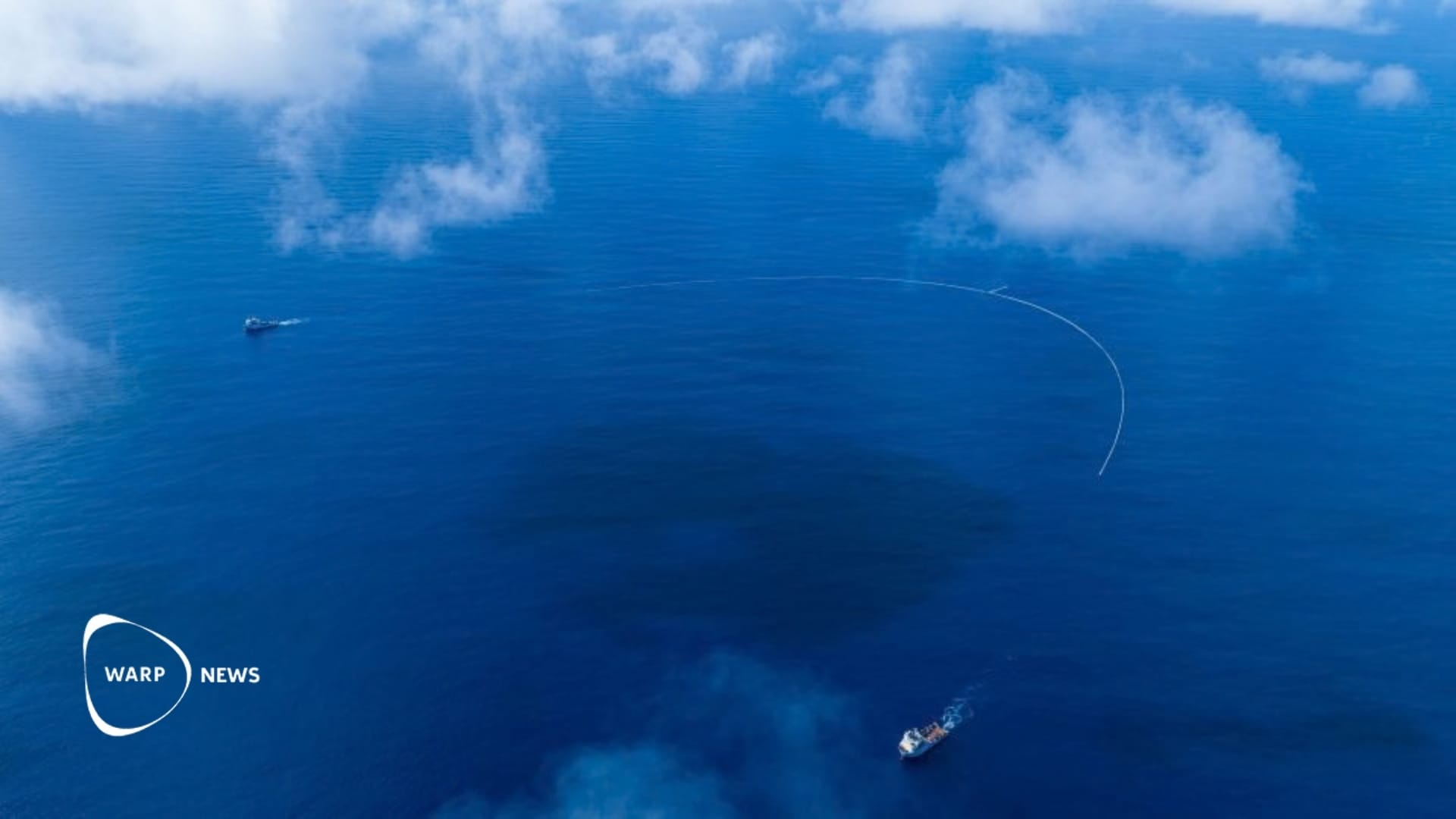
🚯 Over 25 million kilograms of trash removed from oceans and waterways in 2025
The organization's total amount of collected trash has now surpassed 45 million kilograms. A new program, the 30 Cities Program, will tackle a third of all plastic waste reaching the oceans from the world's most polluted urban areas.