
🚘 Transportation
Transportation in all forms and sizes are getting cleaner and the vehicles are self-driving. We for example cover electric cars, airplanes and trucks but also drones and all kinds of autonomous vehicles.
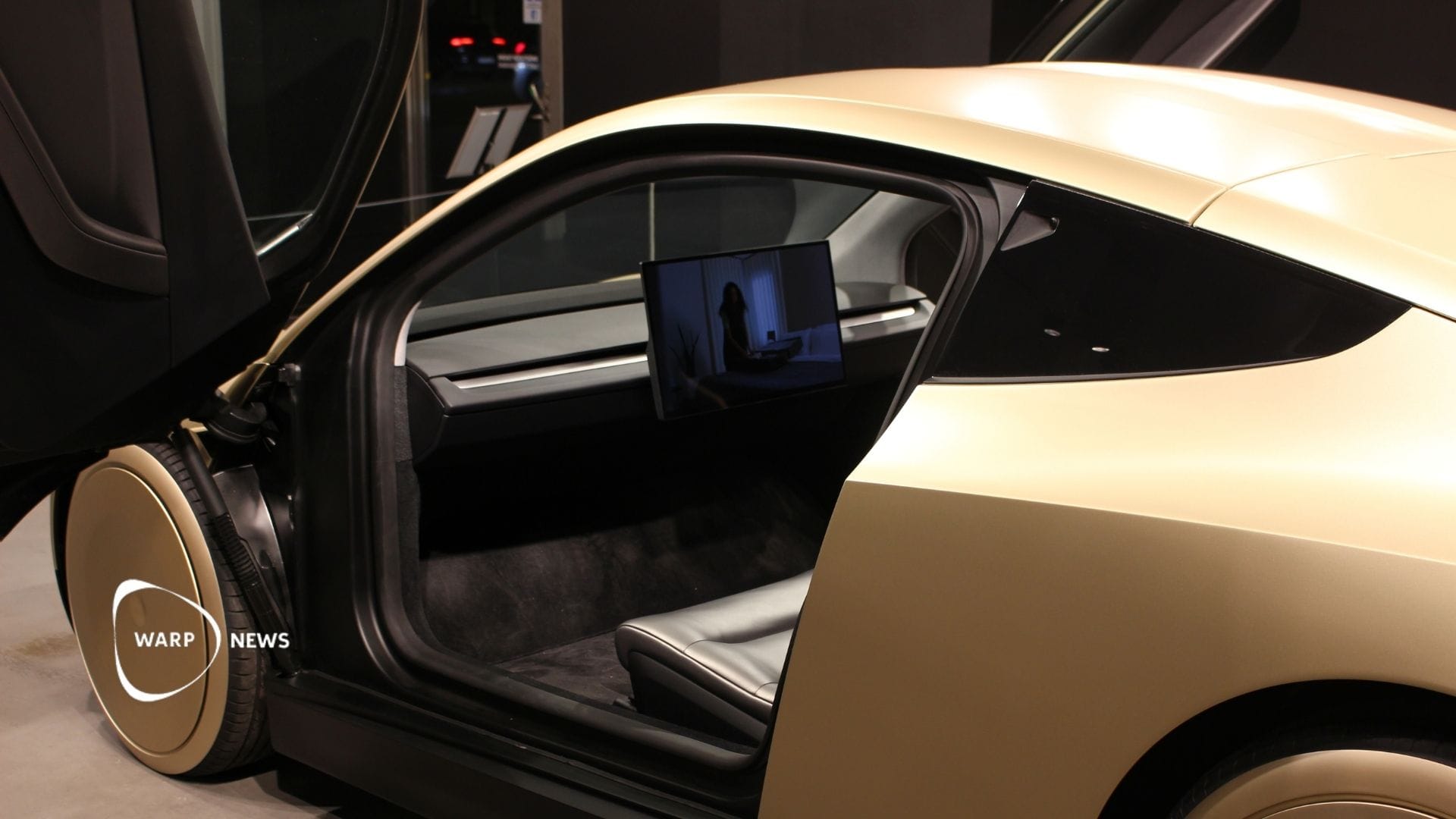
🚕 Tesla's taxi without a steering wheel or pedals is now running in Austin
Unlike competitors Waymo and Zoox, which combine cameras with radar and lidar, Tesla builds the entire system on cameras. The company has 45 Cybercabs registered with the Texas motor vehicle authority and a total of 256 robotaxis operating without safety drivers across six cities.
🚗 Electric car sales rise again and set records in 50 countries
Electric car sales rose 4 percent in the second quarter of 2026 compared with the same quarter last year, while total global car sales fell by around 5 percent in the first half of the year.
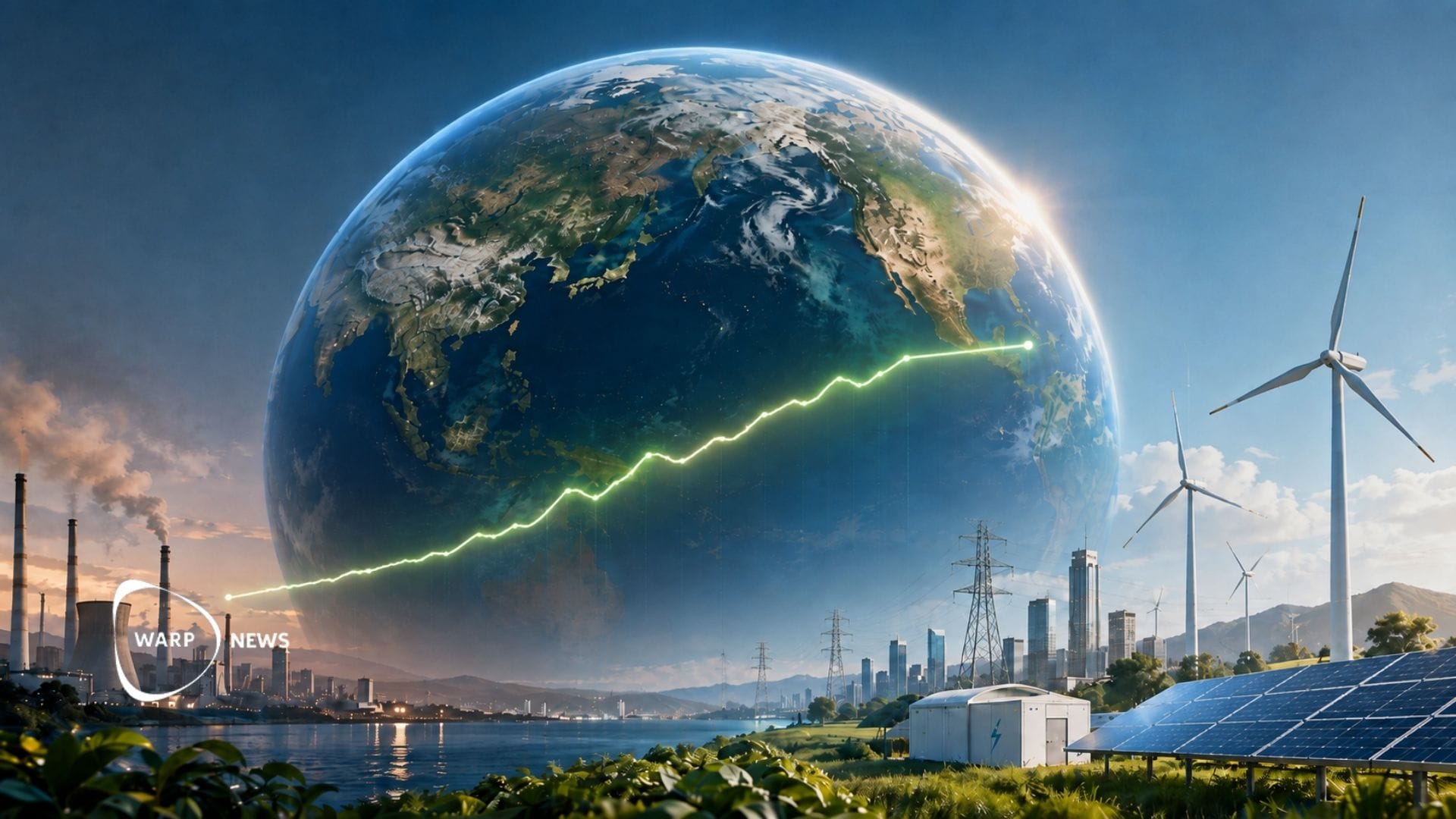
🌏 Global greenhouse gas emissions have almost stopped growing
Emissions rose 0.2 percent compared with the first half of 2025. Between 2015 and 2023, they grew by an average of 1.1 percent per year. China and the United States, the world's two largest emitters, saw their emissions fall by 0.3 and 0.4 percent respectively.
🚗 Transport emissions are falling in Australia, thanks to EVs
Australia's transport emissions fell for the second consecutive year outside the pandemic, driven by growing EV sales and lower petrol consumption. The country's total greenhouse gas emissions dropped 2.1 percent in 2025 and are now 24.5 percent below 2005 levels.

🛩️ The world's largest electric hybrid aircraft has flown for the first time – the electricity cost five dollars
Heart Aerospace has flown the X1 demonstrator, the largest battery-electric aircraft ever and as large as a regional airliner. The electricity for the flight cost about $5. The X1 is the forerunner of the 30-seat ES-30.
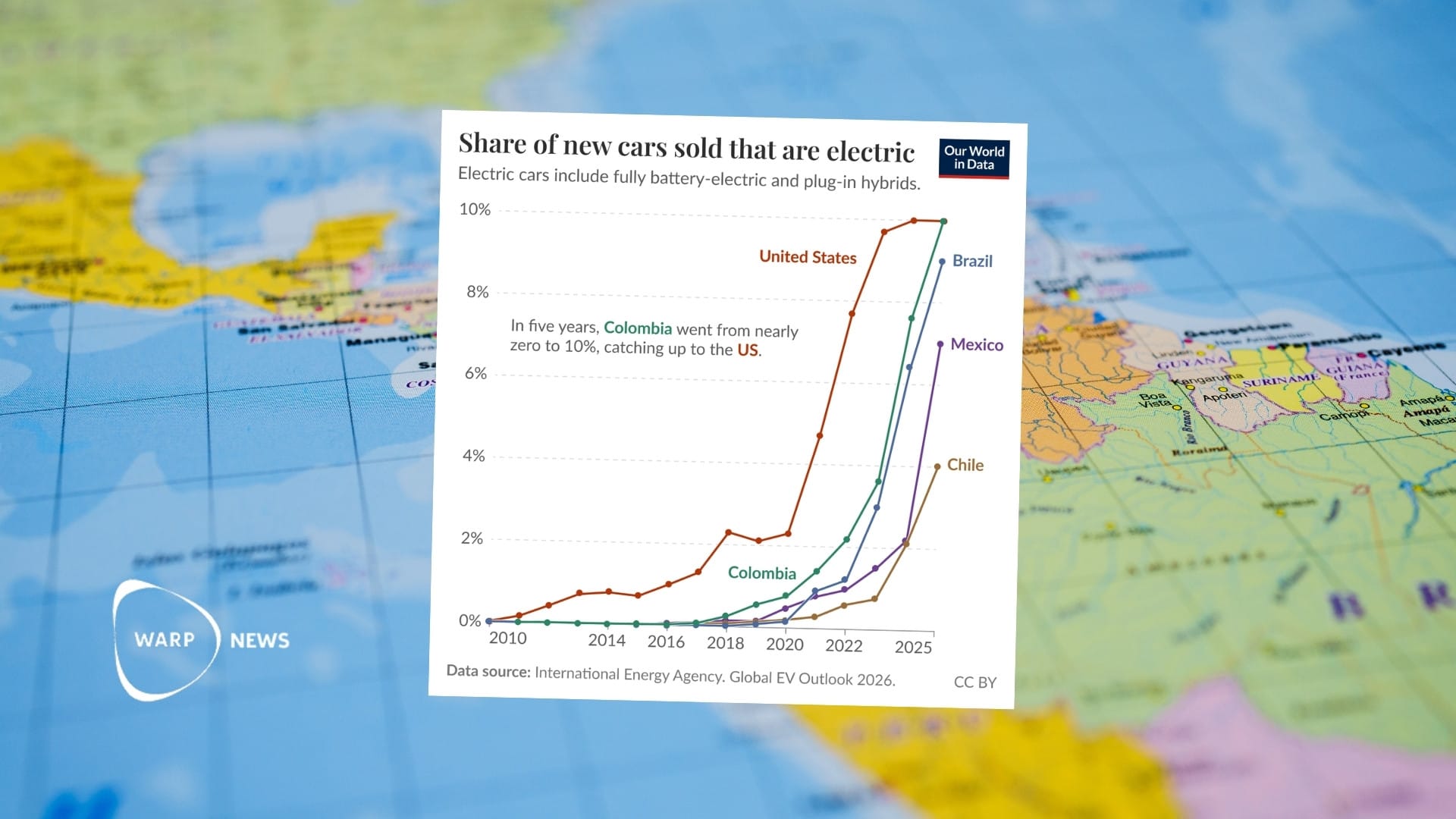
🚗 Electric car sales in Latin America have gone from near zero to rapid growth
Five years ago, almost no one in Latin America bought an electric car. In Colombia, electric cars now account for 10 percent of new car sales. In Mexico, the share rose from 2 to 7 percent in a single year.
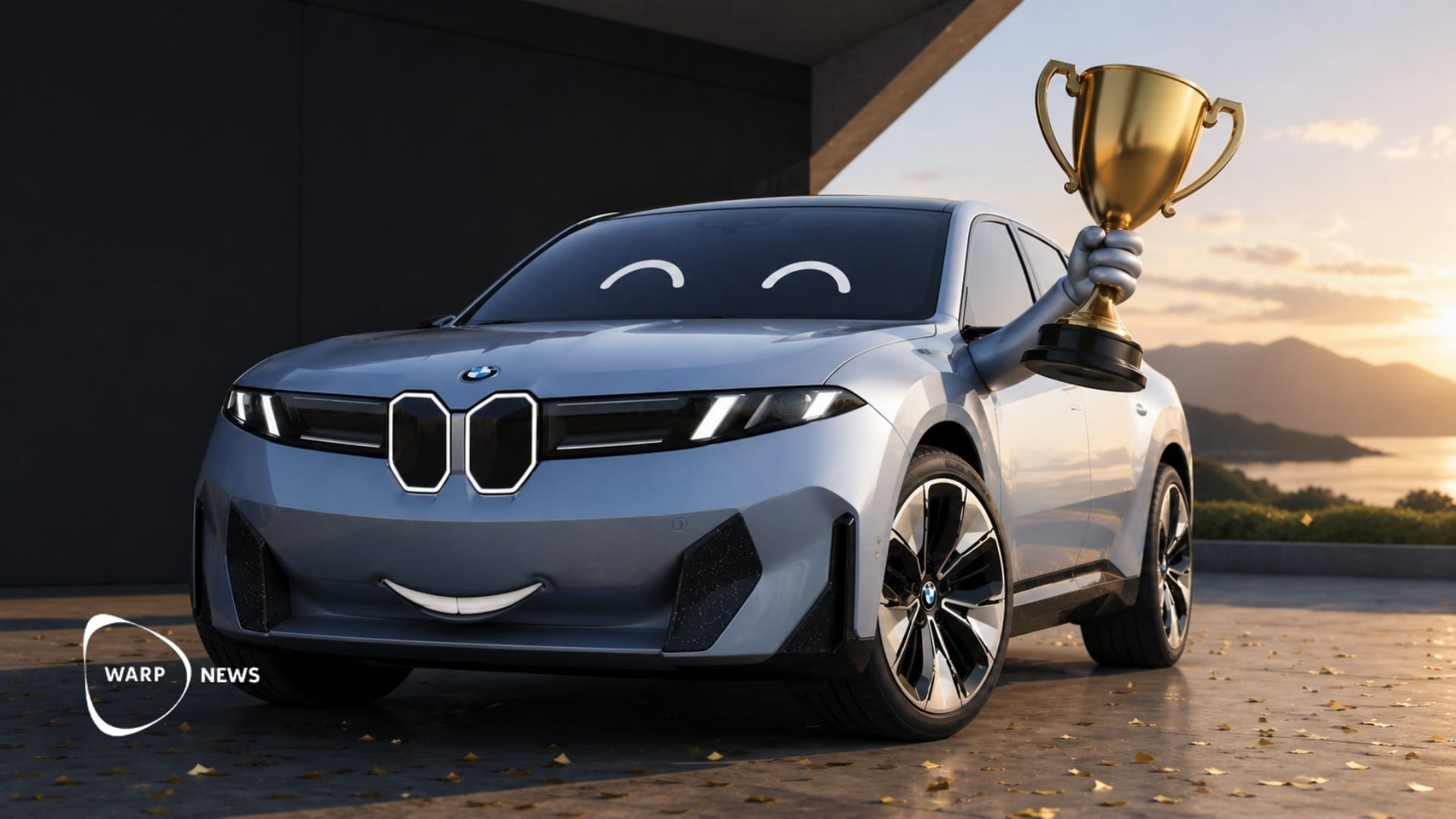
🚗 Electric vehicles outclass fossil fuel cars – sweep all categories at the 2026 World Car Awards
Consumers rank affordability, efficiency, quality, and safety as the most important factors in a car in 2026, areas where electric vehicles perform strongly. The BMW iX3 Neue Klasse won both Electric Vehicle of the Year and the Car of the Year award.
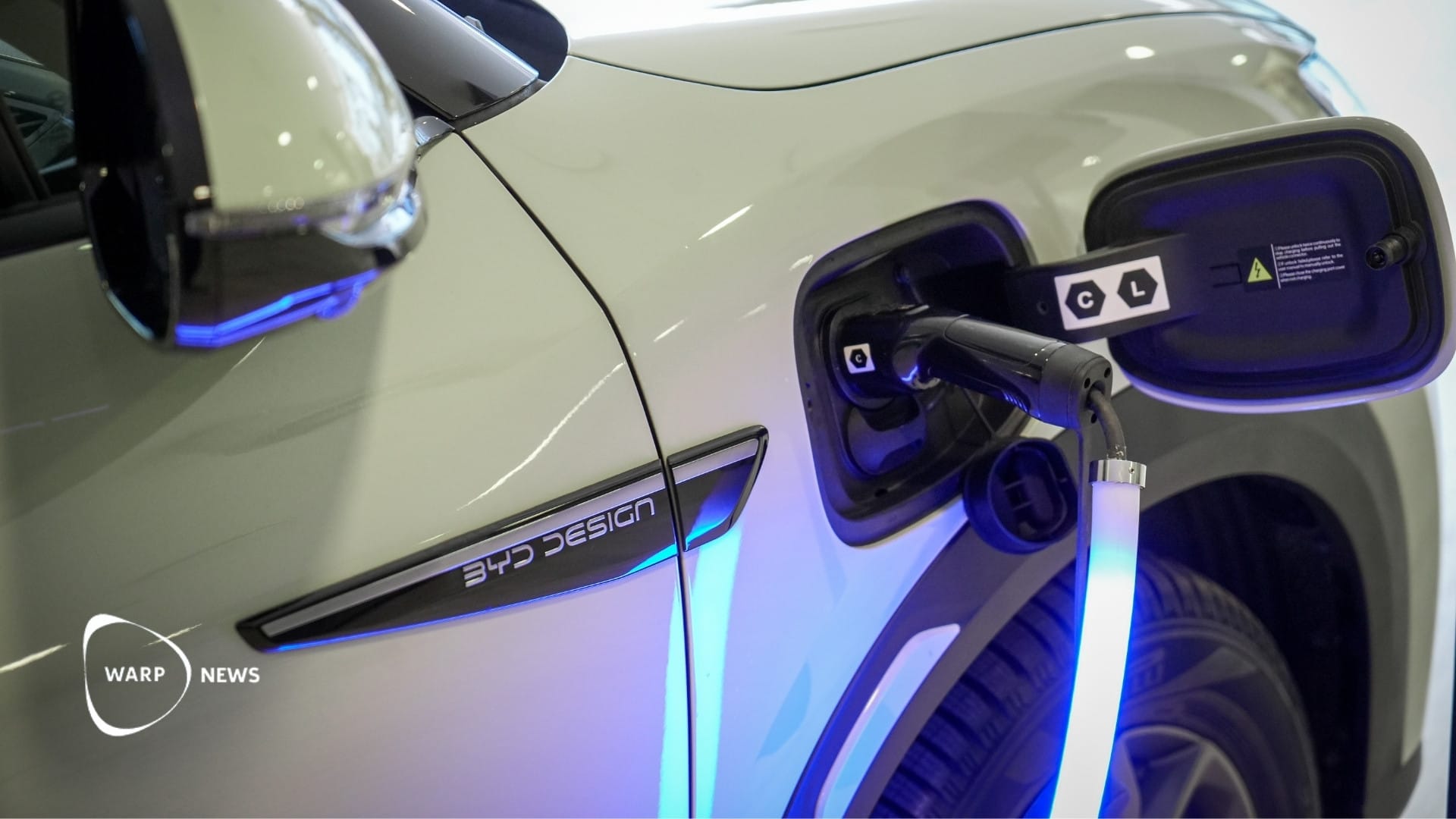
⚡ New fast charger charges an EV from 10 to 70 percent in five minutes
BYD's latest fast charger delivers up to 1,500 kilowatts and can charge a battery from 10 to 70 percent in five minutes. A charge from 10 to 100 percent takes about nine minutes. That corresponds to approximately 1,000 kilometers of range.

🎙️ Kevin Kelly and Dan Pink launch podcast about best possible future scenarios
New podcast series – Best Case Scenarios – explores the best possible developments in energy, transportation, biotechnology, and brain science over the next 25 years. The focus is on what happens if everything goes right and how technology can reduce costs, emissions, and accidents.