
📈 Human Progress
In the last decades humanity has made great progress with less extreme poverty, increased health, wealth and democracy. We follow in the tradition of professor Hans Rosling.

⚰️ Homicides per capita have fallen 14 percent since 2015
The global homicide rate dropped from 5.9 to 5.1 victims per 100,000 people between 2015 and 2024. In the ten years before 2015, the figure held steady at around 6 victims per 100,000 people. If the decline continues at the same pace, the rate will reach 4.5 victims per 100,000 people by 2030.
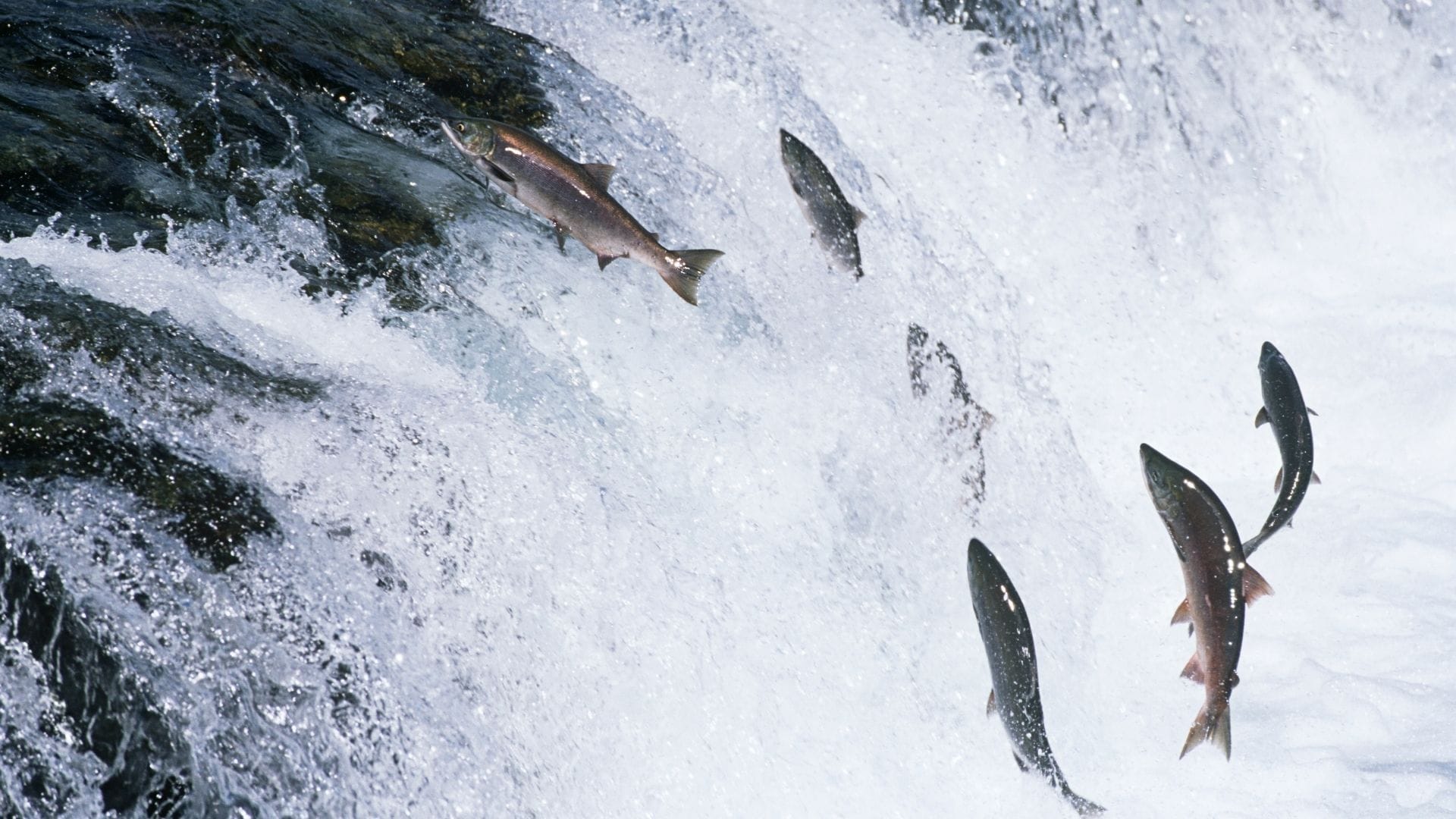
🐟 20,000 salmon return to the Klamath after the dams came down
In August 2024, excavation crews breached the last of four dams on the Klamath River in far northern California. For the first time in over a century, salmon could swim past the sites where the dams had stood. Chinook have recolonized close to 90 percent of their former range in the river system.
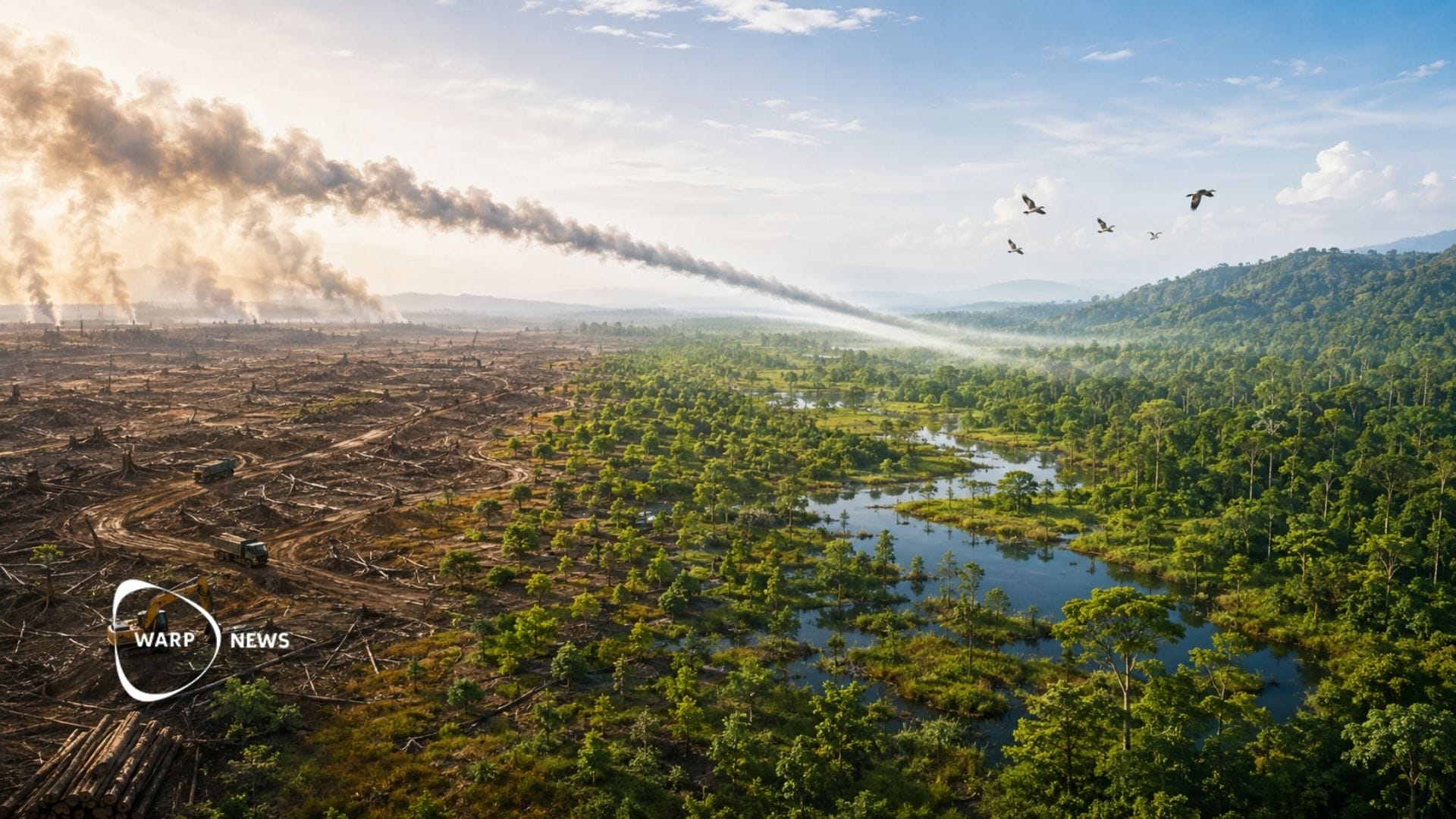
📉 Emissions from deforestation and land use have fallen 32 percent since the 2000s
Until 1999, emissions held steady at around 6.6 billion tonnes of carbon dioxide per year. Between 2015 and 2024 they averaged 5 billion tonnes, and in 2025 they fell to 4.1 billion tonnes. The main reasons are that permanent deforestation has decreased and that new forest absorbs carbon dioxide.
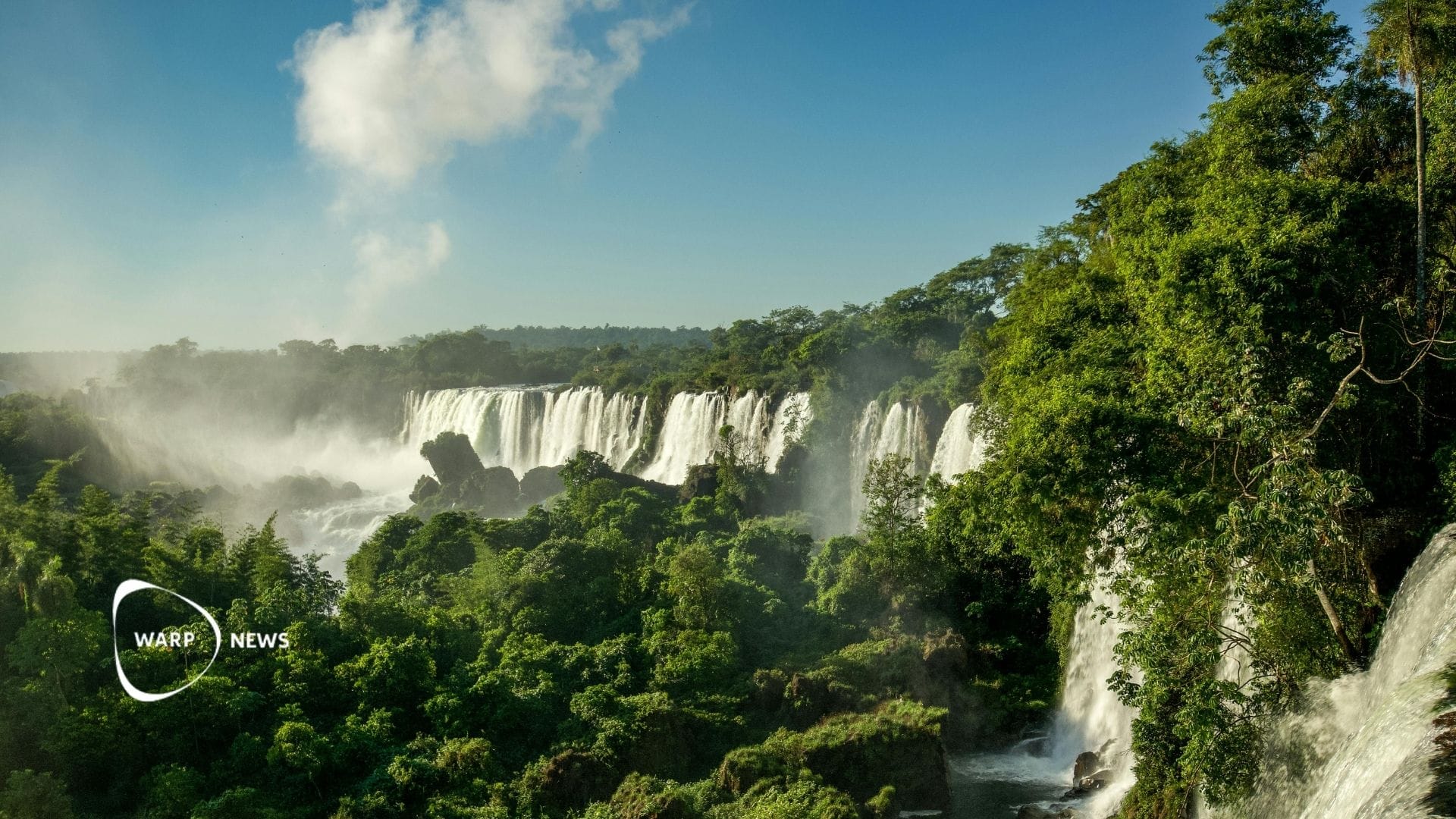
🌳 Amazon deforestation lowest in 13 years
Deforestation fell 36 percent from the previous year and was 55.6 percent below the average of the past ten years. That is according to new satellite data from Brazil's National Institute for Space Research, INPE. The decline has continued since 2023.
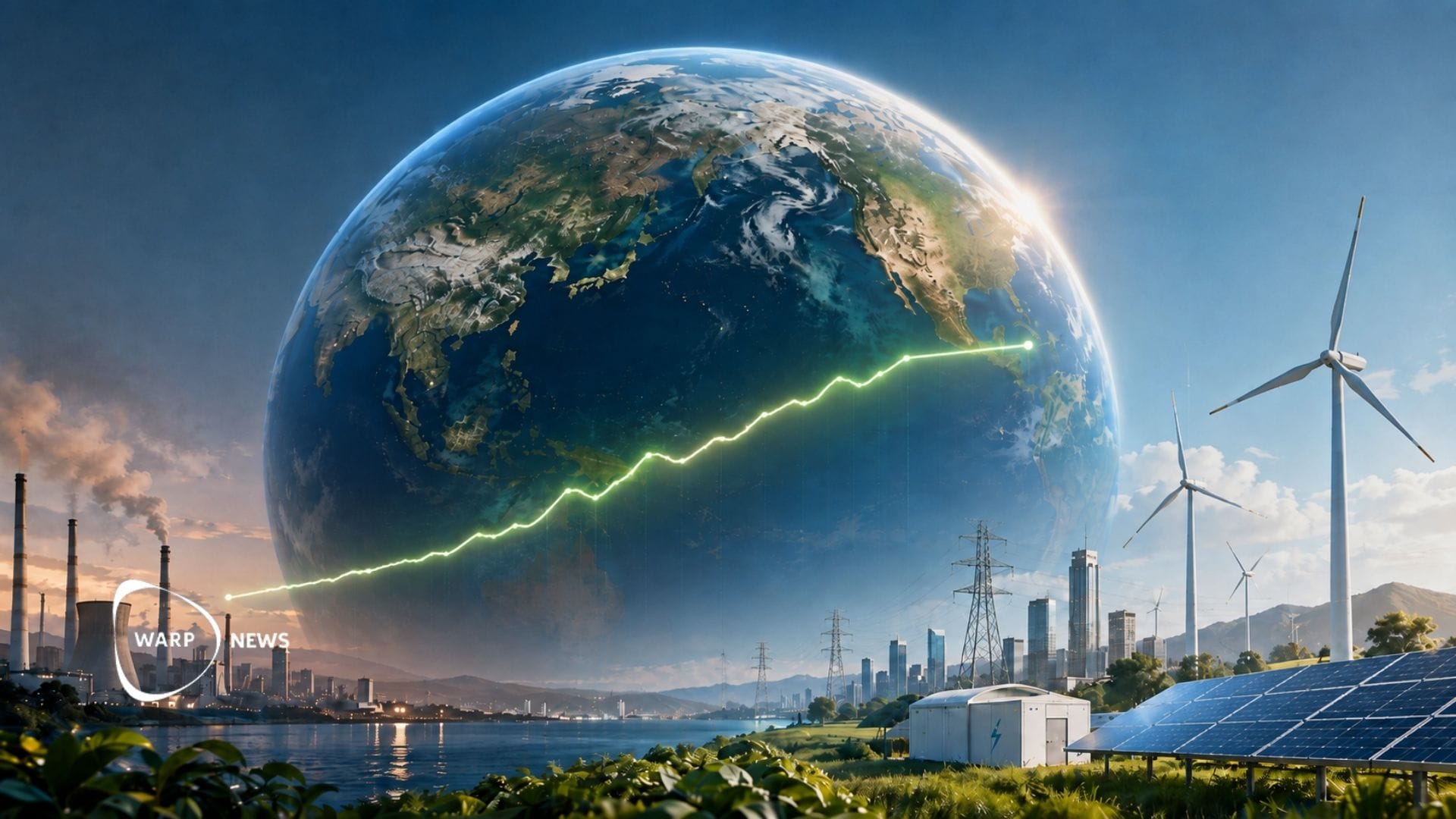
🌏 Global greenhouse gas emissions have almost stopped growing
Emissions rose 0.2 percent compared with the first half of 2025. Between 2015 and 2023, they grew by an average of 1.1 percent per year. China and the United States, the world's two largest emitters, saw their emissions fall by 0.3 and 0.4 percent respectively.
🌊 After decades of drought, groundwater south of the Sahara has risen by 13 feet
The Sahel is the semi-arid belt south of the Sahara, stretching around 500 miles wide from Senegal in the west to Ethiopia in the east. More than 150 million people live there. In the 1970s and 1980s the region was hit by severe drought. Now the area has more water than it has had for decades.
🔥 The world has never burned this little since measurements began
Wildfires in Europe and North America are more extensive than before. At the same time, the global figures show a different picture. During the first half of 2026, global emissions from fires were the lowest ever measured, according to the European climate center Copernicus.

📉 HIV infections and AIDS deaths at lowest level in over 30 years
Seven countries have reduced new infections by almost 80 percent since 2010. New prevention medicines offer protection close to that of a vaccine.
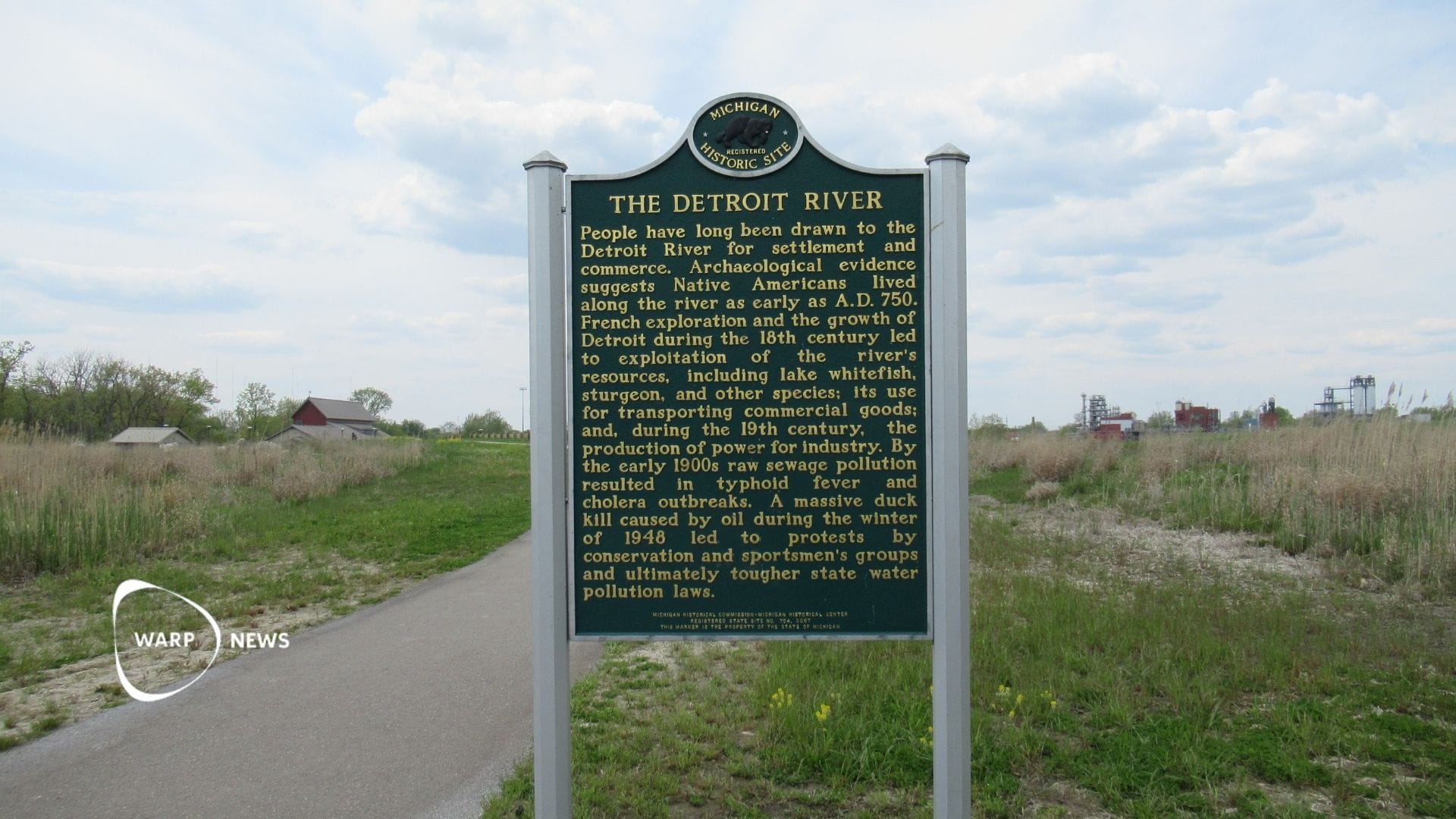
🏊♀️ 50 years ago no one dared dip a toe in the Detroit River, now people fish, paddle and swim there
Friends of the Detroit River is now launching the 14th and final priority habitat restoration project in the Detroit River. Thirteen are already complete. Every spring, millions of fish move up through the river to spawn.