


💡 Renewable electricity overtook coal as the world's largest power source in 2025
Solar and wind accounted for 99% of the growth in global electricity demand during 2025. Solar energy grew by 636 TWh – more electricity than all LNG exports through the Strait of Hormuz can produce. For the first time, coal power accounts for less than a third of the world's electricity generation.

🗳️ Democracy strengthened or did not deteriorate in three quarters of the world's countries during 2025
Nearly three quarters of the world's countries received higher or unchanged scores in the 2025 democracy index. Latin America and the Caribbean broke a nine-year decline and improved their results. The global index rose by 0.02 points, one of the largest increases since 2012.

🚧 The world's first geothermal plant with 10 to 100 times higher output per well is now being built
Project Obsidian will be the world's first geothermal power plant to extract energy from rock at 300 to 500 degrees Celsius. The millimeter wave drilling technique allows drilling to reach depths and temperatures that conventional drills cannot handle.
🌳 Rainforest wildlife returns to abandoned farmland within 30 years
A study from Ecuador shows that biodiversity in tropical rainforest recovers to more than 90 percent of its original level within three decades. Three-quarters of the animal and plant species typical of untouched primary forest return to abandoned agricultural land during the same period.

📈 Simon Abundance Index 2026: Access to basic commodities has increased by more than 500 percent since 1980
The Simon Abundance Index (SAI) measures the relationship between population and resource abundance. It rose from 100 in 1980 to 636.4 in 2025, an increase of 536.4 percent. While the world's population grew by 85 percent, personal resource abundance increased by 244 percent.
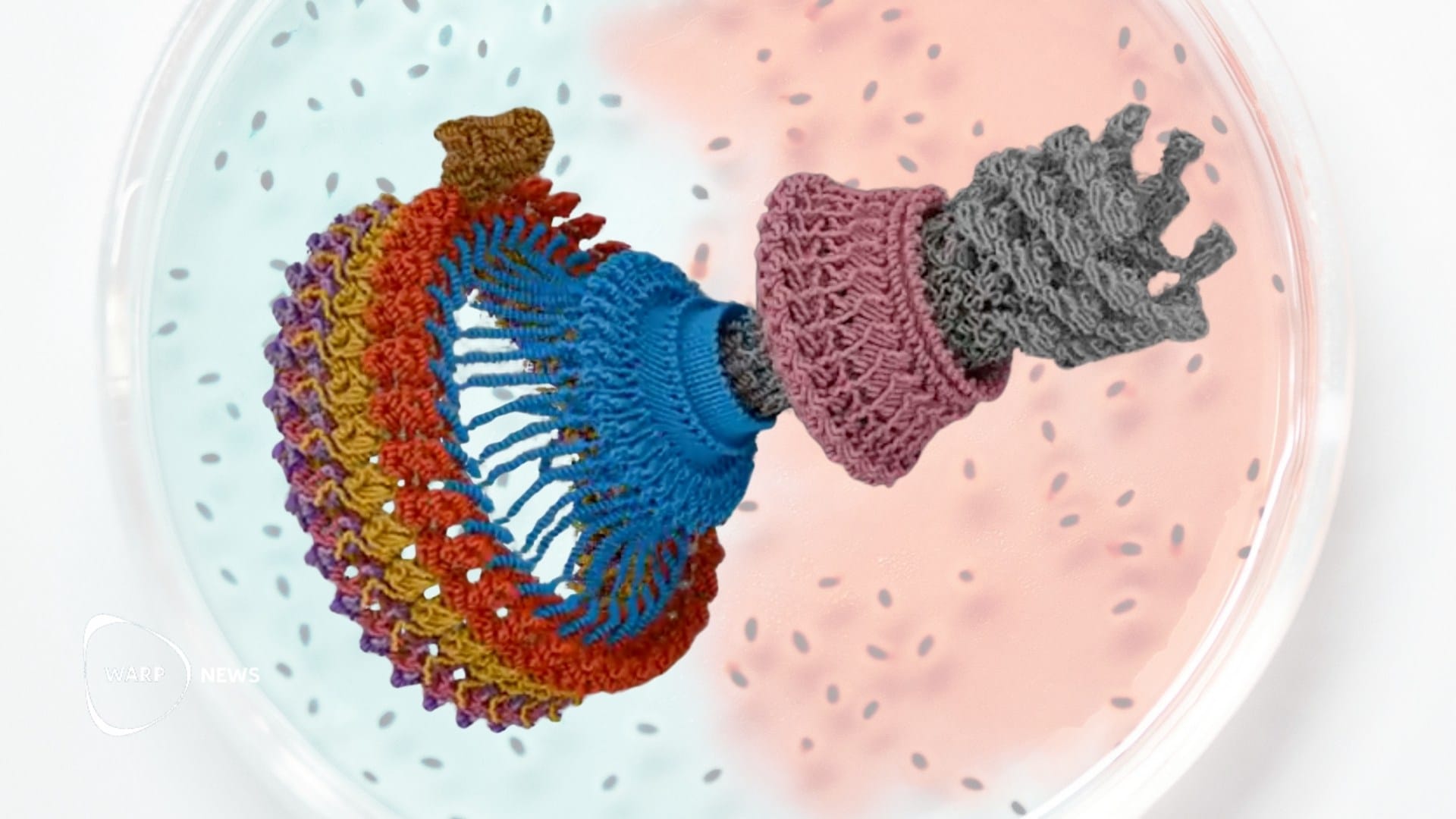
🧫 Bacteria swim using a tiny electric motor that spins several hundred times per second
Researchers have now mapped every part of the flagellar motor that bacteria use to swim, after more than 50 years of research. The motor spins several hundred revolutions per second and is powered by protons streaming into the cell at more than 2,000 per second.

💉 New vaccine reduced Lyme disease cases by 70 percent in clinical trial
Pharmaceutical companies Pfizer and Valneva report that their Lyme disease vaccine LB6V reduced the number of disease cases by around 70 percent compared with placebo. It would become the first approved Lyme disease vaccine for humans in nearly three decades.

🧬 From 13% to 88%: This many survive pancreatic cancer thanks to new vaccine
Pancreatic cancer is one of the deadliest cancers. Fewer than 13 percent of those diagnosed survive more than five years. But after receiving a new mRNA vaccine, nearly 90 percent are still alive six years later.

😶🌫️ The risk of developing dementia at any given age has dropped sharply
The share of older people with dementia at any given age has fallen by two-thirds over 40 years. An 85-year-old in 2024 has one-third the risk of having dementia compared to an 85-year-old in 1984.