


🚀 Saab invests 10 million dollars in Swedish space company, Pythom Space
Pythom was founded by Swedish explorers Tina and Tom Sjögren who have three records in the Guinness Book of Records. The company develops lightweight rockets that can be deployed quickly to make access to space more flexible and affordable.

🚀 Blue Origin landed rocket at sea – second company in history after SpaceX
Blue Origin became the second company ever to land an orbital rocket on a platform at sea. The landing shows that reusable rockets are no longer unique to SpaceX, which increases competition in the space industry.

🚗 Waymo first with driverless taxi rides on highways in the US
Waymo becomes the first robotaxi company in the US to offer driverless rides on highways, available around the clock in San Francisco, Phoenix and Los Angeles. The service uses the same software and sensors as for city driving.
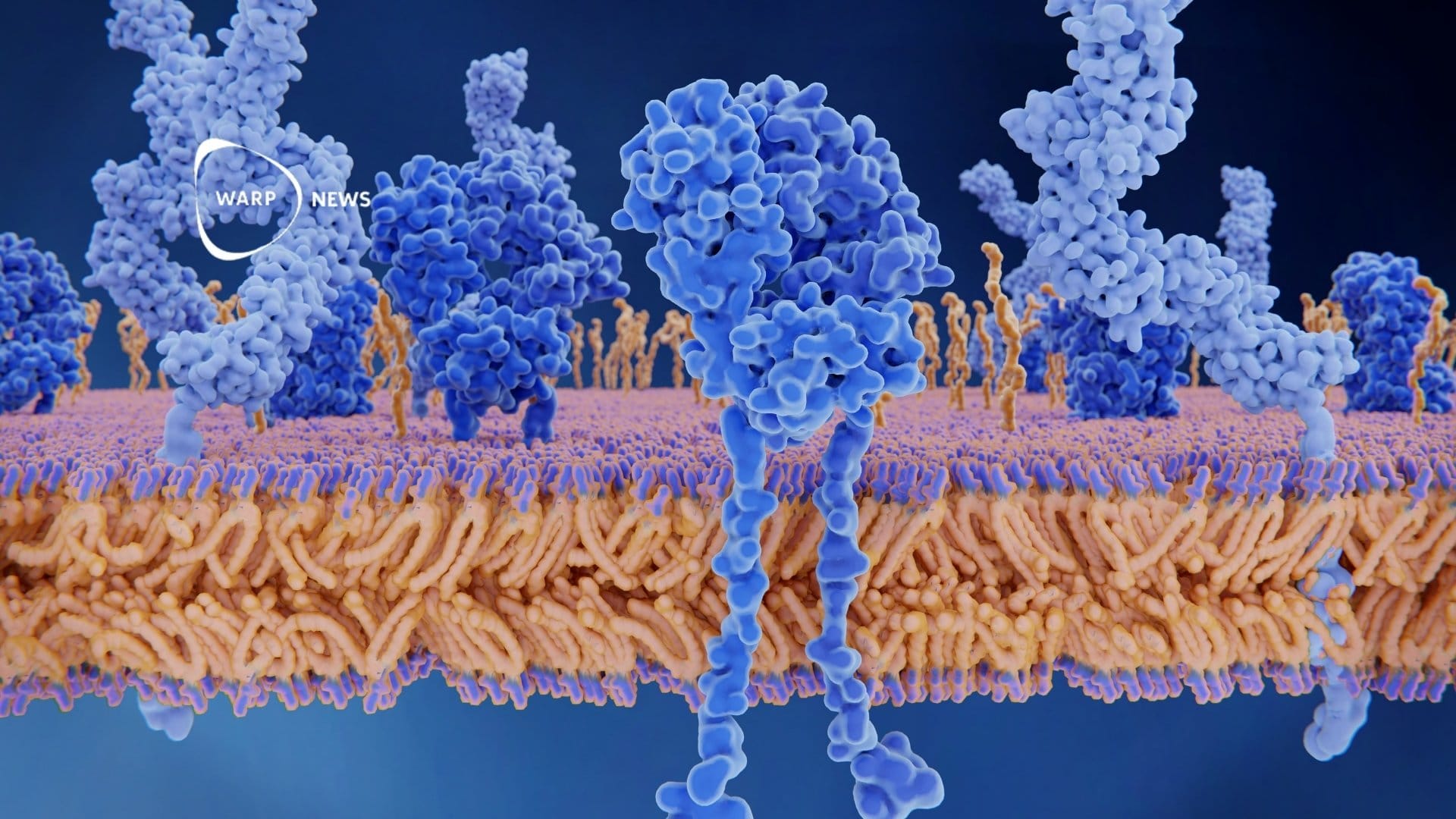
🦾 New AI-designed enzyme breaks down plastic foam into recyclable building blocks
An AI-designed enzyme can break down 98 percent of polyurethane in 12 hours at industrial scale. Polyurethane is a type of plastic used in foam cushions, mattresses, insulation and other products. The process recovers pure building blocks that can be used to manufacture new plastic.
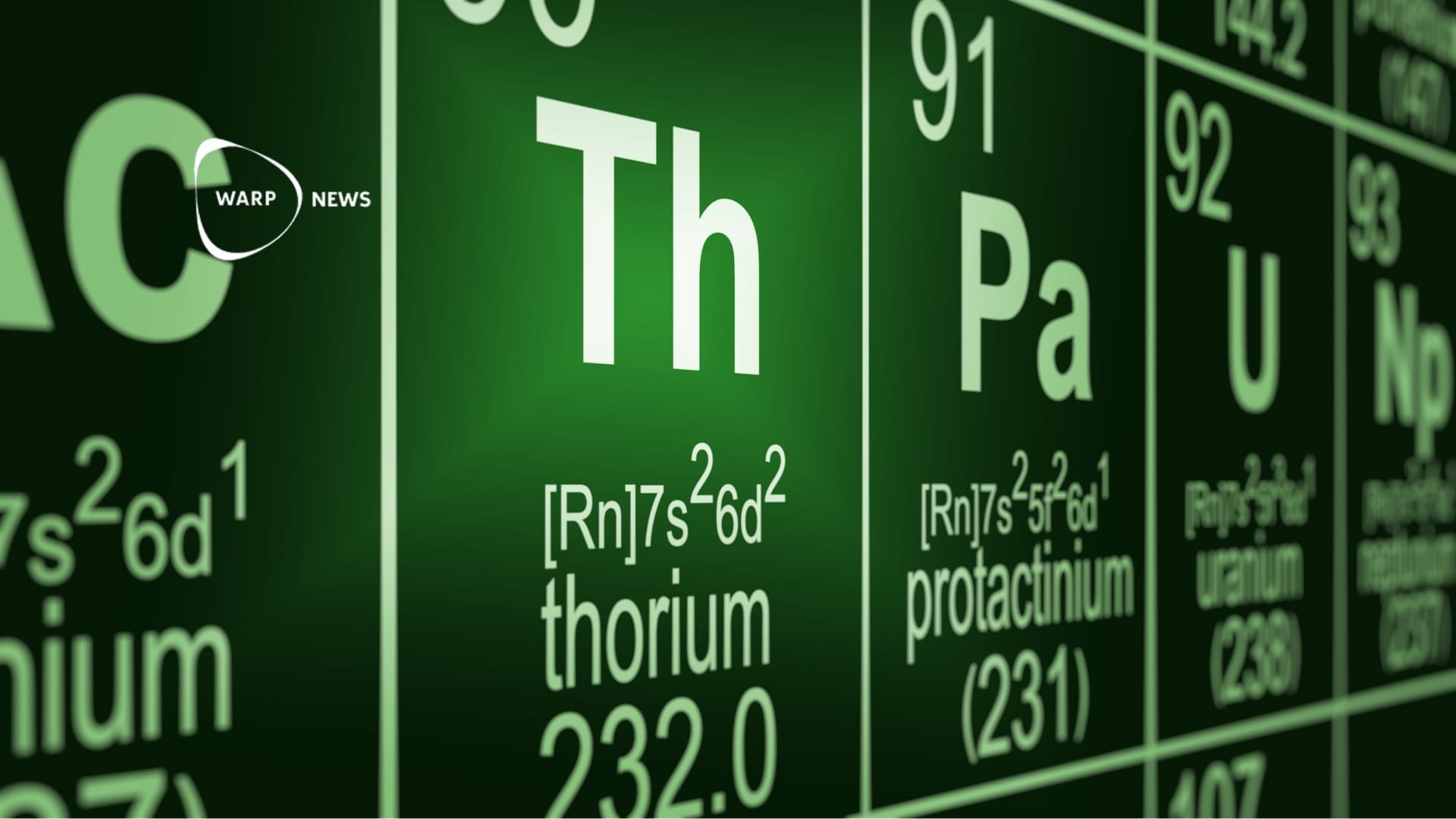
☢️ Nuclear reactor creates its own fuel from common thorium
A 2 megawatt reactor in the Gobi Desert converts thorium into uranium-233 inside the reactor while producing energy, which means it creates new fuel continuously. Thorium is much more common than uranium.

🐘 Elephant poaching decreased by 50 percent after China's ivory ban
Elephant poaching decreased by 50 percent after China implemented its total ivory ban in 2018. The number of illegal ivory seizures also declined after the ban. No "last-minute rush" in smuggling occurred before the ban took effect.
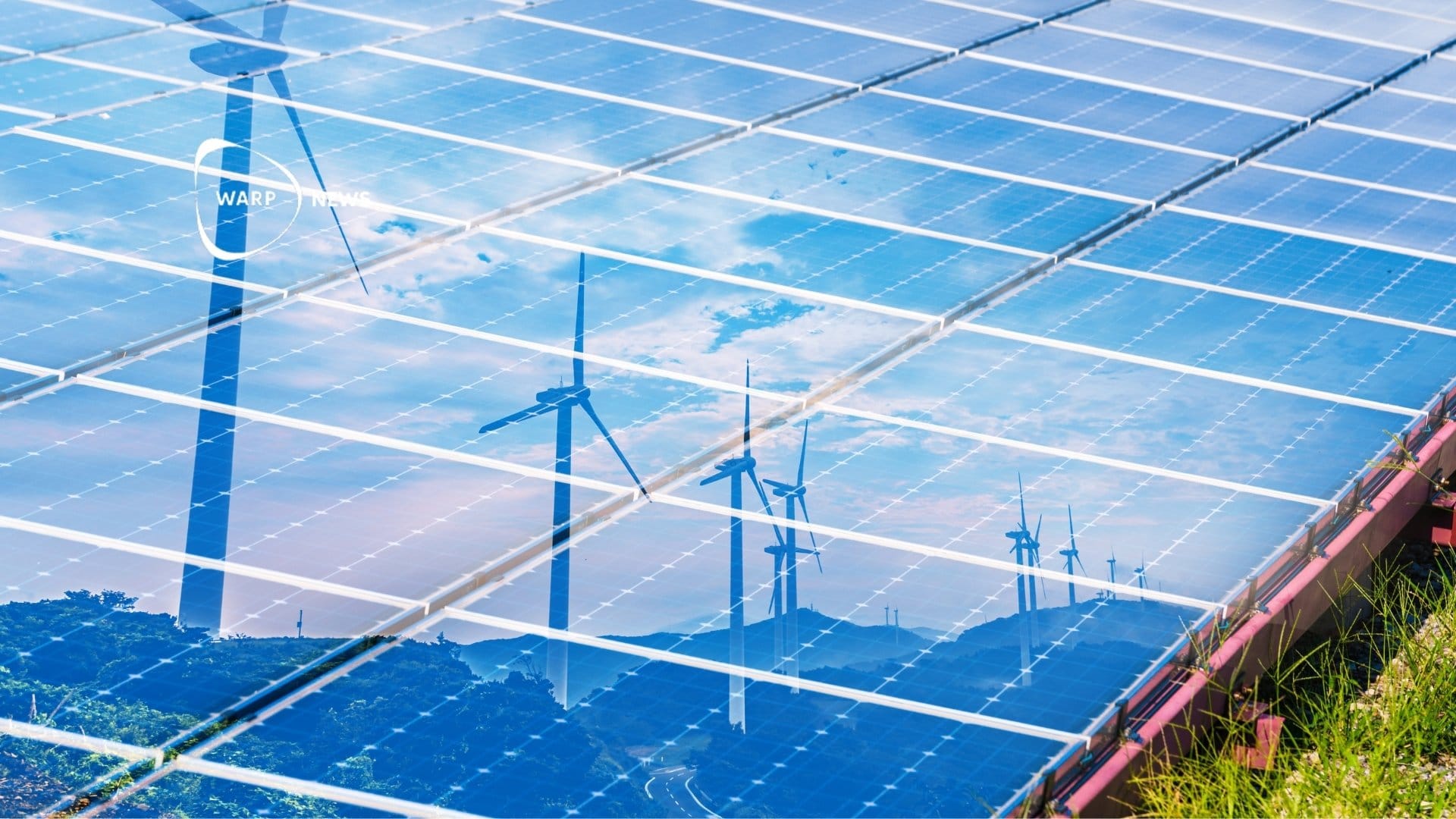
📉 China's carbon dioxide emissions lower than 18 months ago
China's carbon dioxide emissions have been flat or declining since March 2024. Solar power increased by 46% and wind power by 11% in the third quarter, covering nearly all the increase in electricity demand. Emissions from the transport sector fell by 5% due to the rapid spread of electric vehicles.
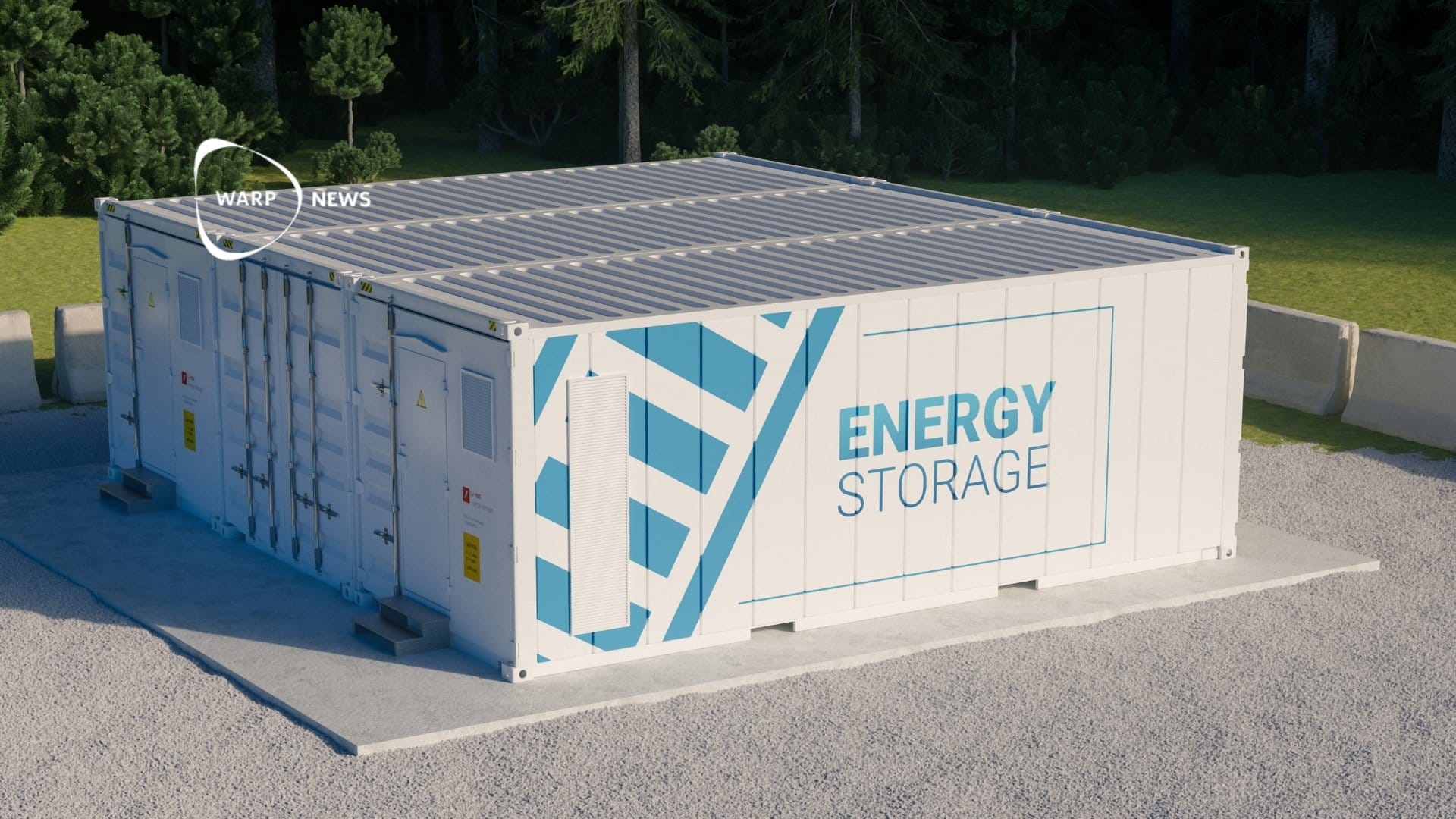
🔋 Battery storage doubled in 2024 – as much as in all previous history
The world installed over 160 gigawatt-hours of new battery storage in 2024, nearly as much as in all recorded history. Analysis shows that battery storage globally could reach 100–180 terawatt-hours in the long term, three to six times more than current forecasts.

📉 Uganda has reduced AIDS deaths by 64 percent in 14 years
The number of annual AIDS deaths in Uganda has decreased from 56,000 in 2010 to 20,000 in 2024. New HIV infections have fallen from 96,000 to 37,000 during the same period. 96 percent of those receiving antiretroviral treatment have the virus under control.