


🐂 European bison have increased from 60 to 9,000 – now the species expands in Spain
Nine European bison have been released in the Iberian Highlands in Spain as part of an international research study. The number of European bison has increased from just over 2,500 to around 9,000 individuals over the past decade.

🚯 Over 25 million kilograms of trash removed from oceans and waterways in 2025
The organization's total amount of collected trash has now surpassed 45 million kilograms. A new program, the 30 Cities Program, will tackle a third of all plastic waste reaching the oceans from the world's most polluted urban areas.

Ukraine builds new power grid with solar, wind and batteries that better withstands Russian attacks
A decentralized power grid with solar, wind and batteries has fewer central points that can be knocked out, unlike the old system with large power plants and centralized transmission lines.

🦾 Humanoid robots get AI brain and are put to work in car factories
Google Gemini AI is being integrated into the humanoid robot Atlas, enabling it to understand its surroundings and handle unfamiliar objects. The robots will soon be tested in Hyundai’s car factories. The goal is to make Gemini a shared operating system for robots, similar to Android in smartphones.

🌊 The Soviet Union drained the Aral Sea – now it's filling up again
The Aral Sea was once the world’s fourth-largest lake. When the Soviet Union diverted two rivers for cotton farming, it shrank rapidly. Now the trend has reversed: the North Aral Sea’s surface has grown by 36% in 20 years, water volume has nearly doubled, and 20 fish species have returned.

🎙️ Kevin Kelly and Dan Pink launch podcast about best possible future scenarios
New podcast series – Best Case Scenarios – explores the best possible developments in energy, transportation, biotechnology, and brain science over the next 25 years. The focus is on what happens if everything goes right and how technology can reduce costs, emissions, and accidents.

🌲 Deforestation is slowing down – forests are expanding in more and more regions
In the past, forests around the world were cut down on a massive scale. But that has changed in recent decades. Deforestation still continues in some regions, but in others the trend has reversed. Forest area is now increasing in more parts of the world than it is decreasing in.
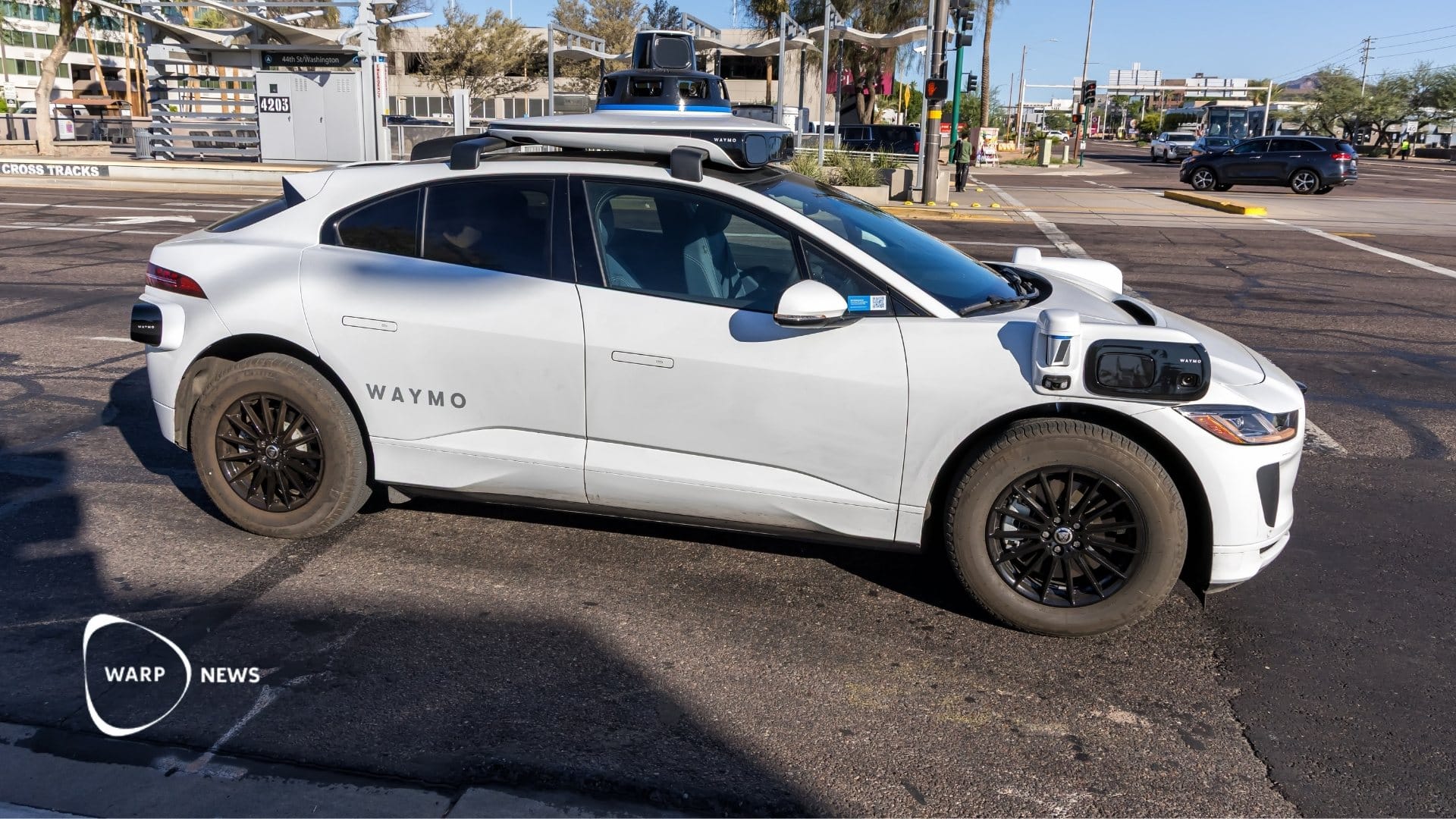
🚙 Waymo launches driverless taxi rides in four new cities and presents next-generation technology
Data from over 127 million miles driven shows that Waymo's driverless cars have ten times fewer serious crashes and twelve times fewer crashes with pedestrians compared to human drivers. The company has launched new sensor technology with the ability to drive in extreme winter weather.
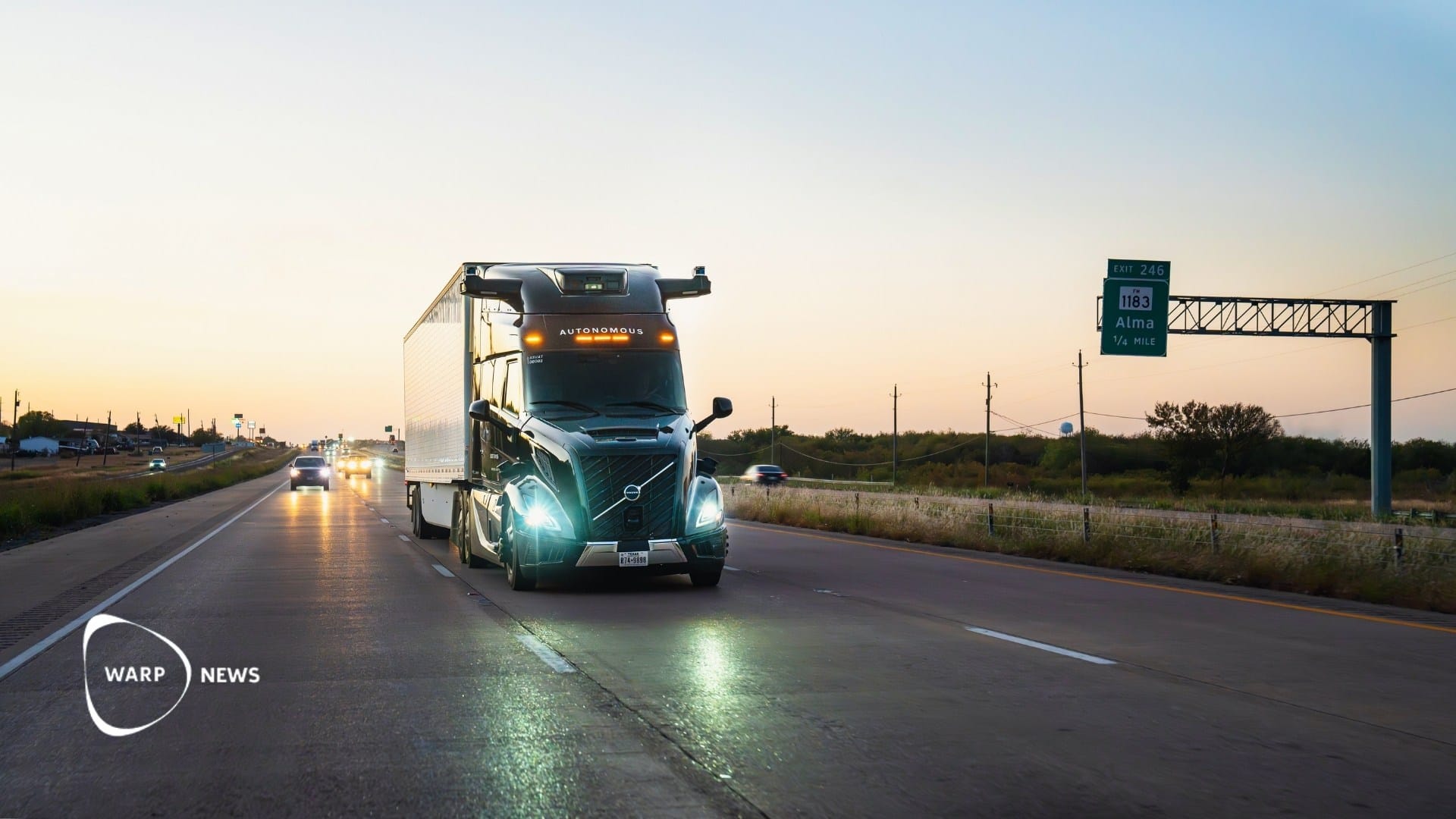
🚚 Aurora triples its driverless truck network and expands across the southern United States
Aurora has expanded its driverless network from three to ten routes. The Fort Worth–Phoenix route of approximately 1,000 miles is the first driverless freight route to exceed mandated driving time limits, nearly halving transit times.