


📉 China's CO2 emissions continue to decline – the peak may already have been passed
China's carbon dioxide emissions fell by one percent during the first half of 2025 and continue the downward trend that began in March 2024. The declining trend opens the possibility that China's emissions may already have reached their peak, years before the "before 2030" target.

📉 An AI prompt uses less energy than nine seconds of TV – 33-fold reduction in one year
Google's AI infrastructure has reduced energy consumption by 33 times and carbon footprint by 44 times over one year.
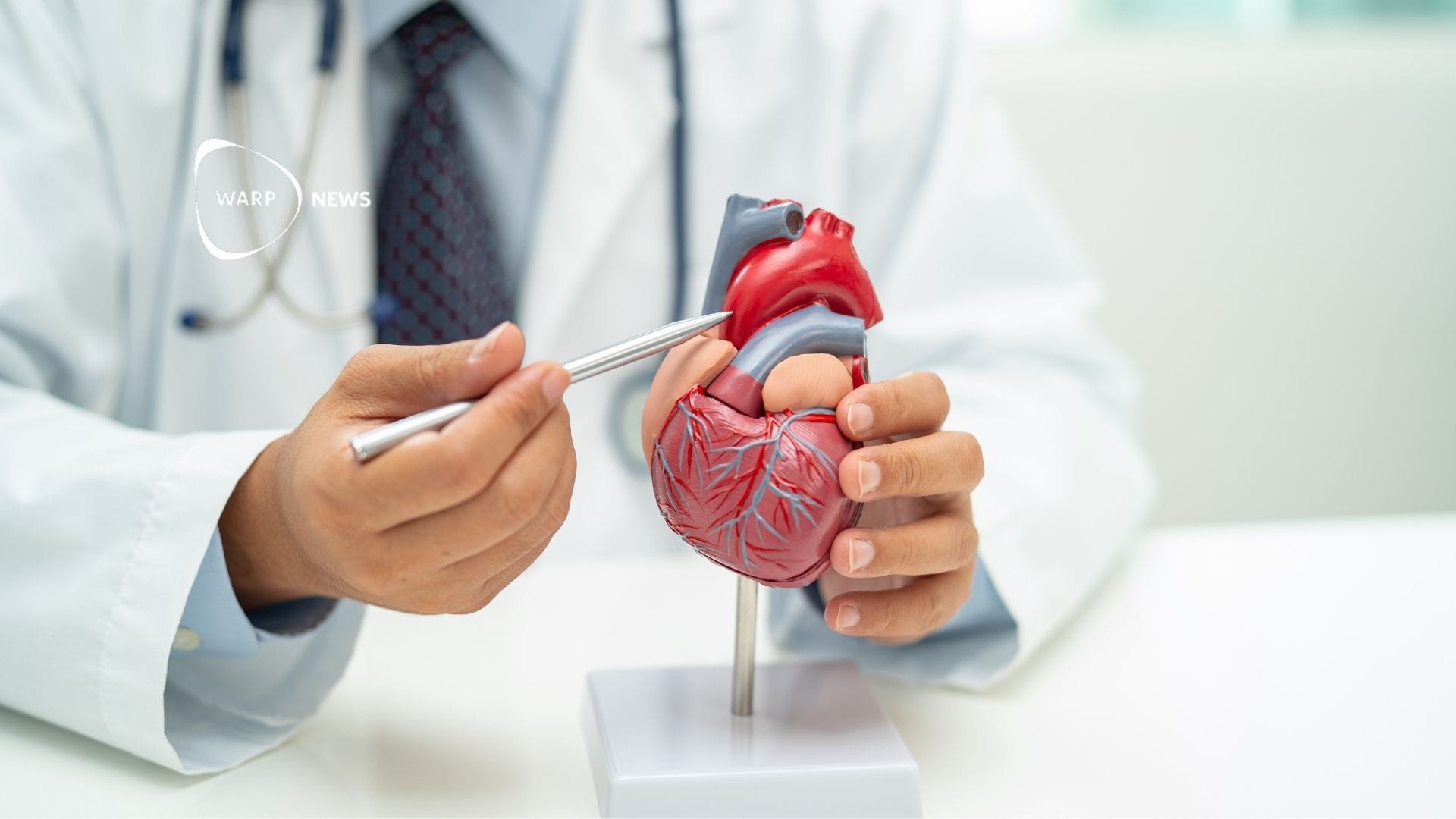
💖 Risk of dying from cardiovascular disease has decreased by 75% since 1950
Medical advances in drugs, surgery and emergency care have significantly improved survival. Public health efforts have reduced risk factors such as smoking and high cholesterol.

🐠 Coral believed extinct rediscovered after 24 years in Galápagos
Scientists have rediscovered over 250 healthy colonies of the coral species Rhizopsammia wellingtoni in waters around the Galápagos Islands. The coral had not been observed by researchers since 2000 and was classified as critically endangered and possibly extinct in 2007.
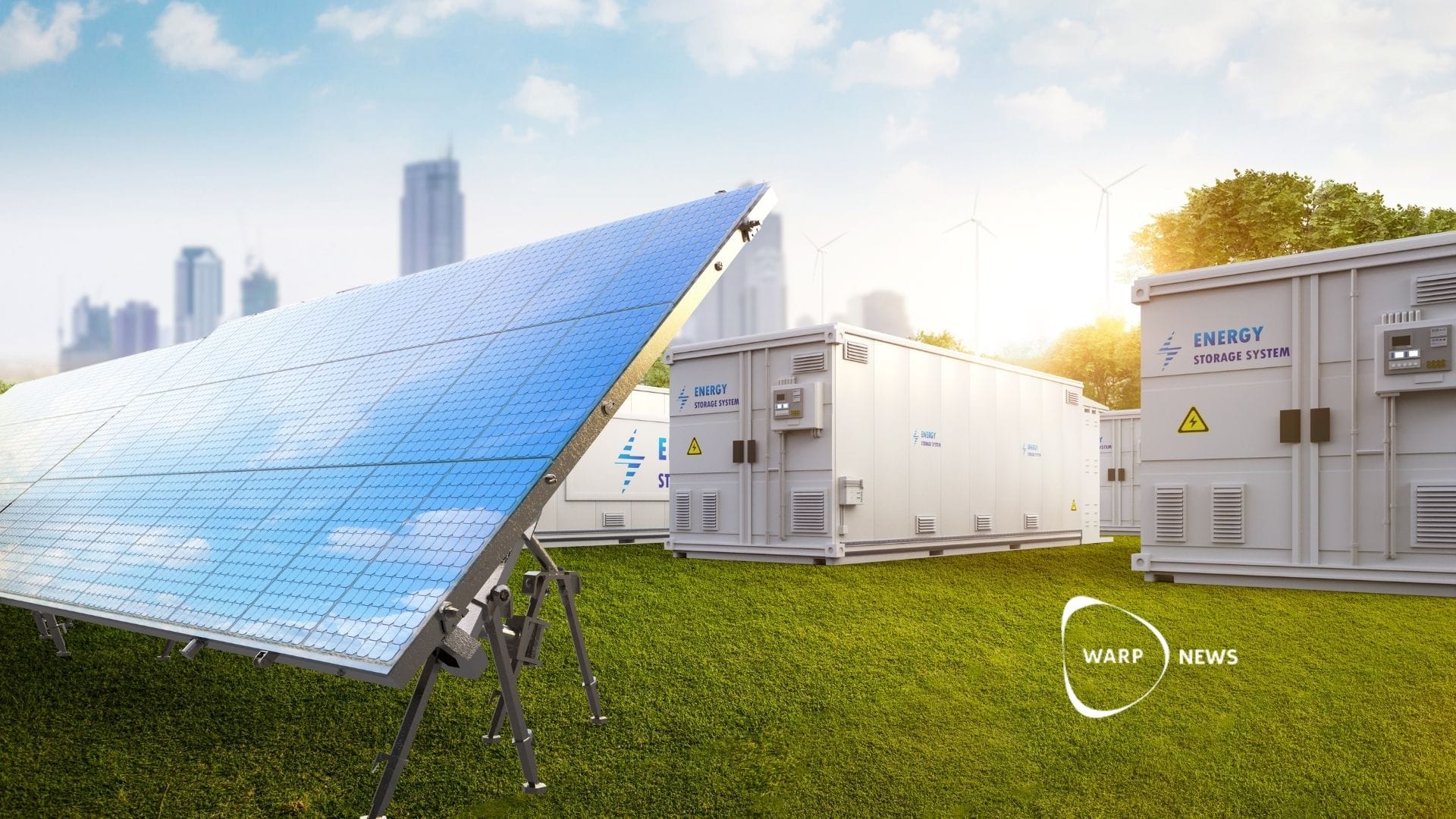
📉 Solar power with batteries became 22 percent cheaper in one year
The cost of solar power with batteries dropped 22 percent during 2024 and 43 percent since 2019. Solar power with batteries now costs around 100 dollars per megawatt hour in sunny cities, which is cheaper than coal and nuclear power.

🚗 Electric cars sold at record pace globally in 2025
Global sales of electric vehicles reach nearly 22 million cars in 2025, an increase of 25 percent from the previous year. Electric vehicles will account for a quarter of all passenger cars sold globally this year.

🔁 AI-trained poet creates infinite poem that rewrites itself every hour
Artist Sasha Stiles has created an infinite poem generated by artificial intelligence that rewrites itself every 60 minutes. The project A LIVING POEM uses a language model trained on artworks from MoMA's collections to continuously create new texts.
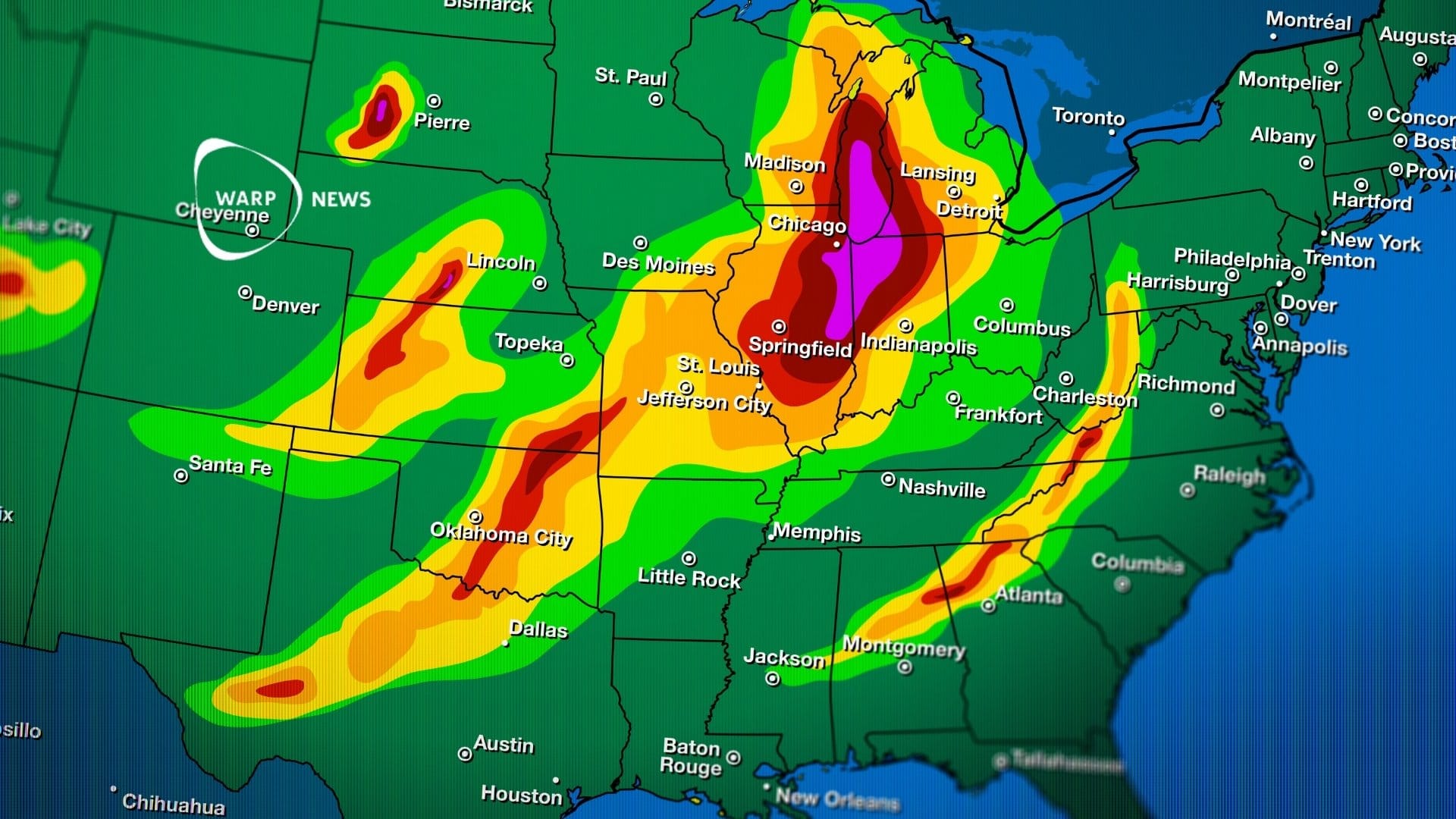
🌨️ AI systems make weather forecasts 20% more accurate while using much less energy.
New AI can generate 51 different weather forecasts simultaneously to show all possible scenarios. The system creates forecasts over 10 times faster than physics-based systems while reducing energy consumption by approximately 1,000 times.

💰 Argentina's urban poverty drops to lowest level since 2018
Poverty in Argentina's cities fell to 31.6 percent in the first half of 2025, the lowest level since 2018. Extreme poverty decreased from 18.2 percent to 7.4 percent in one year.