

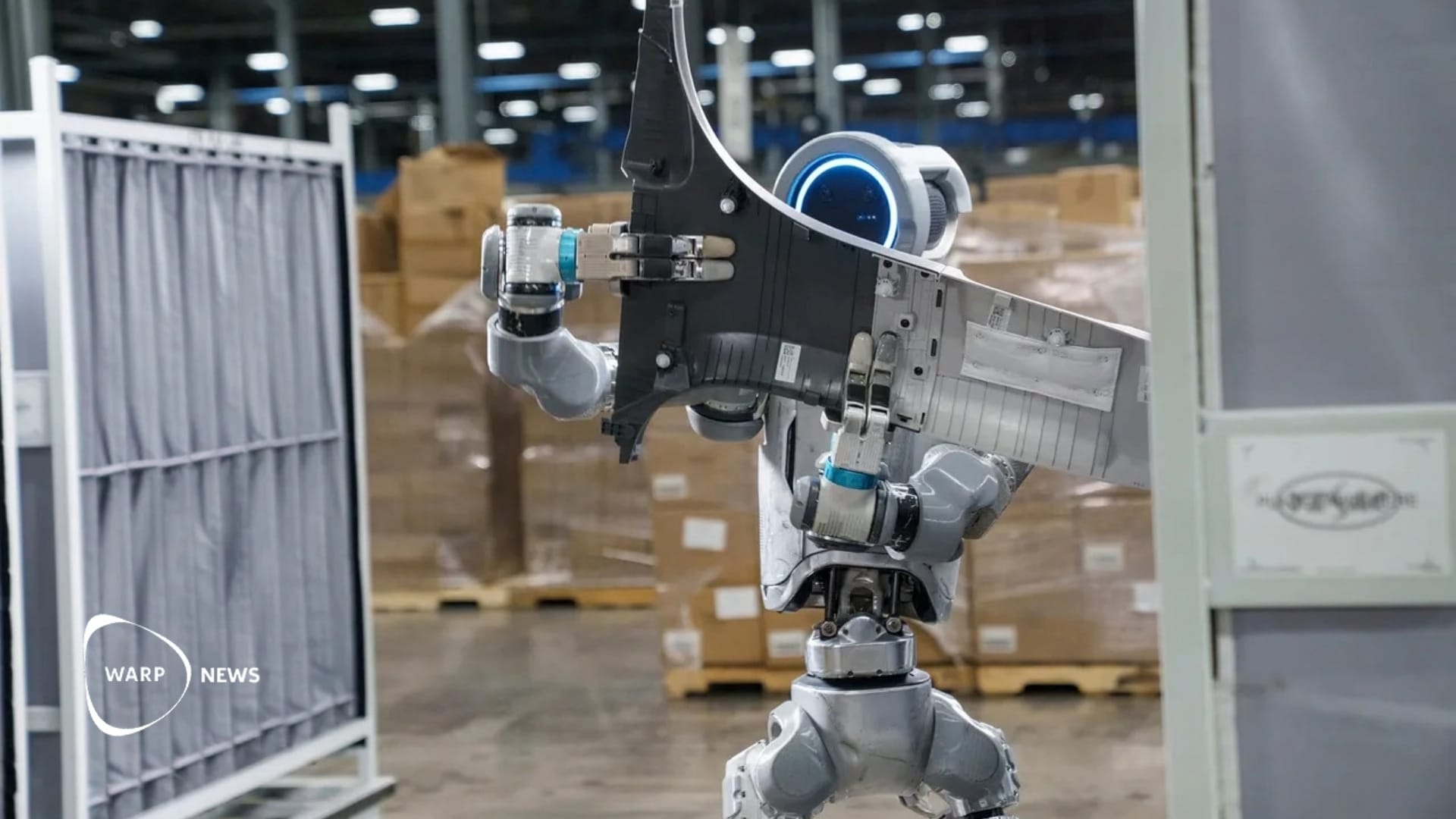
🦾 Humanoid robots get AI brain and are put to work in car factories
Google Gemini AI is being integrated into the humanoid robot Atlas, enabling it to understand its surroundings and handle unfamiliar objects. The robots will soon be tested in Hyundai’s car factories. The goal is to make Gemini a shared operating system for robots, similar to Android in smartphones.
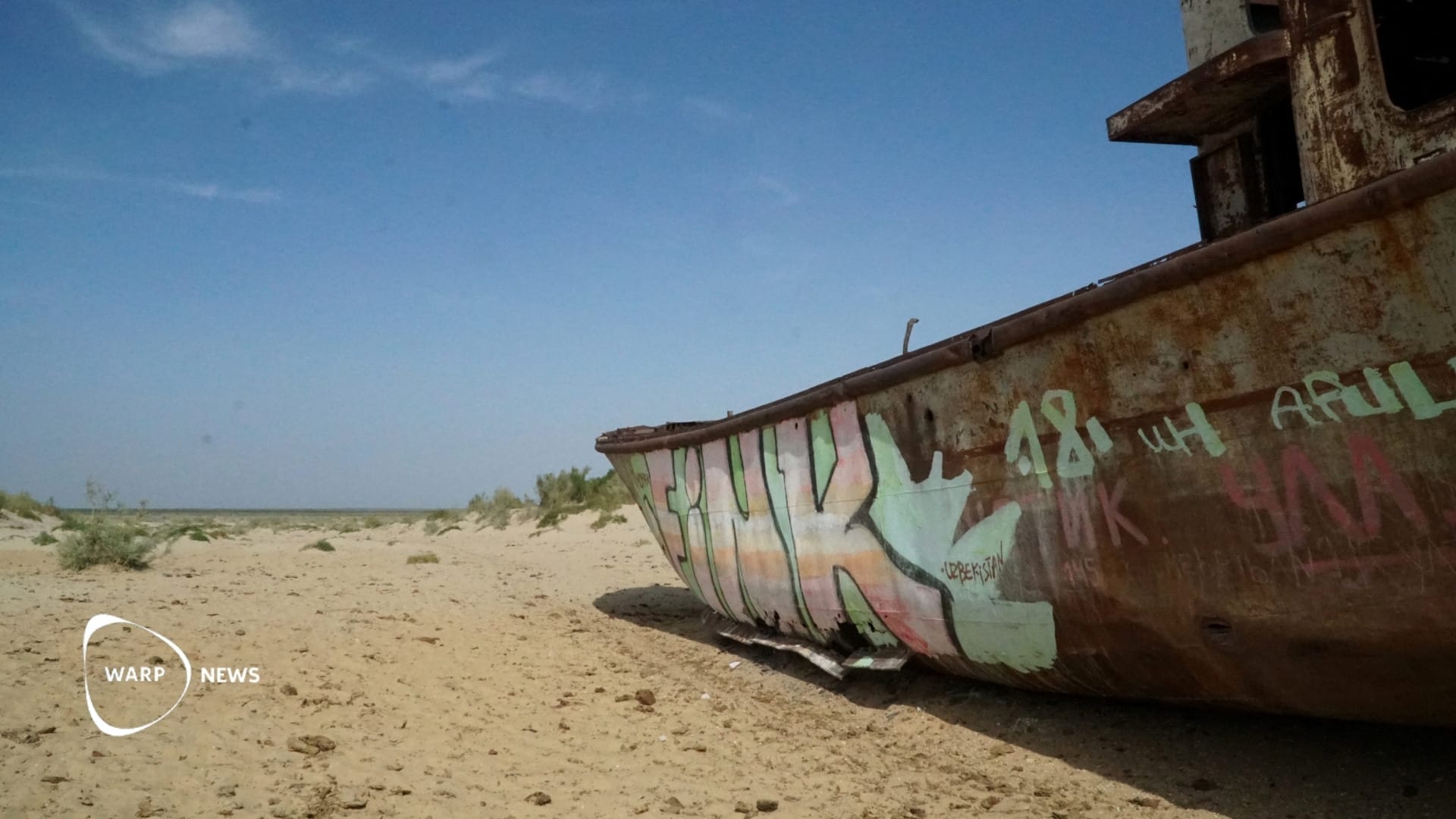
🌊 The Soviet Union drained the Aral Sea – now it's filling up again
The Aral Sea was once the world’s fourth-largest lake. When the Soviet Union diverted two rivers for cotton farming, it shrank rapidly. Now the trend has reversed: the North Aral Sea’s surface has grown by 36% in 20 years, water volume has nearly doubled, and 20 fish species have returned.

🎙️ Kevin Kelly and Dan Pink launch podcast about best possible future scenarios
New podcast series – Best Case Scenarios – explores the best possible developments in energy, transportation, biotechnology, and brain science over the next 25 years. The focus is on what happens if everything goes right and how technology can reduce costs, emissions, and accidents.
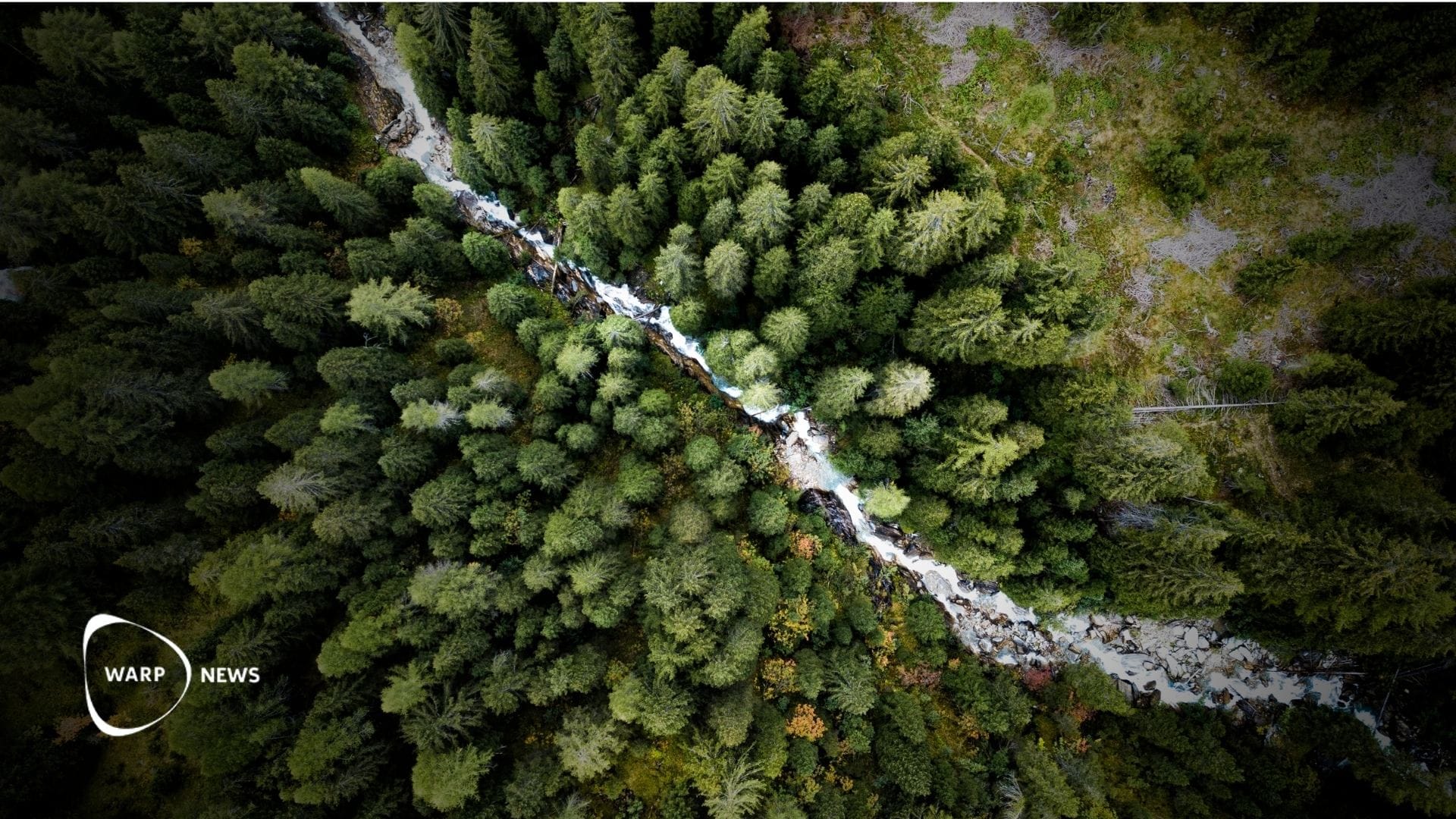
🌲 Deforestation is slowing down – forests are expanding in more and more regions
In the past, forests around the world were cut down on a massive scale. But that has changed in recent decades. Deforestation still continues in some regions, but in others the trend has reversed. Forest area is now increasing in more parts of the world than it is decreasing in.
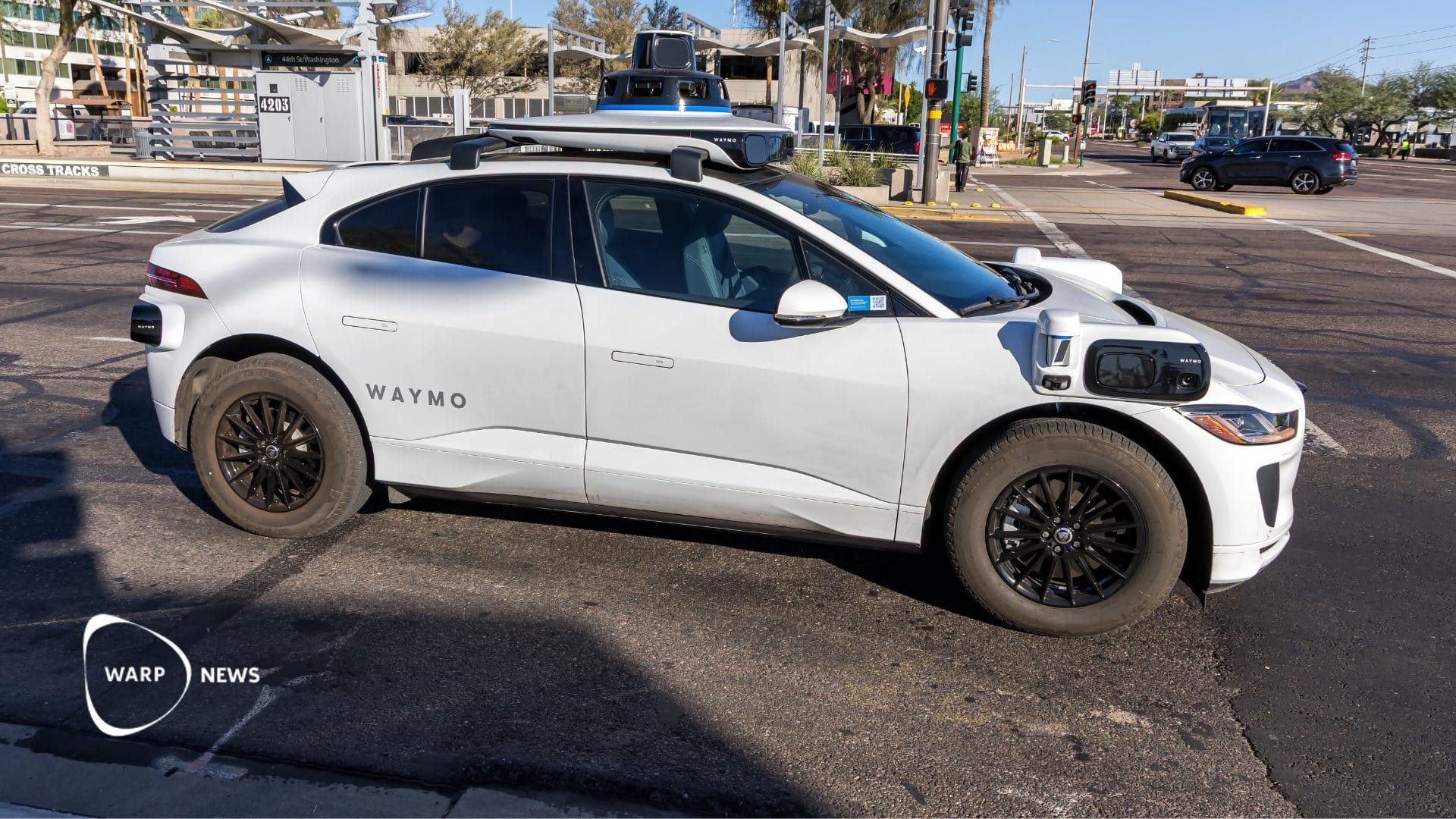
🚙 Waymo launches driverless taxi rides in four new cities and presents next-generation technology
Data from over 127 million miles driven shows that Waymo's driverless cars have ten times fewer serious crashes and twelve times fewer crashes with pedestrians compared to human drivers. The company has launched new sensor technology with the ability to drive in extreme winter weather.
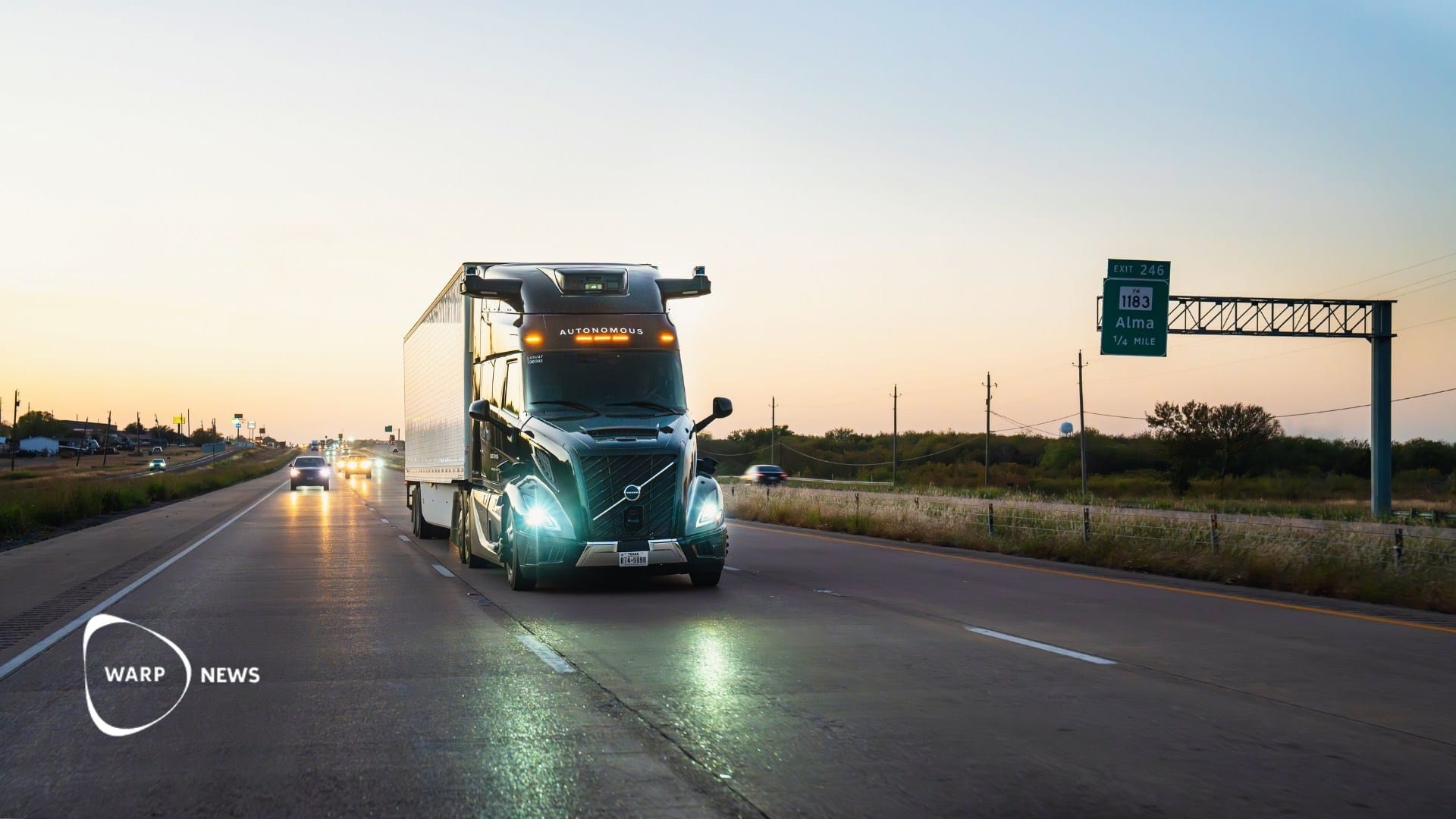
🚚 Aurora triples its driverless truck network and expands across the southern United States
Aurora has expanded its driverless network from three to ten routes. The Fort Worth–Phoenix route of approximately 1,000 miles is the first driverless freight route to exceed mandated driving time limits, nearly halving transit times.

🤧 A single nasal spray vaccine could protect against all coughs, colds and flus
Researchers have developed a "universal vaccine" in the form of a nasal spray that in animal experiments protected against virtually all tested viruses, bacteria and even allergens. The method puts immune cells in the lungs in a heightened state of readiness.
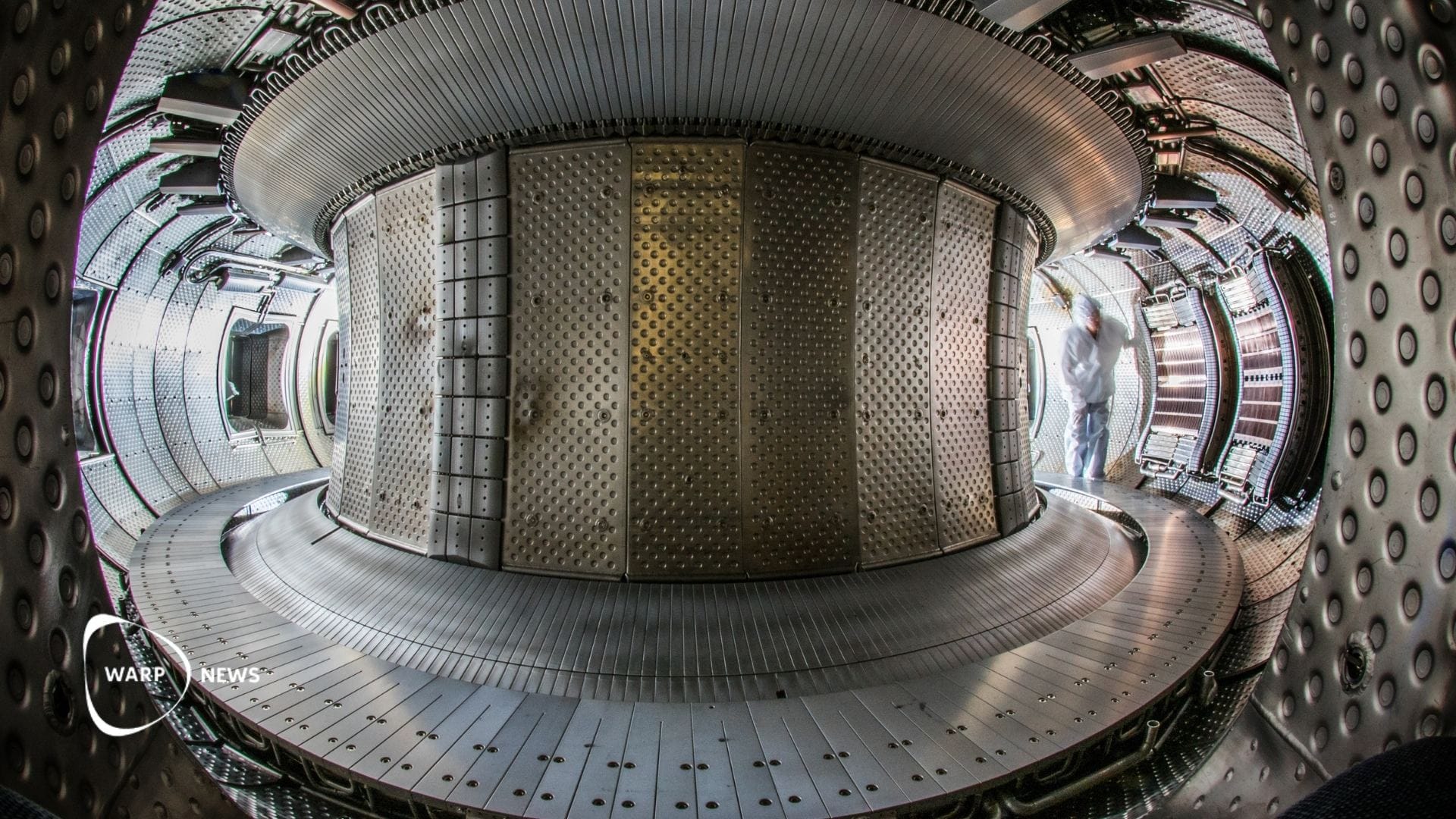
⏲️ New world record – fusion reactor held plasma stable for 22 minutes
The research reactor WEST in France held plasma stable for just over 22 minutes, which is a new world record. The record surpassed China's previous mark by approximately 25 percent. The test showed that the reactor's internal surfaces withstood the demanding conditions without breaking down.
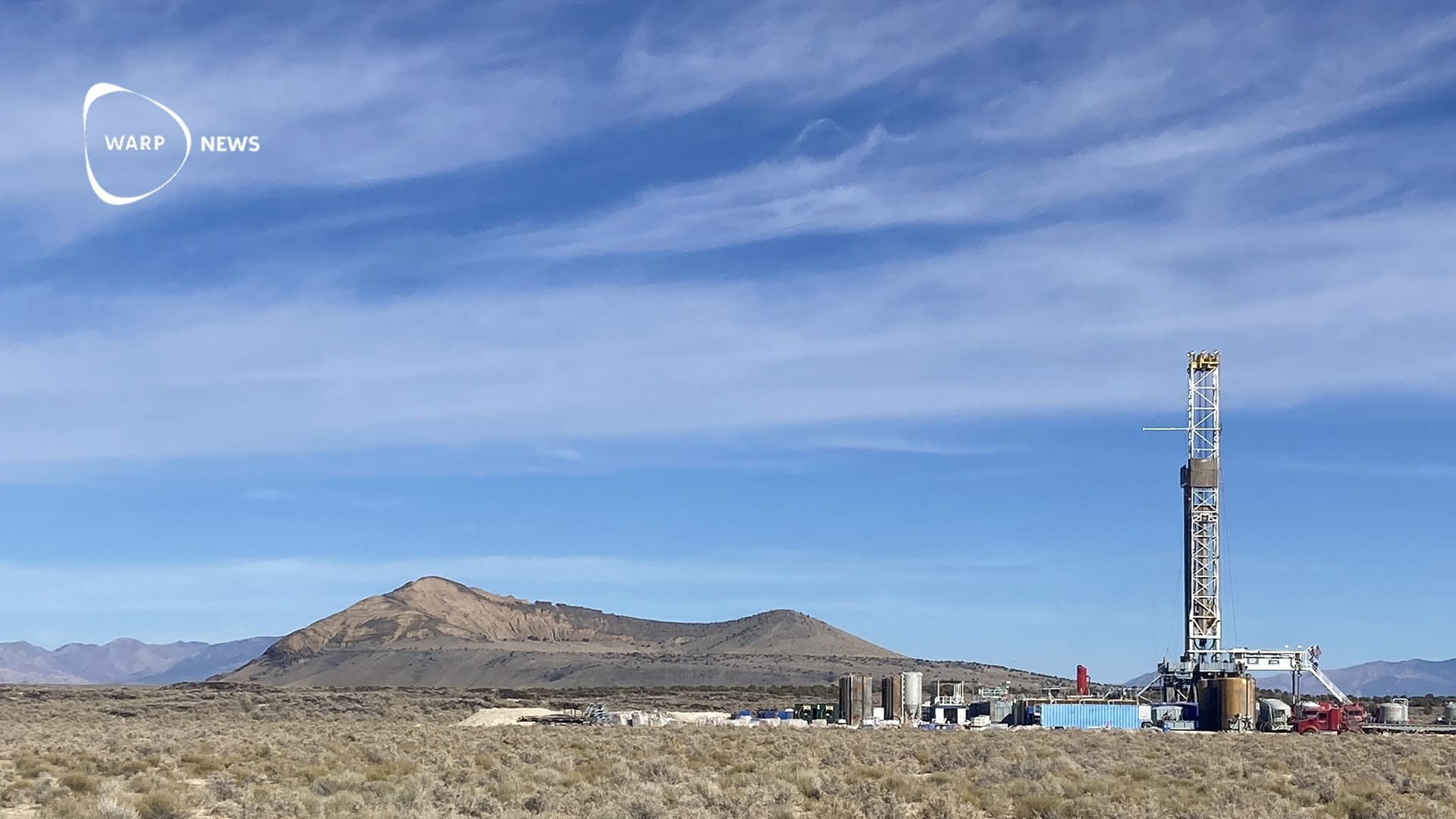
♨️ Geothermal power around the clock: Hot well in Utah shows the technology can scale up
Fervo Energy has drilled its hottest well yet at a new geothermal site in Utah, with measured temperatures exceeding 555°F at approximately 11,200 feet deep. Fervo pumps cold water underground, where it is heated by the Earth's natural heat. The water is then brought back to the surface.