

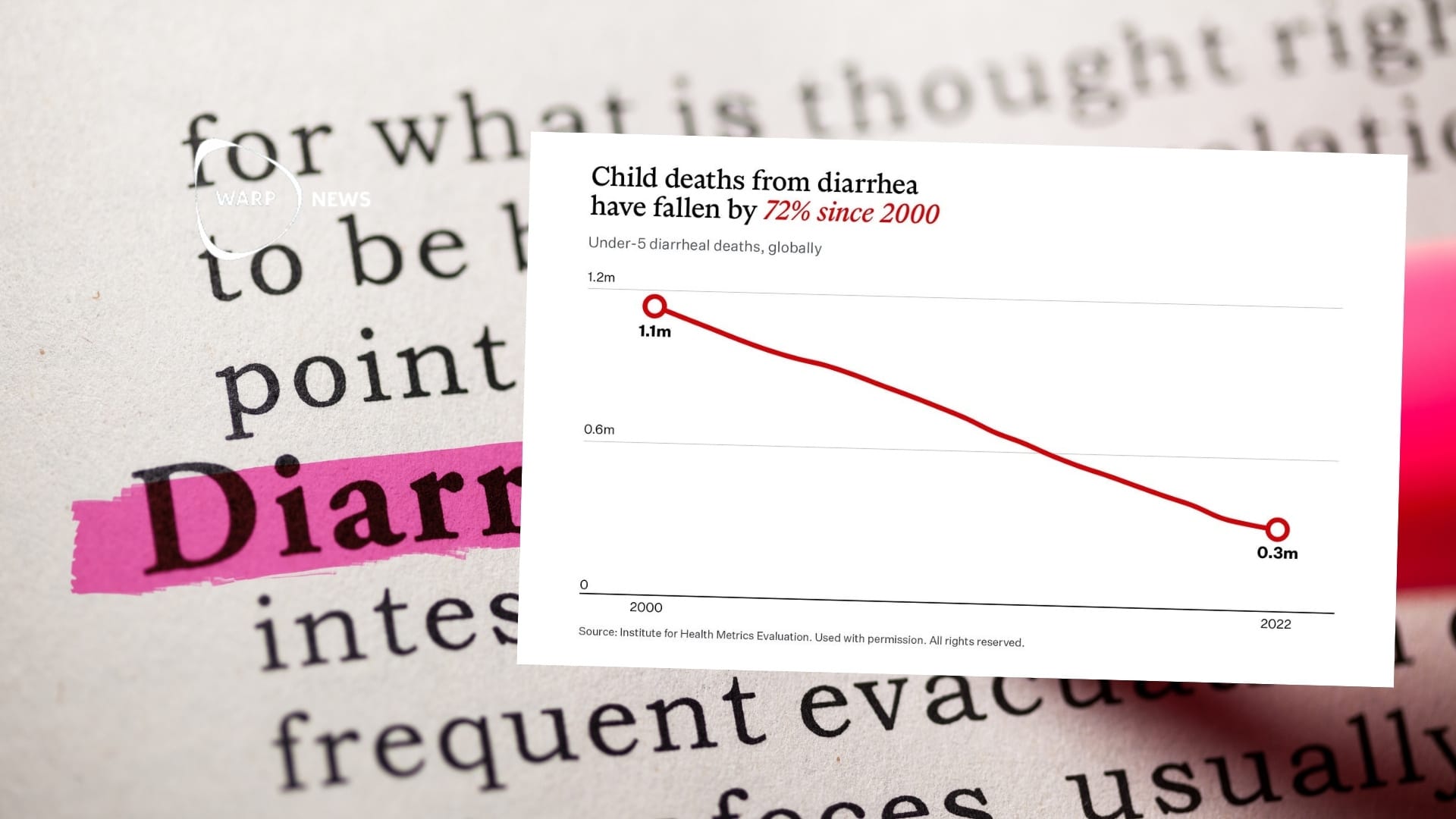
📉 Diarrhea-related deaths among children reduced by 72 percent in 25 years
Deaths from diarrhea among children under five have dropped from 3.1 million annually in 1997 to 340,000 today. Rotavirus vaccines that cost $200 per dose in the 2000s now cost about one dollar. Since 1990, 2.6 billion people have gained access to safe drinking water.

🚾 Solar energy can recover ammonia from wastewater and reduce climate emissions
Researchers have developed a cheap method for recovering ammonia from wastewater using solar energy. The system can both purify wastewater and provide farmers with cheaper fertilizer. The economic analysis shows that the system can pay for itself in 3.5 years.

🔋 AI creates new battery materials that could revolutionize energy storage
The AI models identified five new porous transition metal oxide structures with large open channels ideal for ion transport. The technique combines two AI tools that together can explore thousands of crystal structures significantly faster than traditional laboratory experiments.

🍔 American kids and teenagers eat less fast food
Children and teenagers between 2 and 19 years old consumed 11.4 percent of their daily calories from fast food in 2023. This is a decrease from nearly 14 percent during 2013 and 2014 according to CDC data.

🩺 AI system diagnoses patients four times better than experienced doctors
The AI tool correctly diagnosed 85.5 percent of cases compared to doctors' 20 percent. The system ordered fewer scans and tests to reach the correct diagnosis than human doctors.

🏭 Air pollutant emissions decrease significantly within the EU
All air pollutants had lower emissions in 2023 than in 2005, according to new report. Sulfur emissions decreased the most of all pollutants, down 95 percent since 1990 and by 14 percent since last year.
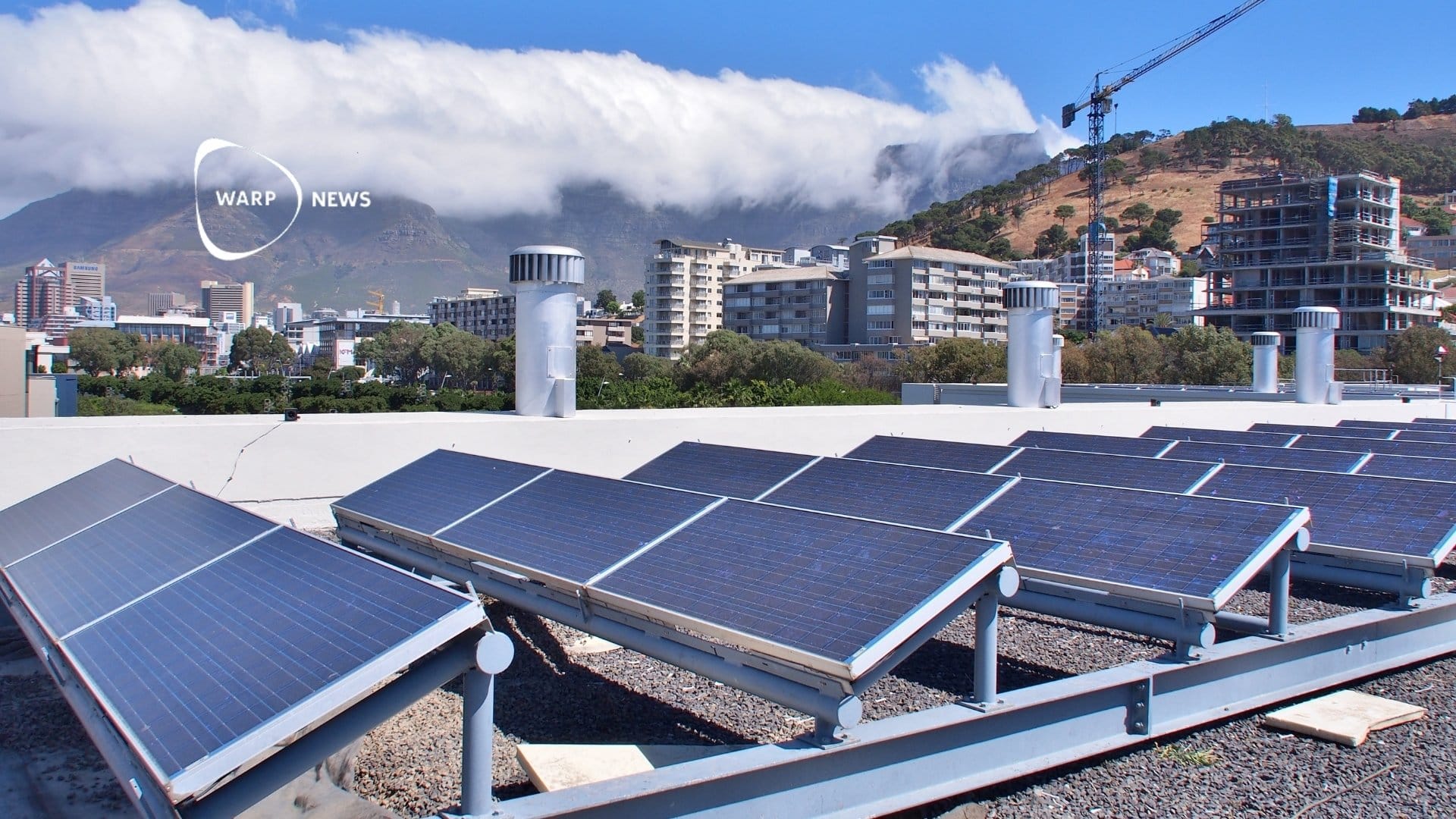
⚡ 310 million people have gained access to electricity since 2015 – totally 92% of the world's population
310 million people have gained access to electricity since 2015, meaning that 92 percent of the world's population now has basic access to electricity. The greatest growth in access between 2020 and 2023 occurred in Central and South Asia.
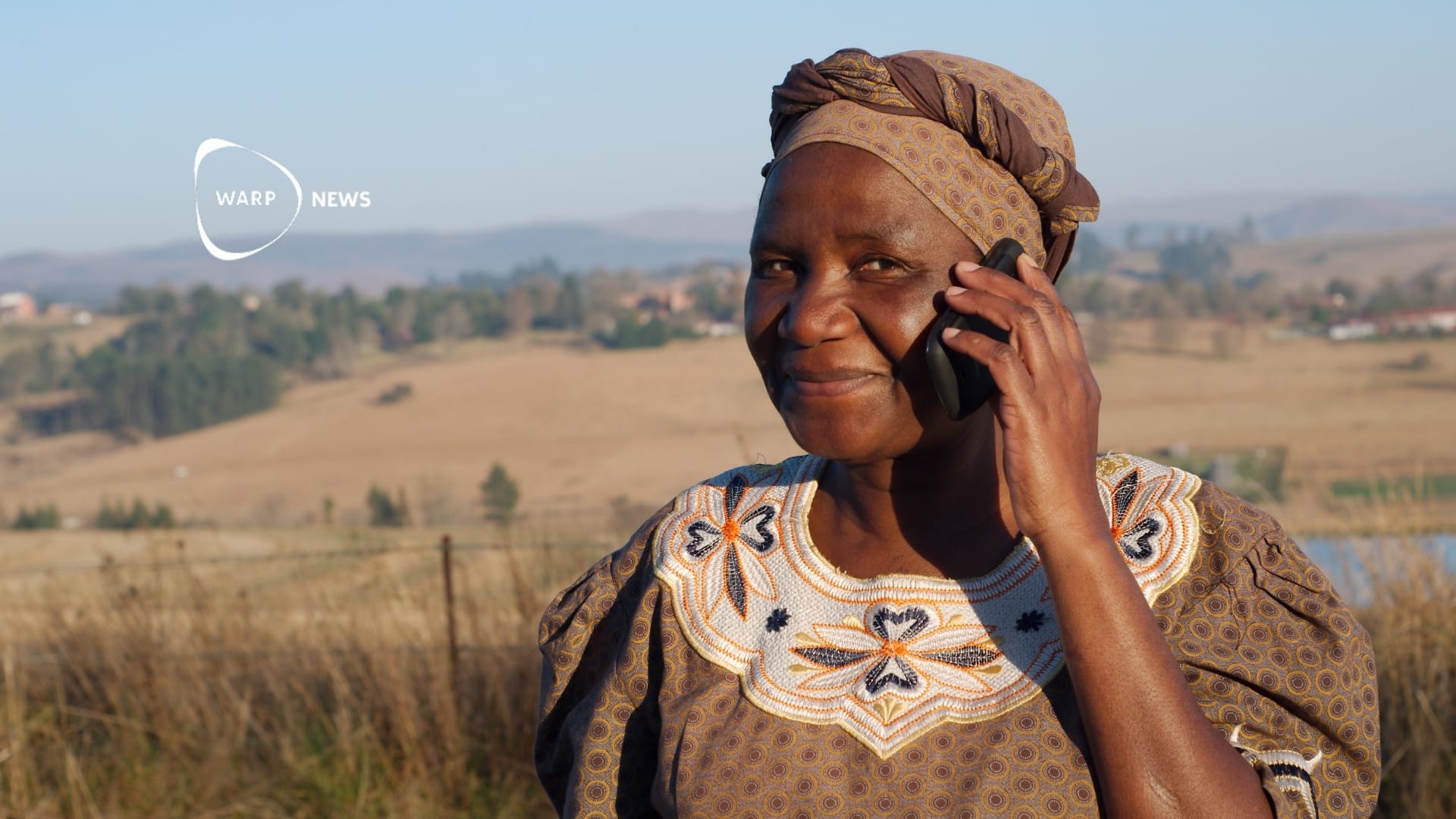
📲 Mobile payments increase dramatically in Africa and contribute to economic empowerment
Mobile payments have grown from 13 million accounts in 2010 to over 640 million accounts in 2023. In Sub-Saharan Africa, the share of people with mobile money accounts has increased from 12 percent in 2014 to 33 percent in 2021.

🐅 Thailand's tiger population has increased fivefold in 15 years
The tiger population in Thailand's Western Forest Complex has increased from approximately 40 individuals in 2007 to between 179 and 223 last year. WWF calls the increase extraordinary. Major tiger population recoveries have also been noted in India and Nepal.