

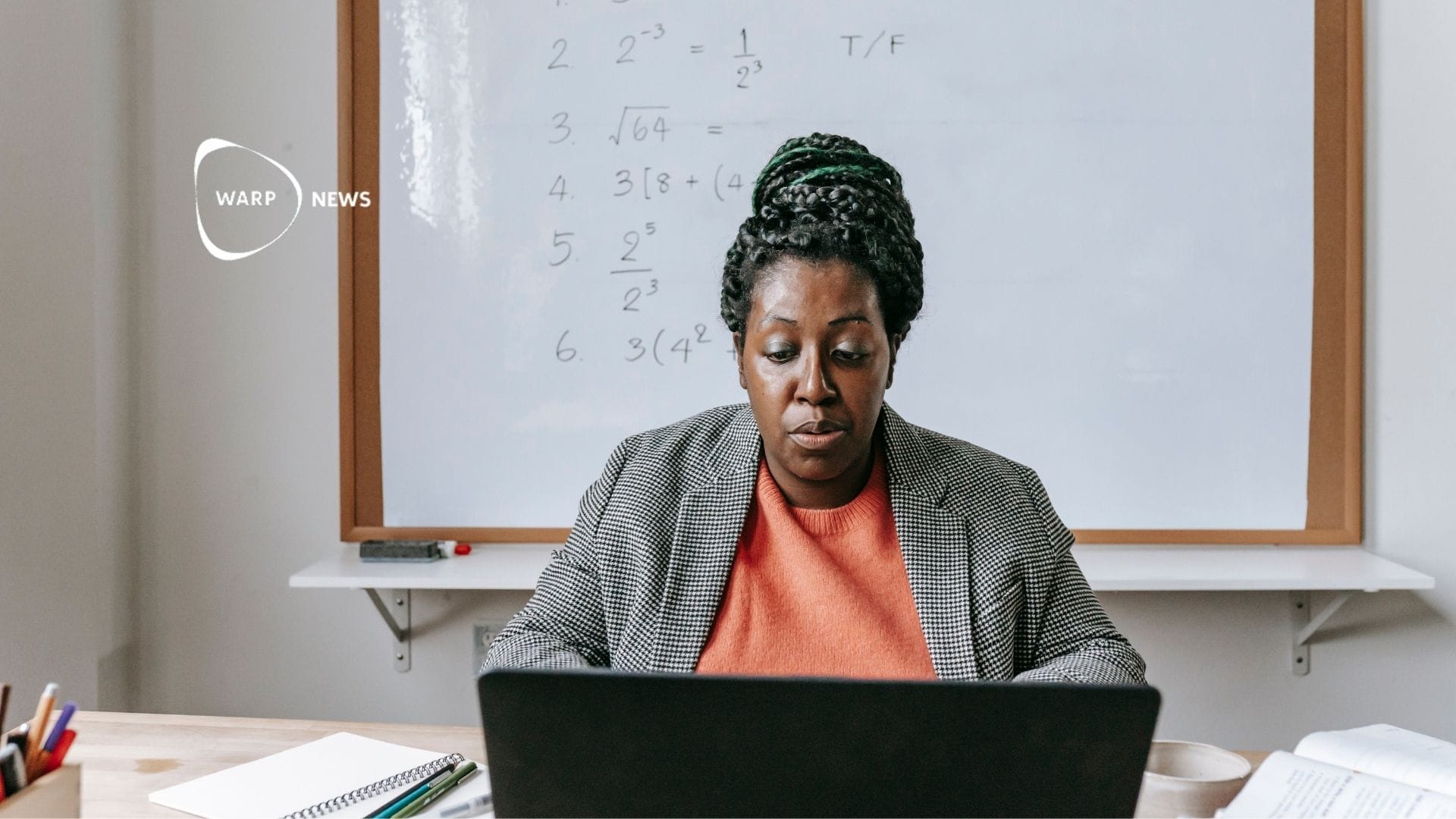
👩🏫 AI tools give teachers six weeks of extra time per year
Teachers who use AI weekly save 5.9 hours per week, equivalent to six weeks per school year. Most teachers who use AI tools say the tools improve the quality of their classroom work.
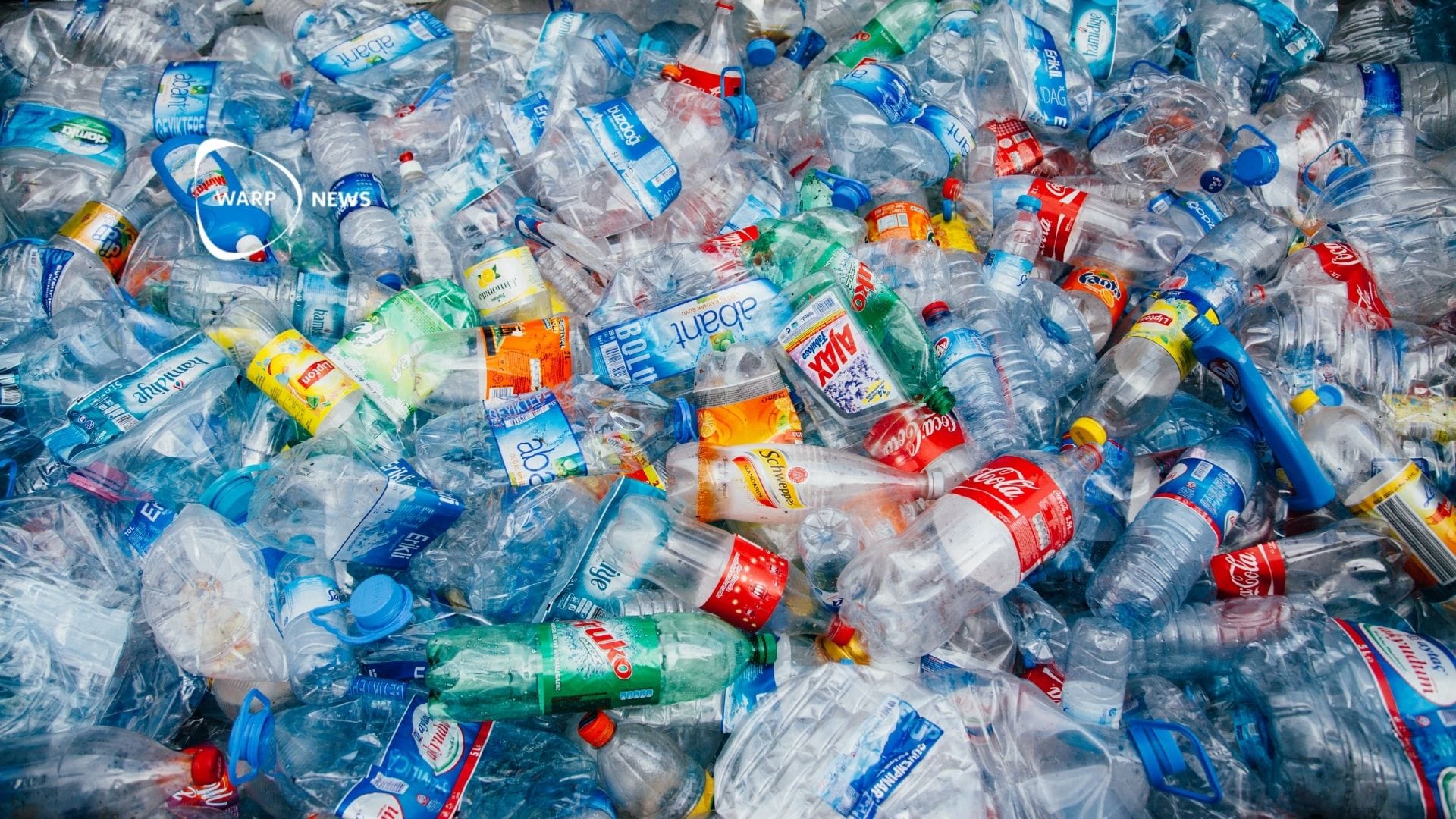
💊 Scientists use bacteria to turn plastic waste into paracetamol
Researchers have discovered that bacteria can convert plastic waste into paracetamol using genetically modified E. coli. The process works with material from plastic bottles and can produce paracetamol with up to 92 percent yield in under 24 hours.
🚭 Drug deaths plummet among young Americans
Fatal overdoses among 20- to 29-year-olds decreased by 47 percent. The number of fatal overdoses among people under 35 years fell from over 31,000 in 2021 to approximately 16,690 in 2024.
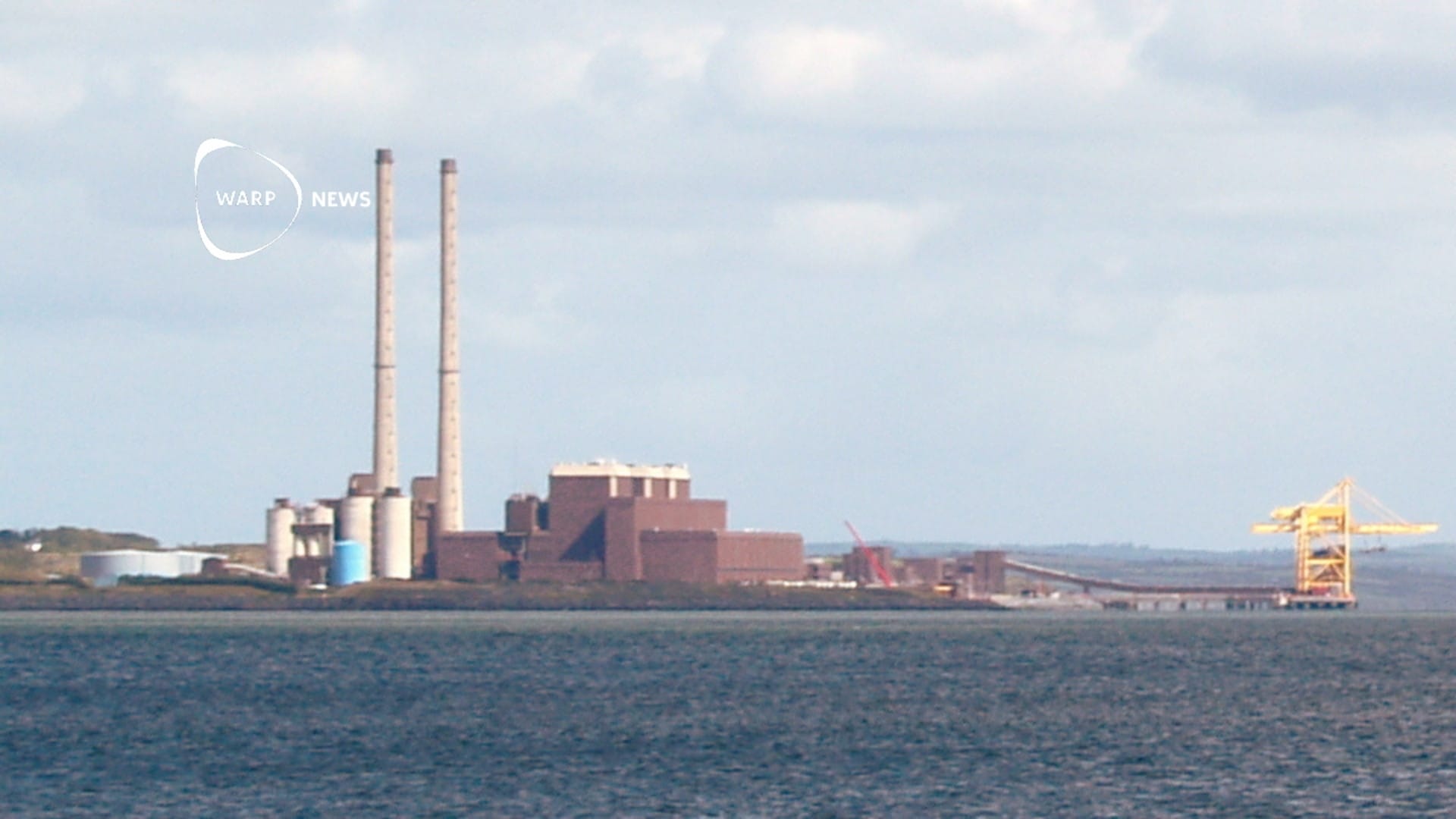
🏭 Ireland shuts down its last coal power plant – becomes the 15th coal-free country in Europe
Ireland became the 15th coal-free country in Europe when the Moneypoint power plant was shut down on June 20. The country now generates 37 percent of its electricity from wind power according to energy think tank Ember.
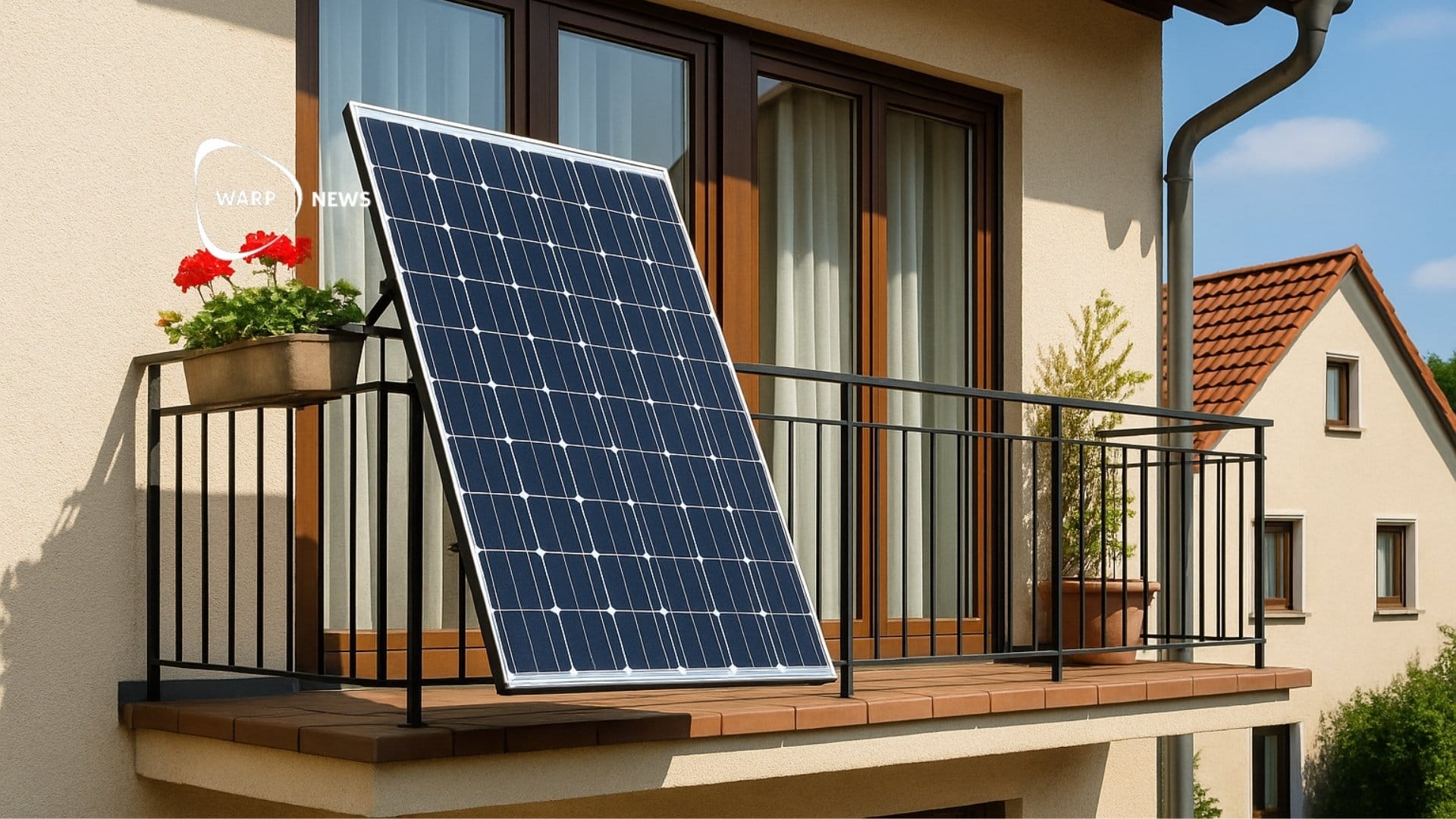
☀️ Now over one million balcony solar installations in Germany
Germany now has over one million balcony solar installations in operation producing environmentally friendly energy. The installations together deliver almost 1 gigawatt of power, equivalent to 956 megawatts.

🧬 DeepMind's new AI identifies the gene variants most likely to cause disease
AlphaGenome can predict how individual DNA changes affect gene expression and protein production across the entire human genome. The tool outperformed 22 of 24 other computer models in identifying specific features in DNA sequences.

🧠 Younger generations have lower risk of dementia at a given age than earlier generations
People born later have less risk of developing dementia at the same age compared to earlier generations. The trend is clearer among women, especially in Europe and England.

🚰 Desalination plants to produce fresh water on ocean floor
Three companies are developing technology to desalinate seawater in deep water, which can reduce energy consumption by up to 40 percent. The first large-scale facility will start producing 1 million liters of water per day in Norway in 2026.
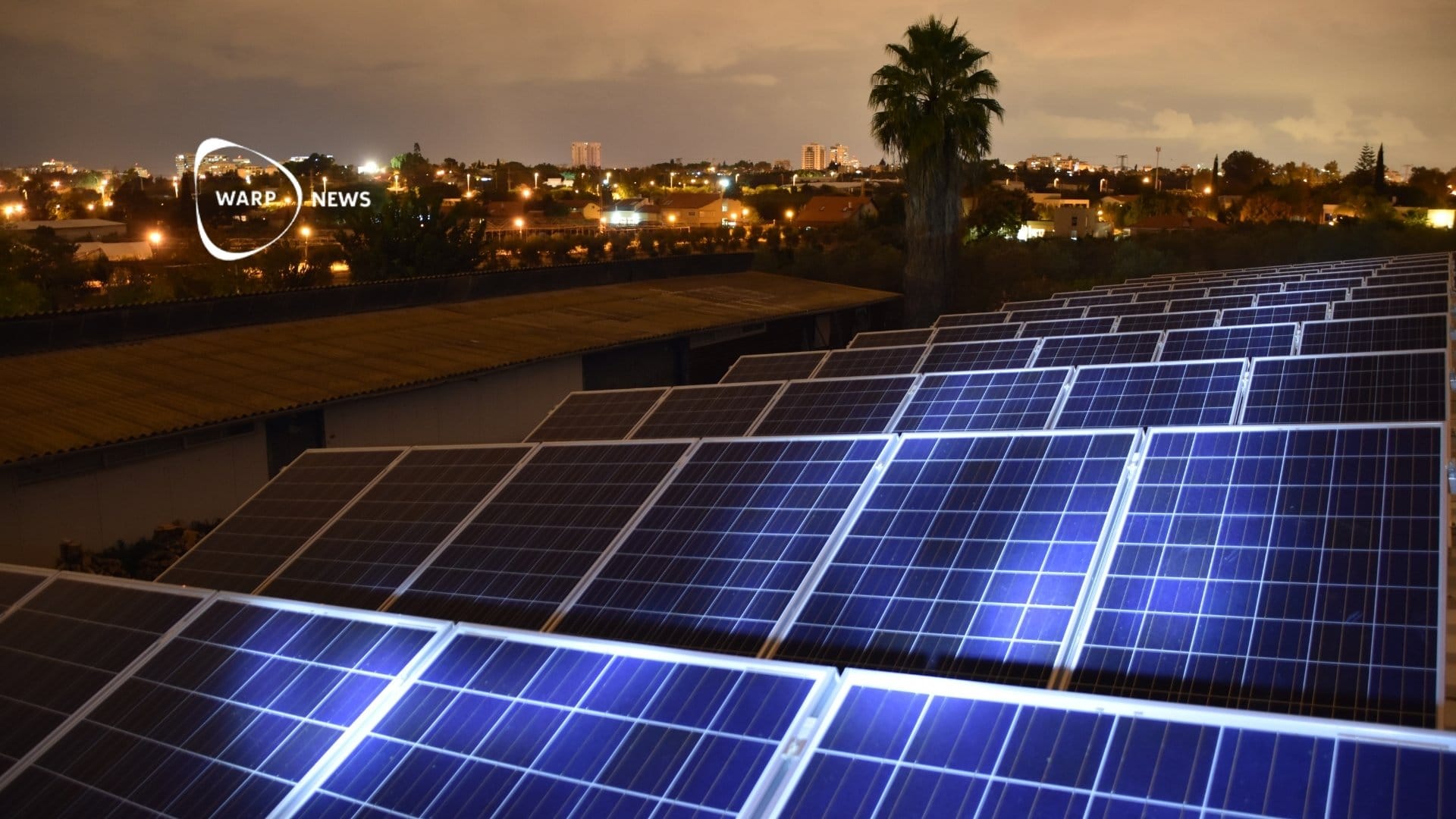
☀️ Solar energy with batteries now delivers electricity around the clock in several countries
17 kWh battery storage is enough to convert 5 kW solar panels into constant 1 kW clean electricity around the clock. Sunny cities like Las Vegas can reach 97 percent of the way to constant solar electricity every hour throughout the year.