

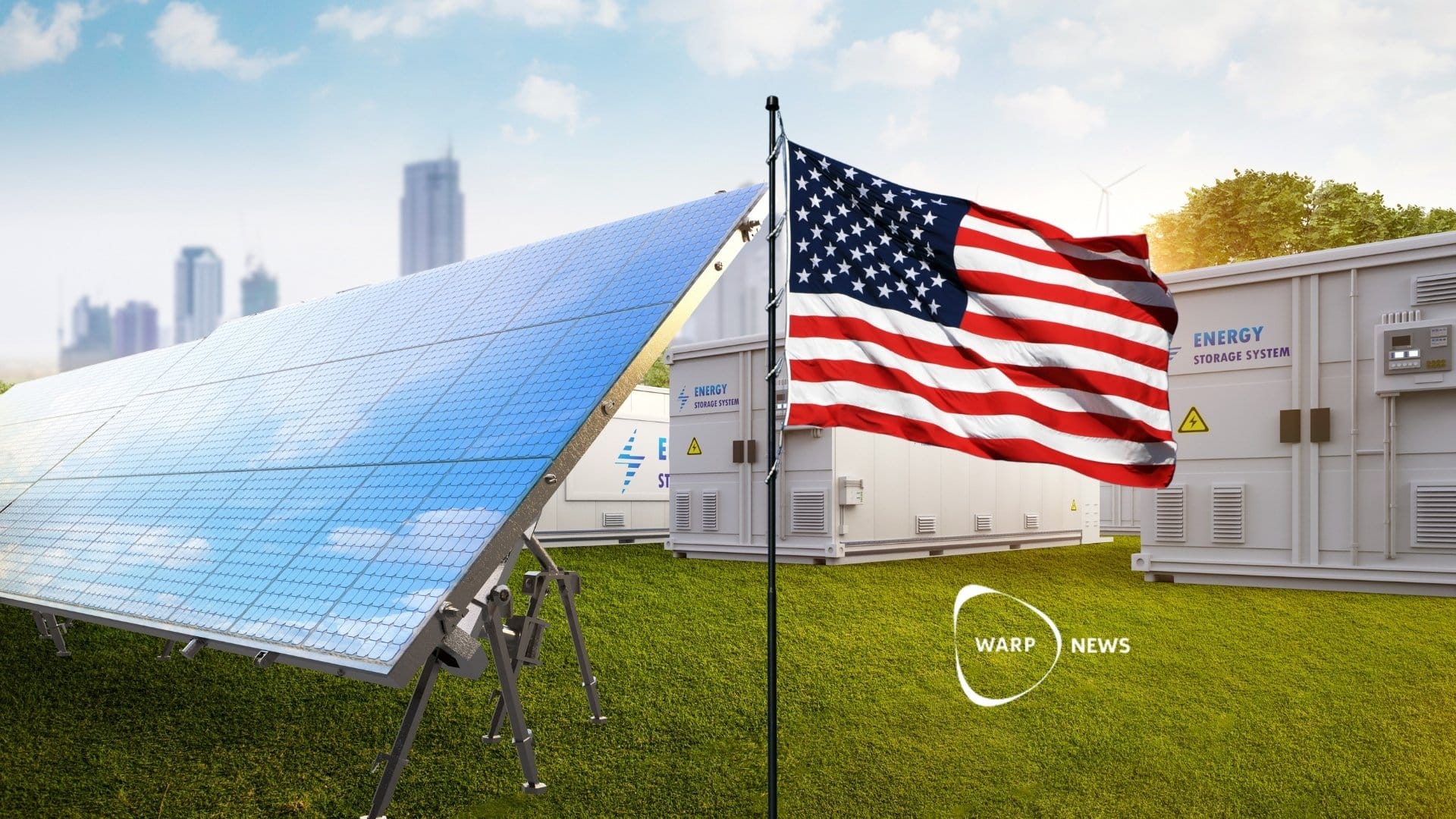
🔋 Solar panels and batteries dominate new power generation in the US in 2025
Solar energy and battery storage will account for 81 percent of the total capacity increase, with solar energy representing over 50 percent. While renewable energy grows, coal power continues to decrease. The US will decommission twice as much coal power capacity this year compared to last year.

🦠 AI solved research puzzle about resistant bacteria in two days, which had taken researchers ten years
Researchers got help from Google's AI tool "co-scientist" to solve a complex problem about antibiotic resistance in just two days. The tool also provided additional hypotheses that researchers are now investigating, demonstrating its potential in scientific research.
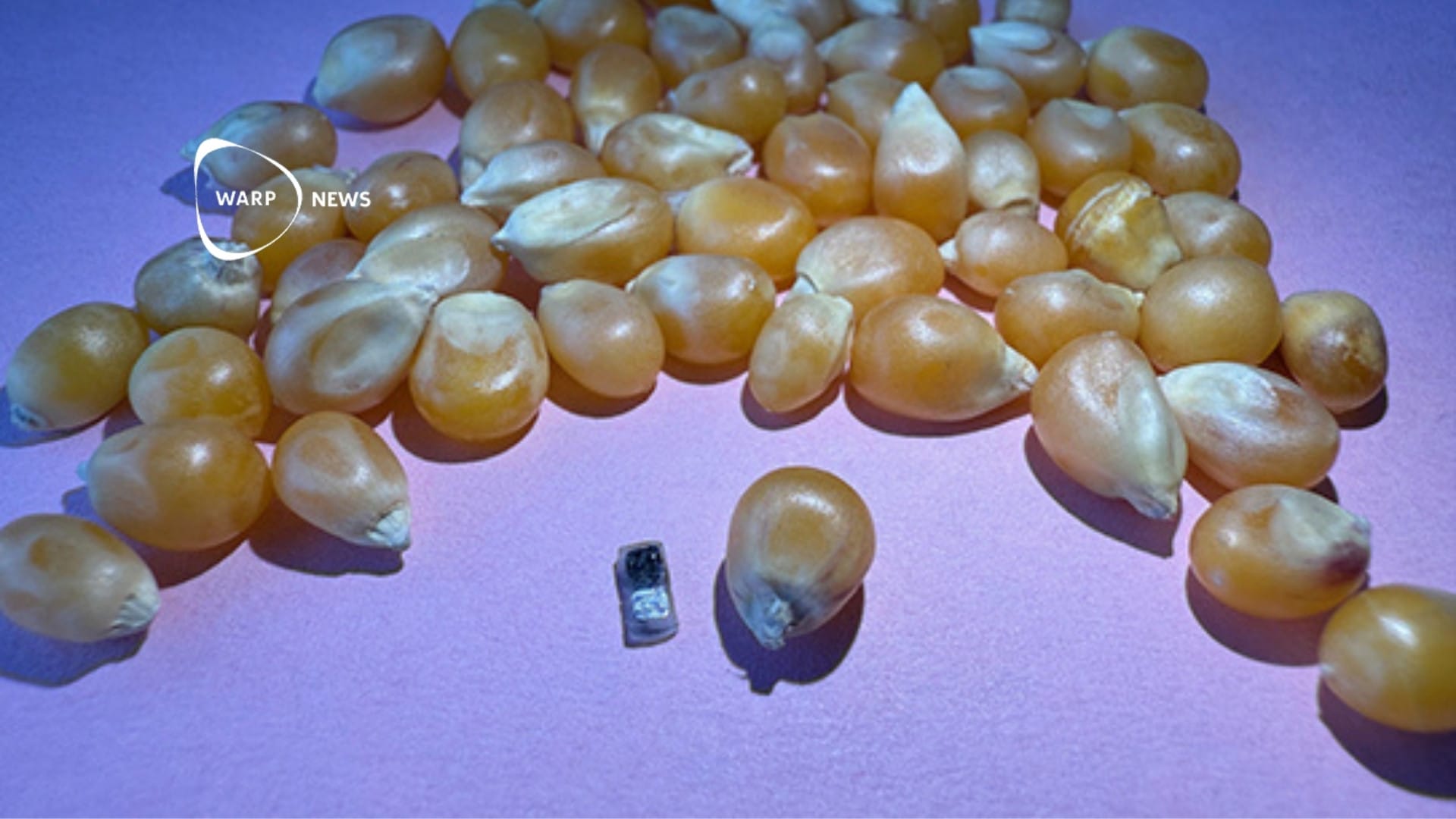
💉 A pacemaker so tiny it can be injected with a syringe
The new pacemaker dissolves itself in the body when no longer needed, eliminating the need for additional operations. The technology is particularly suitable for newborn babies with congenital heart defects, who often only need temporary pacing after heart surgeries.
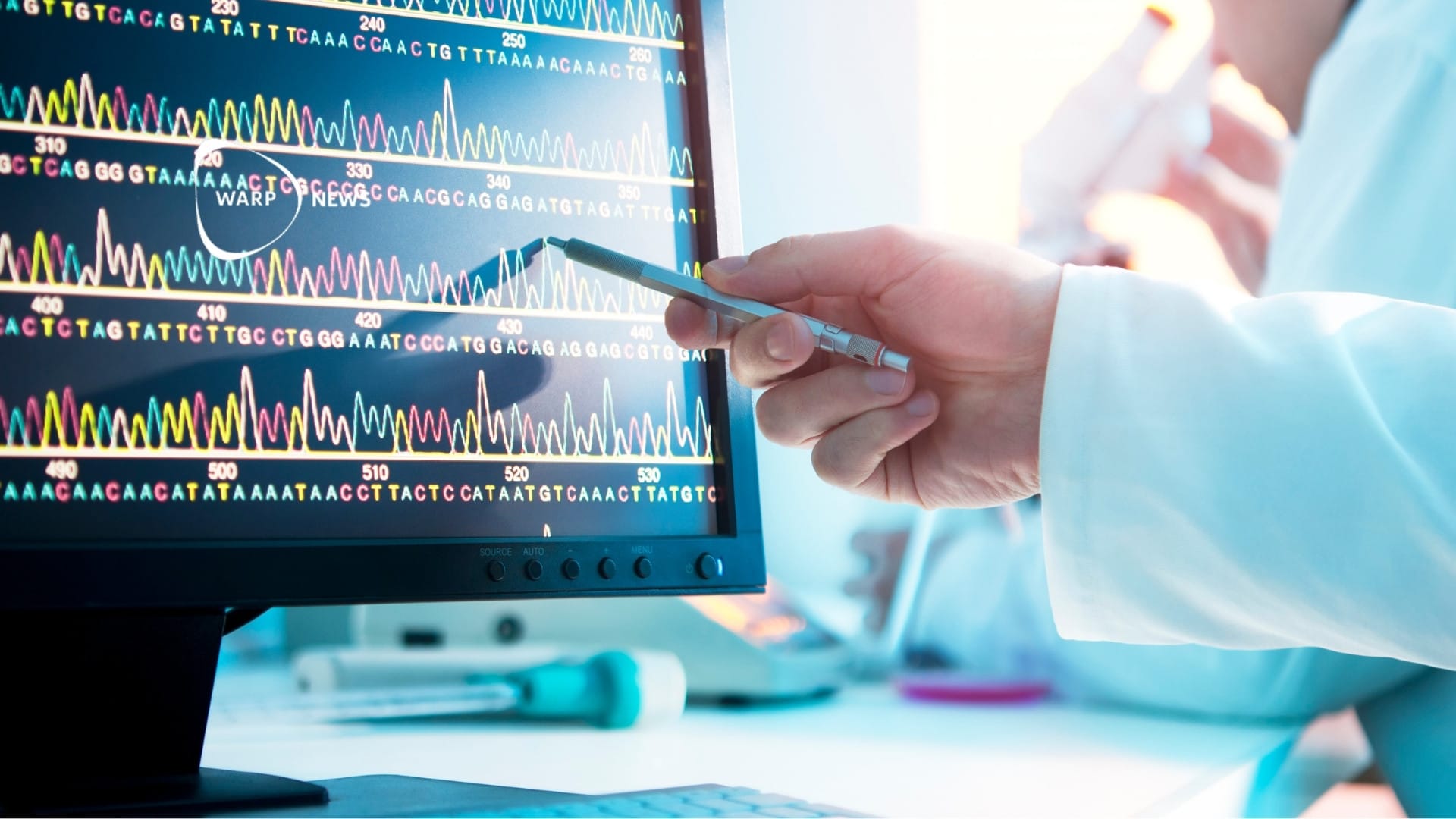
🧬 New AI tool can predict protein form and function in minutes instead of years
Evo 2 has been trained on nearly 9 trillion nucleotides from about 15,000 eukaryotes (plants and animals) as well as prokaryotes (bacteria and archaea). The tool can generate new genetic sequences that may be useful in biomedicine and biotechnological applications.
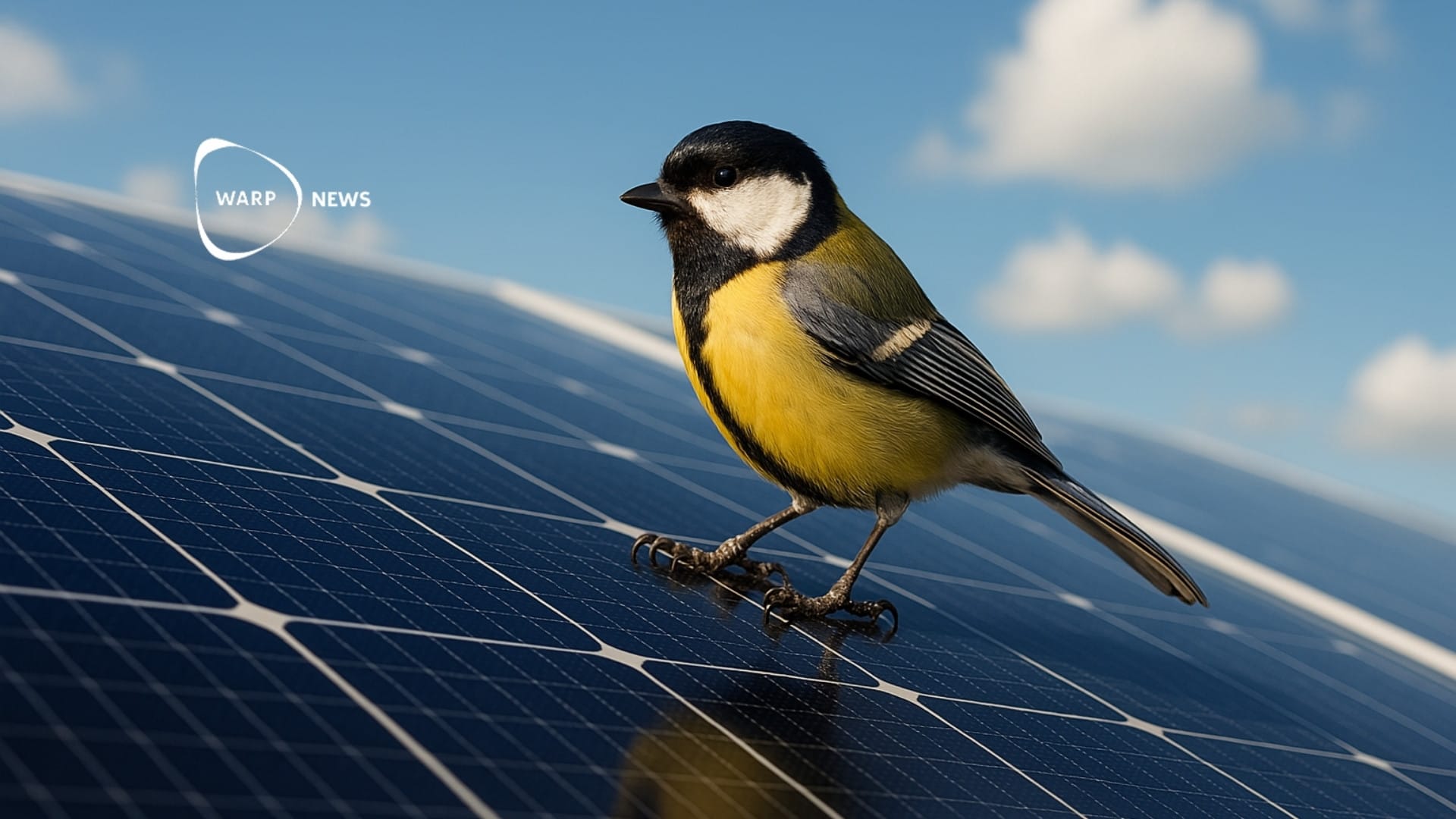
🐦 Solar farms benefit bird life more than agricultural land
Well-managed solar parks have been shown to host more bird species and individuals per hectare than surrounding farmland. Solar parks that maintain a mix of habitats, uncut grass, and preserved hedges had almost three times more birds compared to nearby farmland.
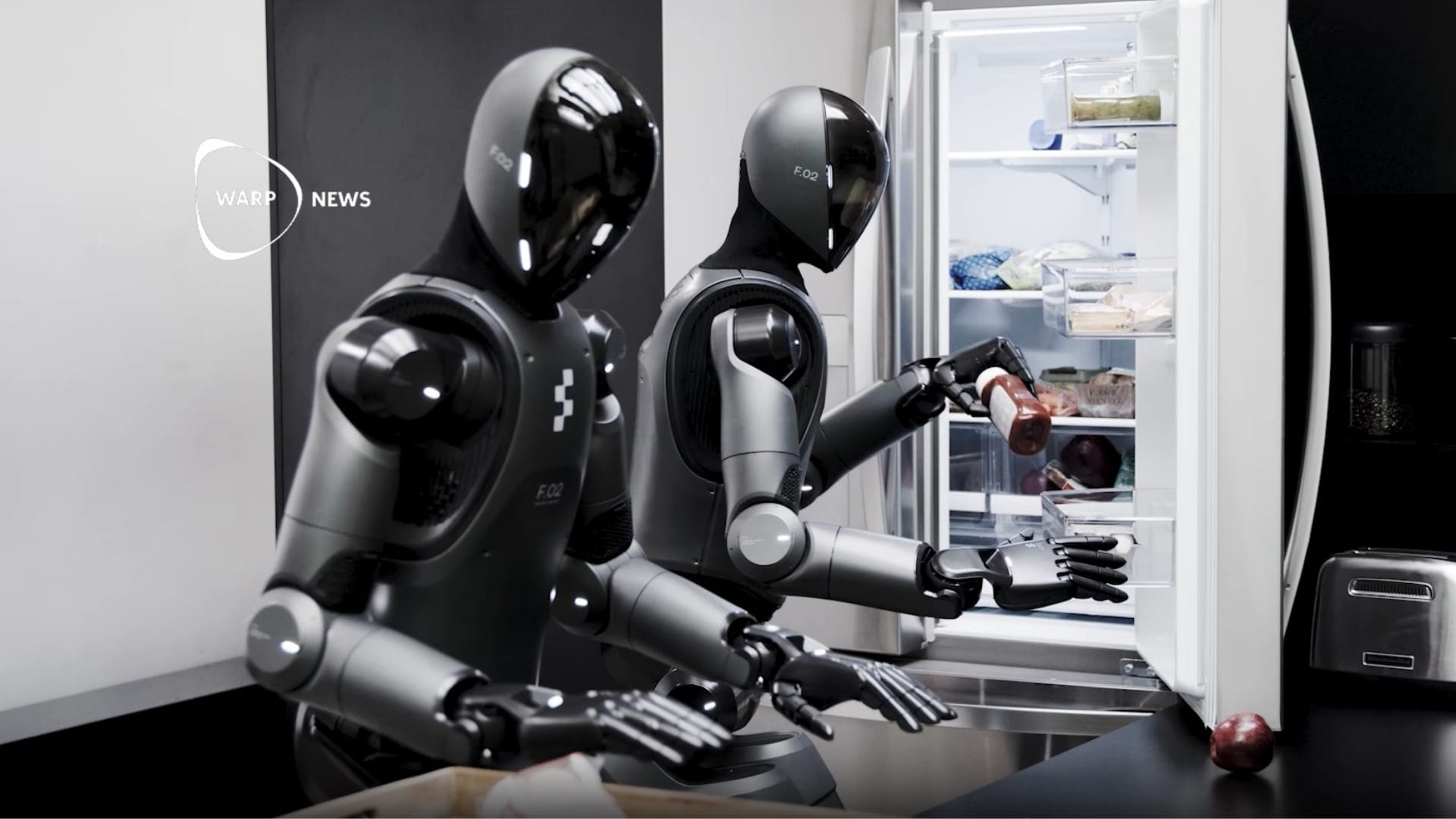
🦿 New robot model can handle unfamiliar objects with natural language
Figure robots equipped with Helix can pick up almost any small household object by following natural language commands. Helix can successfully handle thousands of new items in cluttered environments without any prior demonstrations or custom programming.

🧠 New technology enables almost real-time speech from brain signals
The technology can help people with severe paralysis communicate in a more natural way. The system works with different types of brain interfaces and can generate sound within 1 second after the person attempts to speak.

⚡ Wind power is big in Texas – expected to double during 2025
Together with solar power, wind power accounted for a record share of 29.8 percent of total electricity production in Texas during 2024. Texas is the largest wind power producer in the USA.

🐻 Wild predators make successful comeback in Europe
The Iberian lynx, which 25 years ago had fewer than 100 individuals left, has now recovered and its status has changed from "critically endangered" to "vulnerable." Brown bears have increased by 17% to 20,500, Eurasian lynx by 12% to 9,400, and wolverines by 16% to 1,300 since 2016.