

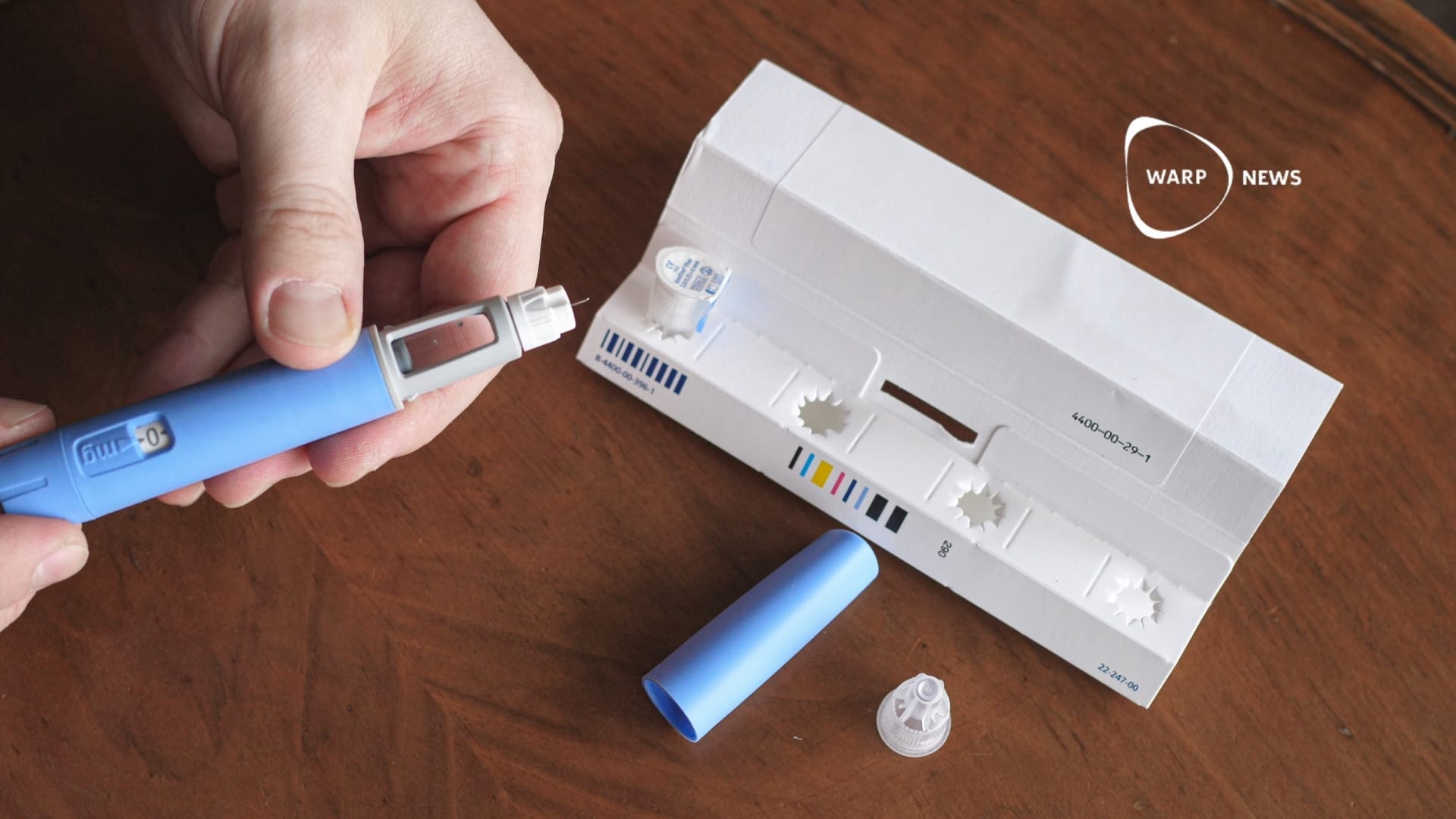
👴 Ozempic shown to reverse biological aging
A study showed that Ozempic treatment for 32 weeks reduced biological age by an average of 3.1 years.
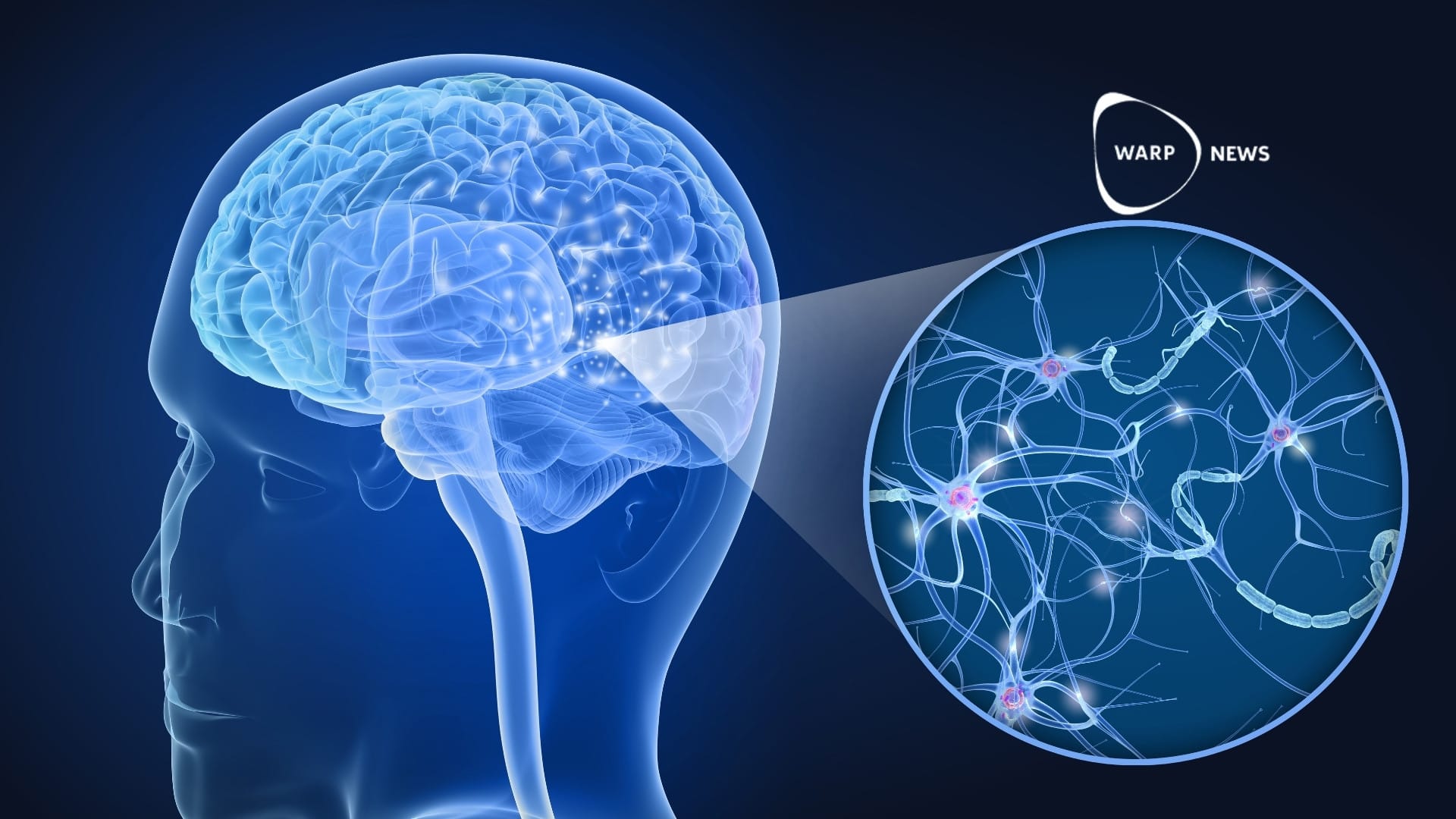
🧠 New technology to analyze thousands of cells simultaneously - could transform treatment of brain diseases
The technology can identify early warning signals for Alzheimer's before symptoms appear, when treatments have a better chance of working.

📊 Heat pumps outsold gas boilers in Germany for the first time
139,000 heat pumps were sold during the first half of 2025, compared to 132,500 gas boilers according to industry data.
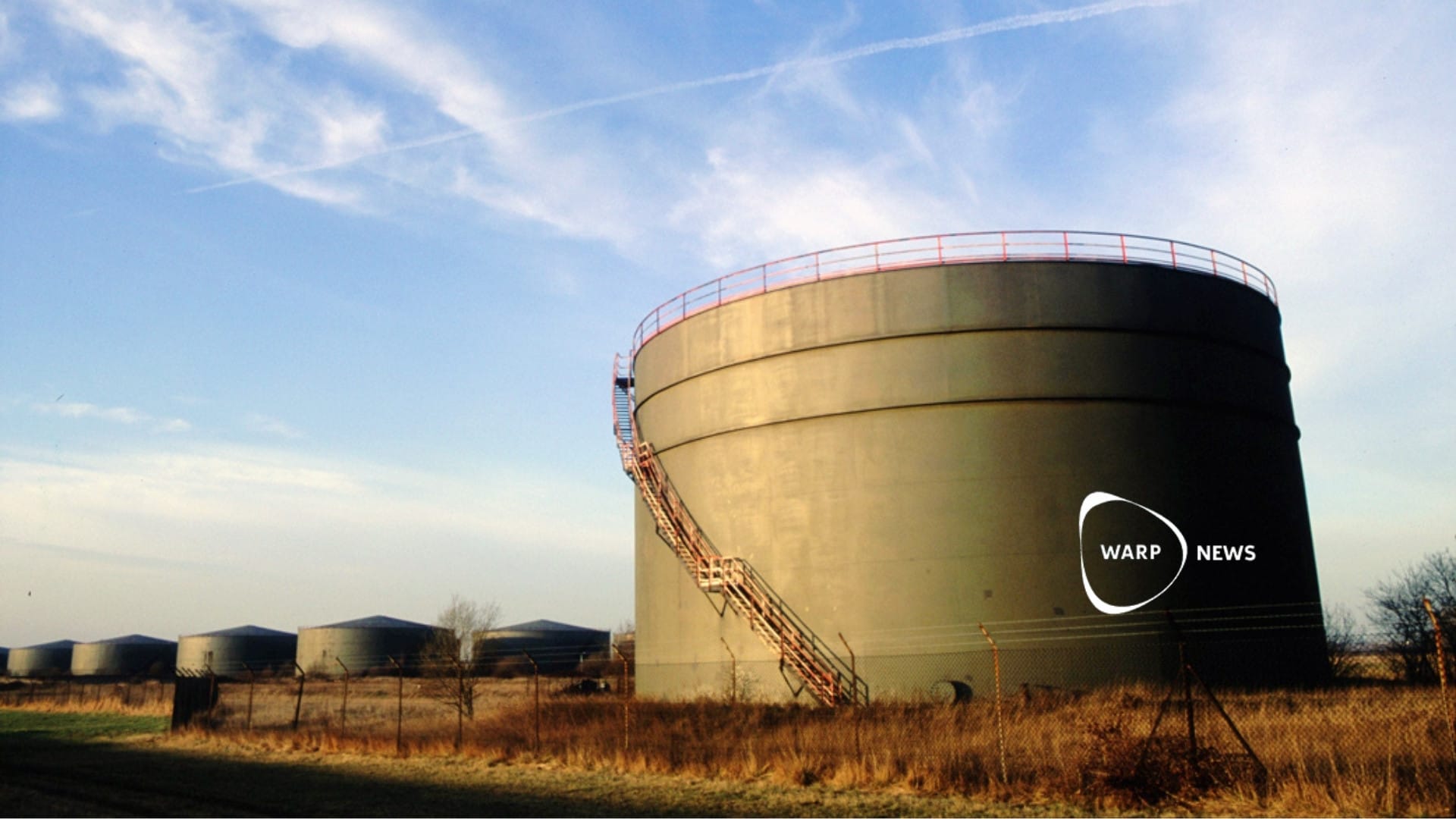
🛢️ Abandoned oil refinery becomes home to 3,200 species
The site hosts almost 12 percent rare, threatened or near-threatened species out of 3,200 documented species in total.

🐆 Endangered Amur leopard population increases to 130 individuals
Researchers' monitoring with over 200 camera traps shows the population is spreading across borders.
🚨 American cities report sharp decline in violent crime
Over 400 American cities report a 34 percent decrease in murders since the peak in September 2021.

📡 Longest ultra-secure quantum communication link between continents
Researchers established a 12,900-kilometer quantum communication link between Beijing and Stellenbosch University via satellite, which uses the laws of physics to make eavesdropping impossible.
⚕️ AI develops two new antibiotics against drug-resistant gonorrhoea and MRSA
AI analyzed 36 million chemical structures and created molecules atom by atom and killed the superbugs in laboratory tests and animal trials.

🚰 Nearly one billion people have gained access to clean water in the past nine years
Access to clean drinking water at home has increased from 3.8 to 5.5 billion people over 22 years and by 961 million in the past nine years.