


⚡ Wind power is big in Texas – expected to double during 2025
Together with solar power, wind power accounted for a record share of 29.8 percent of total electricity production in Texas during 2024. Texas is the largest wind power producer in the USA.
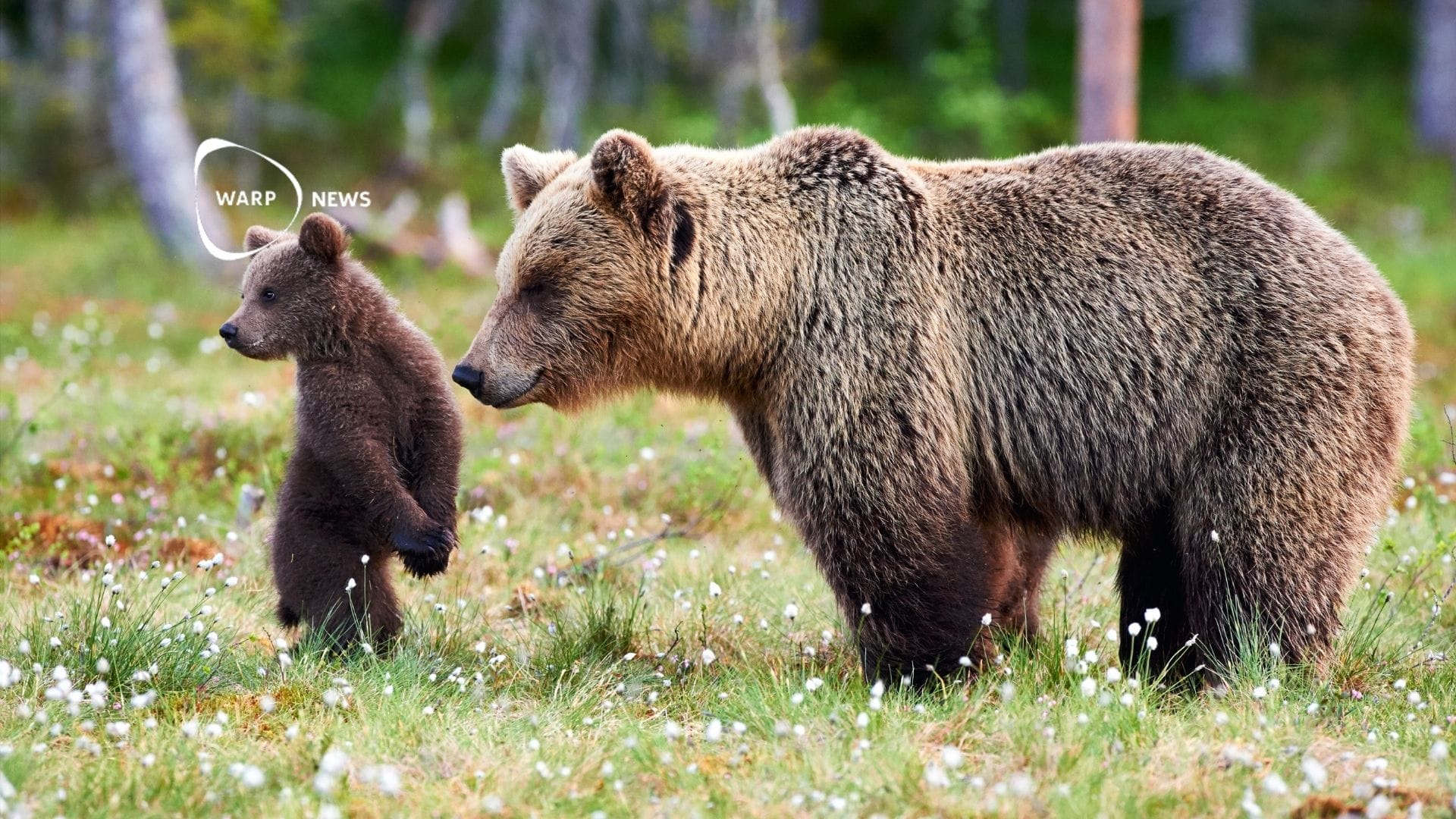
🐻 Wild predators make successful comeback in Europe
The Iberian lynx, which 25 years ago had fewer than 100 individuals left, has now recovered and its status has changed from "critically endangered" to "vulnerable." Brown bears have increased by 17% to 20,500, Eurasian lynx by 12% to 9,400, and wolverines by 16% to 1,300 since 2016.

💒 Decrease in child marriages in Malaysia
The number of child marriages in Malaysia has decreased by 37 percent between 2019 and 2023. The government is implementing a national strategic program to address the causes of child marriage.

🤰 Several new obesity drugs on the way
Studies show that combination treatments of new drugs can lead to weight reductions of up to 24 percent. Over 100 new drug candidates against obesity are under development, including medications that preserve muscle mass during weight loss.

🥶 Fewer people dying from cold worldwide – global progress in combating hypothermia
The number of cold-related deaths globally has decreased significantly since 1990, showing progress in protecting vulnerable populations. Effective preventive measures such as heating assistance, better insulation, and community programs save lives during cold periods.

🔬 AI improves protein sequencing for medicine, environment, and archaeology
New AI technology has identified 42 percent more peptides than previous methods in complex protein samples. Researchers are now using AI protein sequencing to identify unknown proteins in both medical samples and archaeological findings.
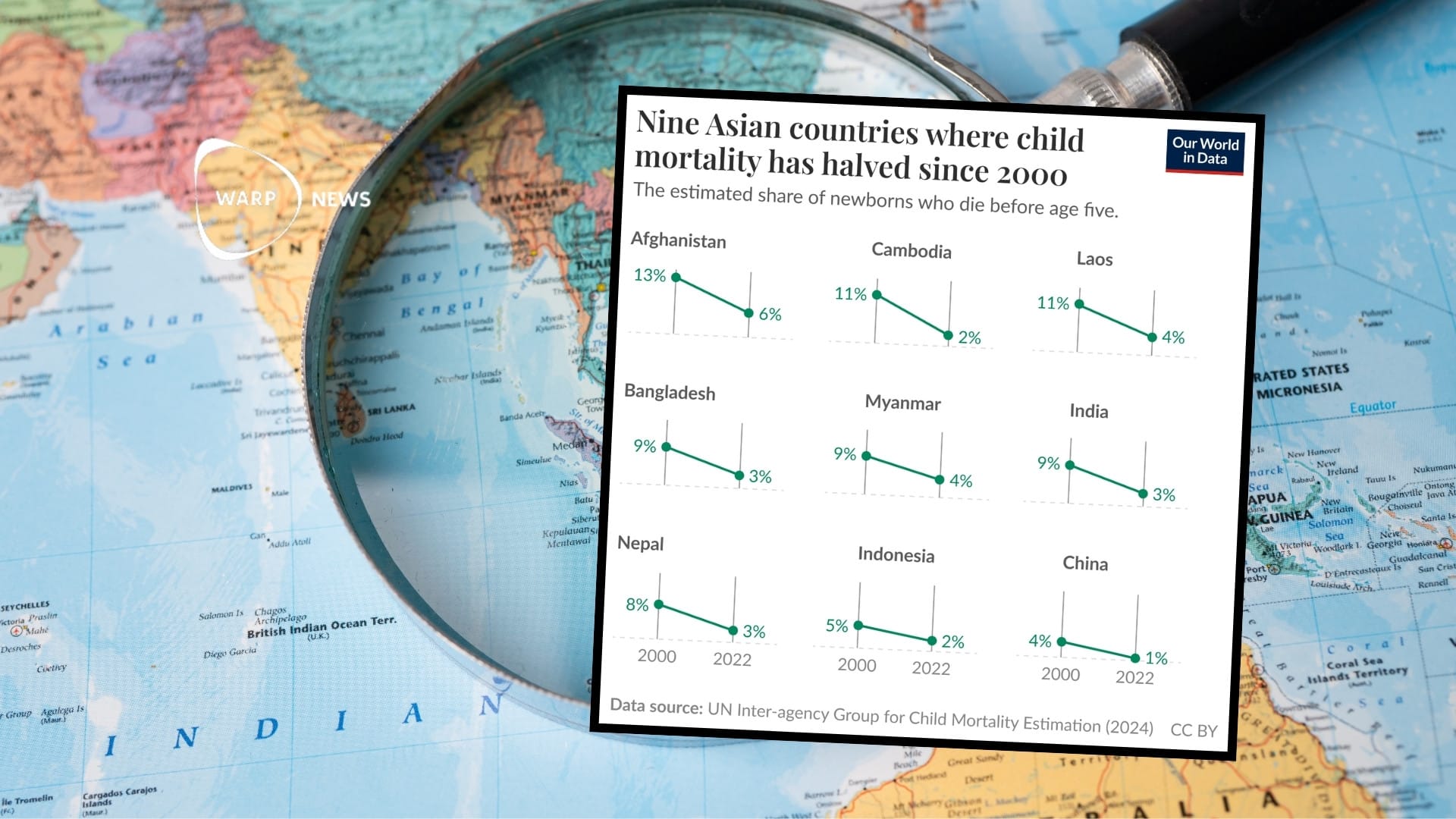
🧒 Child mortality halved in these nine Asian countries
Afghanistan shows the largest decline from 13 percent to 6 percent, while China now has the lowest level at only 1 percent. Improvements in nutrition, clean water, sanitation, vaccinations, and poverty reduction have contributed to this positive development.
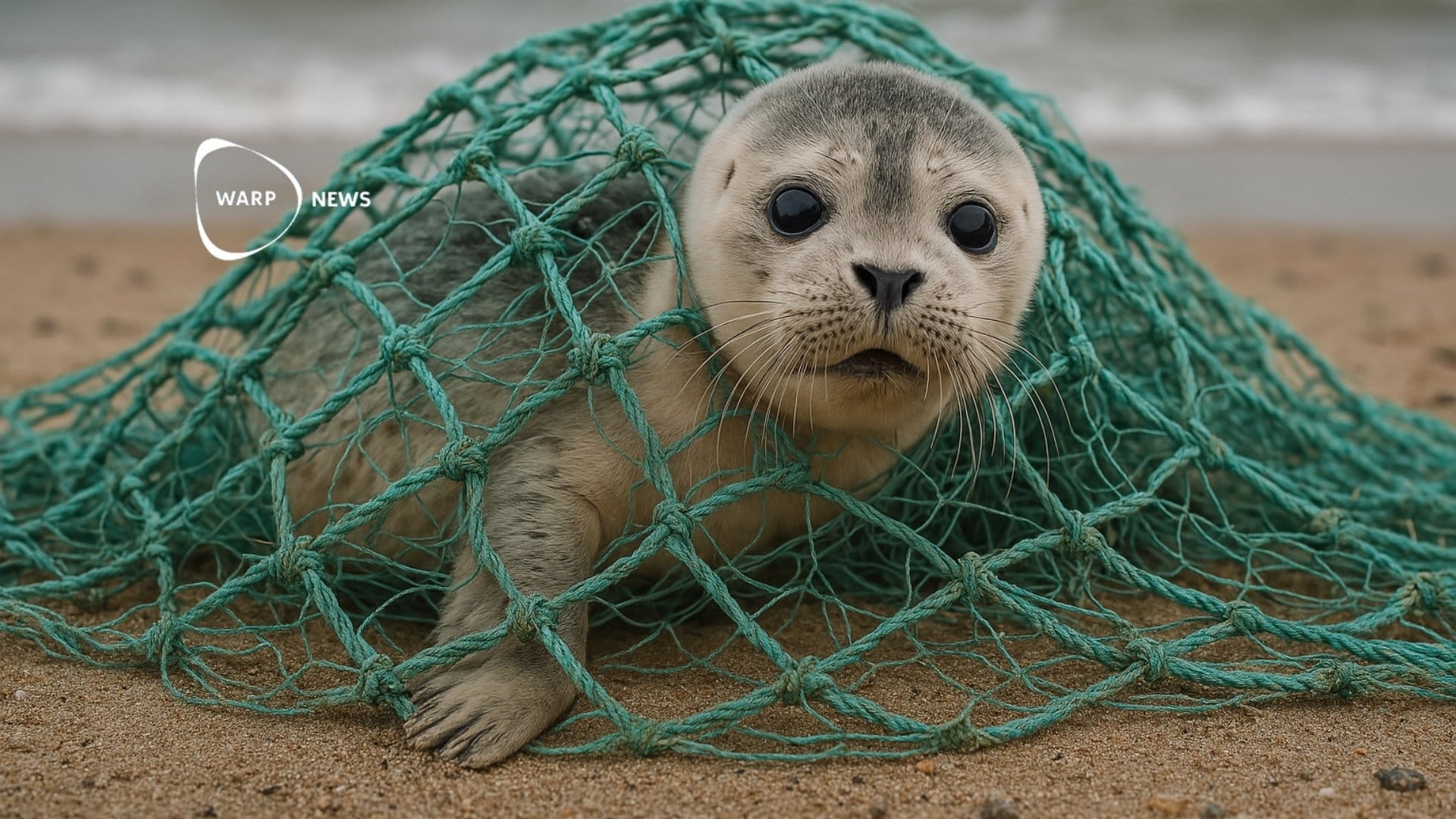
🐟 AI finds ghost nets – lost fishing nets in the oceans
The AI-supported technology analyzes sonar images with 90 percent accuracy to mark locations where ghost nets are likely found. WWF Germany has manually sifted through images captured by a side-scan sonar and recovered a total of 26 tons of nets from the Baltic Sea.

📉 Iraqi poverty decreases
The poverty level in Iraq has decreased from 21.5 percent in 2022 to 17.6 percent in 2024. The Iraqi government's economic support measures are cited as the main reason for the improvement.