


🖥️ AI usage has less environmental impact than claimed
A ChatGPT query uses only 3 watt-hours of energy, equivalent to watching TV for 3 minutes or uploading 30 pictures to social media. Water consumption for AI is low—data centers use only 500 ml of water per 300 queries, while producing a single hamburger requires over 600 gallons of water.

🍹 New study shows that Ozempic reduces alcohol consumption
Patients who received semaglutide reduced their alcohol consumption by 30 percent, compared to 2 percent for the placebo group. Nearly 40 percent of participants who received semaglutide had no heavy drinking days during the second month of the study.
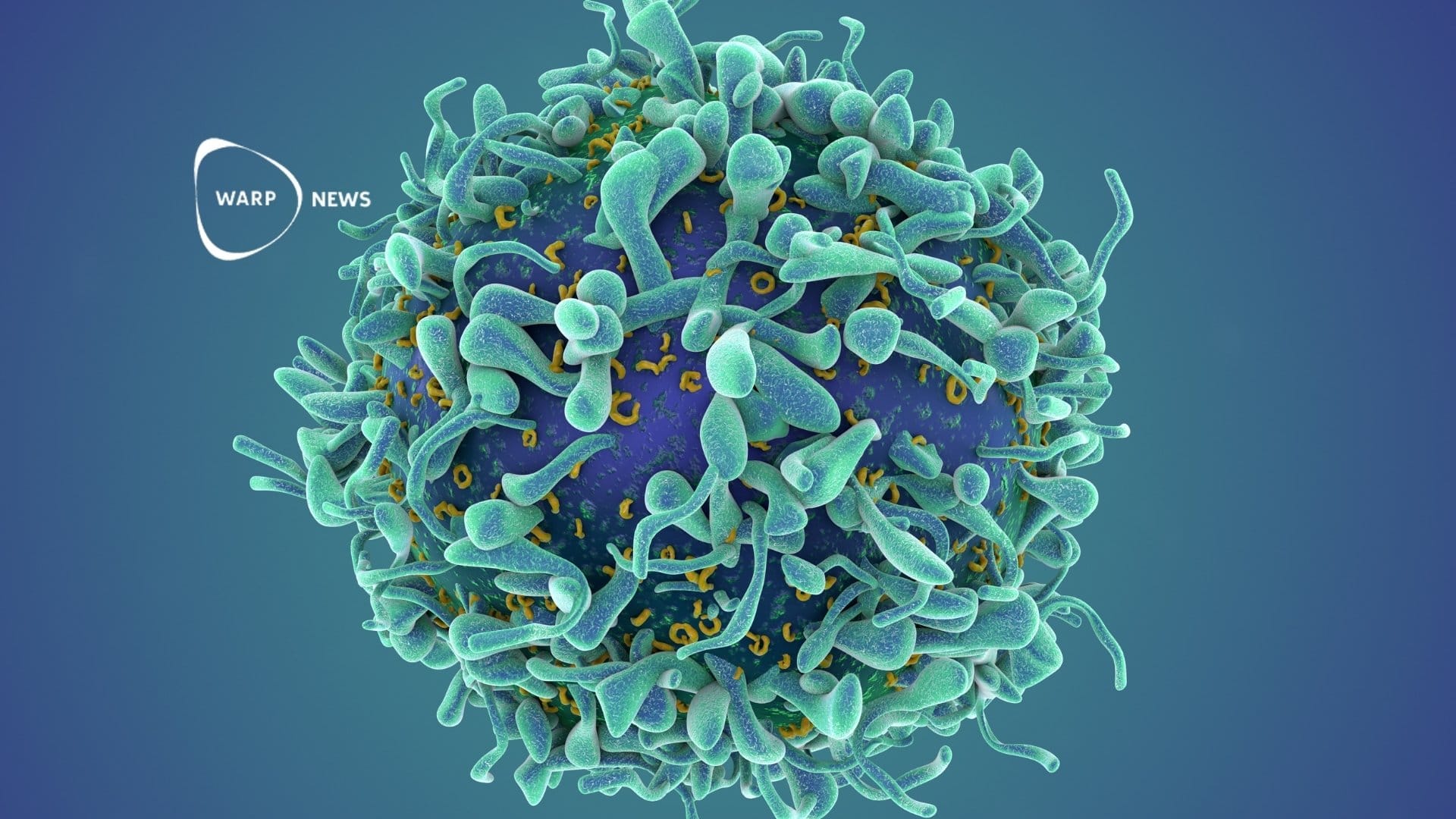
🦠 Researchers gain free access to 100 million cancer cells to accelerate drug development
The dataset maps 60,000 drug-cell interactions across 50 cancer cell lines, enabling faster and more accurate development of new cancer drugs. Researchers can now for the first time study both natural cell states and how cells respond to 1,200 different drug treatments.
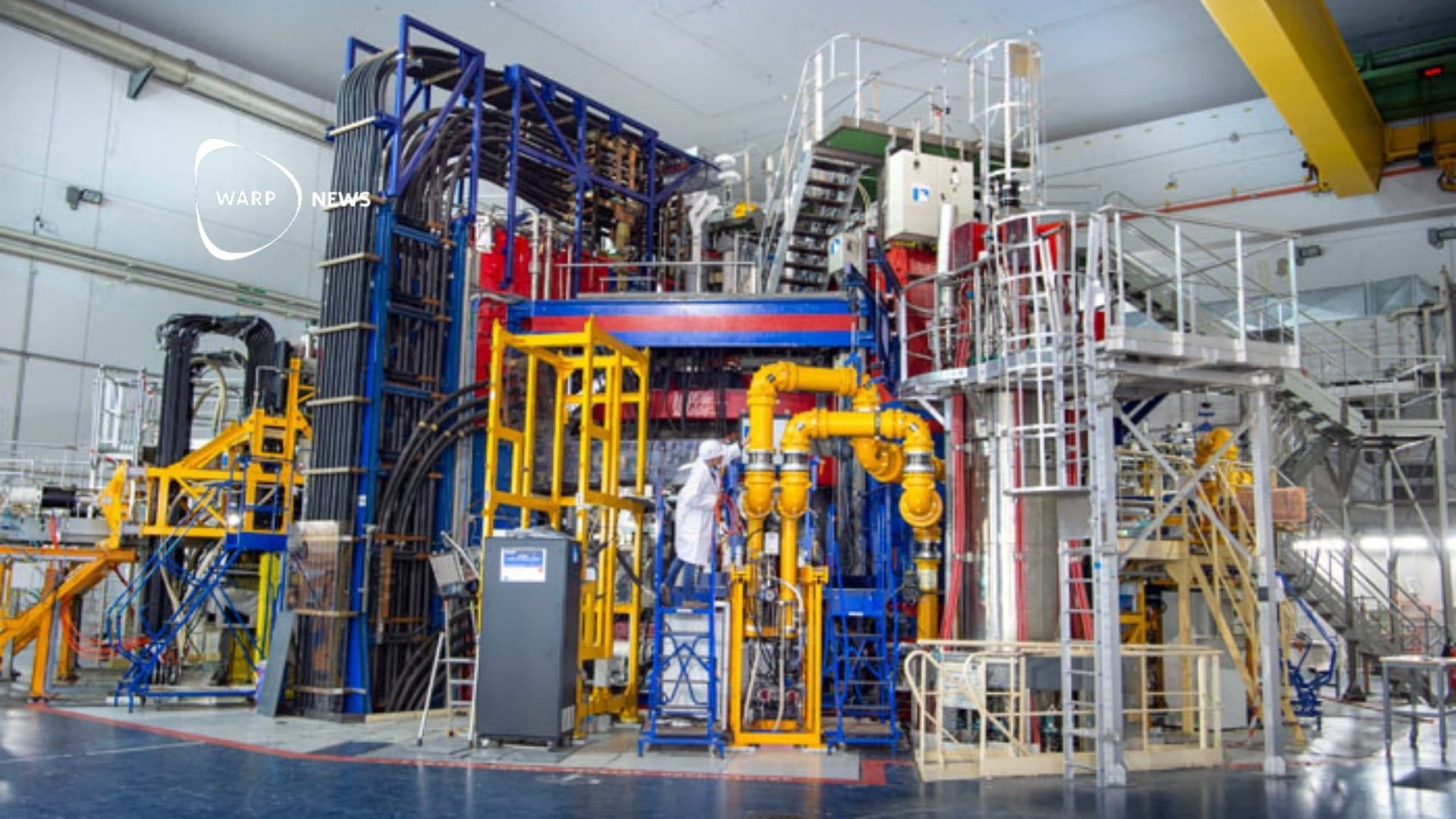
🏆 French fusion facility breaks world record for longest plasma duration
CEA's machine maintained plasma for over 22 minutes, meaning they kept the extremely hot, charged gas stable using magnetic fields This was 25 percent longer than the previous record. The plasma needs to be stable for several minutes to generate fusion energy.
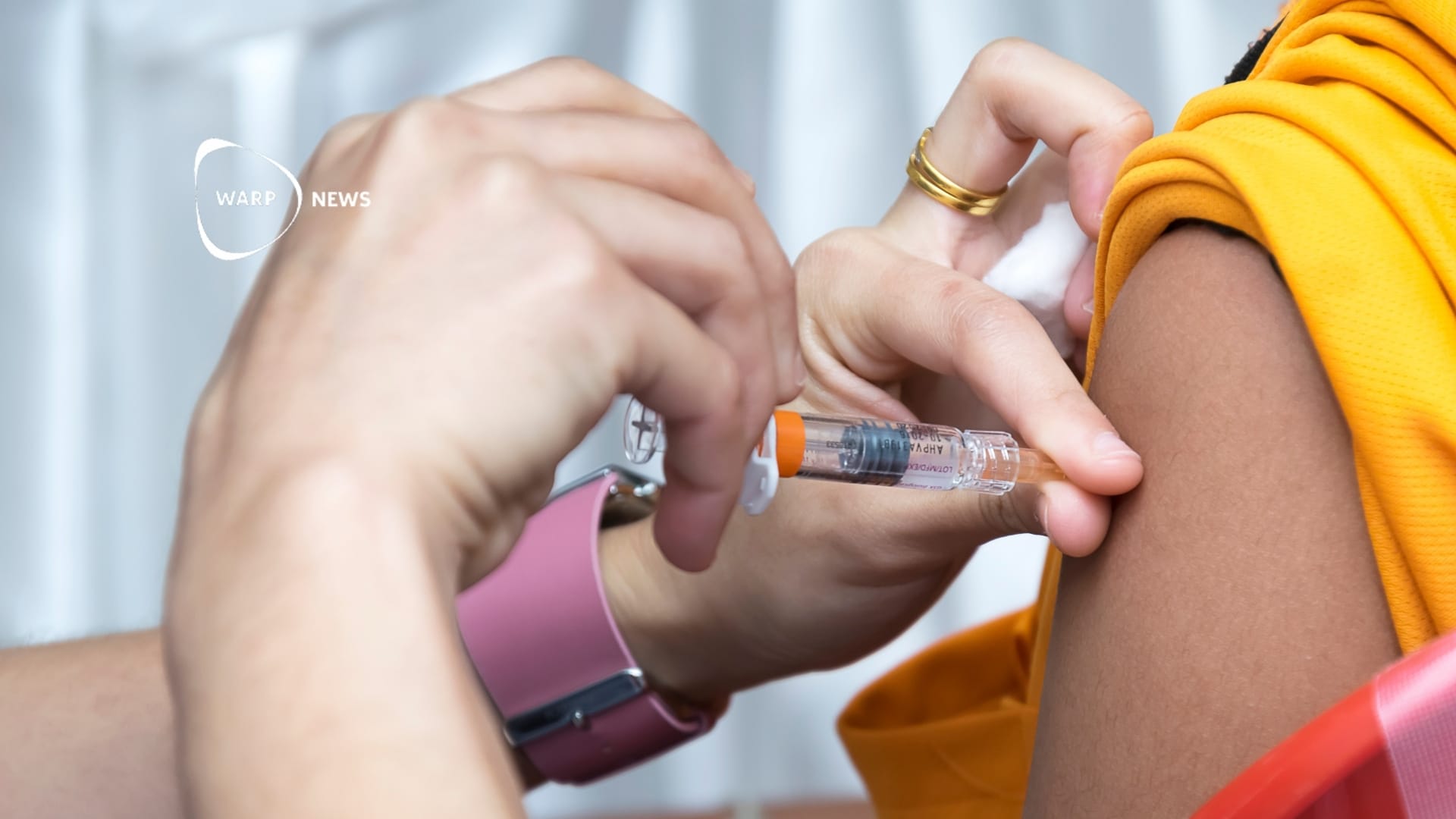
👩⚕️ New cancer vaccine shows promising results against pancreatic cancer
Patients who received a personalized cancer vaccine and developed an immune response lived longer without relapse. The T-cells created by the vaccine remained in the body for about 3 years and continued to fight cancer cells.
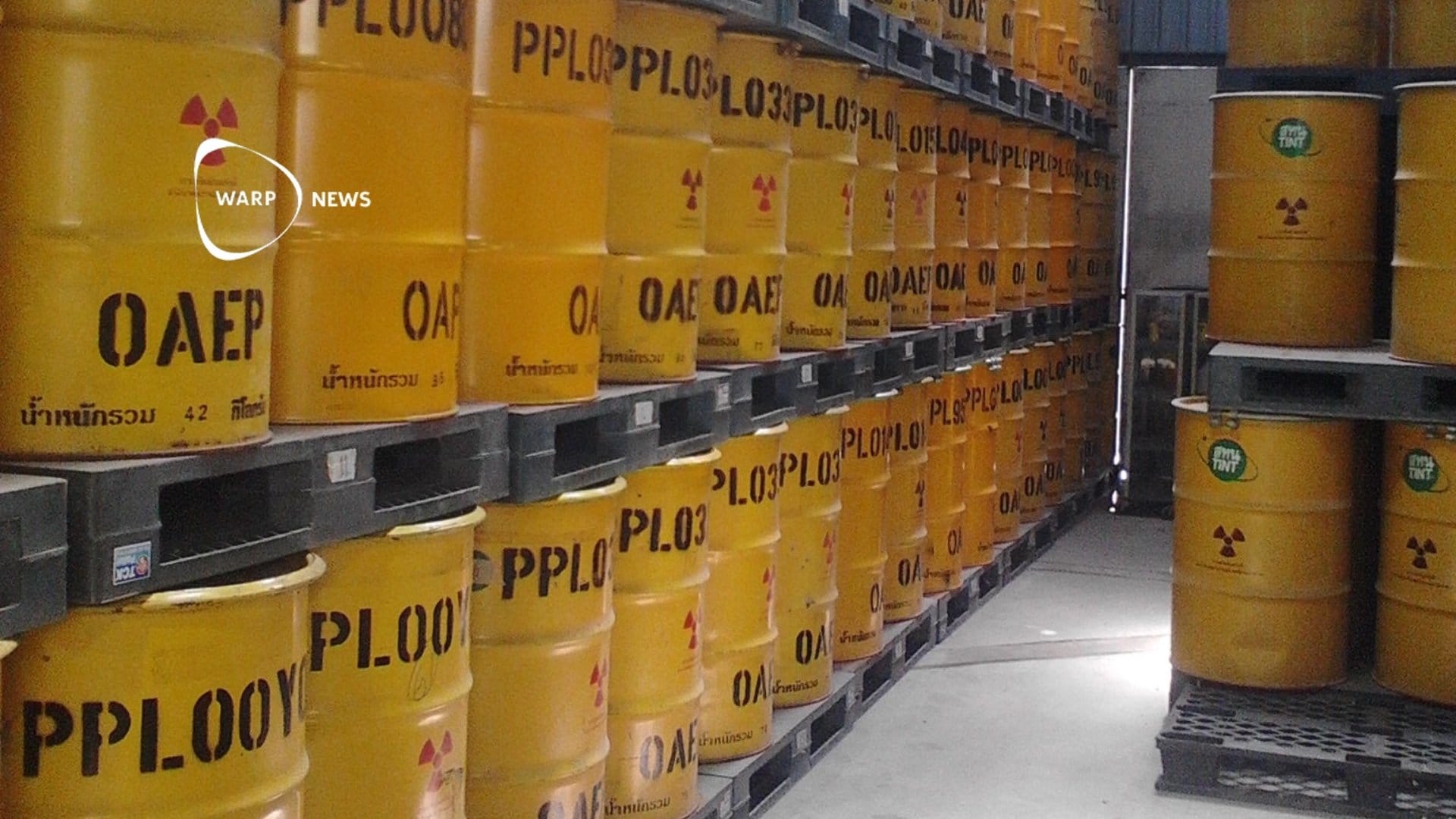
☢️ New battery converts nuclear waste radiation into electricity
There are hundreds of thousands of tons of spent nuclear fuel in the world, and the majority is stored unprocessed despite still retaining most of its energy. The technology may be particularly useful in environments where traditional power sources don't work, such as in deep seas or in space.
🥼 AI shortens handling of pharmaceutical documentation from 15 weeks to 10 minutes
Processes that previously required more than 50 people and took several months can now be handled by only three people with AI support. Novo Nordisk has reduced the time to compile regulatory documents from 15 weeks to less than 10 minutes using AI.
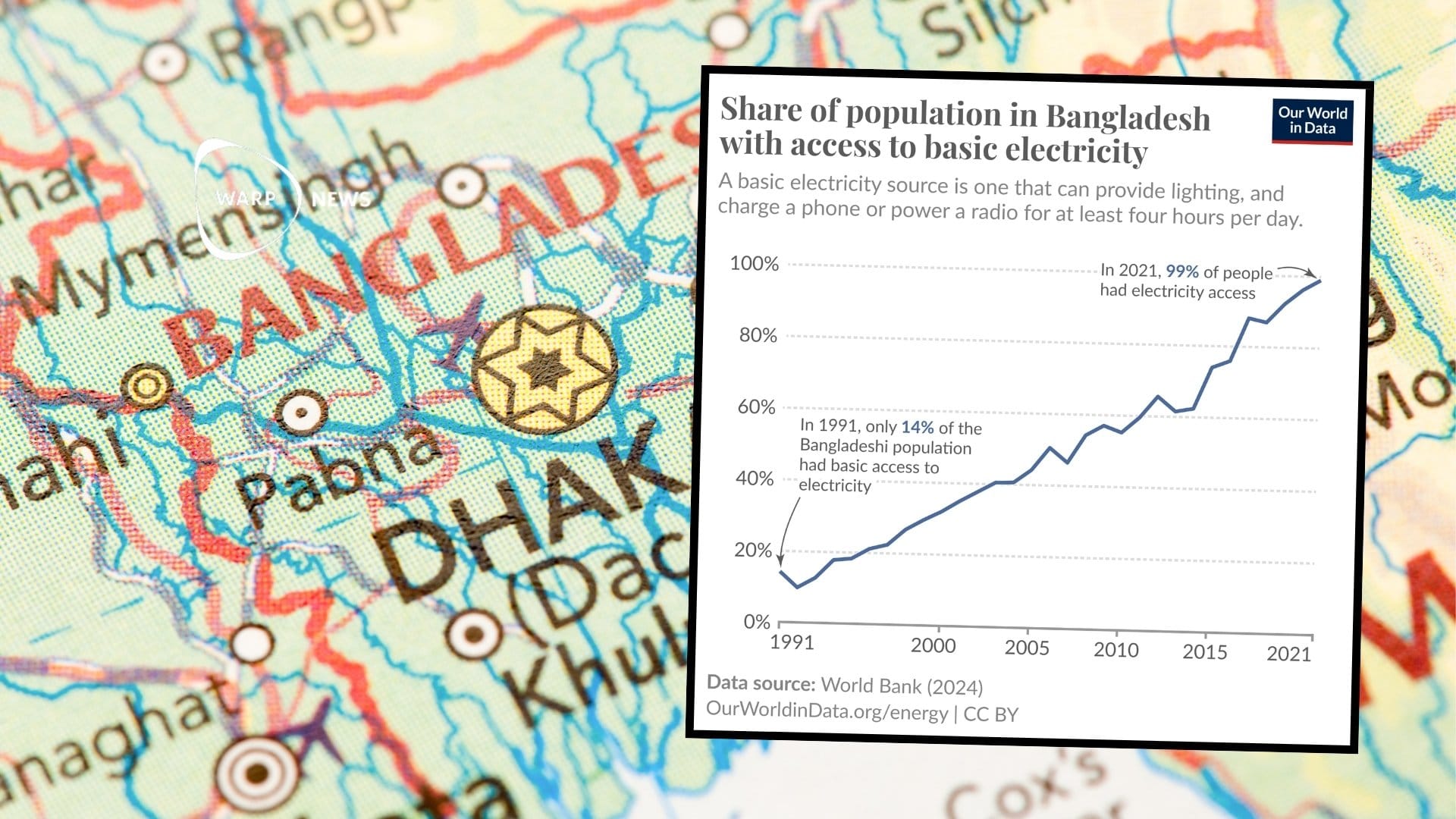
⚡ Over 100 million people in Bangladesh have gained access to electricity
Bangladesh has increased access to electricity from 15 percent to almost 100 percent in 30 years. More than 100 million residents can now use household appliances and stay connected via phone and internet. Over half of the population now has access to electricity for more than eight hours per day.

💵 Wage gaps decrease globally according to new ILO report
Wage inequality has decreased in two-thirds of all countries since 2000. Low-income countries show the most significant decreases in wage inequality, with an annual decrease between 3.2 and 9.6 percent.