
💡 AI solves difficult problem of how molecules react to light – may lead to better solar cells and LED lights
Researchers at DeepMind have used AI to create a new method for calculating how molecules behave when hit by light. The technology could lead to improvements in solar cells, LED lights, and other light-sensitive technologies.
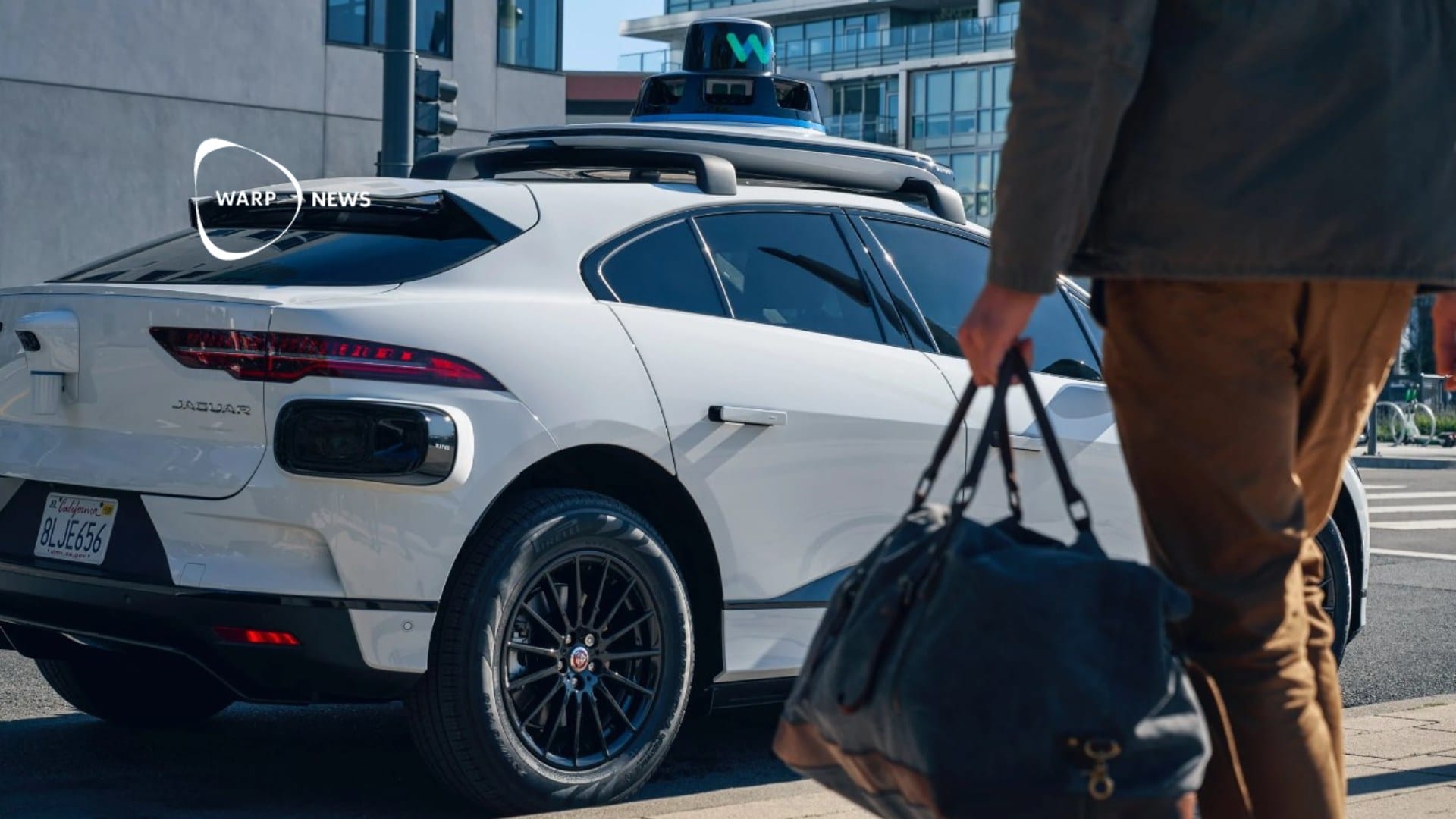
🚗 Waymo doubles the number of paid robotaxi trips to 100,000 per week
Waymo now provides over 100,000 paid robotaxi trips per week in the USA. The company has expanded its service to new areas in California and Arizona. Waymo is now testing driverless vehicles on highways around the San Francisco area.
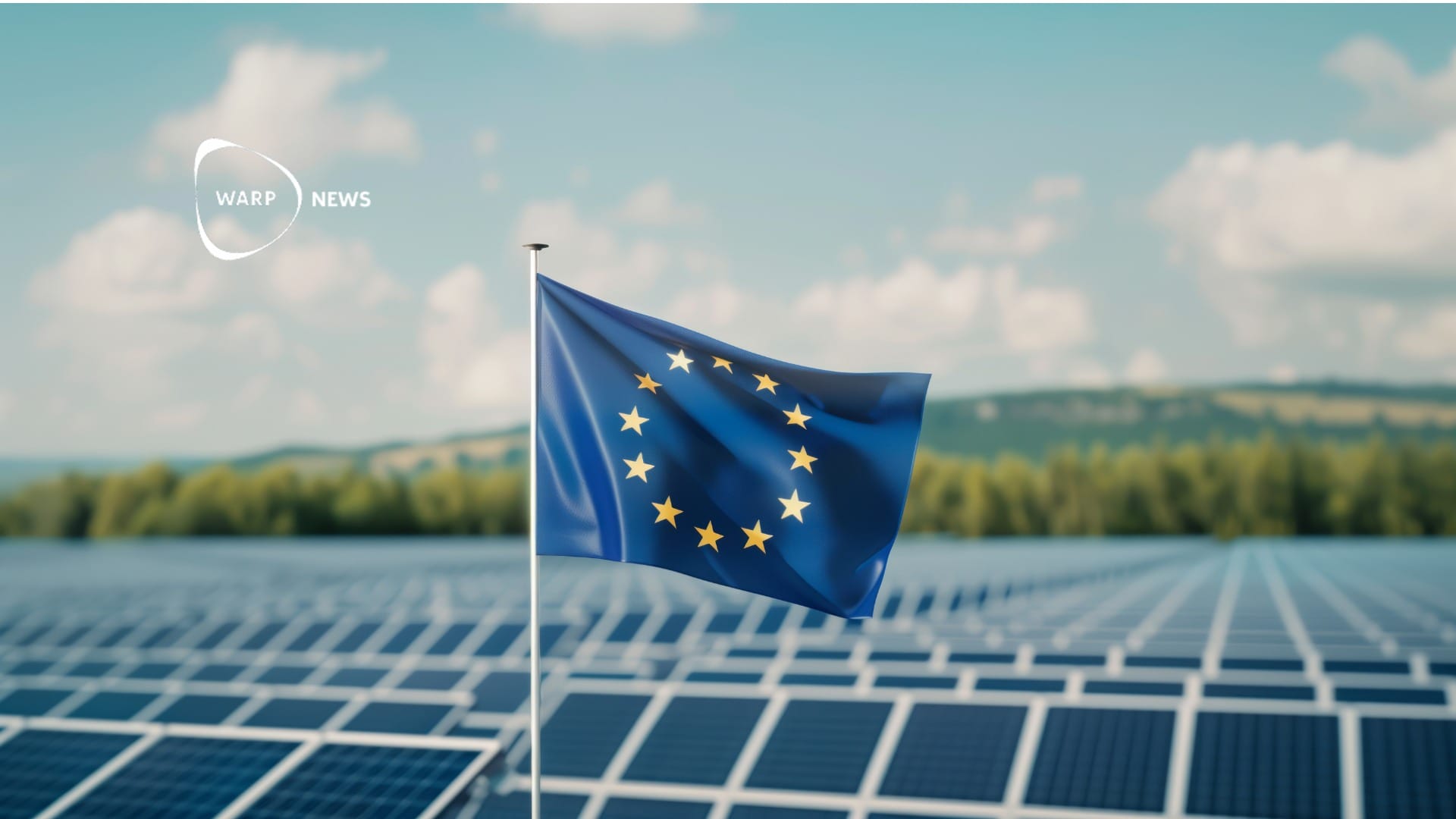
🌞 Solar and wind surpass fossil fuels in EU electricity production
Wind and solar power generated 30% of EU's electricity during the first half of 2024. For the first time, 13 EU countries produced more electricity from wind and solar than from fossil fuels.
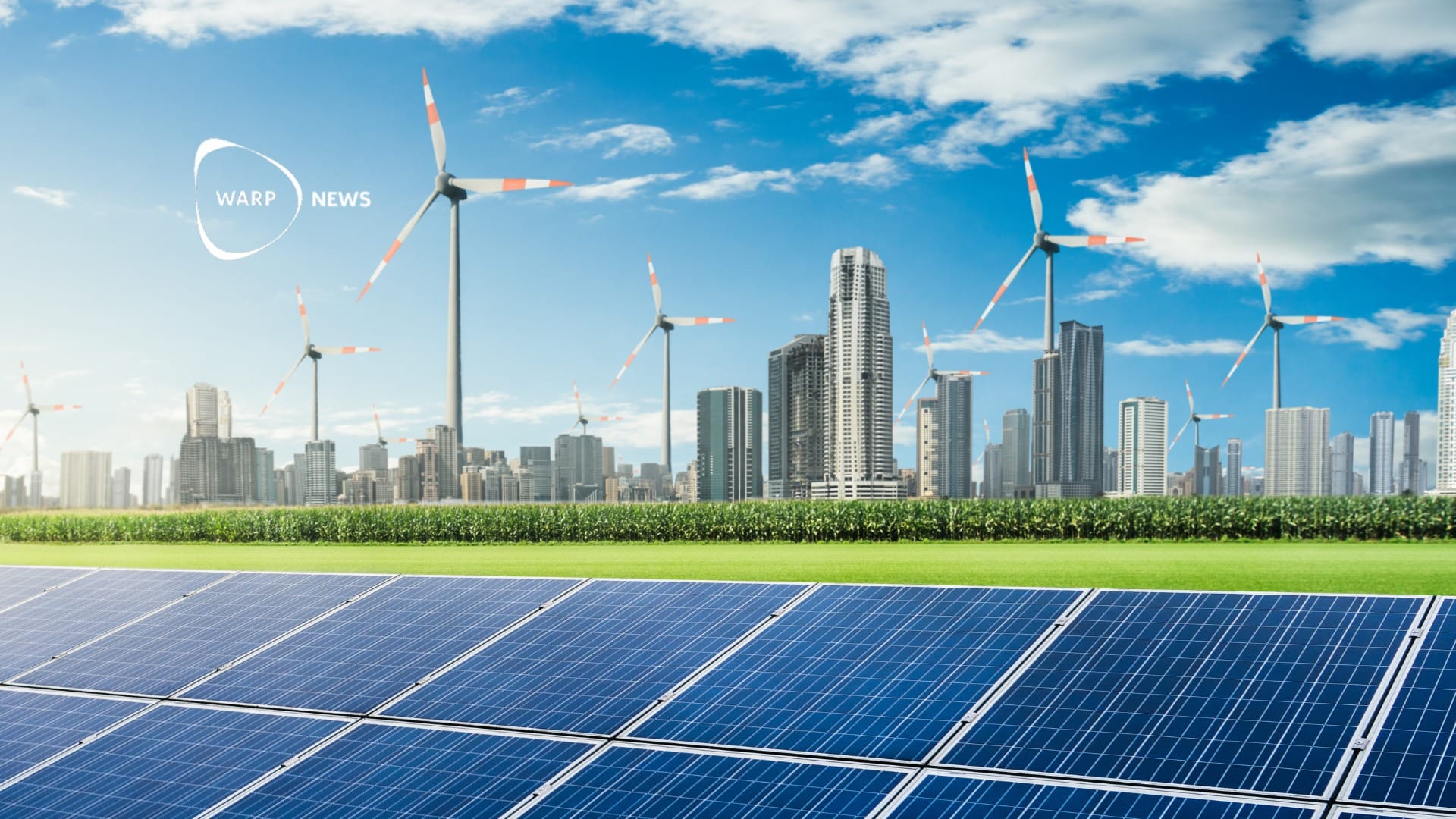
🌅 Wind and solar energy surpass coal power in China
China's combined capacity for wind and solar power has for the first time exceeded coal. Solar energy is expected to surpass coal as China's primary energy source by 2026. China has reduced new coal power projects and is focusing on phasing out smaller coal power plants.
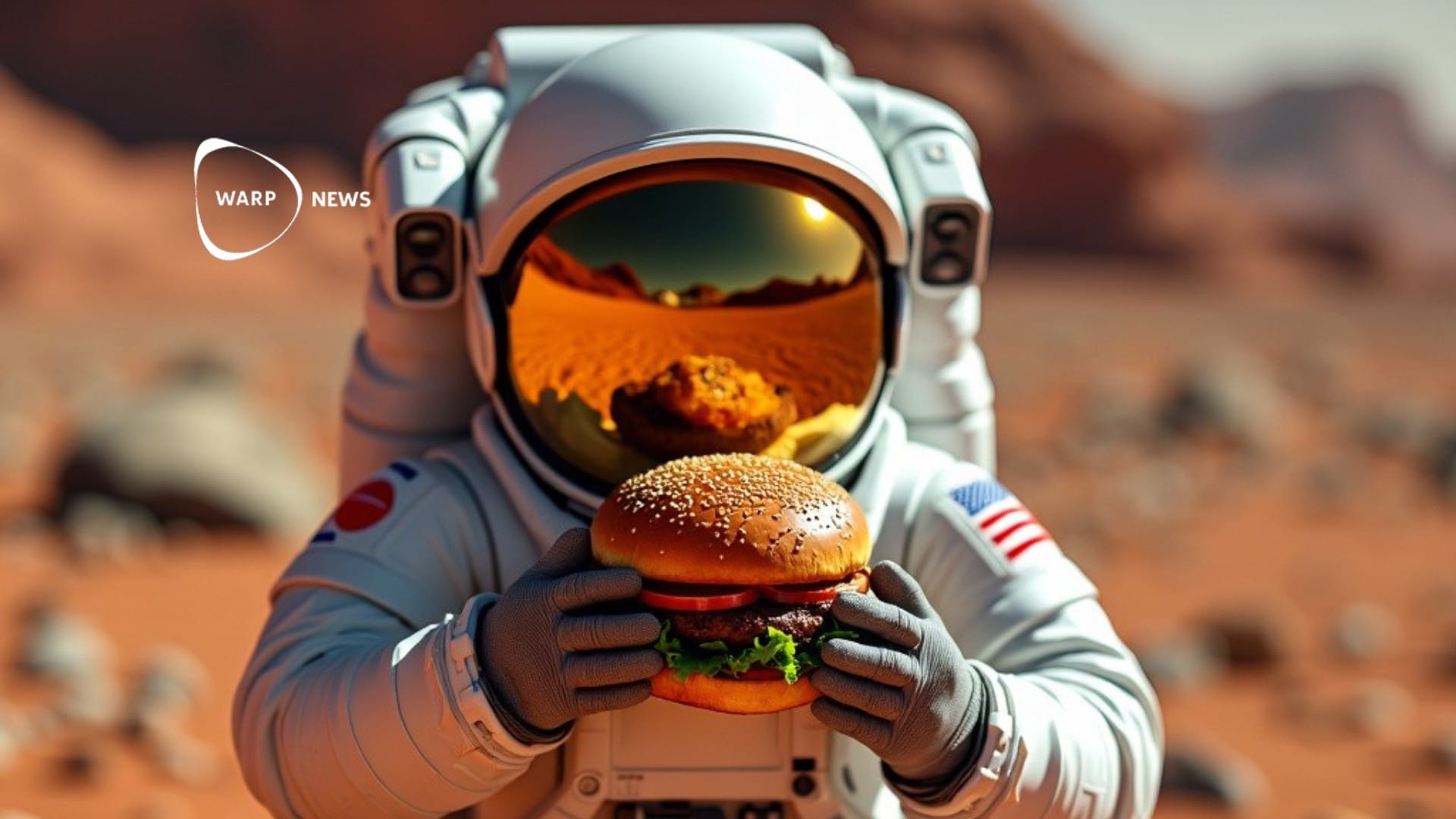
🍔 Food-from-air company Solar Foods advances in NASA's space food competition
NASA's Deep Space Food Challenge aims to find new ways to provide astronauts with nutrition during long space missions. Solar Foods won the international category in the competition. The company is developing a concept to produce the protein Solein in space.
⚖️ Global inequality decreases both between and within countries
Global inequality has decreased dramatically since the 1980s. Inequality within countries has stopped increasing and has decreased over the last decade. Poverty is decreasing faster than previously estimated, even at higher poverty thresholds.
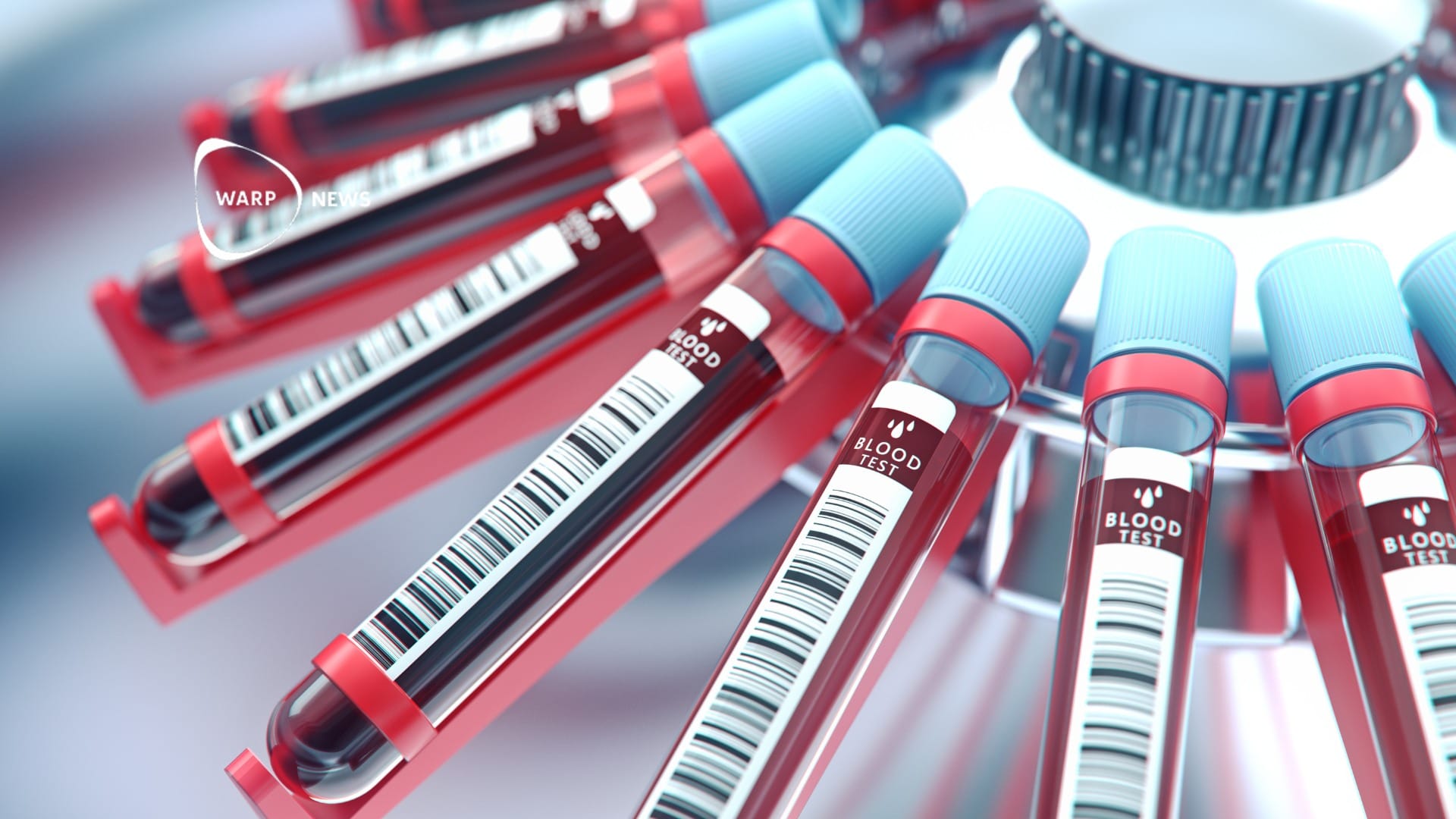
🩸 New blood testing technology becomes reality, despite the Theranos scandal
Companies develop working alternatives to traditional blood tests with large needles. Finger-prick methods can now be used for routine medical tests in Austin. New technology reduces discomfort and facilitates sample collection for patients. This time without fraud.
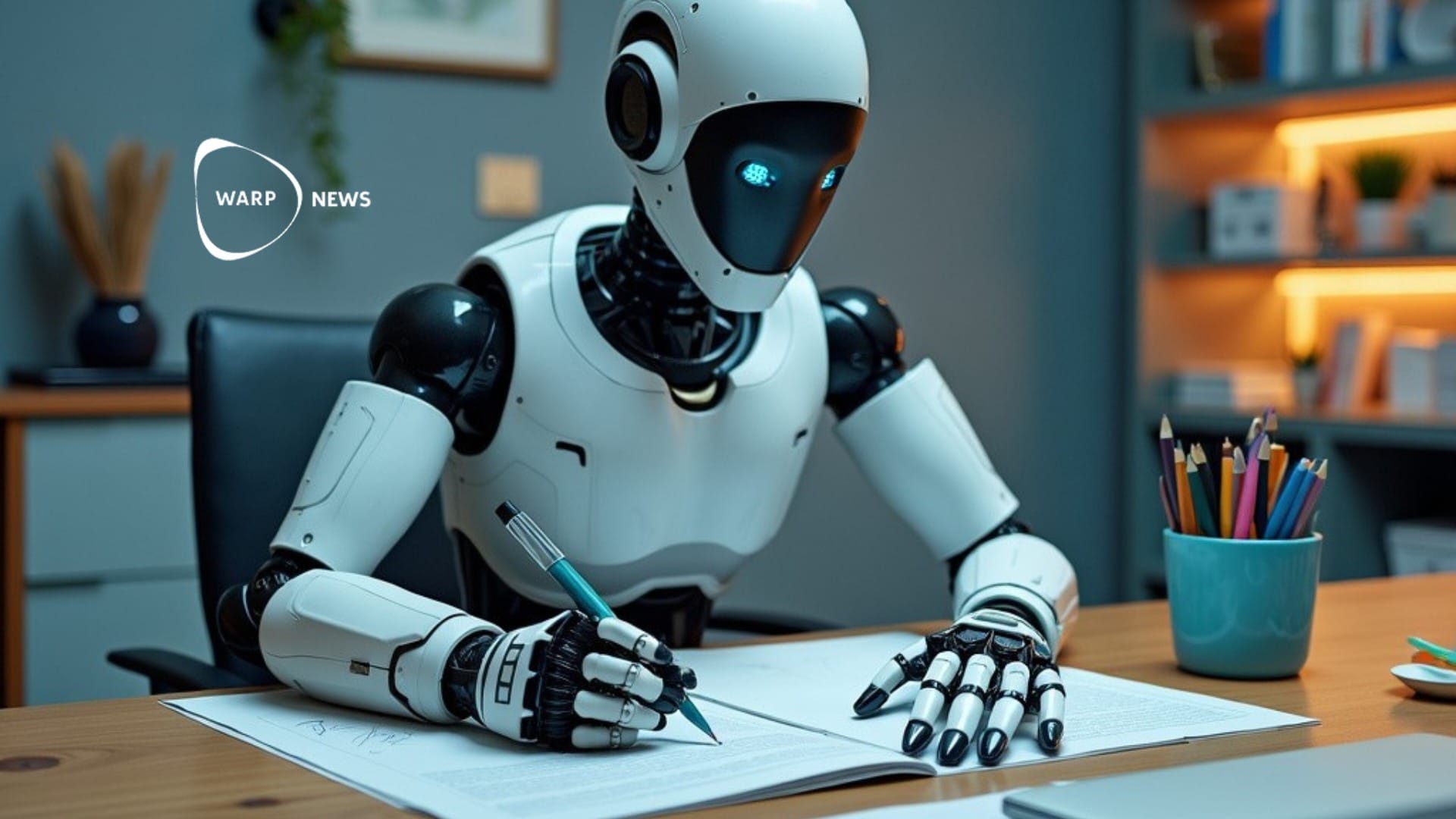
🦾 AI Scientist can write science papers on its own
A new AI system called "The AI Scientist" can independently carry out the entire research process. The system generates research ideas, writes code, conducts experiments, and produces complete scientific manuscripts. It is much faster and considerably cheaper than if humans do the work.
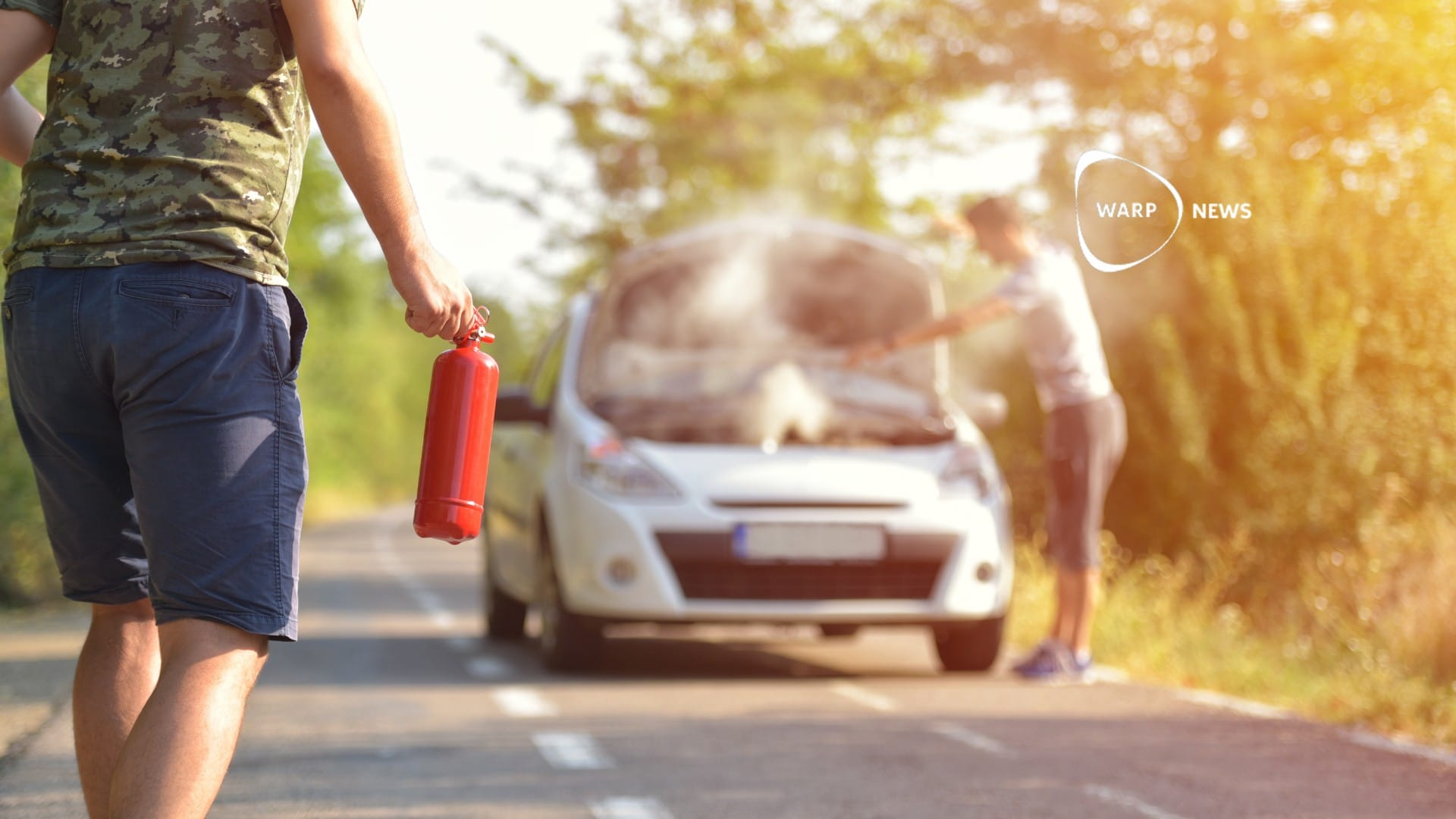
🔥 Much lower risk of fire in electric cars compared to fossil fuel cars
The risk of fire in a rechargeable vehicle is 0.0012 percent, compared to 0.1 percent for combustion engine vehicles. According to this statistic, fires in gasoline or diesel-powered cars are over 80 times more common.