

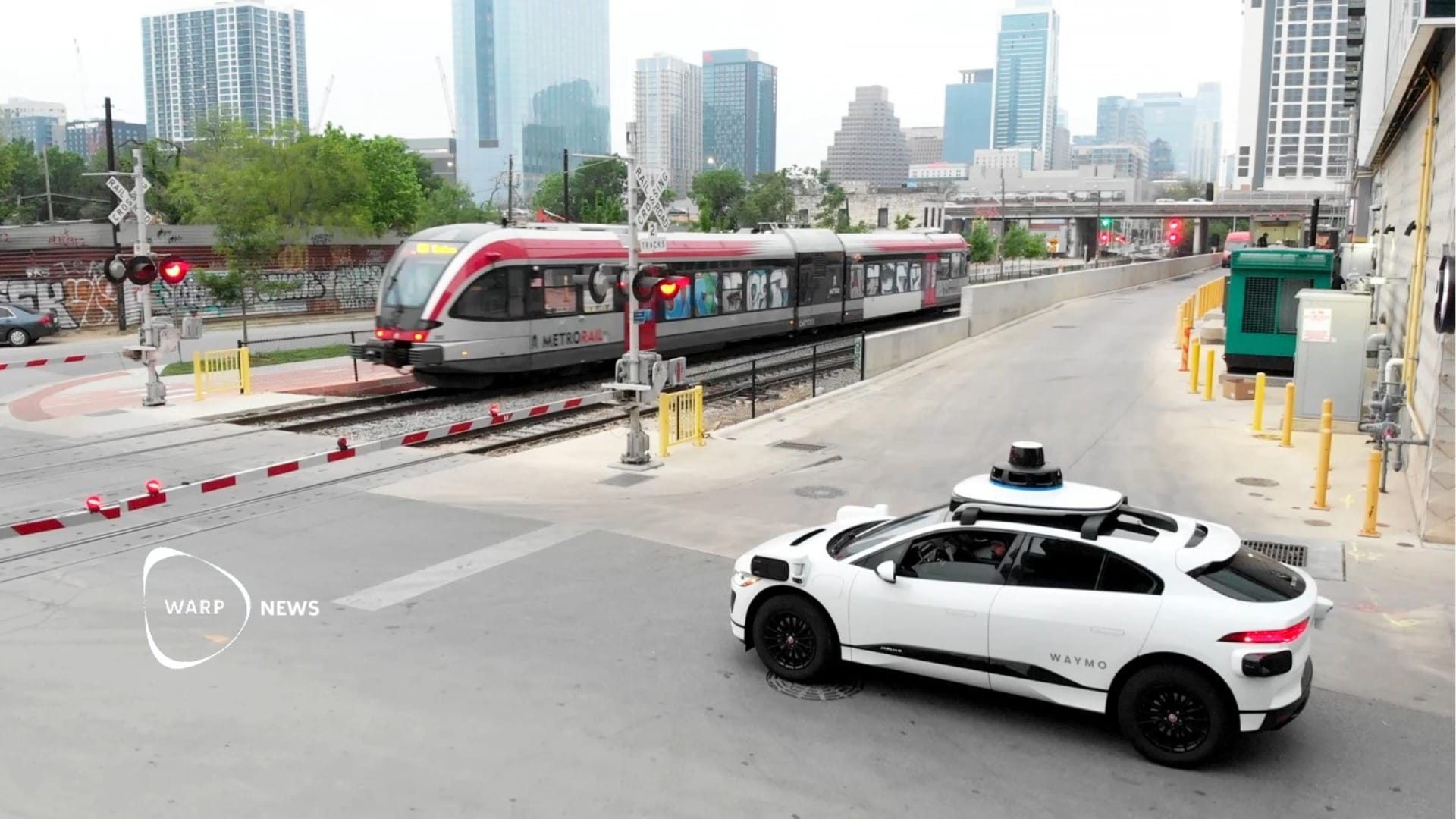
🚗 Waymo's robotaxi has now reached 50,000 paid trips per week
Waymo's robotaxi is now performing 50,000 paid trips each week, up from 10,000 a year ago. The service is fully autonomous and available 24/7 in selected parts of Phoenix, San Francisco, and Los Angeles.
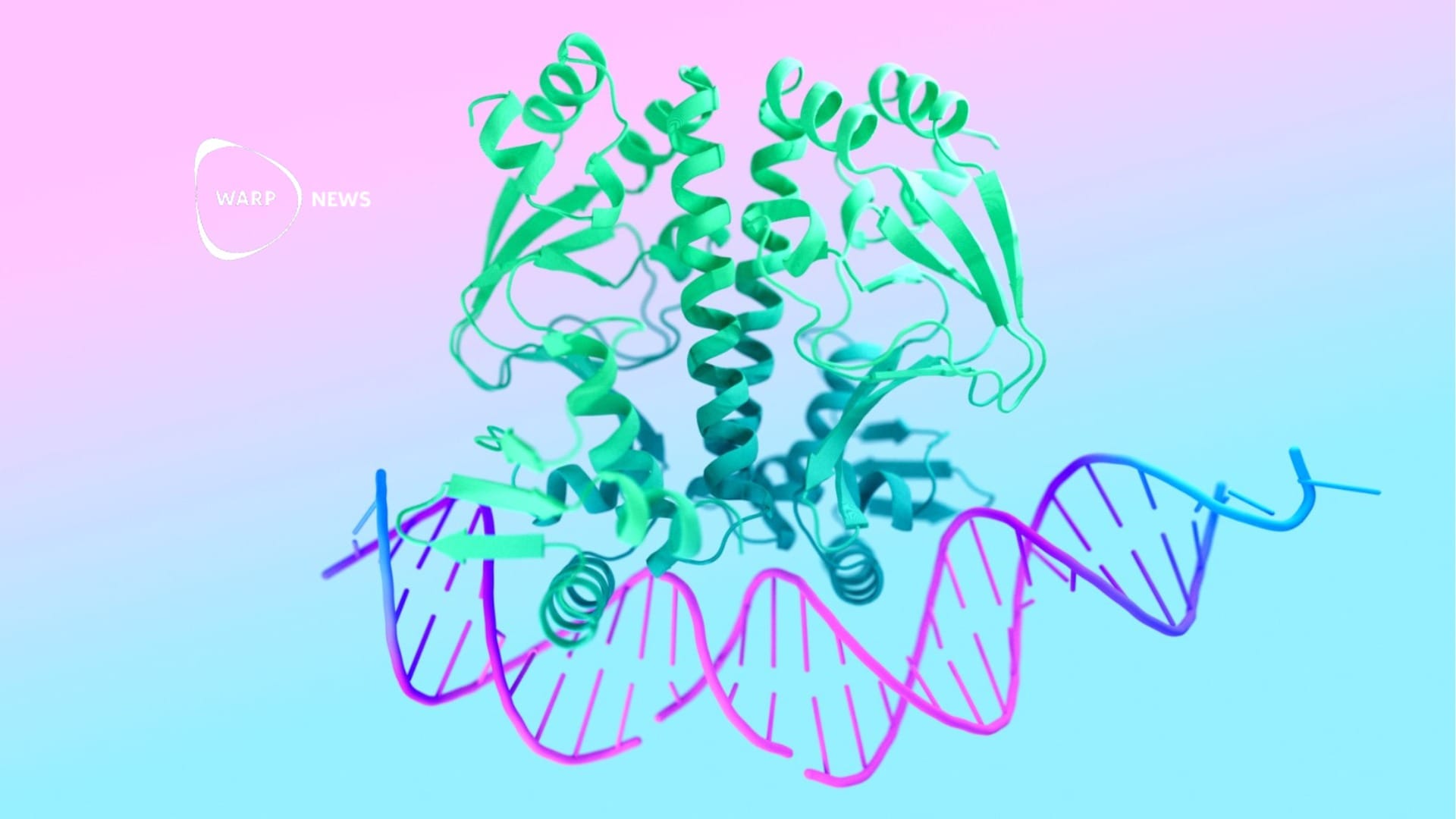
🧬 AlphaFold 3 is here! Predicting structures of almost all biological molecules and their interactions
AlphaFold 3 is designed to predict the structure and interactions between biological molecules. Experimentally investigating these interactions can be time-consuming and costly. If these interactions can instead be accurately computed, biological research could be significantly expedited.
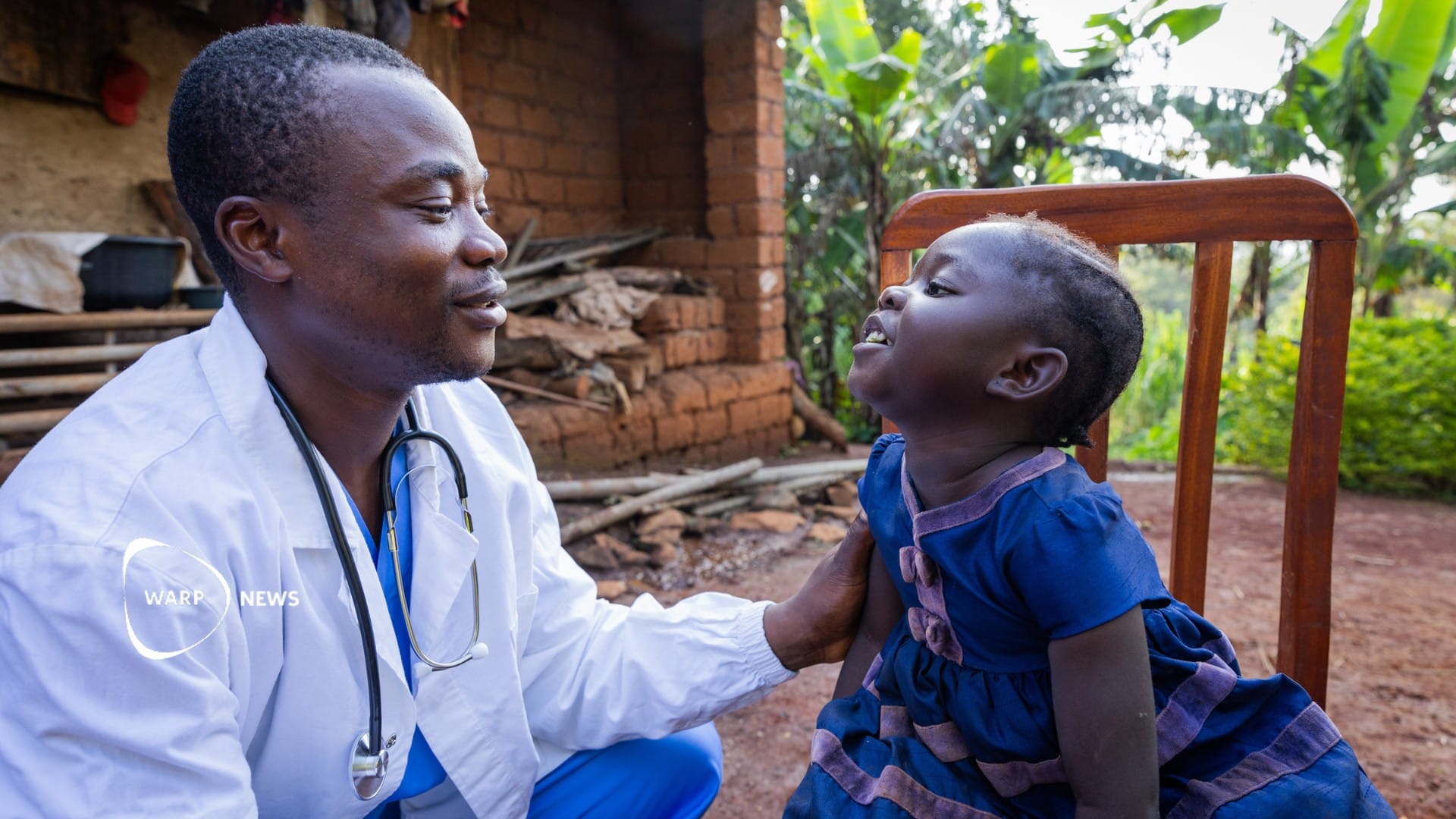
💉 Three West African countries begin vaccinating against malaria
Benin, Liberia, and Sierra Leone have started vaccinating children against malaria. The vaccine has shown a significant reduction in malaria diseases and child mortality in initial African pilot programs.
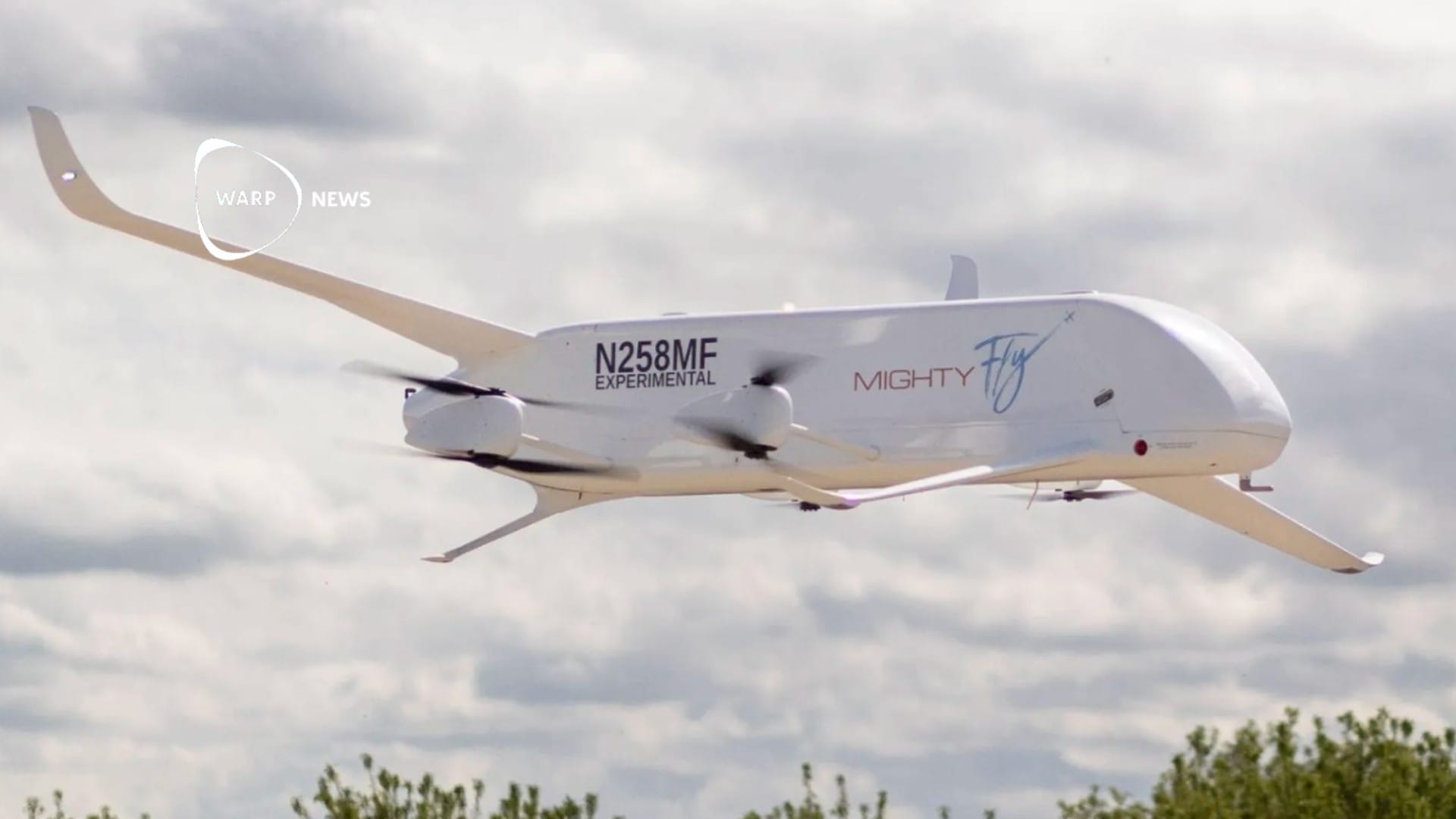
🛩️ Really large drones pave the way for long-distance freight transport
MightyFly receives FAA approval for autonomous eVTOL transport drones. The drone can carry a 45 kg load up to 100 kilometers. The range and ability to operate beyond the operator's line of sight enable long transport distances.
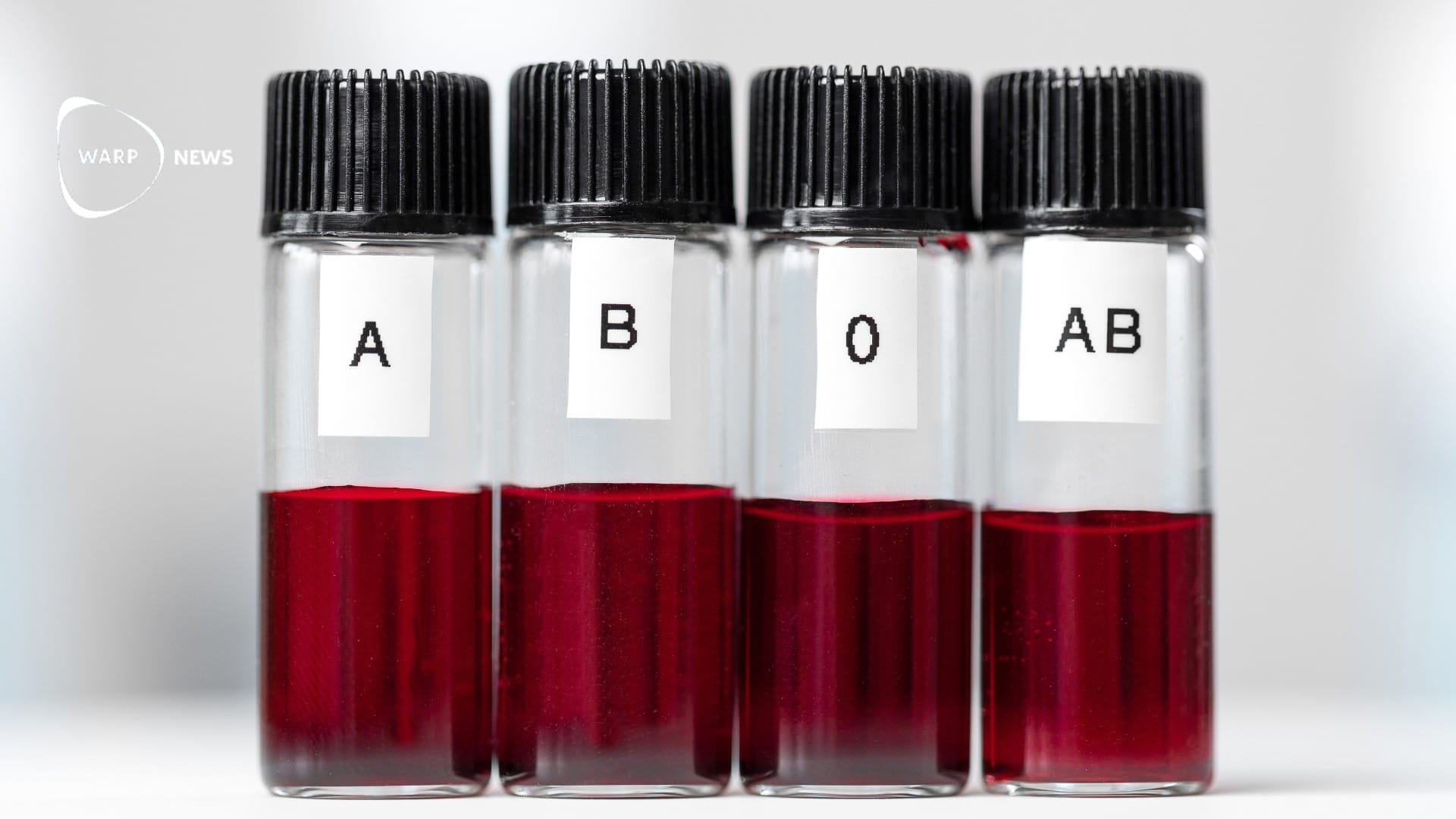
🅾️ Blood types can become mutually compatible
Scientists have developed a method using enzymes from gut bacteria to convert blood types A and B into the universal donor blood type O. This opens the possibility that all blood types can become universal donors.

📲 New record: 6G 500 times faster than average 5G
Researchers in Japan have achieved data transfer speeds of 100 gigabits per second, which is up to 500 times faster than the average 5G speed. The technology is expected to enable new applications such as holographic communication and improved VR experiences.
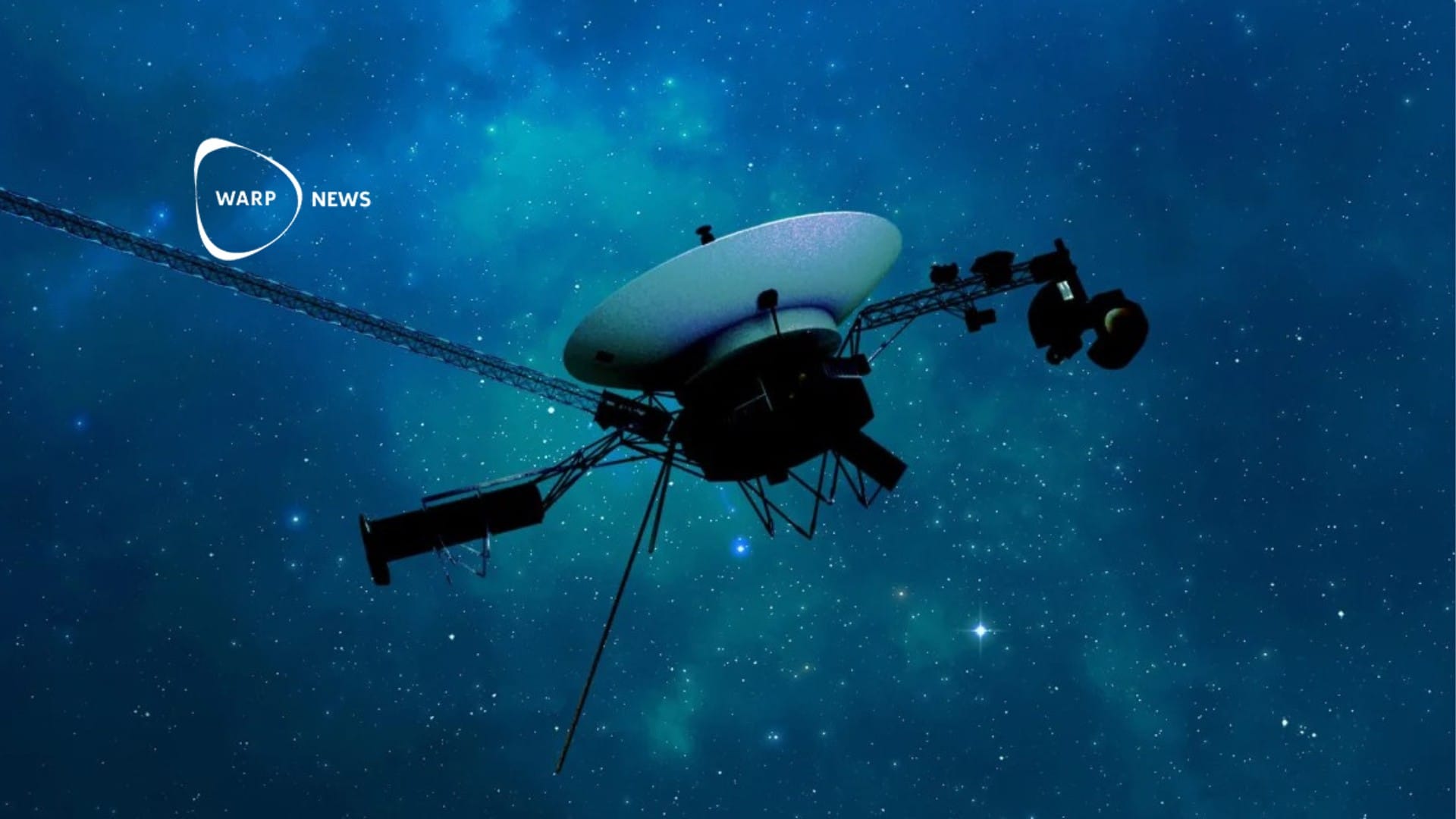
🛰️ Hello again! Voyager 1 begins transmitting to Earth after five months of silence
Voyager 1 is humanity's most distant spacecraft, now about 24 billion kilometers from Earth. NASA engineers managed to fix a communication error using creative solutions. The first data received shows that Voyager 1 is in good condition and functioning properly.
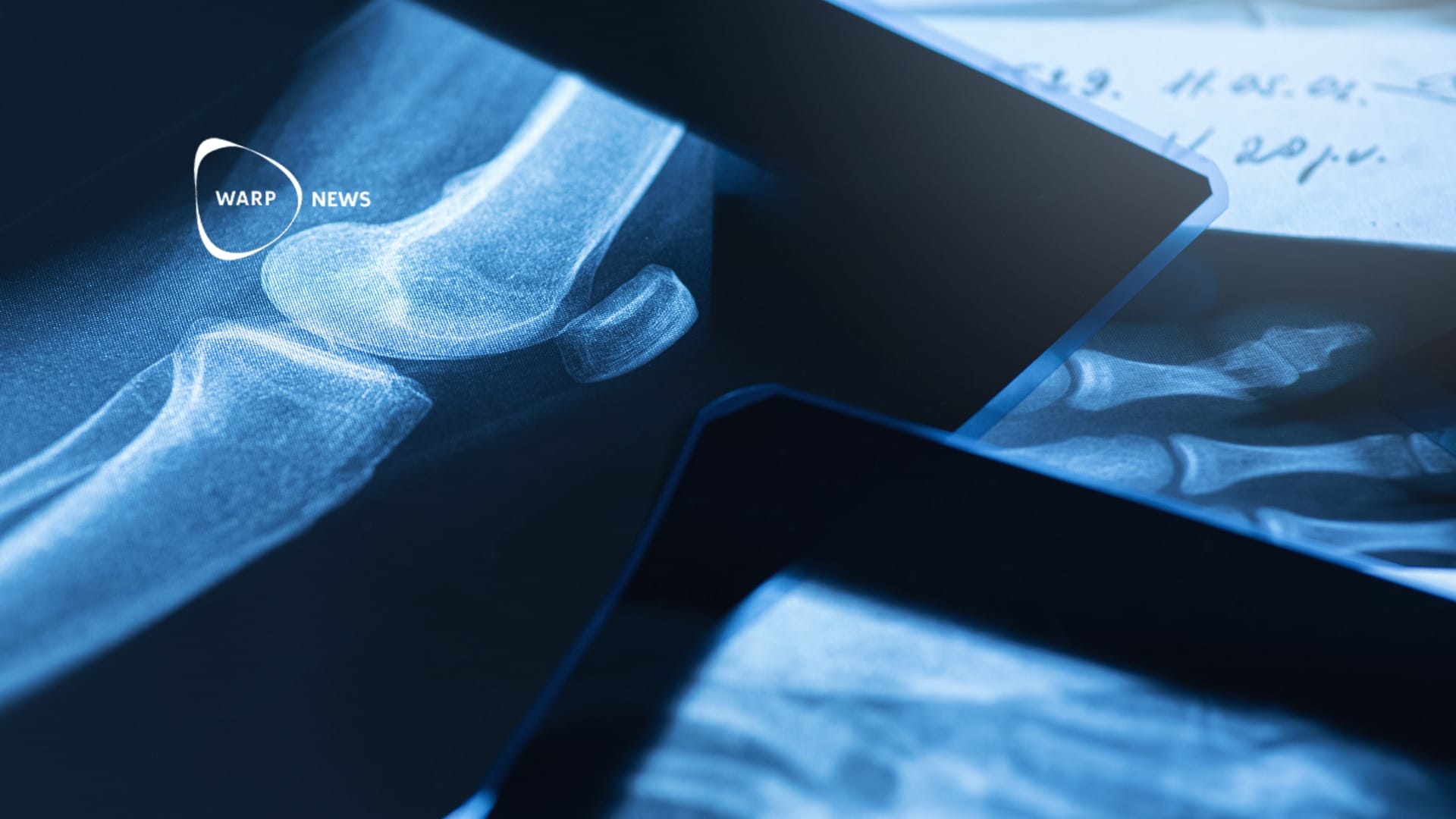
🦴 Faster healing of bone fractures – making them three times stronger
Japanese researchers have developed a new treatment method that uses plasma radiation to accelerate the healing of complex bone fractures. The healed bones were 3.5 times stronger compared to conventional treatments.
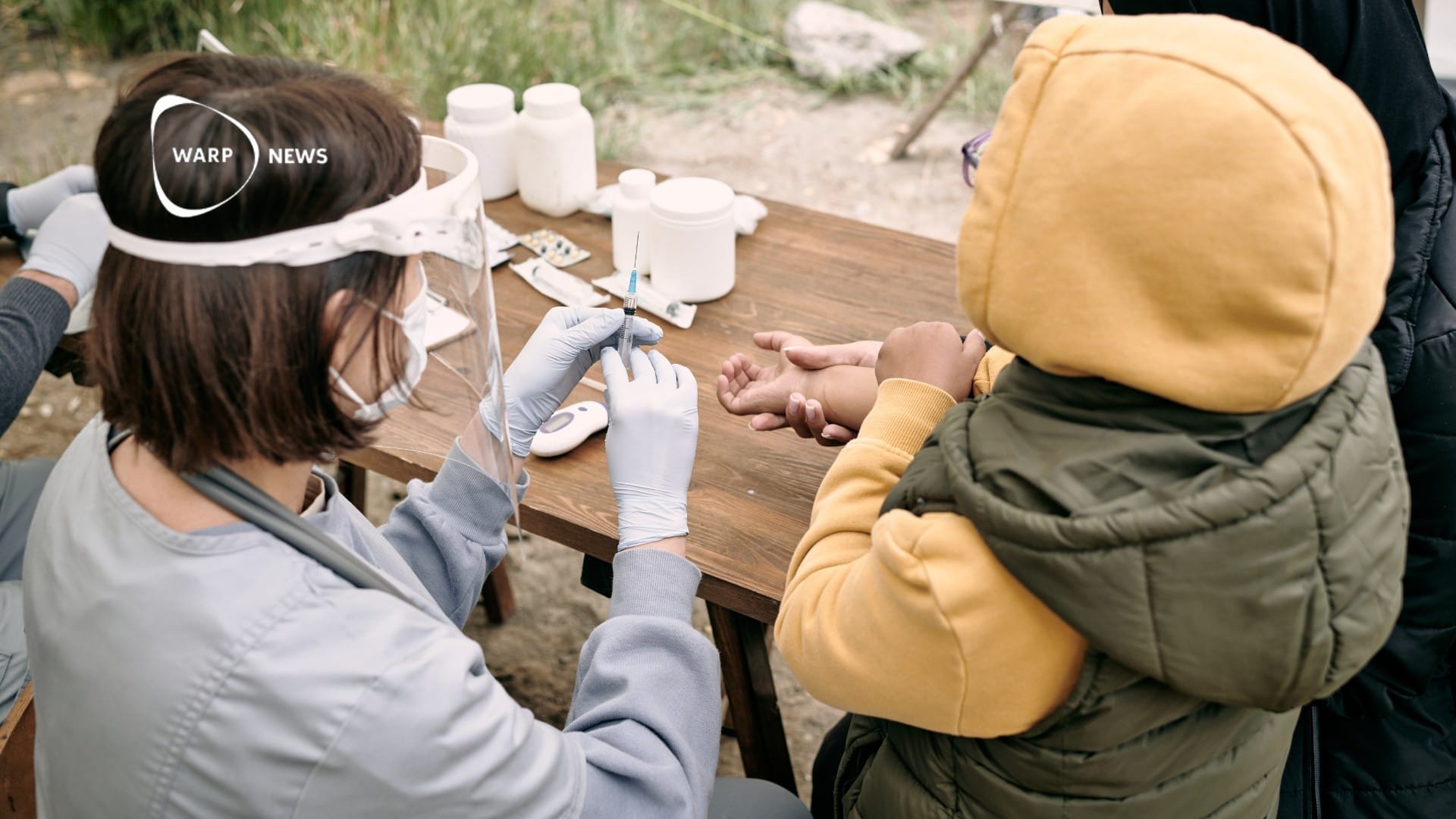
🧒🏿 40% of the reduction in child mortality is thanks to vaccines
Vaccines have prevented 154 million deaths since 1974, of which 146 million were children. Thus, vaccines account for 40 percent of the reduction in child mortality.