

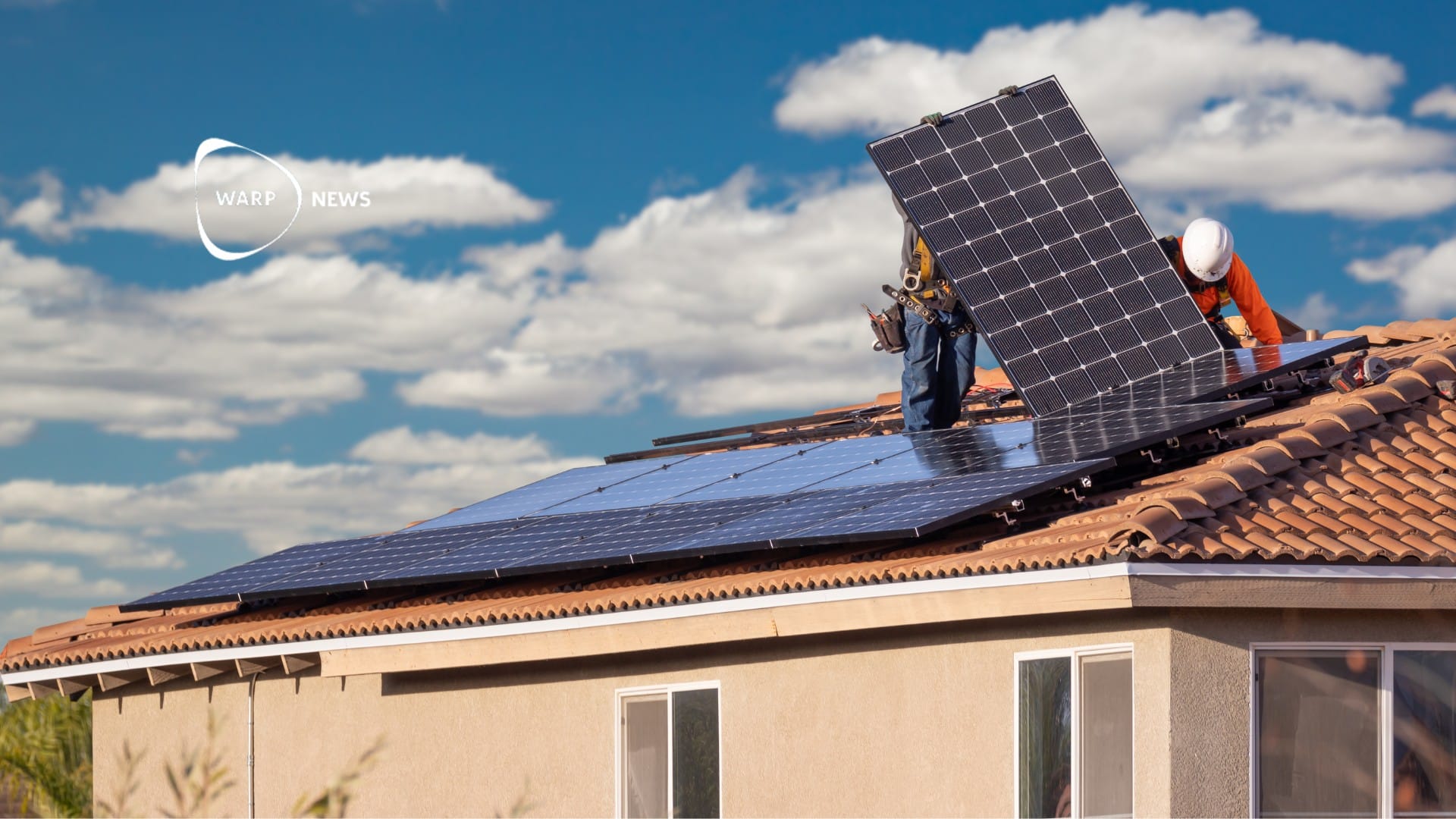
🌞 Australia leads the world in rooftop solar energy
Australia has installed rooftop solar panels on a scale that surpasses all expectations. More than a third of all households in the country now generate their own electricity from the sun. Home-based solar energy accounts for 11.6 percent of electricity production in Australia's main power grid.
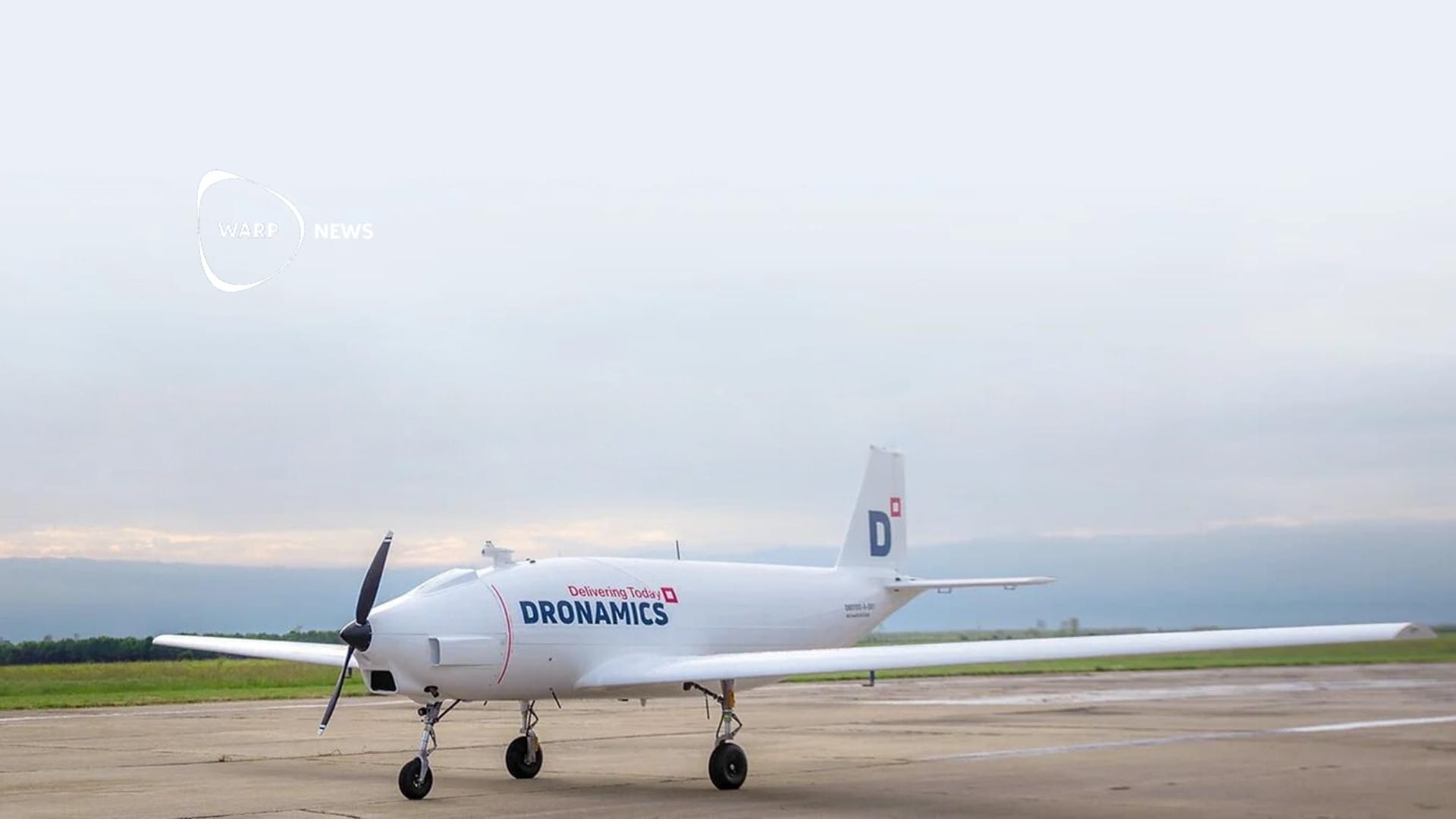
📦 Europe's first drone cargo airline can reduce freight costs by 50 percent
Dronamics becomes Europe's first licensed cargo drone airline, offering cost-effective deliveries. The company's drone, Black Swan, can carry 350 kg of cargo and fly 2500 km. The technology enables deliveries to remote areas and can reduce costs by up to 50 percent.
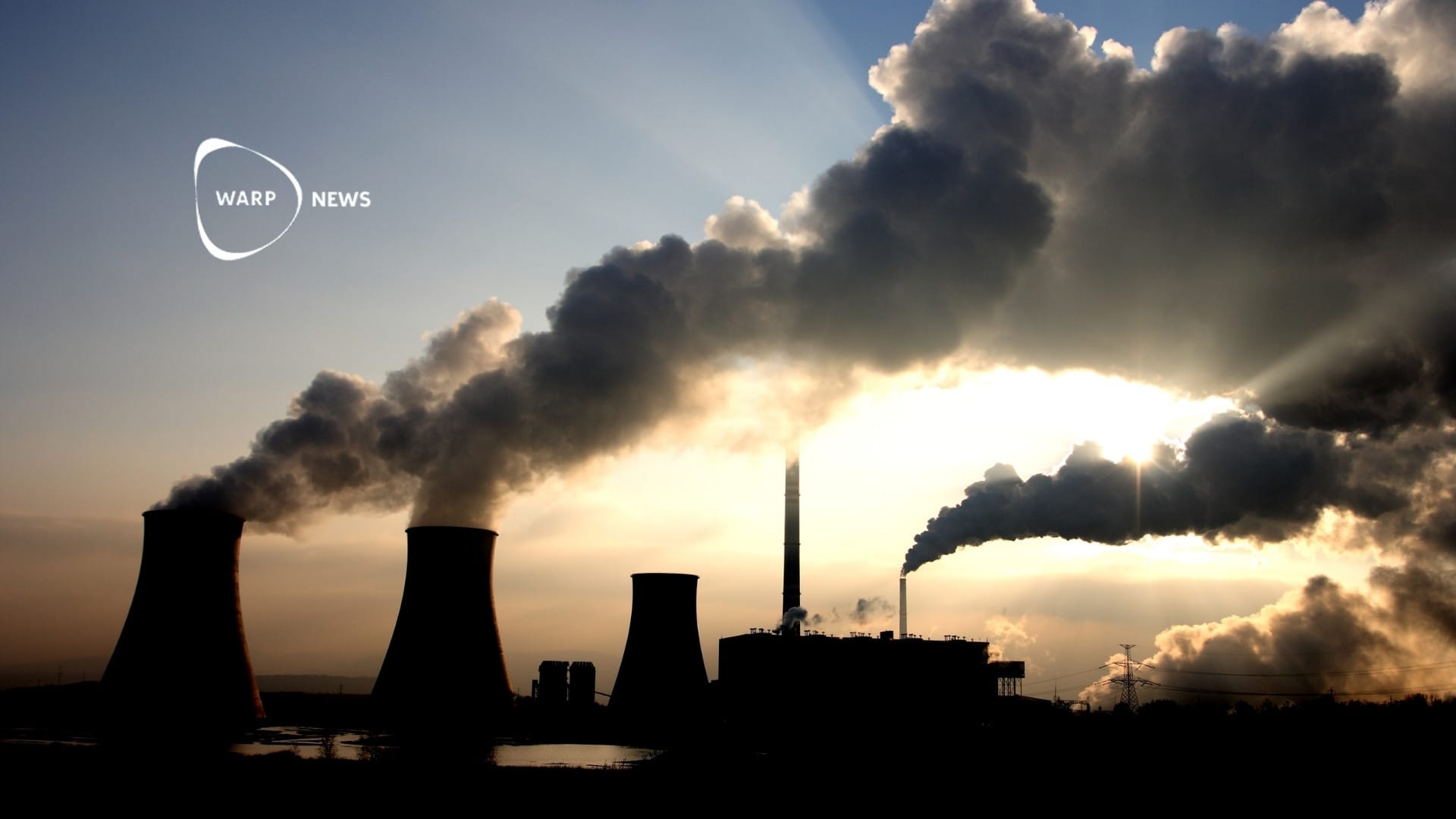
🏭 Coal power in the richest countries peaked in 2007 - and has halved since then
OECD countries' coal power production has decreased by 52 percent since the peak in 2007. Over a third of OECD countries are now completely free of coal power. Three-quarters of OECD countries are on track to phase out coal power by 2030.

📳 Mobile phones used to detect earthquakes
Android devices are transformed into a global network for earthquake warnings. The system provides valuable seconds of advance warning before an earthquake strikes. Over three billion Android phones worldwide can potentially contribute to the system.
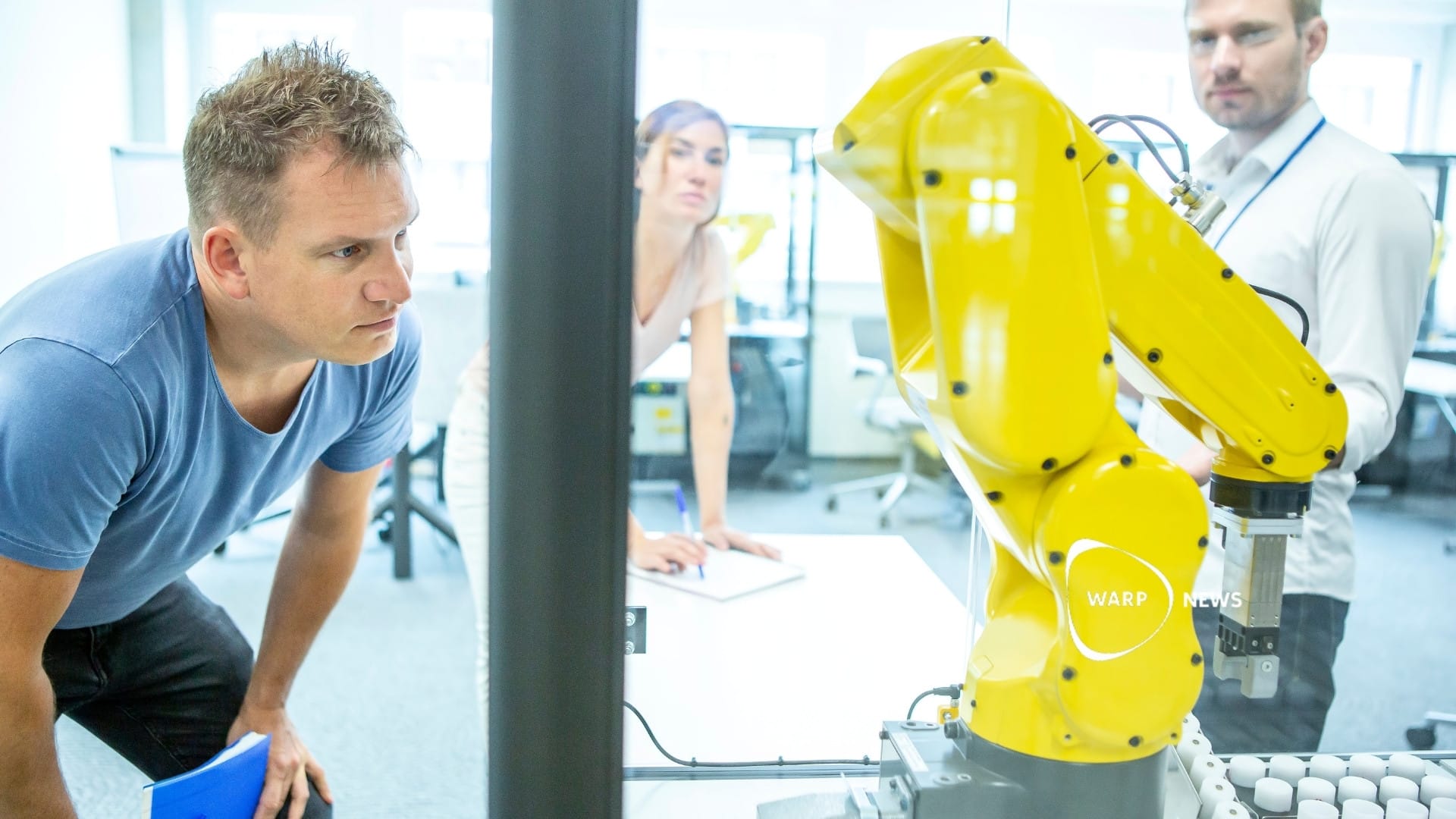
🦾 Industrial robots learn new skills on their own
Industrial robots are becoming more intelligent with the help of AI and can now perform increasingly complex tasks. Generative AI enables robots to perform more complex tasks, such as pouring liquids or turning knobs, and to learn new skills faster based on learned behavior.
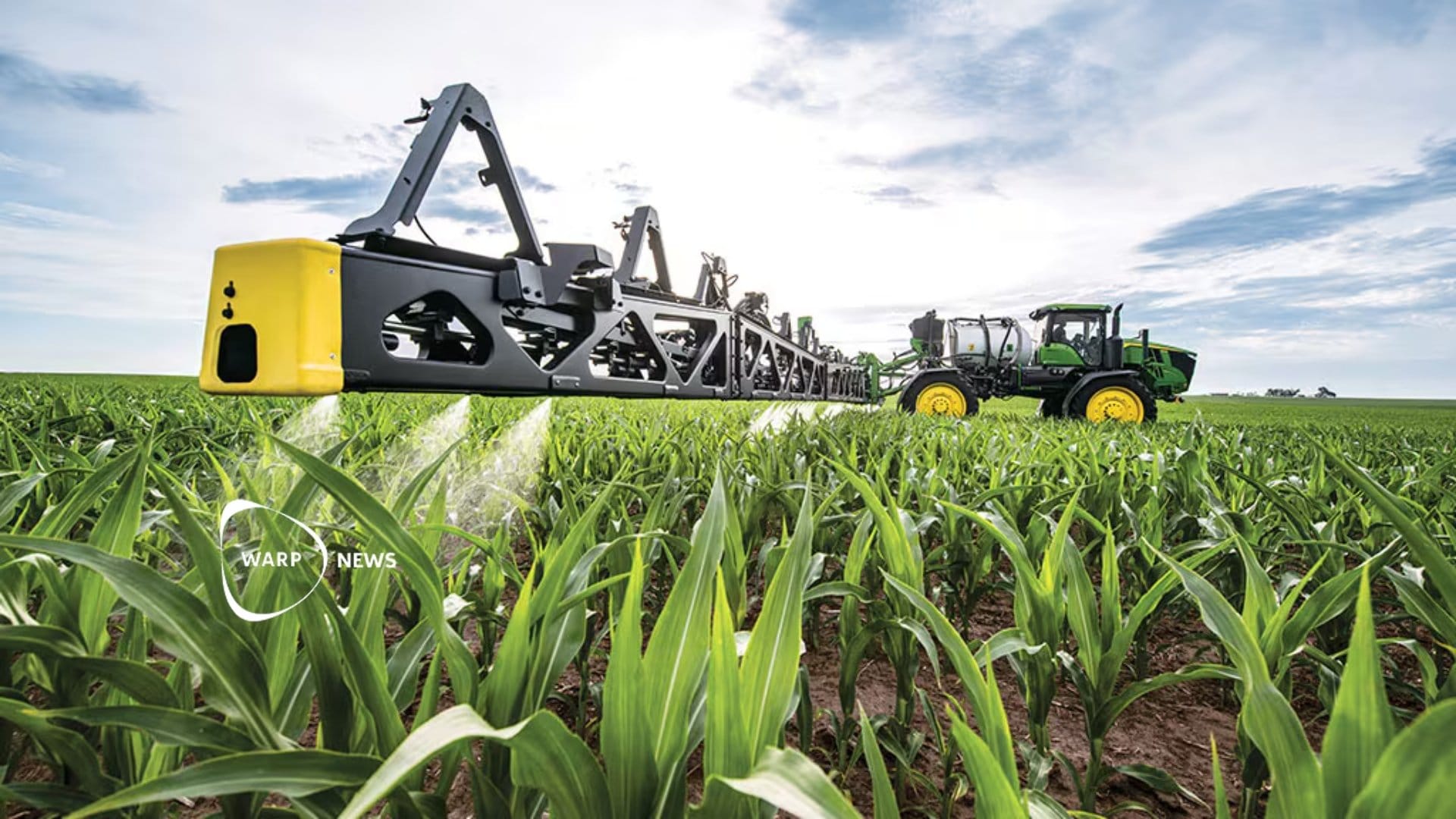
🌾 AI-driven weed controllers reduce the need for herbicides by 90%
New technology reduces herbicide use by up to 90 percent. AI-controlled cameras identify weeds for precision treatment. Using less herbicide through precision applications can help lower costs for growers.
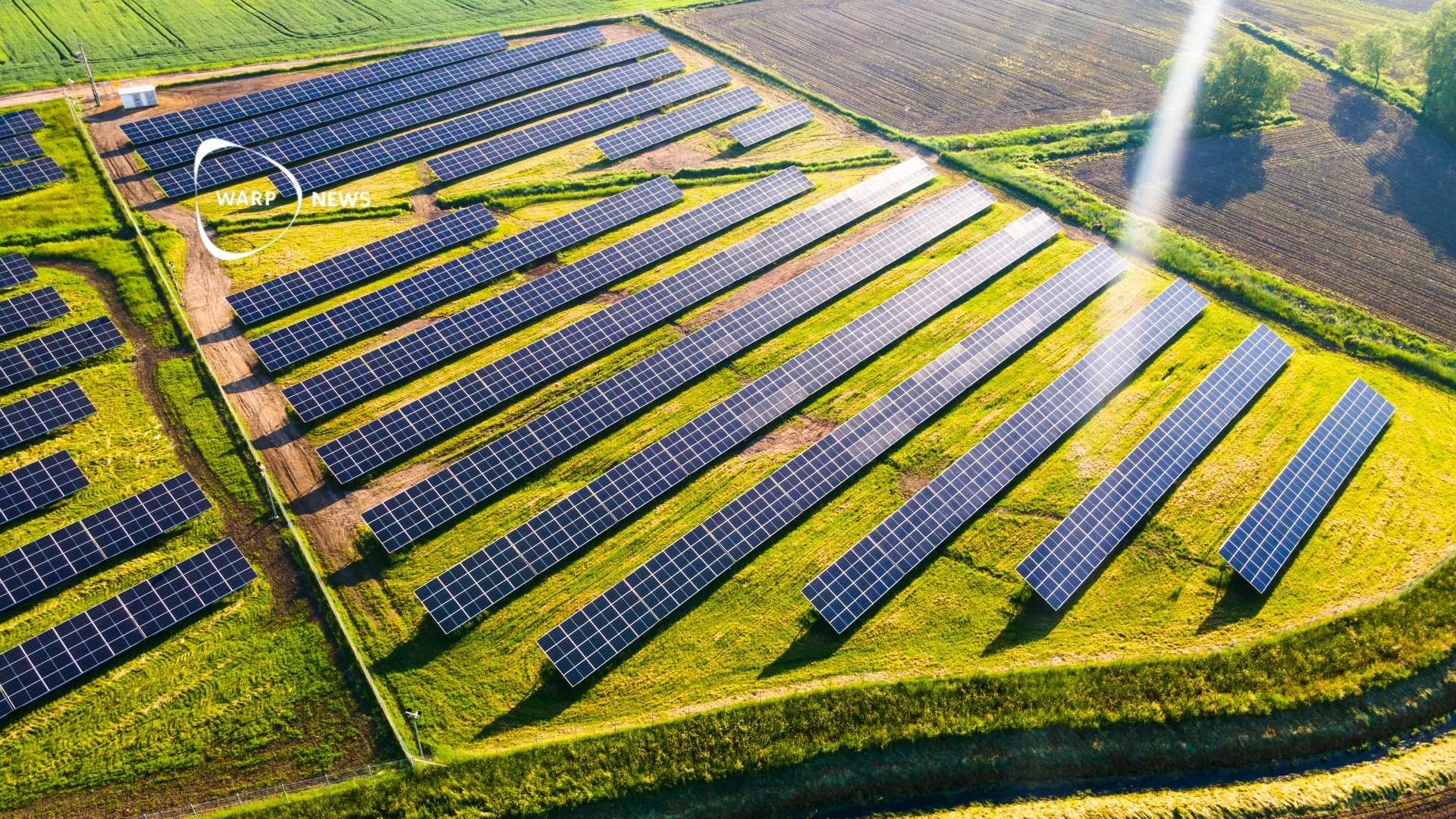
📈 Solar energy grows fastest in Central and Eastern Europe
Electricity production from solar parks in Central and Eastern Europe increased by 55 percent during the first seven months of 2024 compared to the same period in 2023. Poland and Hungary account for the strongest growth in large-scale solar energy in the region.
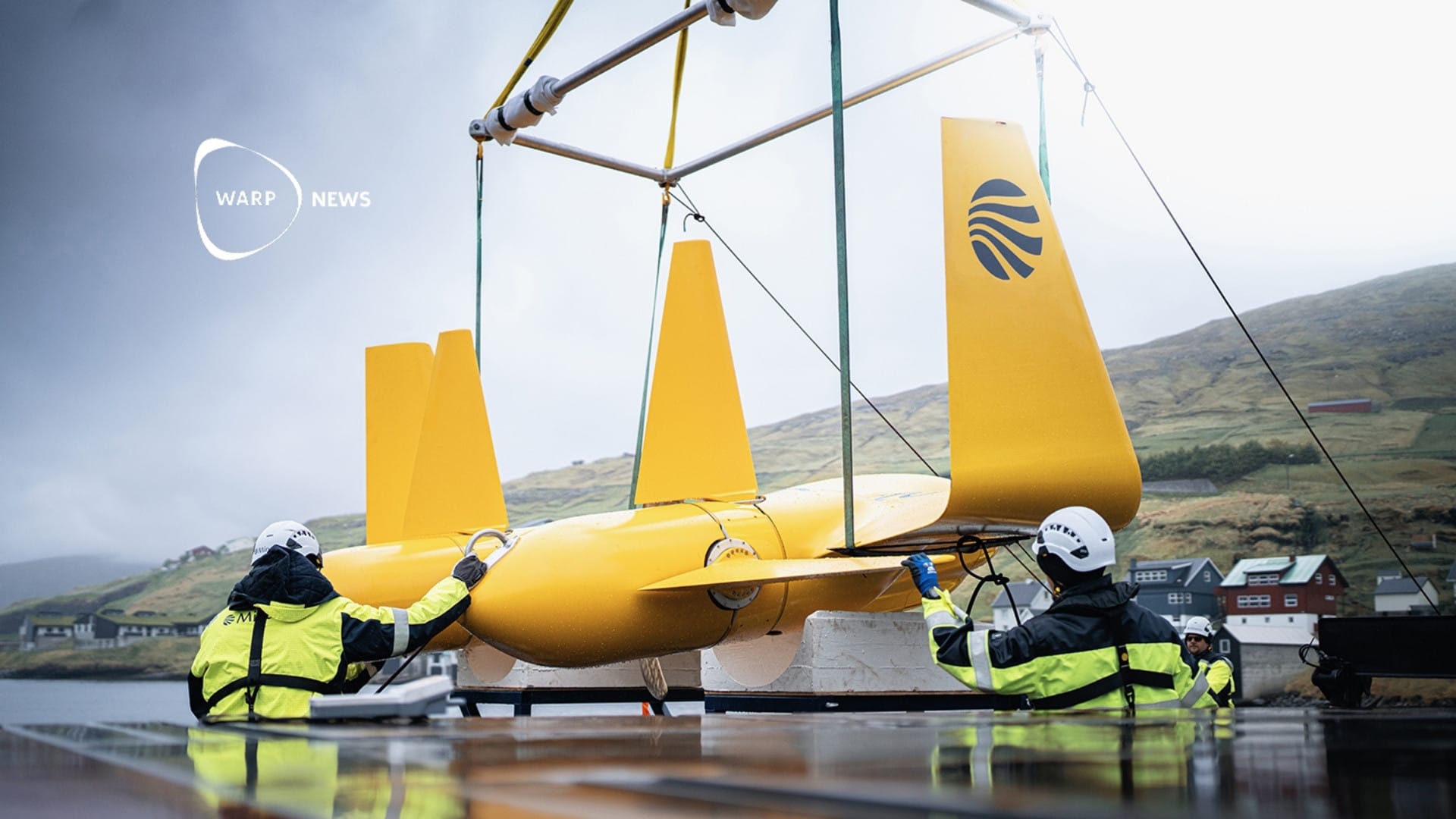
🌊 Minesto delivers ocean energy to the grid with tidal kites
Minesto's tidal kites have been generating electricity to the grid for three months. They generate electricity from ocean currents using a method similar to a kite flying in the wind. Test data shows that the technology is ready for commercial production.
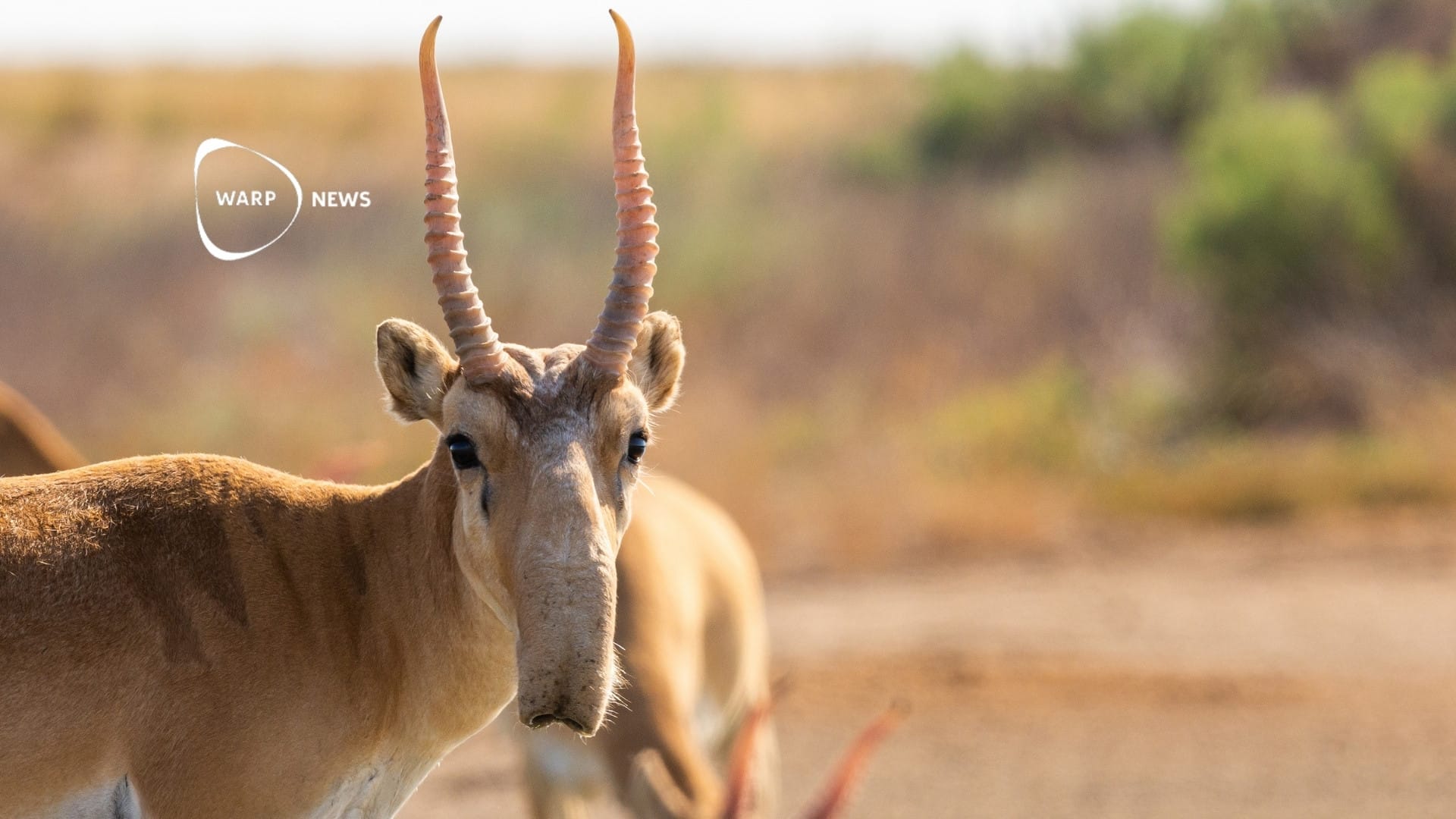
🦌 Saiga antelope goes from endangered to thriving
The saiga antelope population in Kazakhstan has increased from 21,000 in 2003 to 1.3 million today. The species has been reclassified from "critically endangered" to "near threatened" on the international red list.