


🌞 Scientists solve decade-long problem: Converting carbon dioxide to methanol (good for the climate)
The process occurs at room temperature and normal air pressure, simplifying the conversion. Achieving this at room temperature is something scientists have been trying to accomplish for several decades.
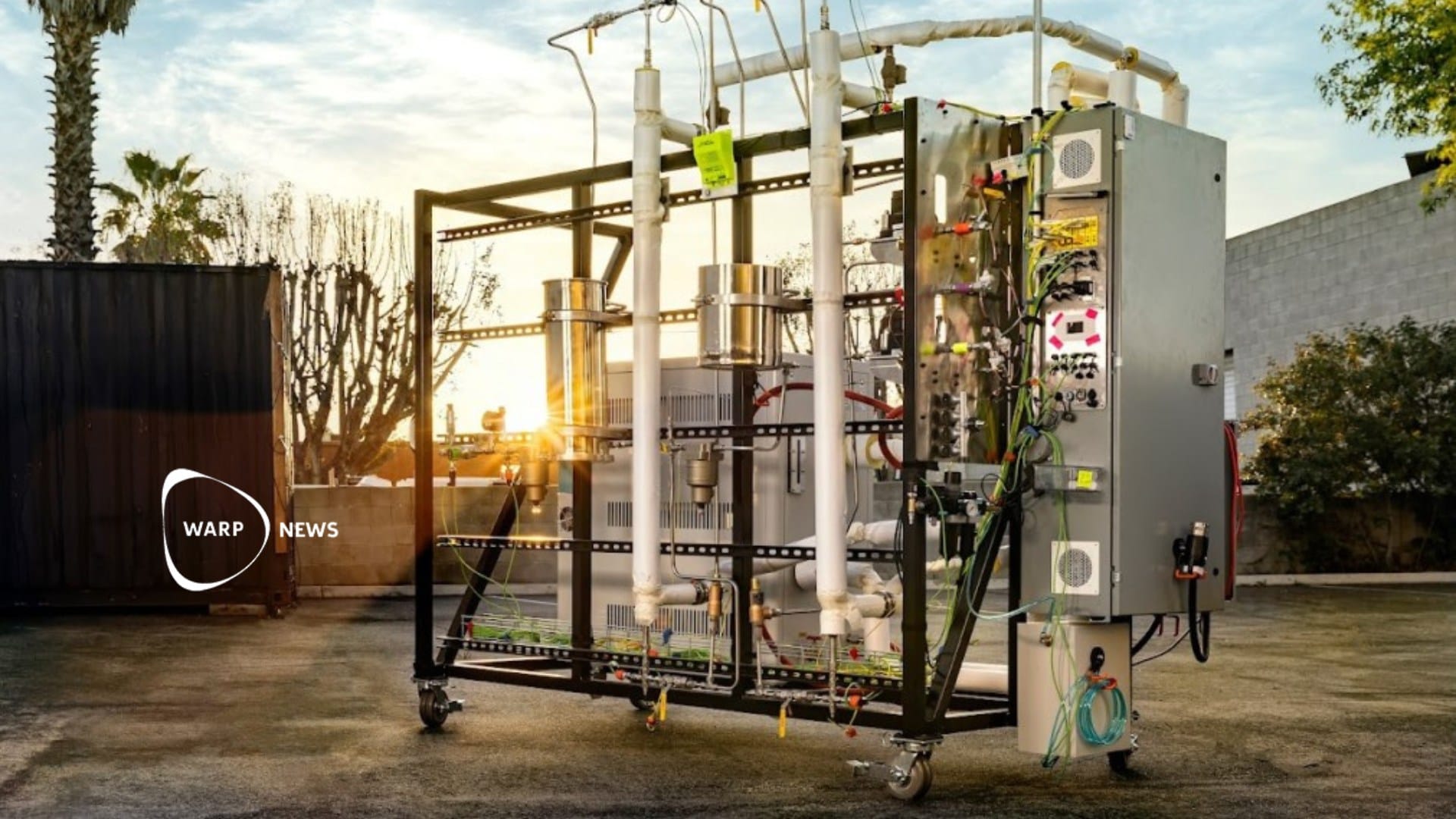
🏭 Terraform Industries converts electricity and air into synthetic natural gas for the first time
The company's process involves cost reductions, with the conversion of clean electricity to hydrogen for less than $2.50 per kilogram and CO2 capture for less than $250 per ton.

👩⚕️ Sharp decline in tuberculosis in Cambodia
The number of tuberculosis deaths has decreased by 45 percent during the 21st century. New cases of tuberculosis have also decreased by 45 percent during the same time period.
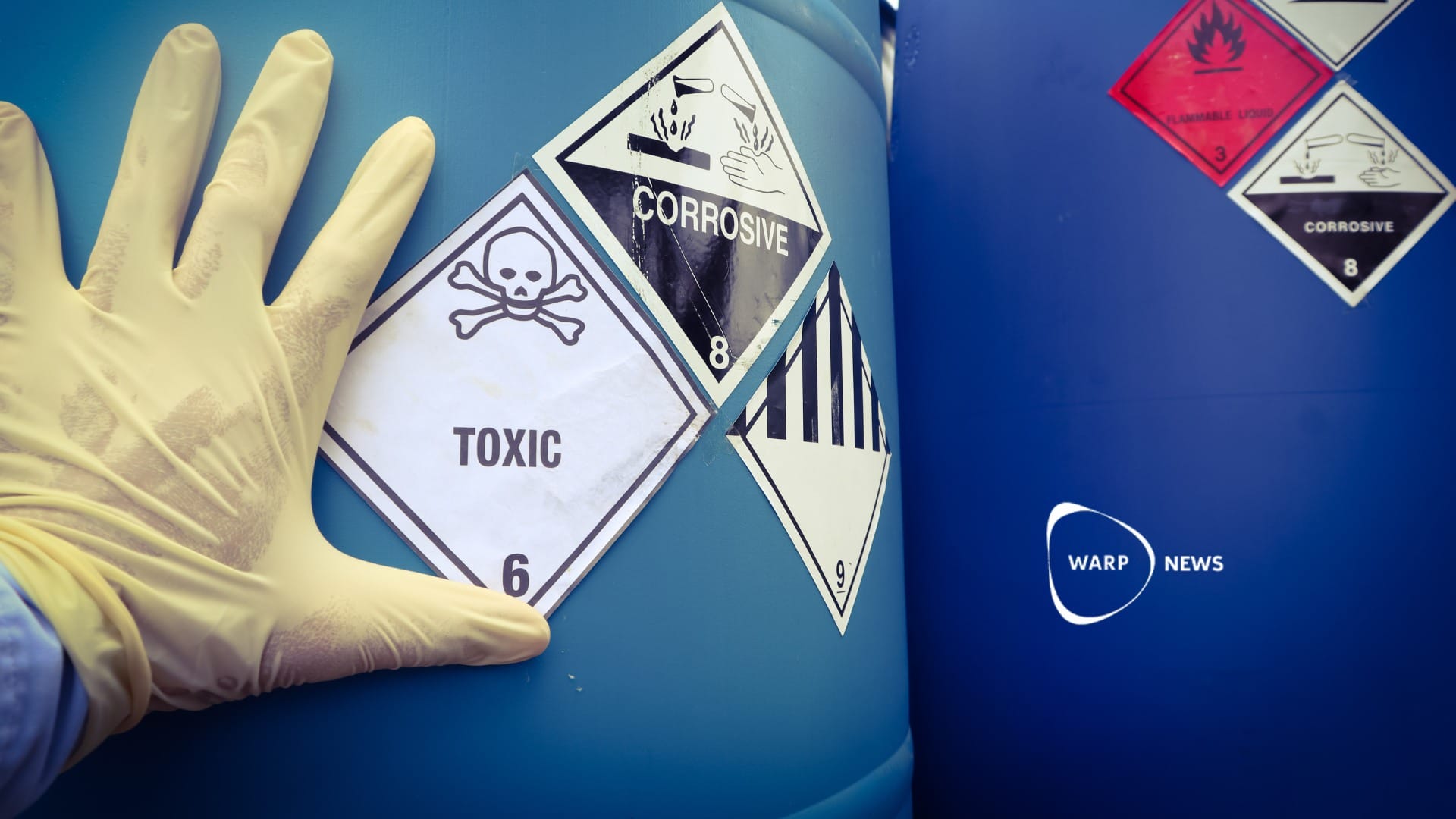
☣️ Toxic chemical emissions have decreased by 21% over ten years
Emissions of toxic chemicals in the USA decreased by 21 percent between 2013 and 2022. Over this ten-year period, emissions from manufacturing facilities decreased by 9 percent while the economic value that the manufacturing industry contributed to the American economy increased by 14 percent.
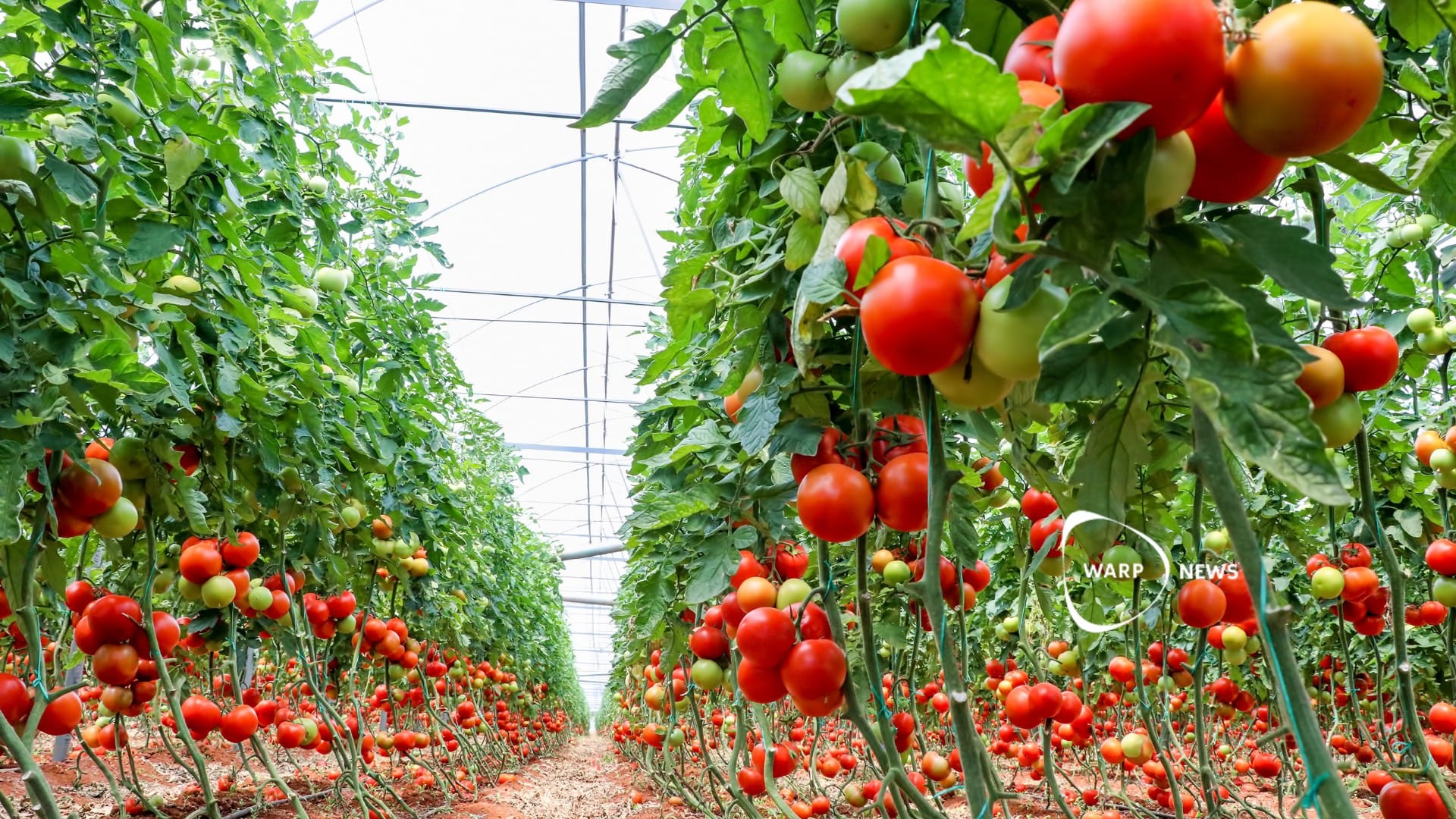
🍅 New CRISPR tomatoes require less water, but yield remains the same
Scientists have used CRISPR technology to create tomatoes that use water more efficiently. These tomatoes require less water to grow but still produce the same amount of tomatoes, with the same taste and quality.

🌽 The Food Price Index has dropped for the seventh consecutive month – the lowest in three years
The United Nations Food and Agriculture Organization (FAO) reports that the Food Price Index in February fell to its lowest level in three years. Prices for cereals, especially corn and wheat, decreased by 5 percent.

🌬️ Significantly improved air quality in Europe over the past two decades, study shows
A study led by the Barcelona Institute for Global Health demonstrates significant improvements in air quality across Europe. Levels of particulate matter and nitrogen dioxide have decreased by 1.7-2.7 percent per year.

🐖 Genetically modified pig kidney transplanted into human for the first time
For the first time, surgeons have transplanted a kidney from a genetically modified pig into a living person. This type of kidney could help reduce the shortage of organs.
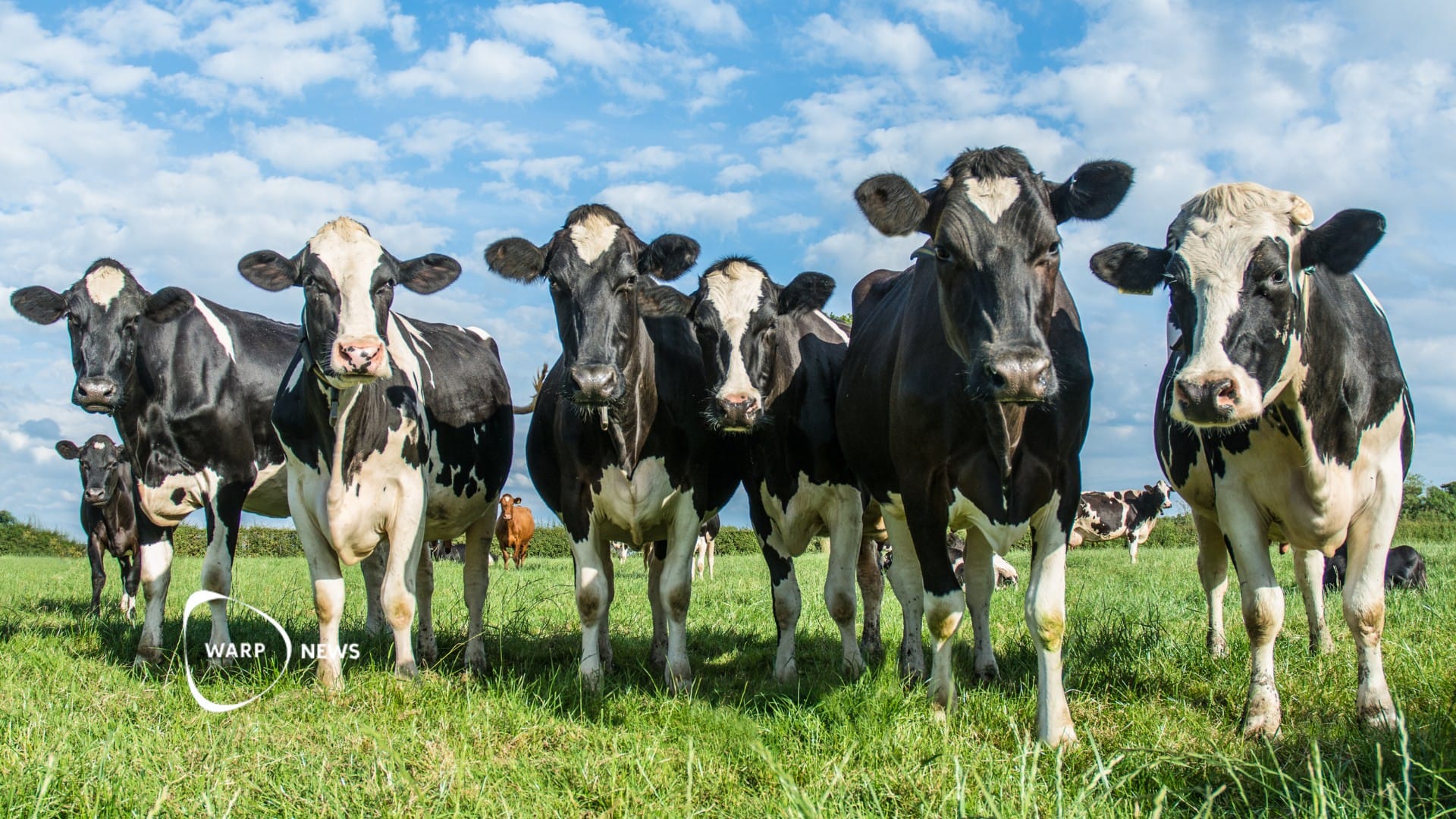
🥛 Genetically modified cows can produce milk containing insulin
Genetically modified cows have produced milk containing human insulin. The method can be scaled up to ensure availability and lower the cost of insulin for diabetics.