


🦾 AI generates more innovative research ideas than experts, large study shows
AI-generated research ideas were judged as statistically significantly more innovative than human experts' ideas in a large-scale study. Ideas generated by AI and then reranked by a human expert scored even higher on both novelty and excitement.
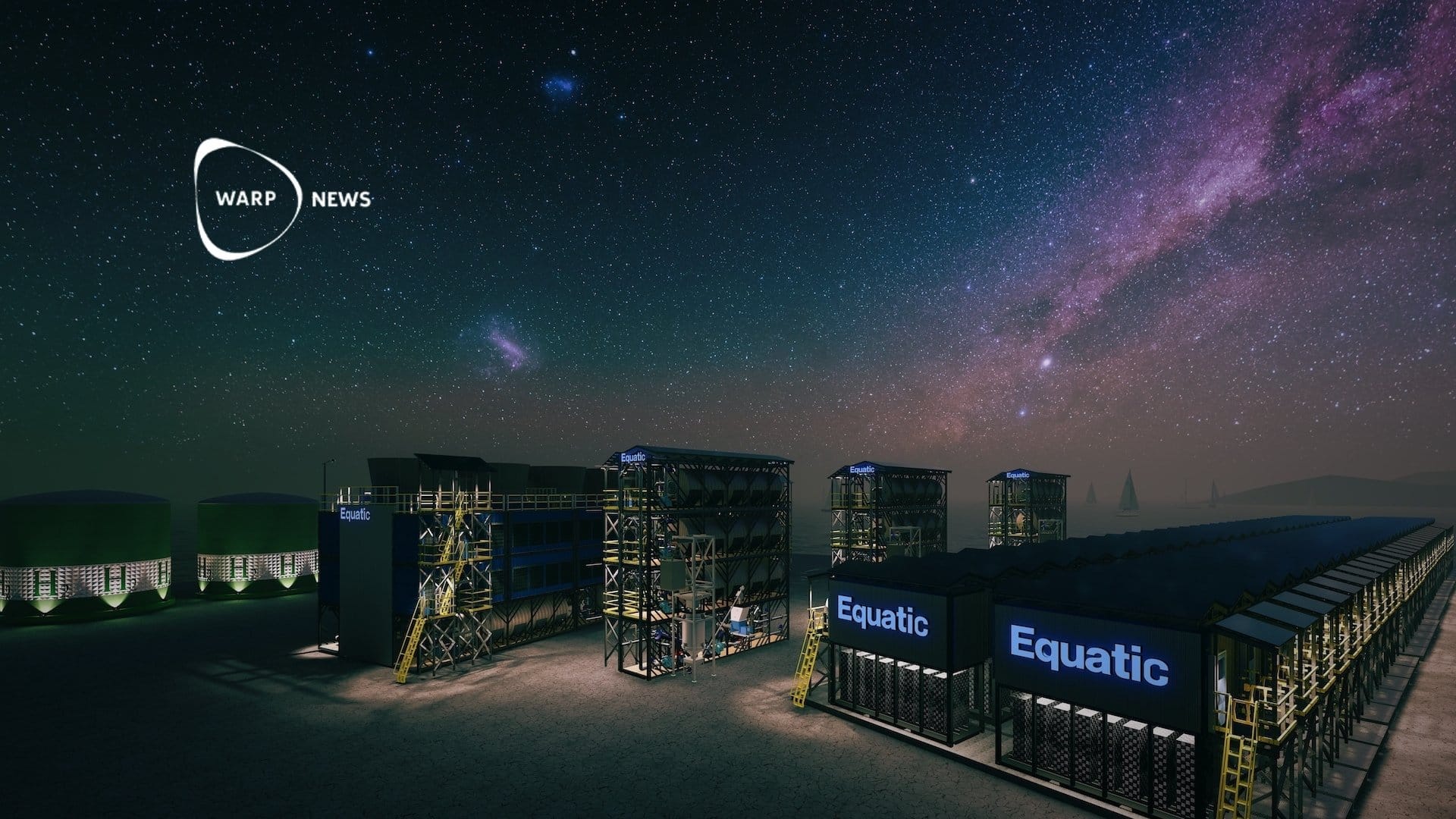
🌊 Breakthrough: Seawater becomes fuel without hazardous substances
The company Equatic has created a technology that extracts hydrogen from seawater without producing harmful chlorine. The method can simultaneously remove carbon dioxide from the atmosphere and store it in the ocean.

🧊 They are developing a technology to restore sea ice in the Arctic
The company Real Ice is developing a technology to preserve and restore sea ice in the Arctic. The method uses renewable energy to pump seawater onto the ice and create extra ice layers. Testing of the technology in Arctic conditions will soon begin.
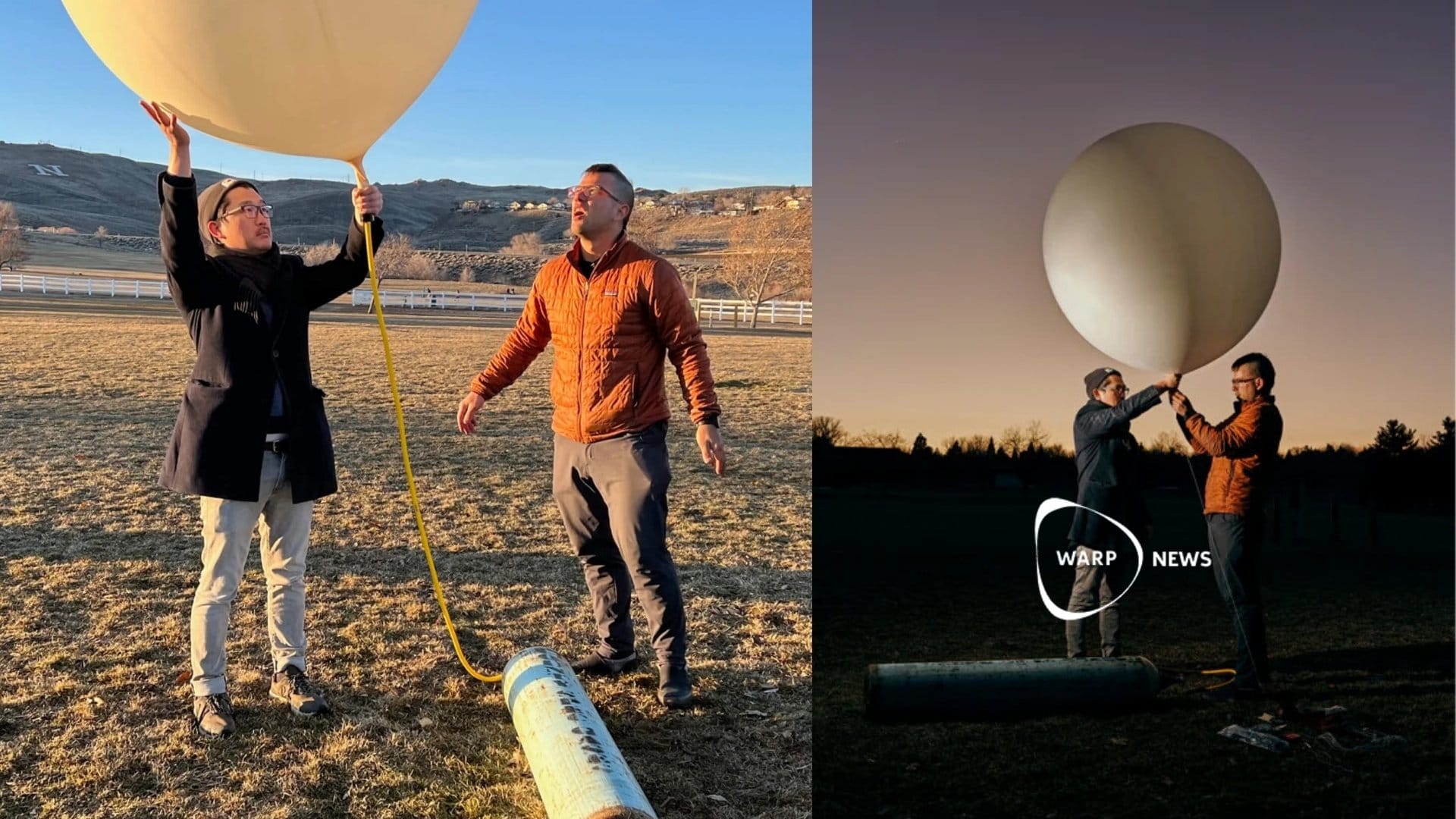
🎈 Startup wants to cool the Earth with lots of balloons
Make Sunsets has released 82 balloons with sulfur dioxide into the stratosphere. Solar radiation management is controversial but could potentially reduce global warming quickly and cost-effectively.
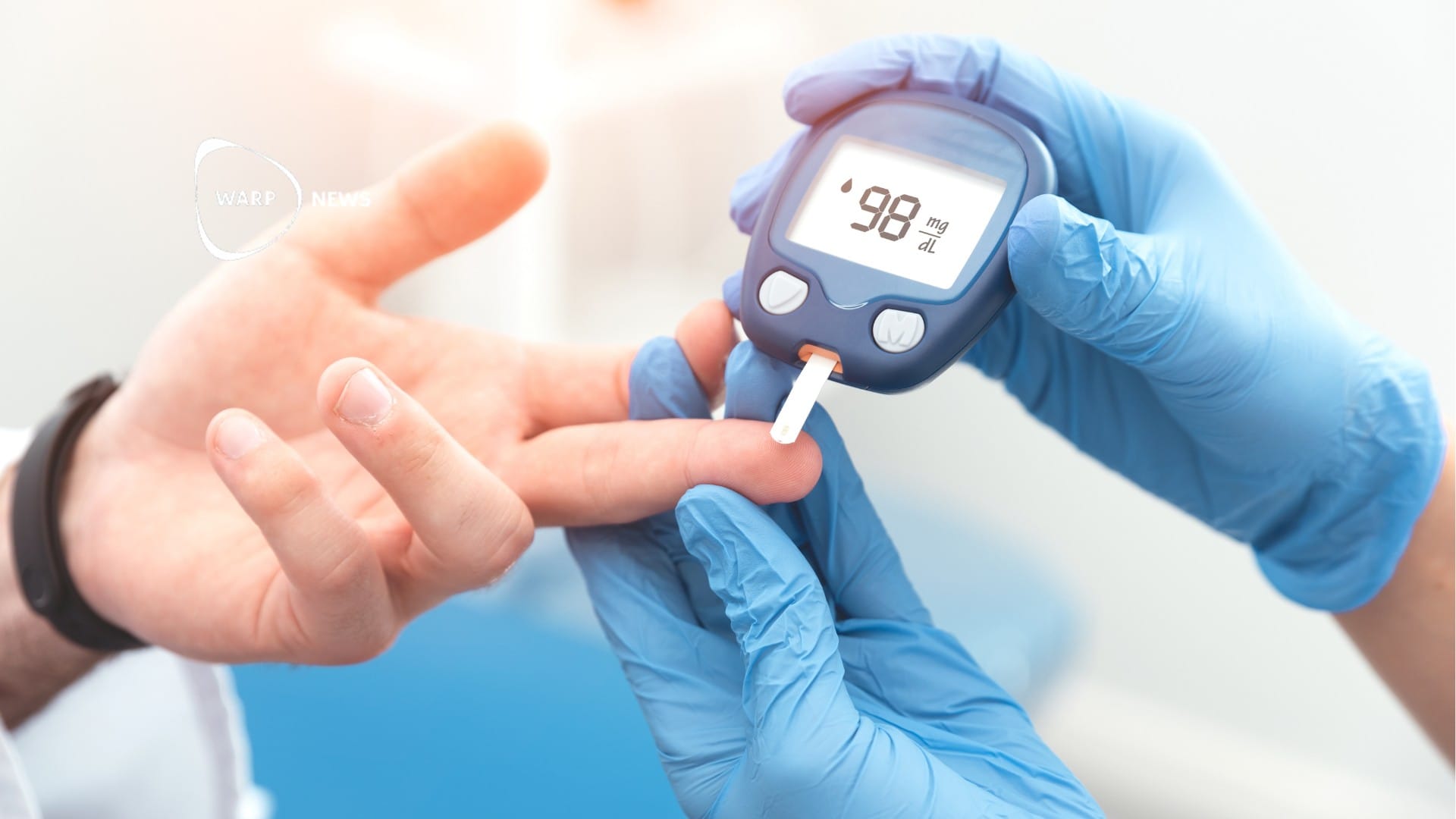
🩸 Stem cells from one's own body can cure type 1 diabetes
A 25-year-old woman with type 1 diabetes began producing her own insulin after stem cell transplantation. The woman has been insulin-free for over a year and can now eat whatever she wants.
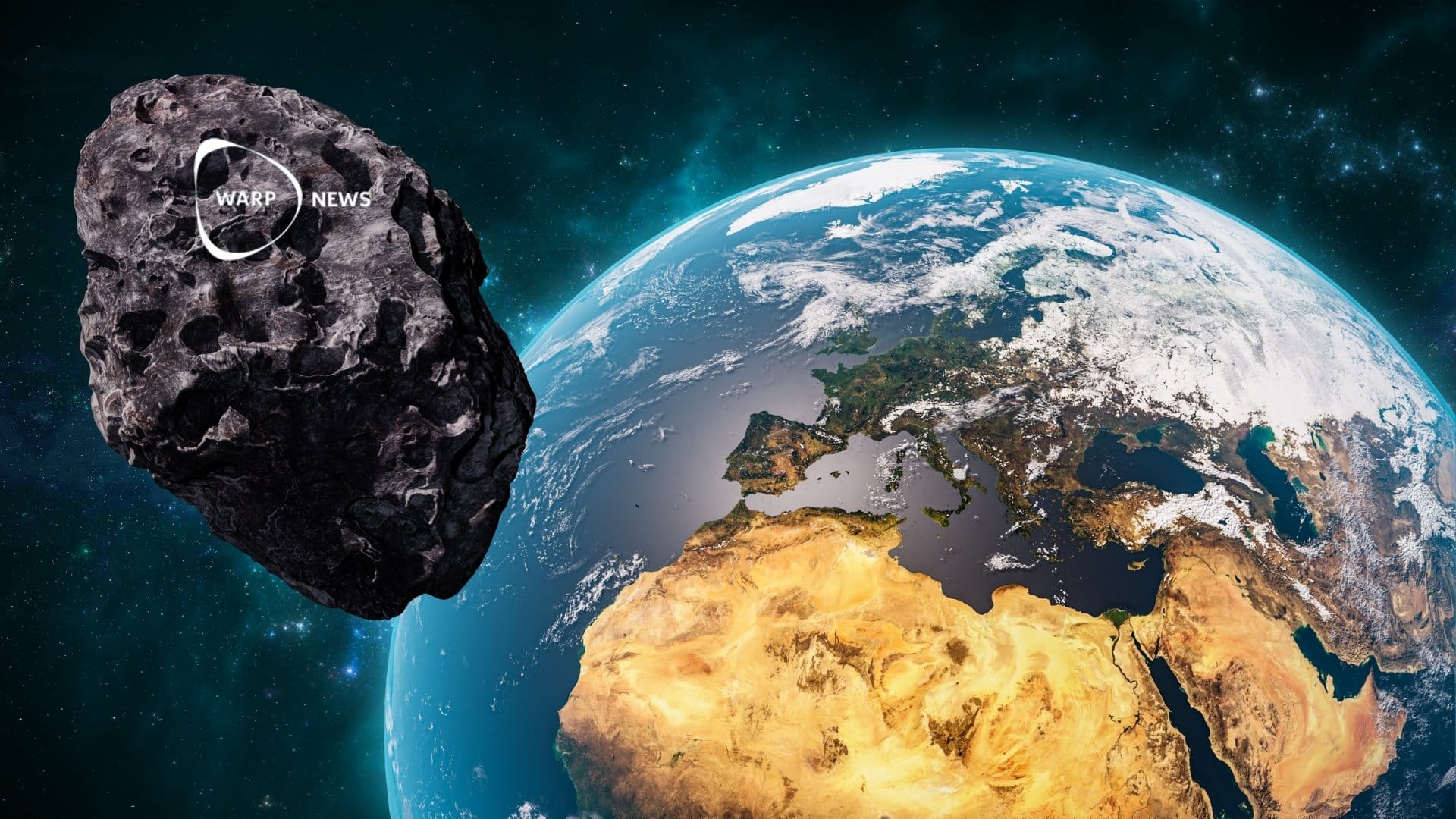
☄️ Scientists show nuclear explosion can deflect asteroid
Scientists have simulated the effect of X-rays from a nuclear explosion on asteroids. The results show that the method can provide sufficient force to change the trajectory of large asteroids. The technique could potentially be used to avert threats from asteroids up to four kilometers in diameter.
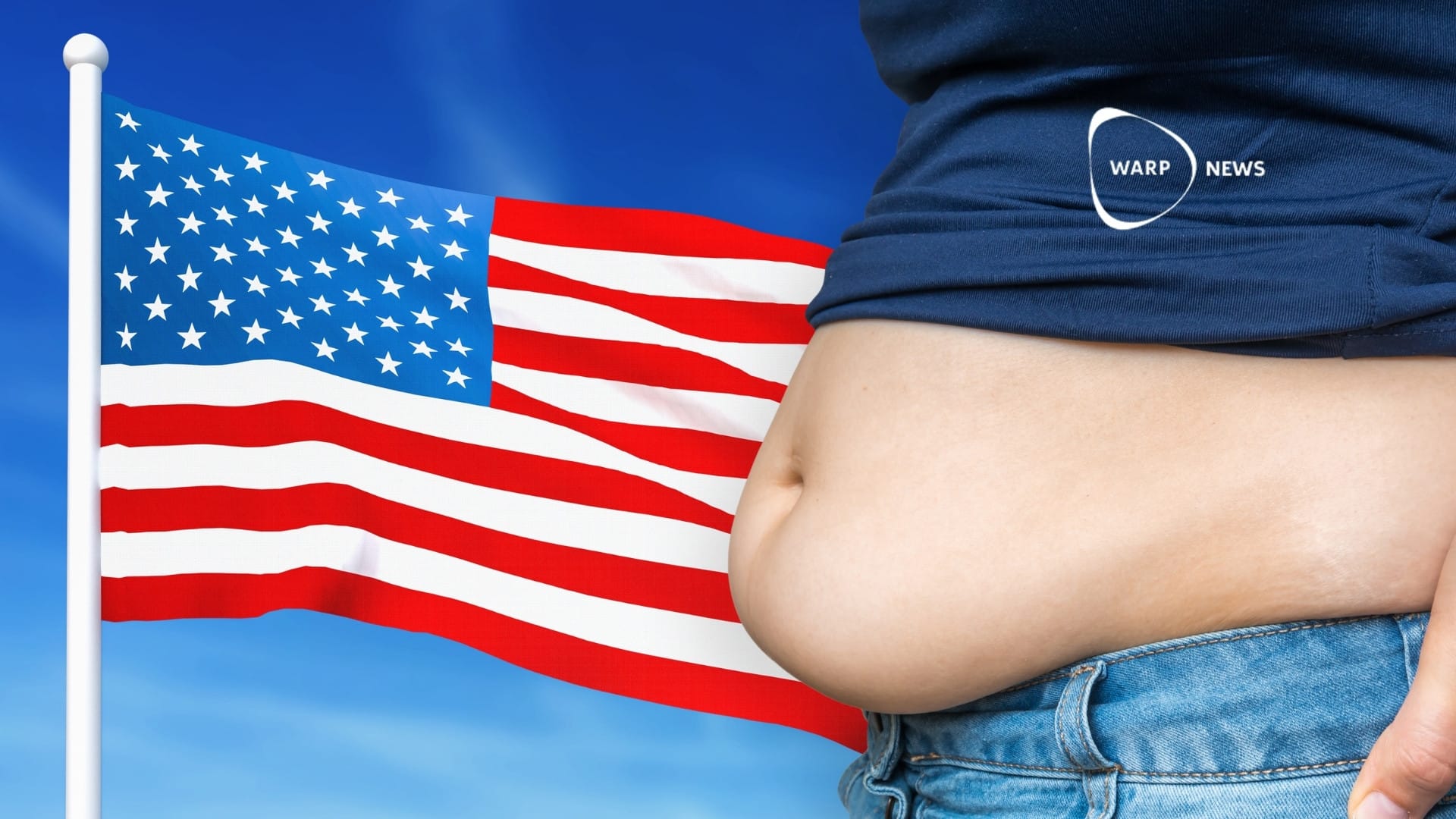
🤰 Obesity in the US is decreasing
Obesity among adults in the USA is 40.3 percent according to a new report. This is a decrease from 41.9 percent in 2020. It breaks a trend of annual increases that has been ongoing since 2011.
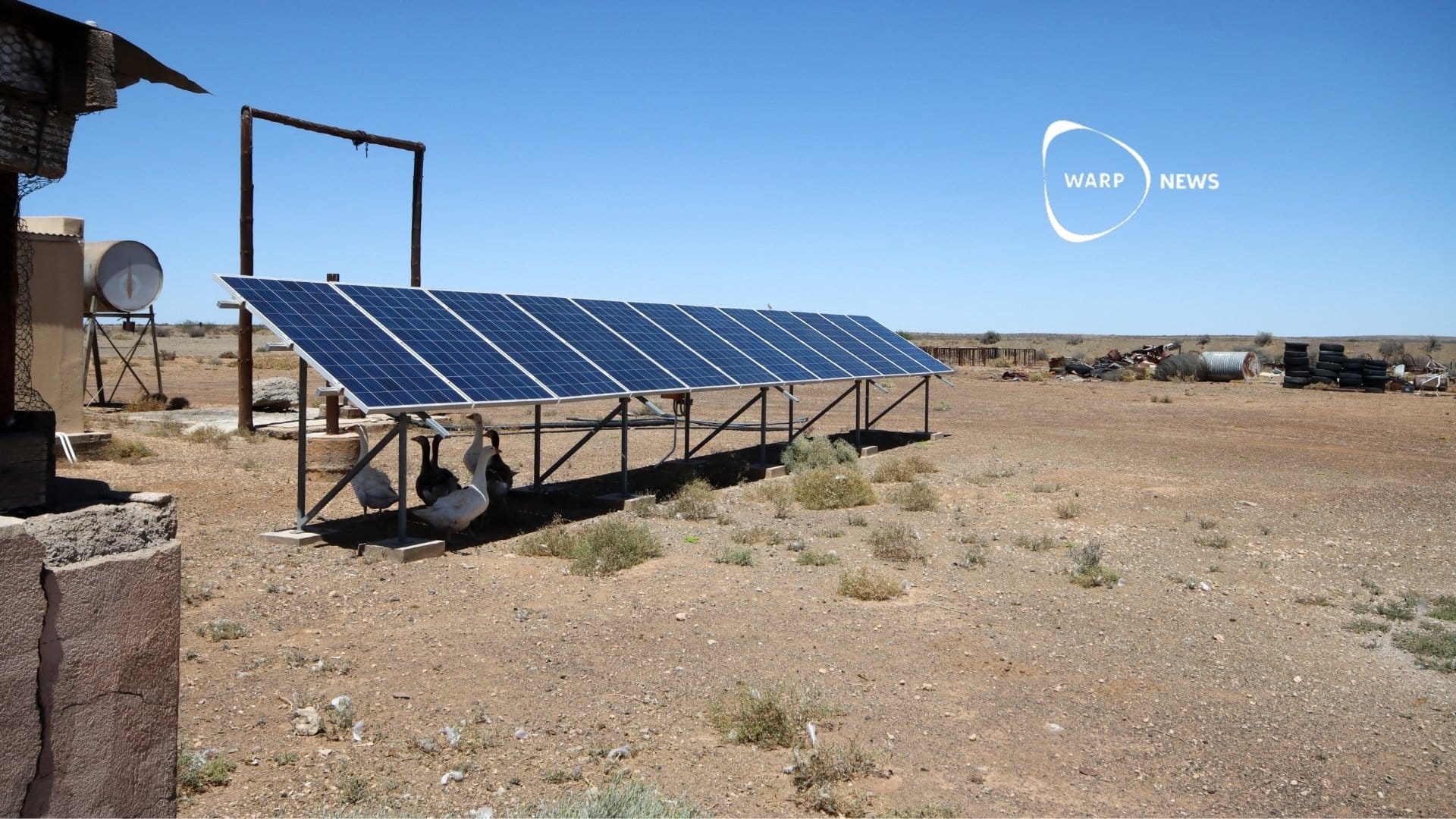
🌍 Plan to provide 300 million Africans with access to electricity
Mission 300 is the name of the plan to provide 300 million Africans with access to electricity by the end of 2030. A total of 90 billion dollars is needed to succeed. The World Bank and African Development Bank are contributing 30 billion dollars.
📉 Global extreme poverty has returned to pre-pandemic levels
During the pandemic, the number of extremely poor people in the world increased for the first time in a long while. Now the numbers have turned downward again and are reaching the same level as before the pandemic, below 9 percent.