


❌ UK closes last coal power plant - end of a 142-year era
The UK will close its last coal power plant in October 2024, marking the end of a 142-year era. Coal's share of electricity production has decreased from 40% in 2012 to zero in 2024, one of the fastest energy transitions in the world.

👩💻 Google paves the way for practically usable quantum computers
Google has built a quantum computer that makes fewer errors as it scales up. The company has passed an important threshold for error correction in quantum units. This paves the way for practically usable quantum computers in the future.
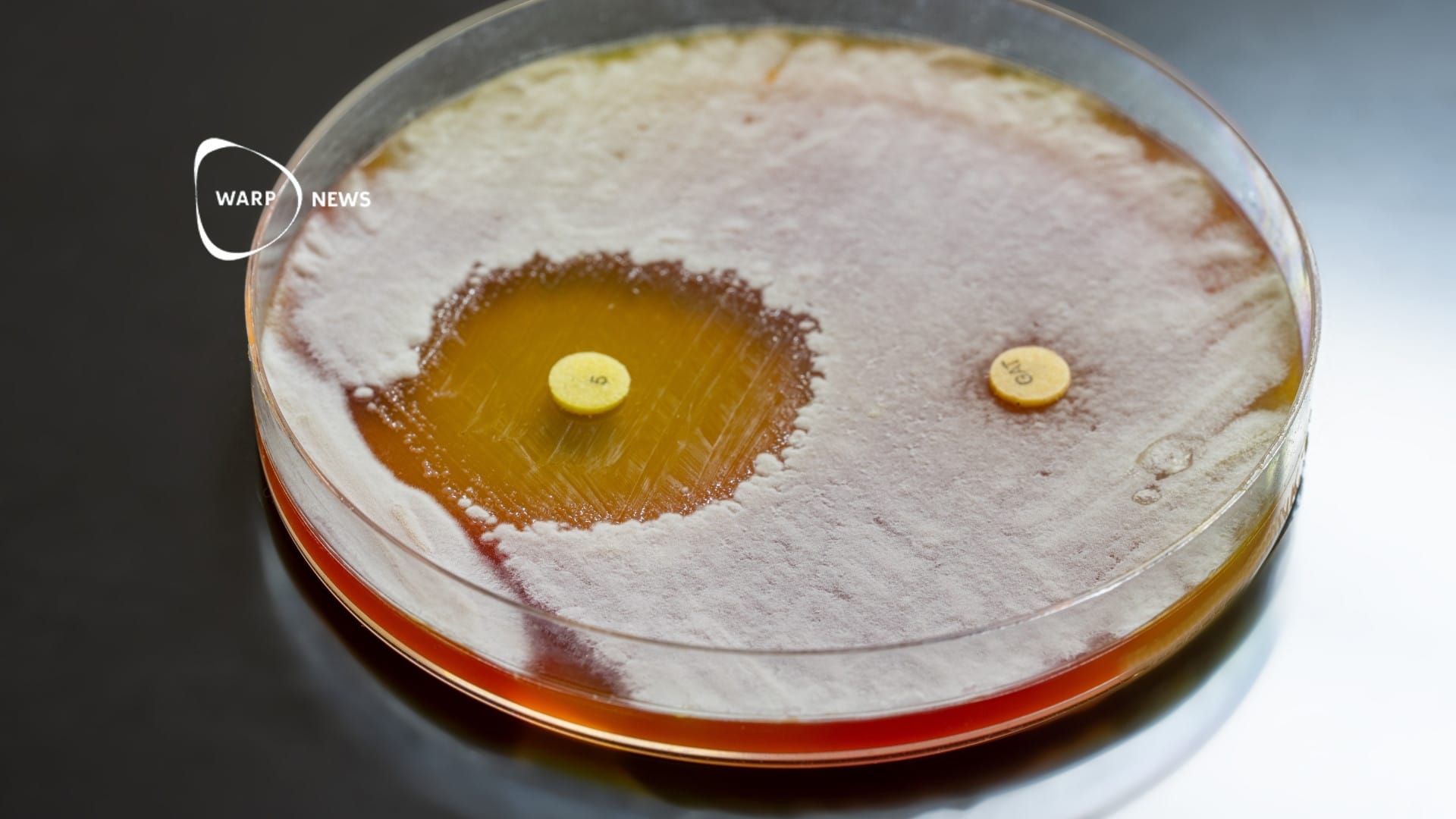
🧫 DARTS takes up the fight against antibiotic resistance
A major research project called DARTS has been launched to combat antibiotic resistance. Researchers are using new methods such as AI and microfluidics to find new antibiotics faster. Improved diagnostics can reduce unnecessary antibiotic use and slow down resistance development.

📱 Facebook and Instagram algorithms affect user behavior but not their political views
The study found no noticeable effect on political polarization among users. Users' knowledge about the election was not affected by the change in feed algorithm. Self-reported voter turnout remained unchanged despite significant differences in user experience.

📊 The use of generative AI is growing faster than computers and the internet
Generative AI is used by 39 percent of Americans aged 18-64, just two years after its introduction. This is a significantly faster growth compared to personal computers and the internet in their early years.

🍛 Indian households' food expenses have decreased significantly
Indian households' food expenses have fallen to less than half of total expenditures for the first time since 1947. The proportion of households' total expenses going to food has decreased considerably across the country.
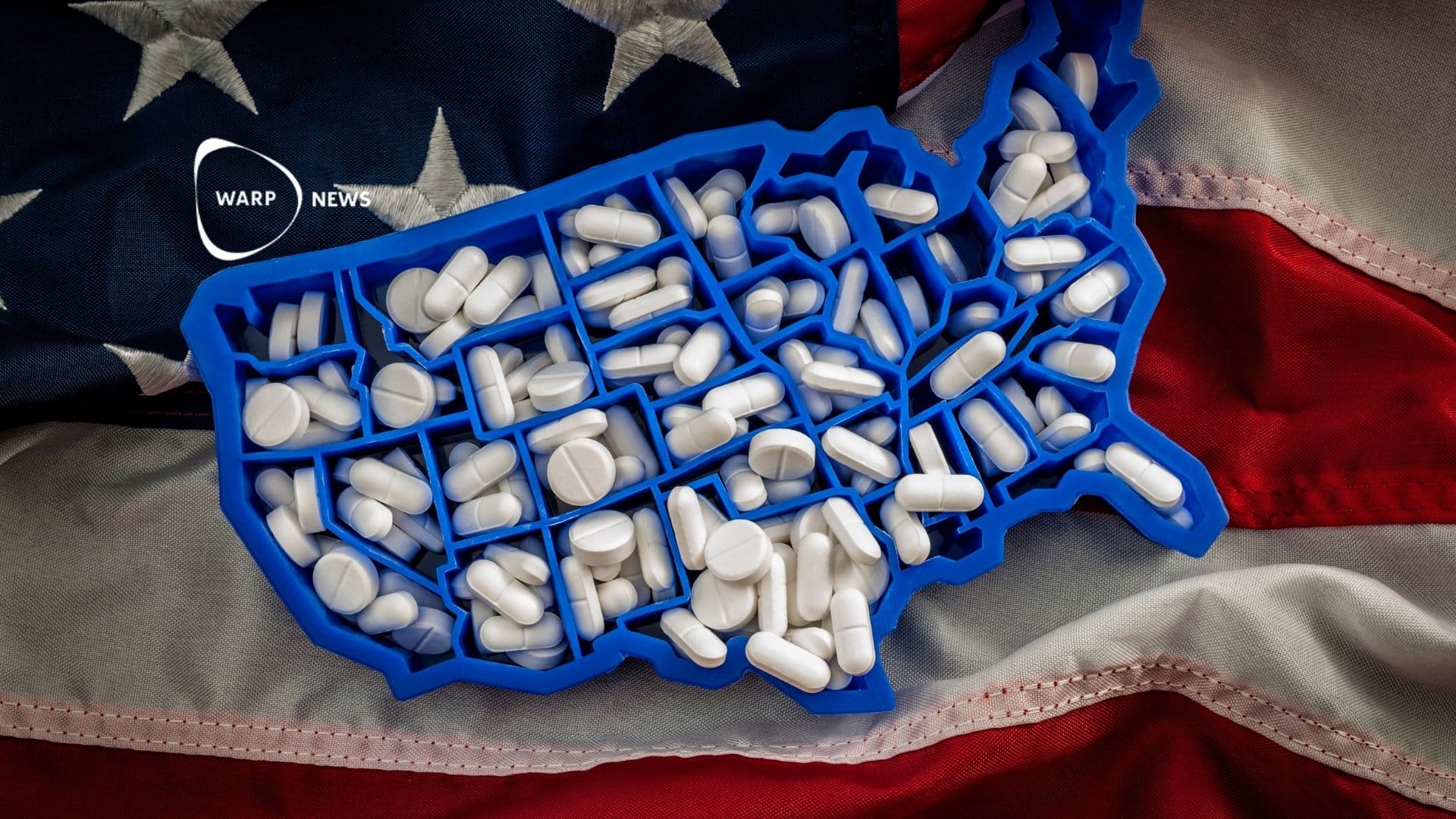
💊 Overdoses from opioids are finally beginning to decrease in the US
The number of deaths from overdoses in the USA has decreased since fall 2023. This applies to both overdoses in general and overdoses related to opioids, including fentanyl.

💉 New method can reduce diabetes medication dosing to once a month
French researchers have developed a system that can reduce the dosing of diabetes medication to once a month. The drug is particularly effective in managing type 2 diabetes and is available in both injectable and oral forms.

🎗️ Skin cancer decrease among younger people in Sweden, the first country in Europe
The risk of malignant melanoma is decreasing for people under 50 in Sweden since 2015. Improved awareness of sun protection and reduced access to tanning beds contribute to the decrease. Mortality from skin cancer has also decreased for age groups up to 59 years.