

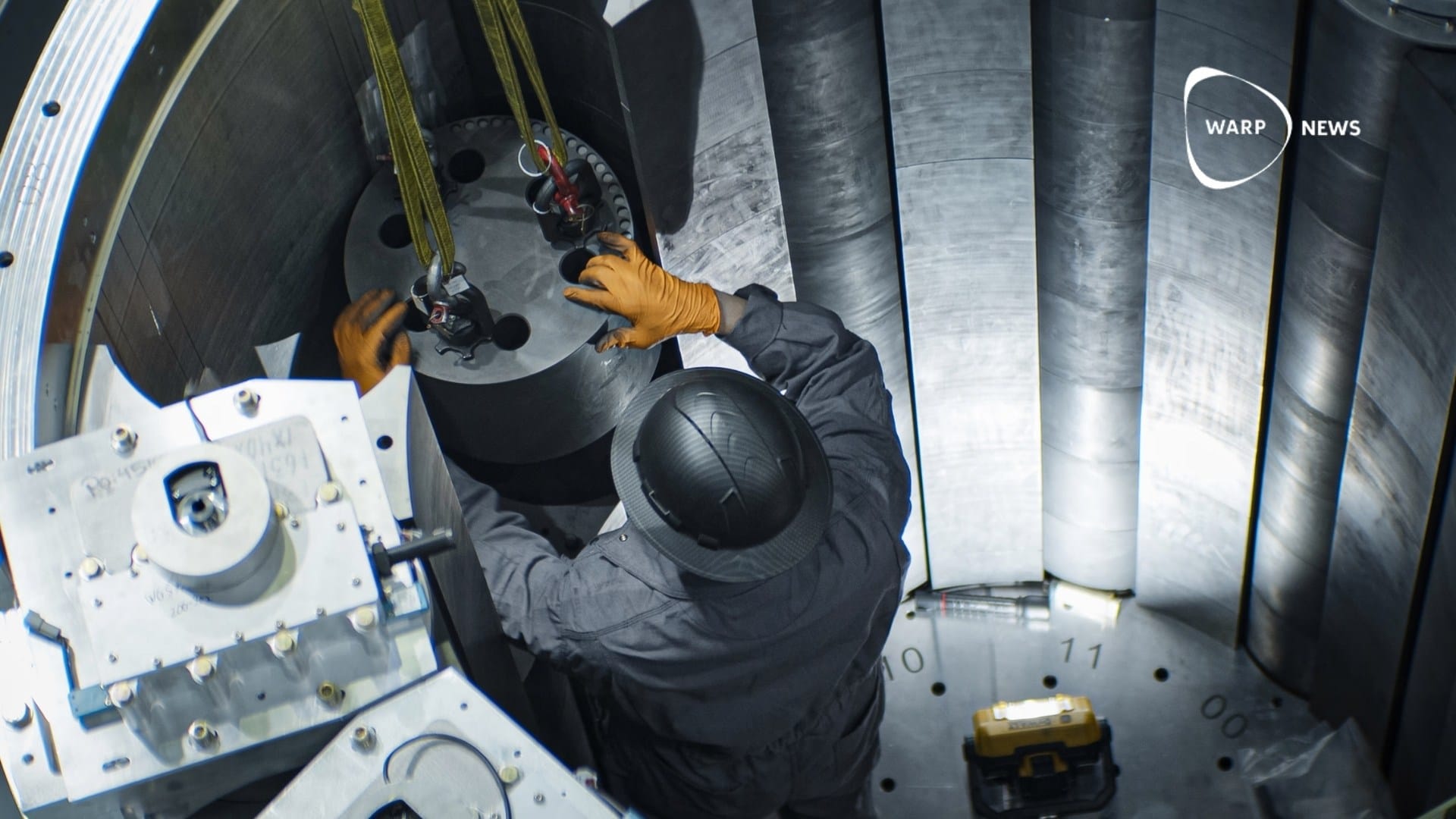
☢️ Microreactor went from idea to chain reaction in under a year
American nuclear power has long been marked by delays, where a single reactor design could take a decade to test. Antares' microreactor Mark-0 started a stable nuclear reaction in under twelve months. That made them the first private company to take an advanced reactor there within the program.

🦾 AI has designed an entirely new kind of vaccine for the first time
Ordinary vaccines target a current strain of a virus and quickly become outdated when it mutates. The new method instead makes it possible to design a vaccine that protects against an entire virus family at once.This means the vaccine can provide protection even against future mutations.

🧠 Several advances are changing the fight against Alzheimer's
For the first time, simple blood tests can show whether a person has Alzheimer's disease. Two drugs that slow the progression of the disease have been approved by the FDA. The number of patients researchers can screen for clinical trials has risen from a couple per day to several hundred.

🧮 AI solves a math problem that had remained unsolved for 80 years
OpenAI's AI model solved the so-called unit distance problem. The problem was posed by the mathematician Paul Erdős around 80 years ago and had remained unsolved ever since. Several prominent mathematicians confirm that the solution is on par with work produced by humans.

🫘 Injectable mini livers could become an alternative to transplantation
Researchers at MIT have developed mini livers that can be injected into the body and take over functions from a failing liver. The technology could help patients who are currently not healthy enough for a transplant.
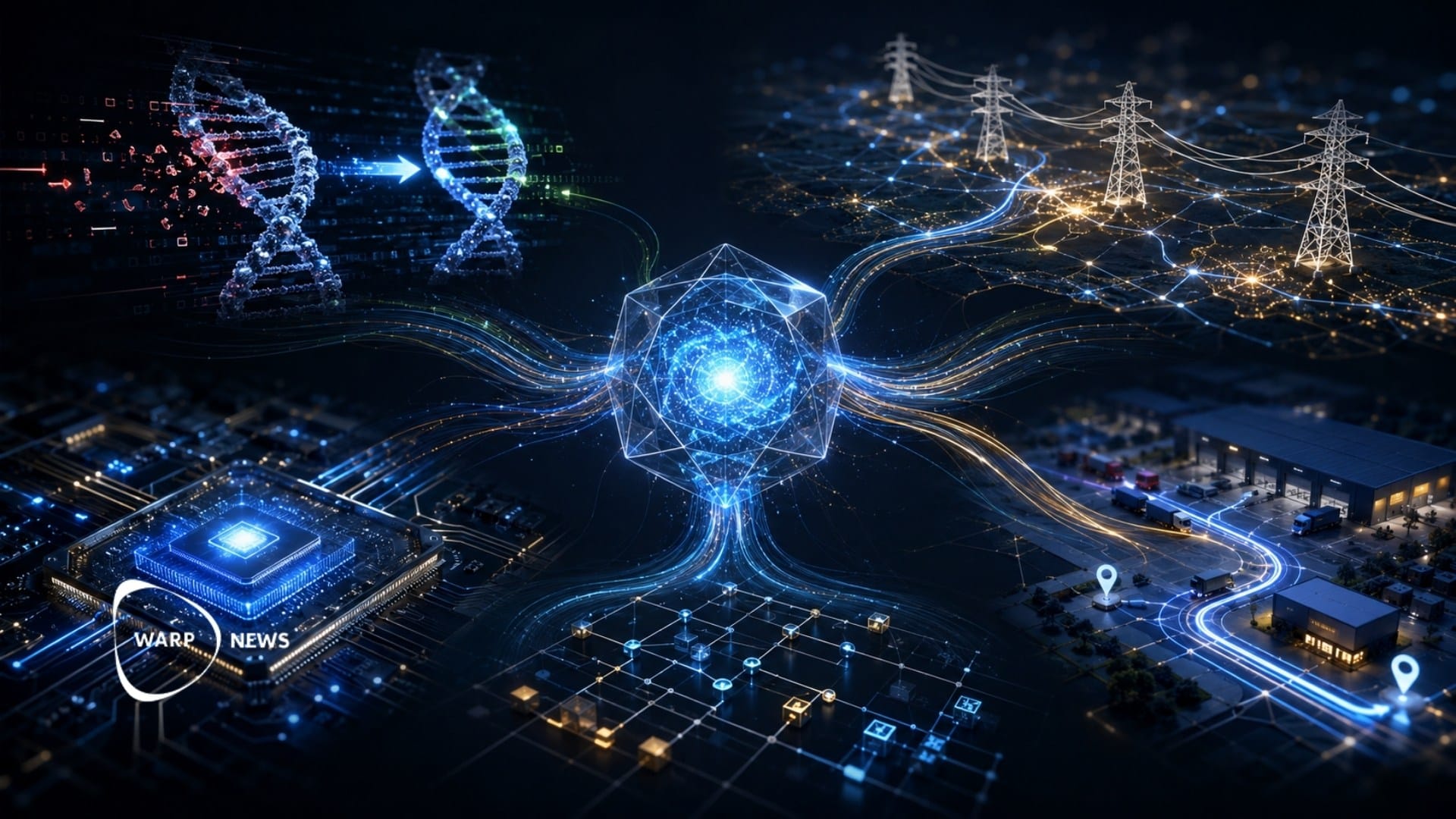
🤖 The AI that solves unsolved problems now works on healthcare, power grids, and industry
A year ago, Warp News reported on AlphaEvolve, an AI system from Google DeepMind that finds new algorithms in mathematics and computer science. Now Google has reported what the system has accomplished over the past year, in everything from genomics to power grids and data processing.
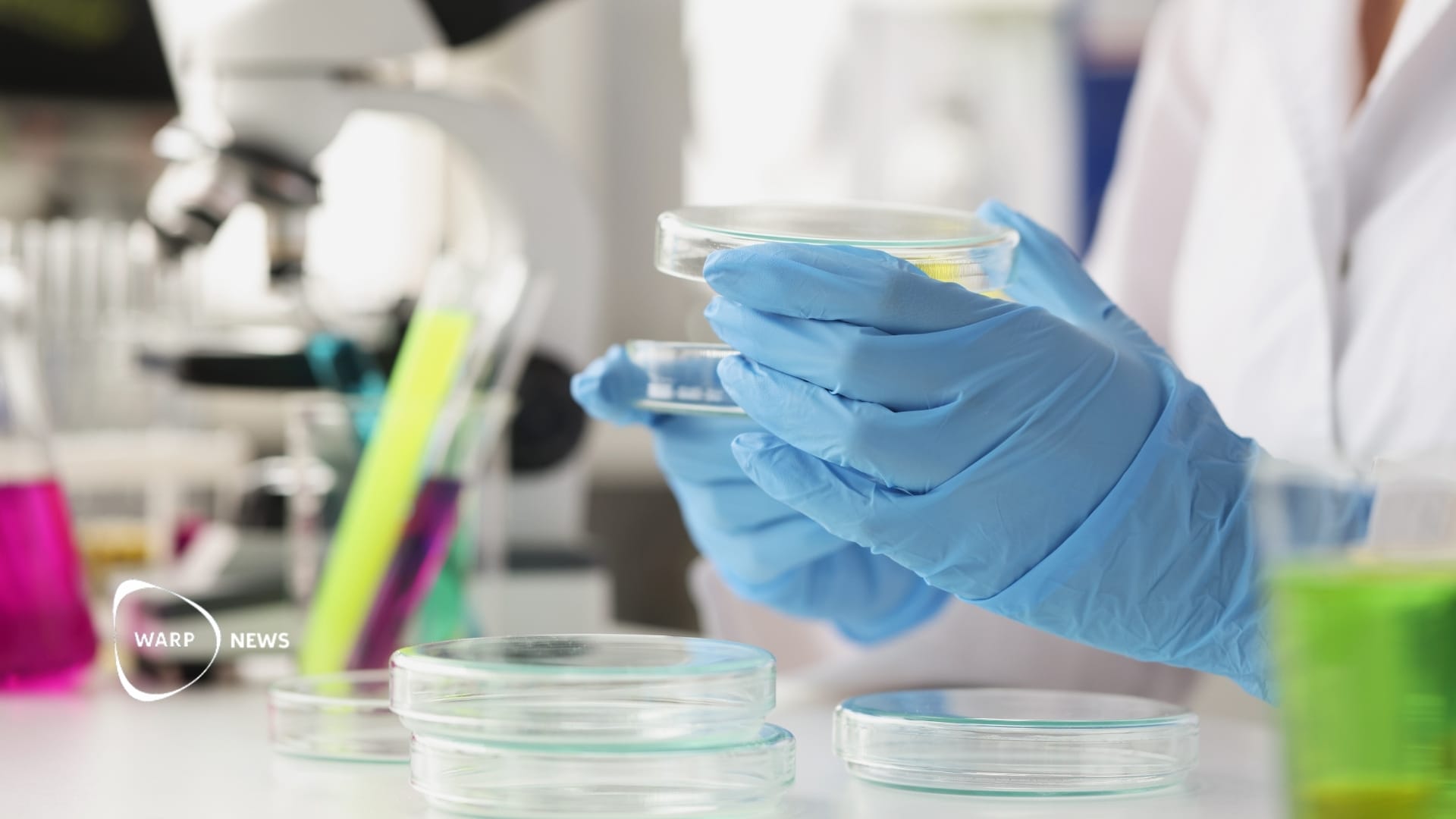
🧤 Residue from lab gloves has inflated microplastic counts in the environment
Earlier measurements of microplastics in the environment have been too high. The cause is residue from common lab gloves that was counted as plastic. Now researchers have developed a way to separate glove residue from actual microplastics.

🦾 AI text online has not increased factual errors
The researchers found no statistical link between more AI text and more factual errors online. Fears that writing styles, source links, and meaningful content would deteriorate were not confirmed in the measurements either.

🤑 Swedes have become three times wealthier and also more equal in the 21st century
Median wealth rose by nearly 400 percent between 1999 and 2020. The richest 10 percent reduced their share of total wealth from 67 to 57 percent. The share of adults with no net wealth fell from 21 to 16 percent.