

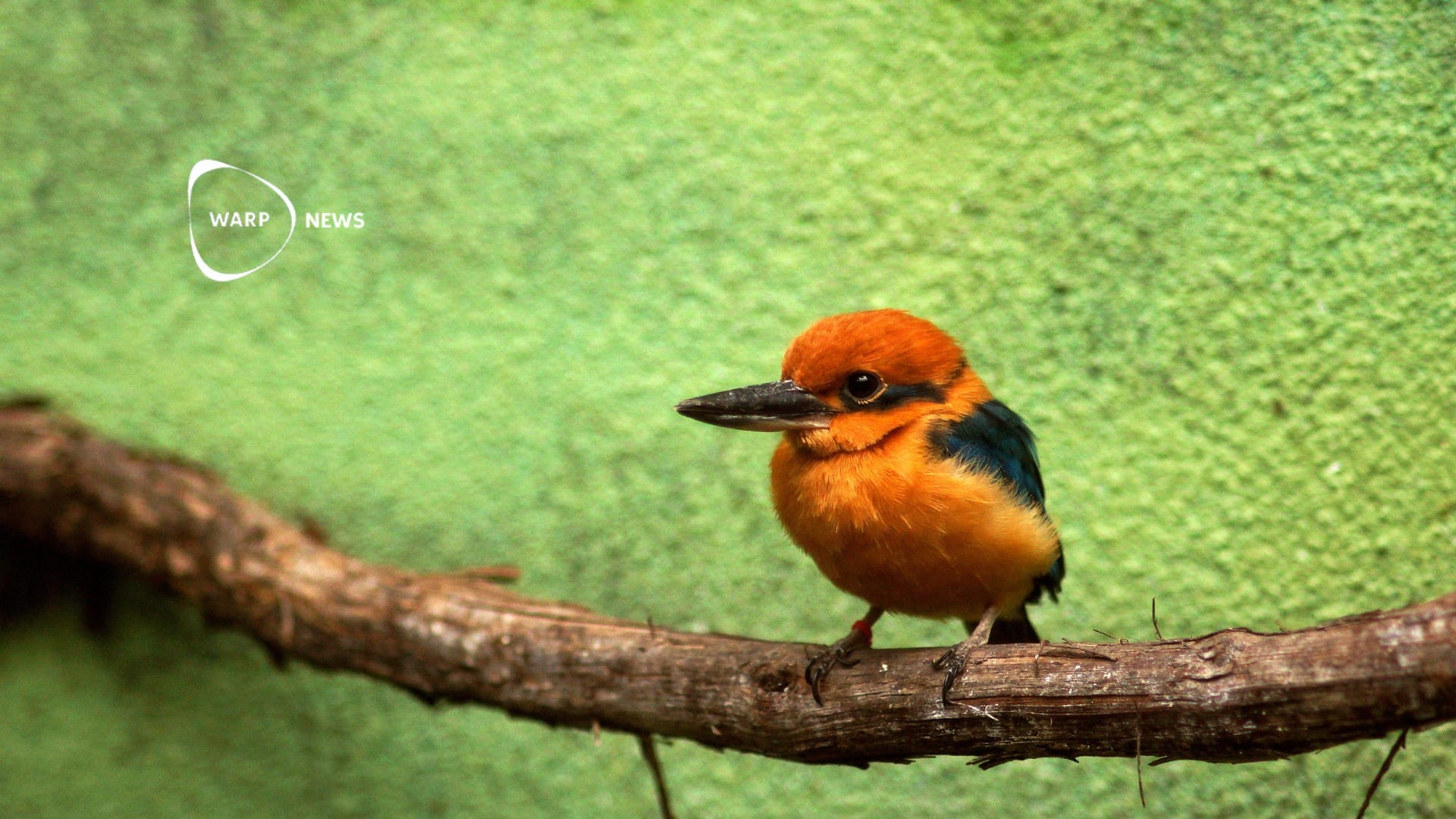
🐦 The Guam kingfisher may soon be free in the wild after a 30-year absence
Almost 140 Guam kingfishers live today in 25 facilities worldwide. But the plan is for them to soon also exist freely in the wild.

🦾 Oslo buys ChatGPT for 110,000 students and teachers
The introduction of ChatGPT in schools can be compared to the introduction of the textbook, says Trond Ingebretsen, division director in the Education Agency.
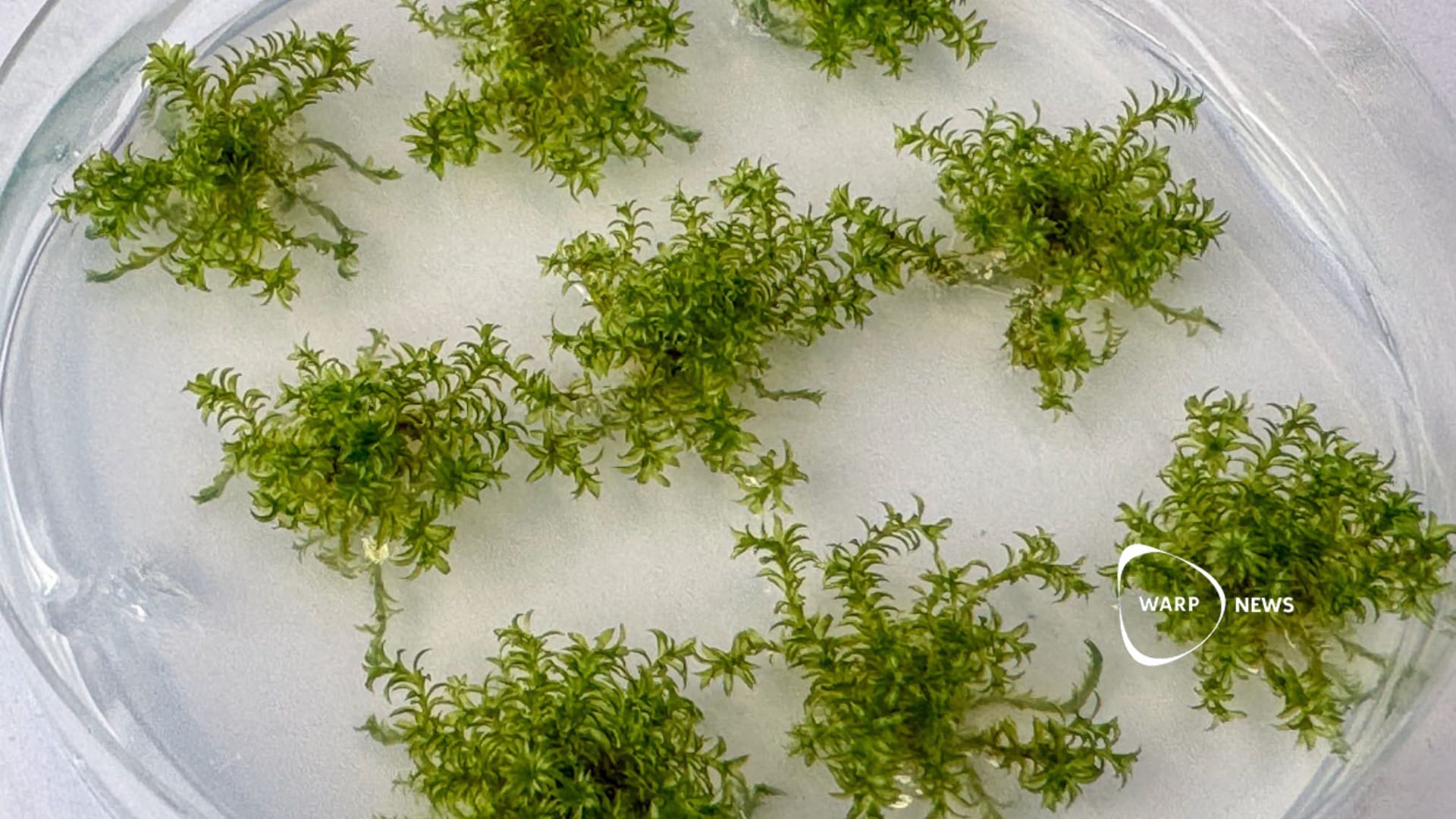
🌱 We are close to creating the first artificial plant genome
Scientists have created a partially synthetic version of moss for industrial use. This could lead to new methods for producing medicines and other products.
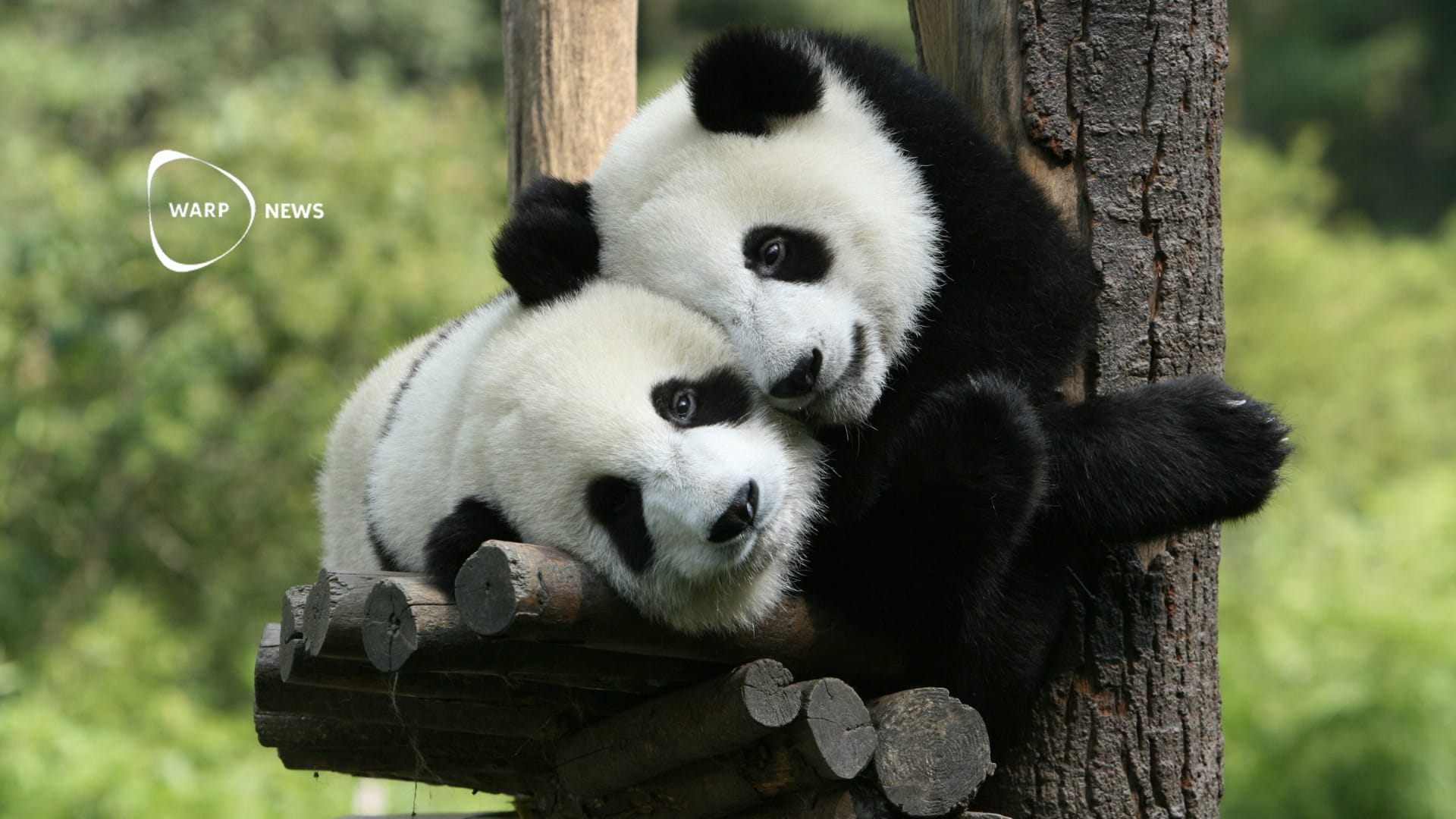
🐼 Giant pandas in the wild have almost doubled
There are now about 1,900 giant pandas in the wild, compared to about 1,100 in the 1980s. The International Union for Conservation of Nature has changed the giant panda's status from "endangered" to "vulnerable".
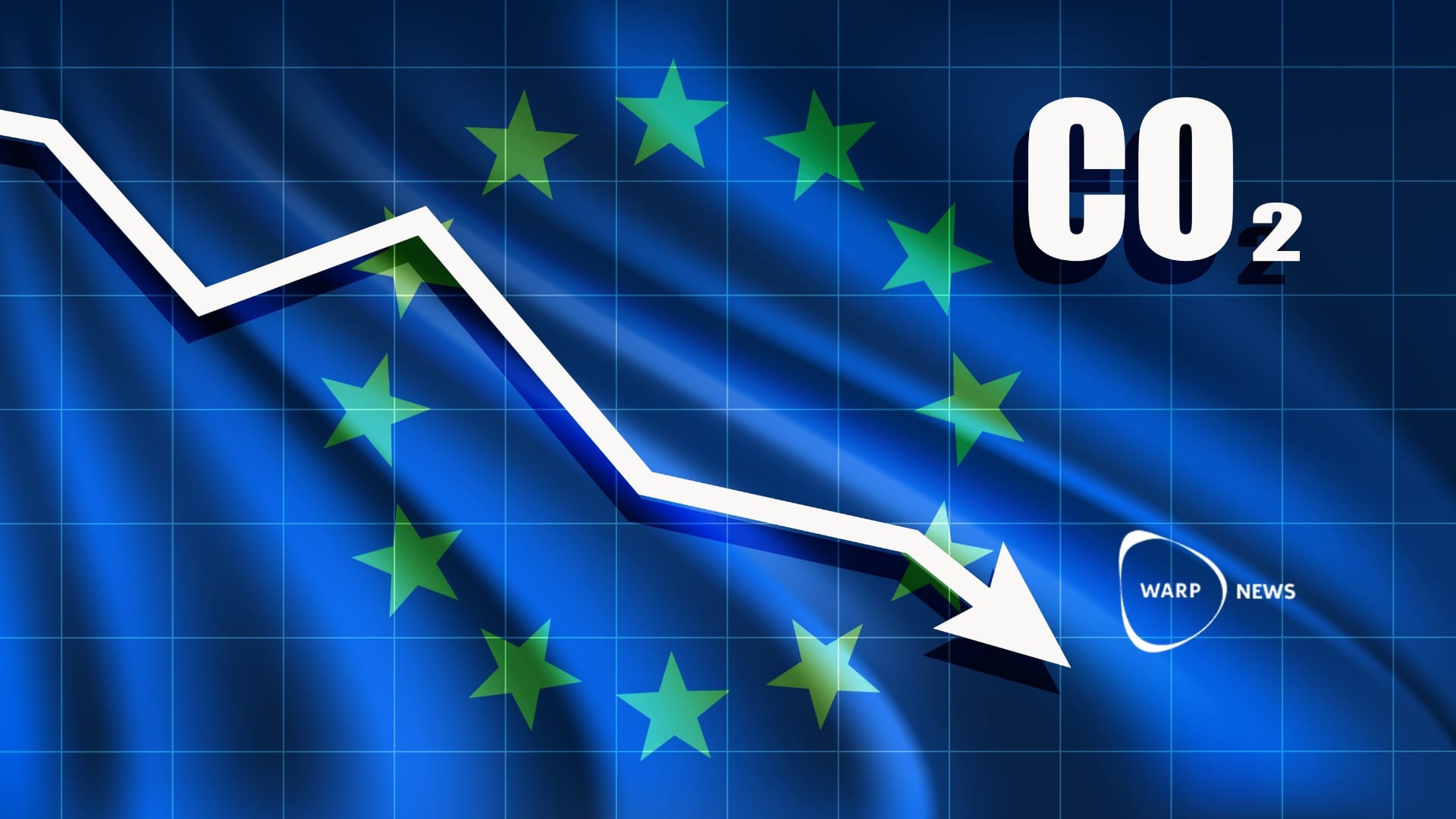
📉 EU's fossil CO2 emissions reach lowest level in 60 years
EU countries reduced their carbon dioxide emissions from fossil fuels by 8 percent in 2023 compared to 2022. More than half of the reduction in emissions came from the use of cleaner electricity.

🏆 The Vesuvius challenge solved! We can read the first scroll
Two thousand years ago, an ancient library of papyrus scrolls was buried under a volcanic eruption. They cannot be unrolled without being destroyed. But thanks to the Vesuvius challenge, several competing teams have managed to read the scrolls anyway. The winning team was awarded $700,000.

🌲 From loss to recovery: The forests are growing again
China, the EU, the US, and India have together planted forests that could cover Bangladesh. Globally, forests can now absorb around 200 million tons of carbon dioxide per year, which is more than what is emitted through deforestation.

🌊 An ocean on Mars: Ice discovered that could cover the entire planet with water
The European Space Agency's Mars Express has discovered enough ice to cover the entire planet in a shallow sea if it melted. The ice is buried at Mars' equator and is over 3.7 kilometers thick.
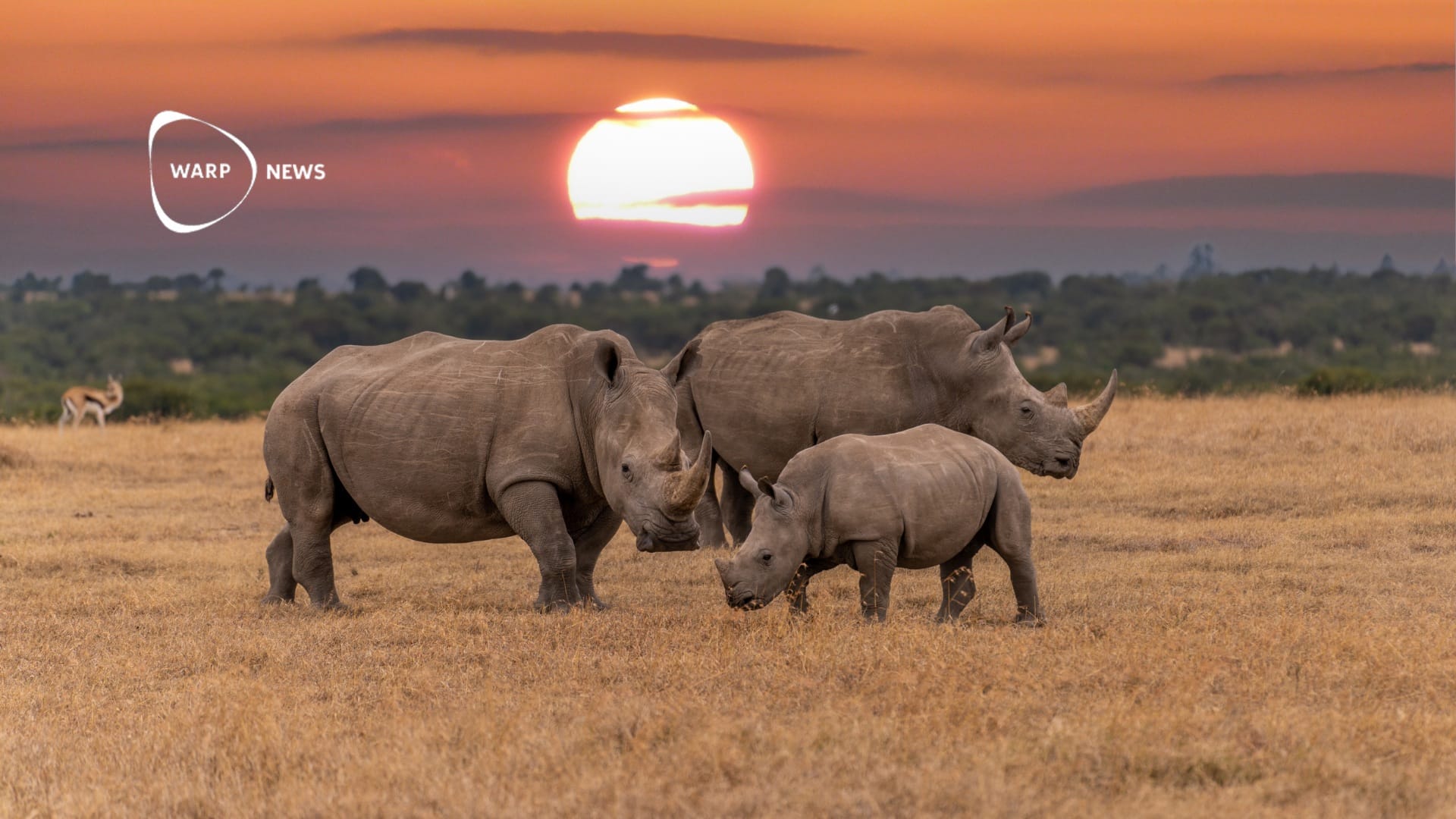
🦏 The world's first IVF pregnancy in a rhinoceros could save the species
Scientists have achieved the world's first IVF pregnancy in a rhinoceros, opening new possibilities for saving the northern white rhinoceros from extinction.