


🦾 AI Scientist can write science papers on its own
A new AI system called "The AI Scientist" can independently carry out the entire research process. The system generates research ideas, writes code, conducts experiments, and produces complete scientific manuscripts. It is much faster and considerably cheaper than if humans do the work.

🔥 Much lower risk of fire in electric cars compared to fossil fuel cars
The risk of fire in a rechargeable vehicle is 0.0012 percent, compared to 0.1 percent for combustion engine vehicles. According to this statistic, fires in gasoline or diesel-powered cars are over 80 times more common.

📉 Reduced mortality for all ages, not just children
Infants, children, adults, and the elderly all have a lower risk of dying today compared to the past. The risk of dying during the first day of life has decreased sevenfold in 100 years in England and Wales. At one year of age, the risk of dying is 100 times lower 2021 compared to 1921.

🌌 The Milky Way may NOT collide with Andromeda in five billion years *phew*
New study indicates that the Milky Way has a 50 percent chance of avoiding collision with the Andromeda galaxy. Previous research suggested that a collision was inevitable within 5 billion years.

⚕️ New treatment for Parkinson's enters clinical trial
Researchers have developed a cell therapy that can replace lost dopamine-producing neurons. The treatment has shown promising results in studies on primates. Clinical trials on humans have now begun.

💵 More and more Nigerians are refusing bribes
Over 70 percent of Nigerians surveyed refused to pay bribes at least once during 2023. The proportion reporting bribery attempts increased from 3.6 percent in 2019 to 8.6 percent in 2023.

🐟 Giant fish in the Amazon recovers, after successful efforts by local population
The arapaima, one of the world's largest freshwater fish, is increasing in numbers in the Amazon. Local communities have introduced sustainable fishing methods that led to a 425% increase in 11 years.

⚡ The fusion power industry continues to grow
Investments in the fusion industry increased to over $7.1 billion. Government funding increased by 57 percent. Timelines for electricity production from fusion in the 2030s remain unchanged.
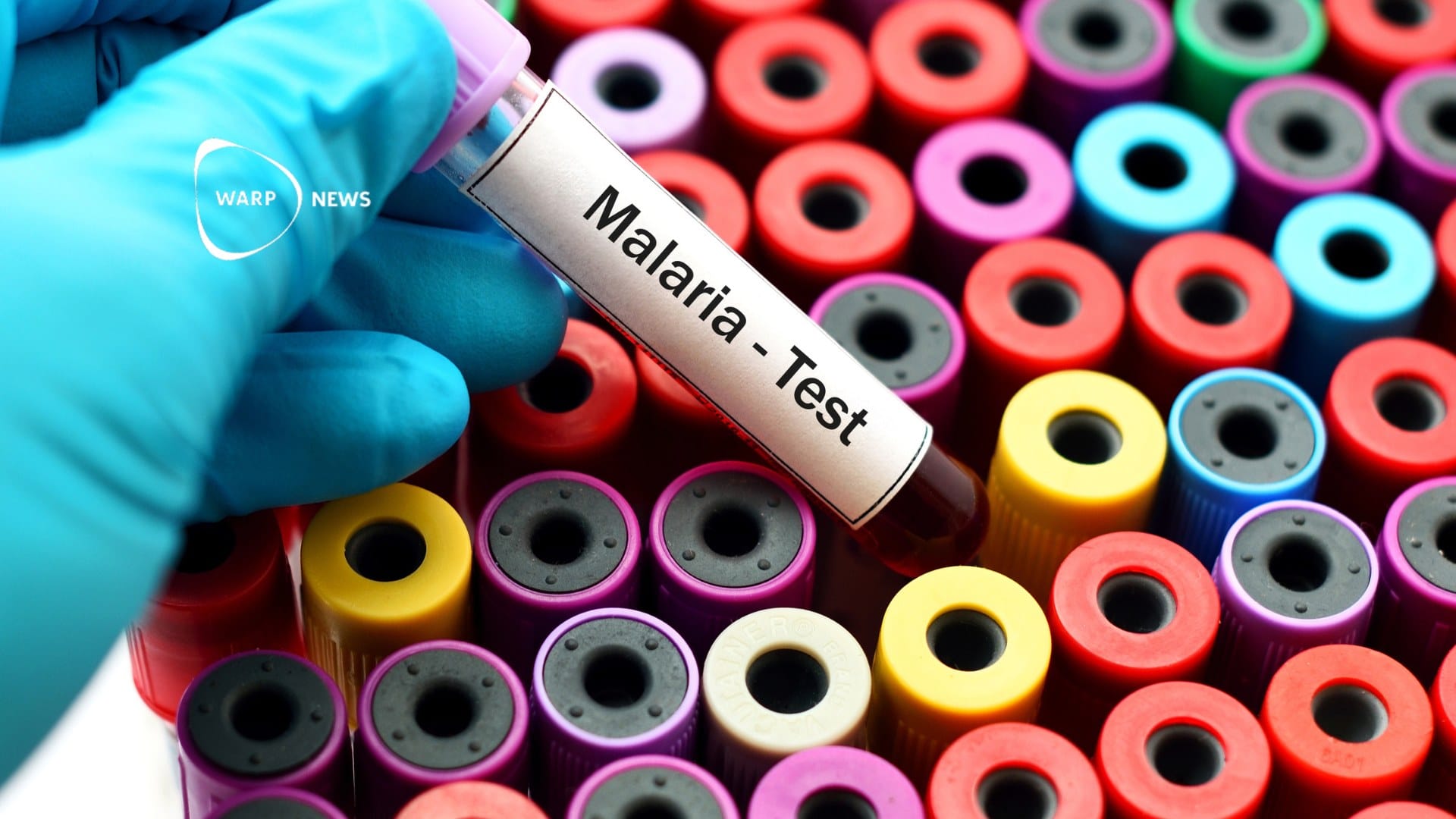
🦟 Bangladesh is close to zero malaria deaths
The number of malaria cases and deaths in Bangladesh is steadily decreasing. The country has seen a 96 percent reduction in malaria deaths between 2008 and 2023. Over 85 percent of the population has access to malaria treatment.