


🐟 São Paulo's river was an open sewer – after major cleanup life returns to the water
The Novo Rio Pinheiros program has installed 280 kilometers of sewage networks and given more than 7,000 households access to basic sanitation. Two million residents have stopped dumping sewage into the Pinheiros River, and 173,000 residents along the Zavuvus stream now have clean water.
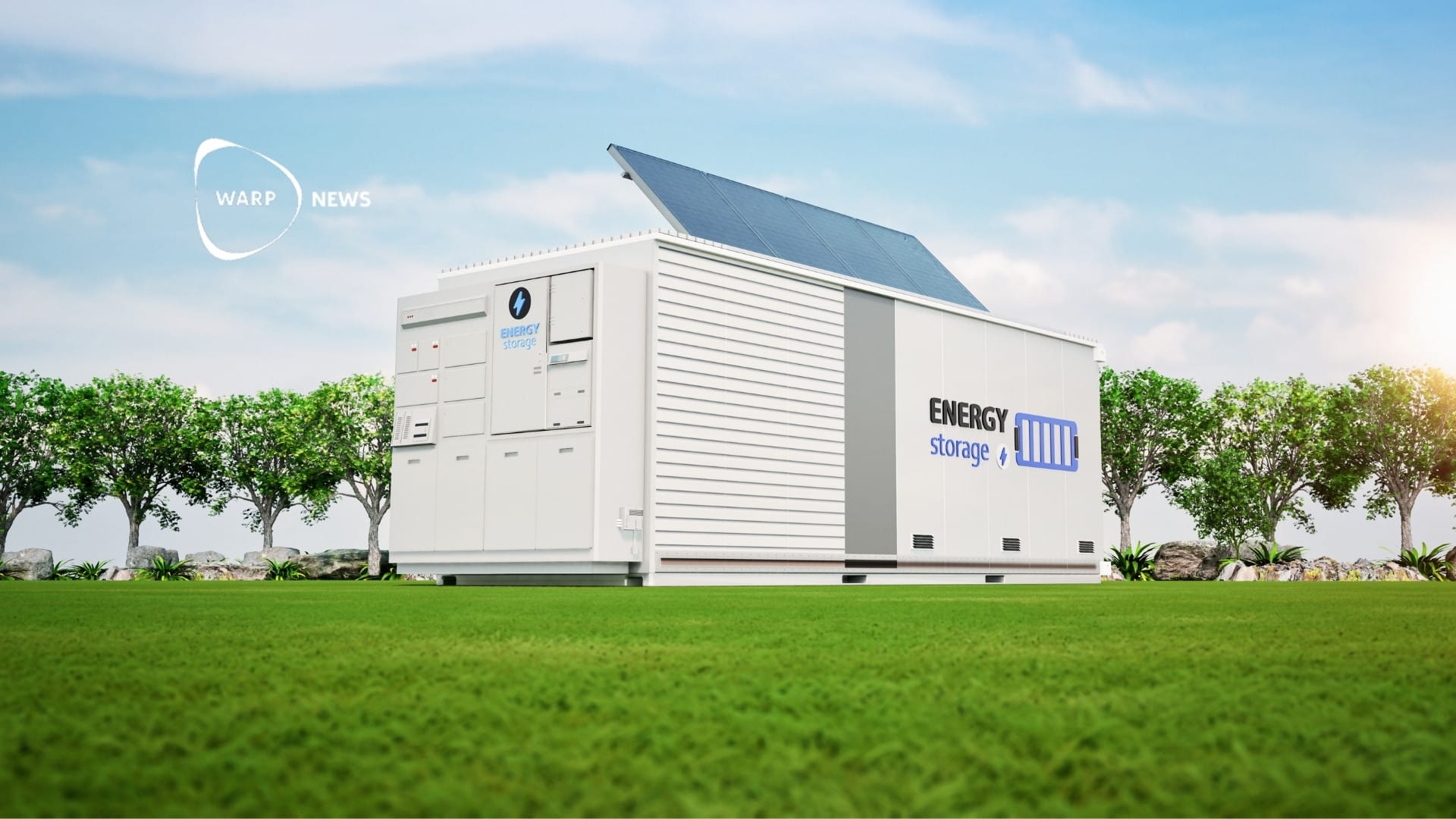
🔋 Battery storage has become cheap enough for solar power to be delivered around the clock
The cost of large-scale battery storage fell by 40 percent in 2024 and continues to drop in 2025. Over the past decade, battery costs have fallen by an average of 20 percent per year while deployment has increased by 80 percent per year.
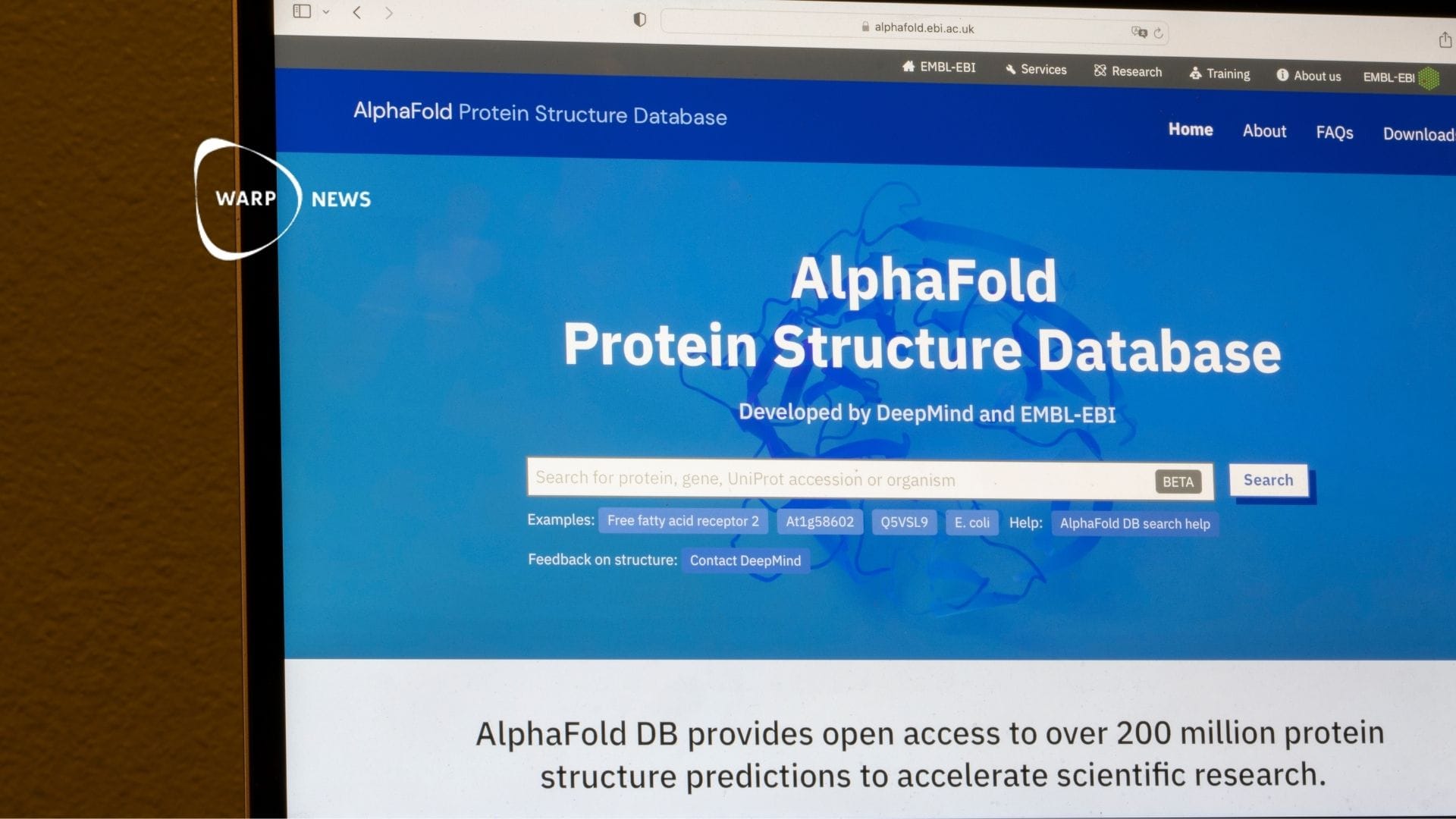
🧪 AlphaFold's protein database has been used by three million researchers in five years
AlphaFold has been cited in more than 35,000 scientific articles. Over 200,000 articles have used elements of AlphaFold 2 in their methodology. It has contributed to understanding heart disease, conserving bee colonies, and developing more resilient crops.
🦾 AI tool analyzes startups 537 times faster than human analysts
AI agents can screen early-stage startups 537 times faster than human venture capital analysts without sacrificing quality. The AI tool cost an average of 6.9 cents per search compared to 70 dollars for human analysis. Startups selected by the AI agent had a higher probability of receiving funding.
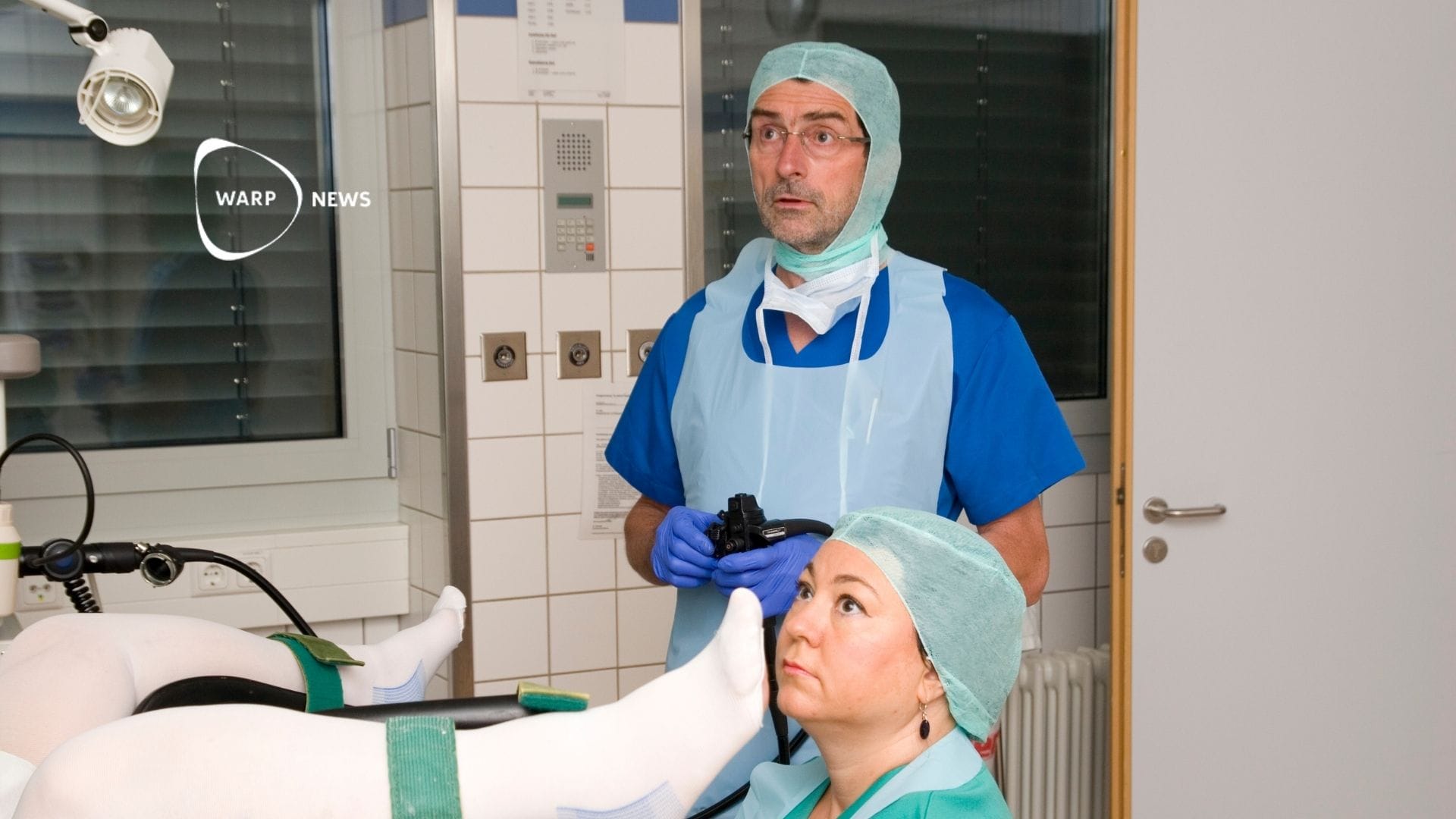
💩 Goodbye, camera up the bum – swallowable bacterial capsule can detect intestinal diseases
Researchers have developed a capsule with bacteria that is swallowed, detects bleeding in the gut, and can then be easily collected from stool using a magnet. The entire process from collection to analysis takes about 25 minutes.
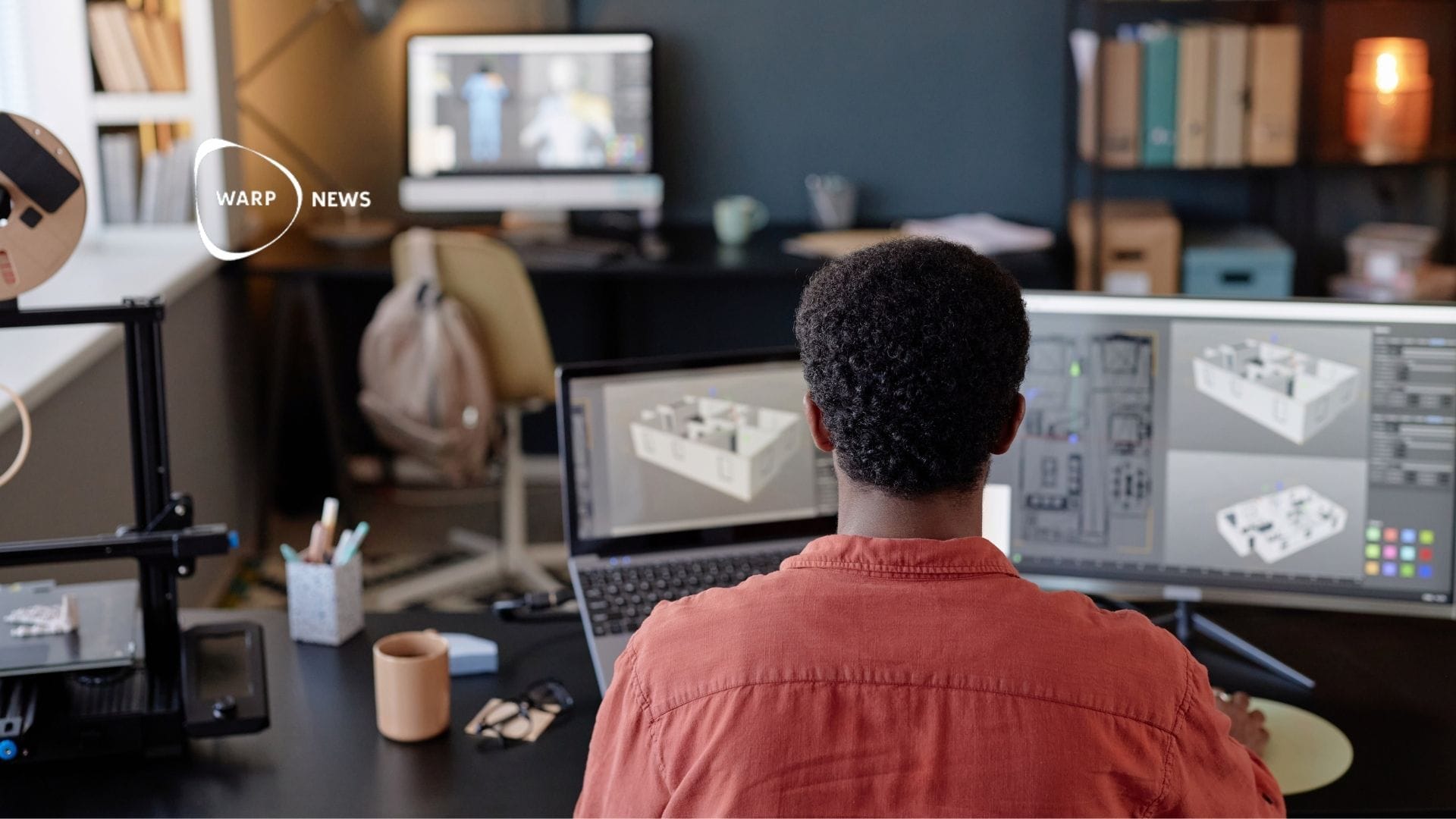
✍️ New AI enables people without CAD training to create 3D models from hand sketches
The AI transforms a hand-drawn sketch into a complete, CAD-ready 3D model, can iterate and improve the design based on visual cues and engineering rules, and enables people without CAD skills to create professional-quality models.
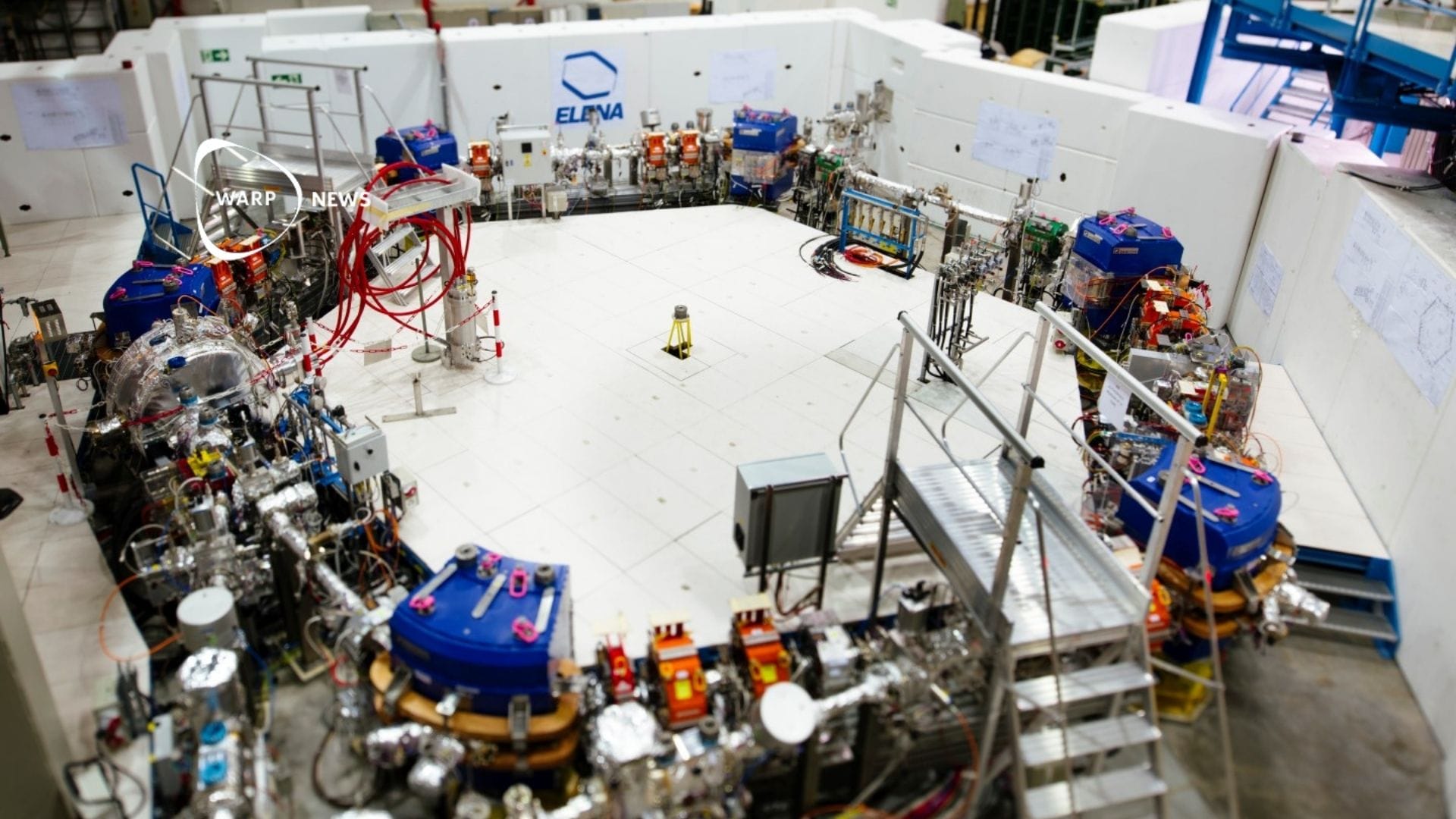
⚛️ New cooling technique increases antimatter production eightfold at CERN
CERN can now produce over 15,000 antihydrogen atoms in under seven hours, compared to ten weeks previously for similar quantities. With larger quantities of antihydrogen available, researchers can now investigate atomic antimatter in greater detail and at a faster pace than before.
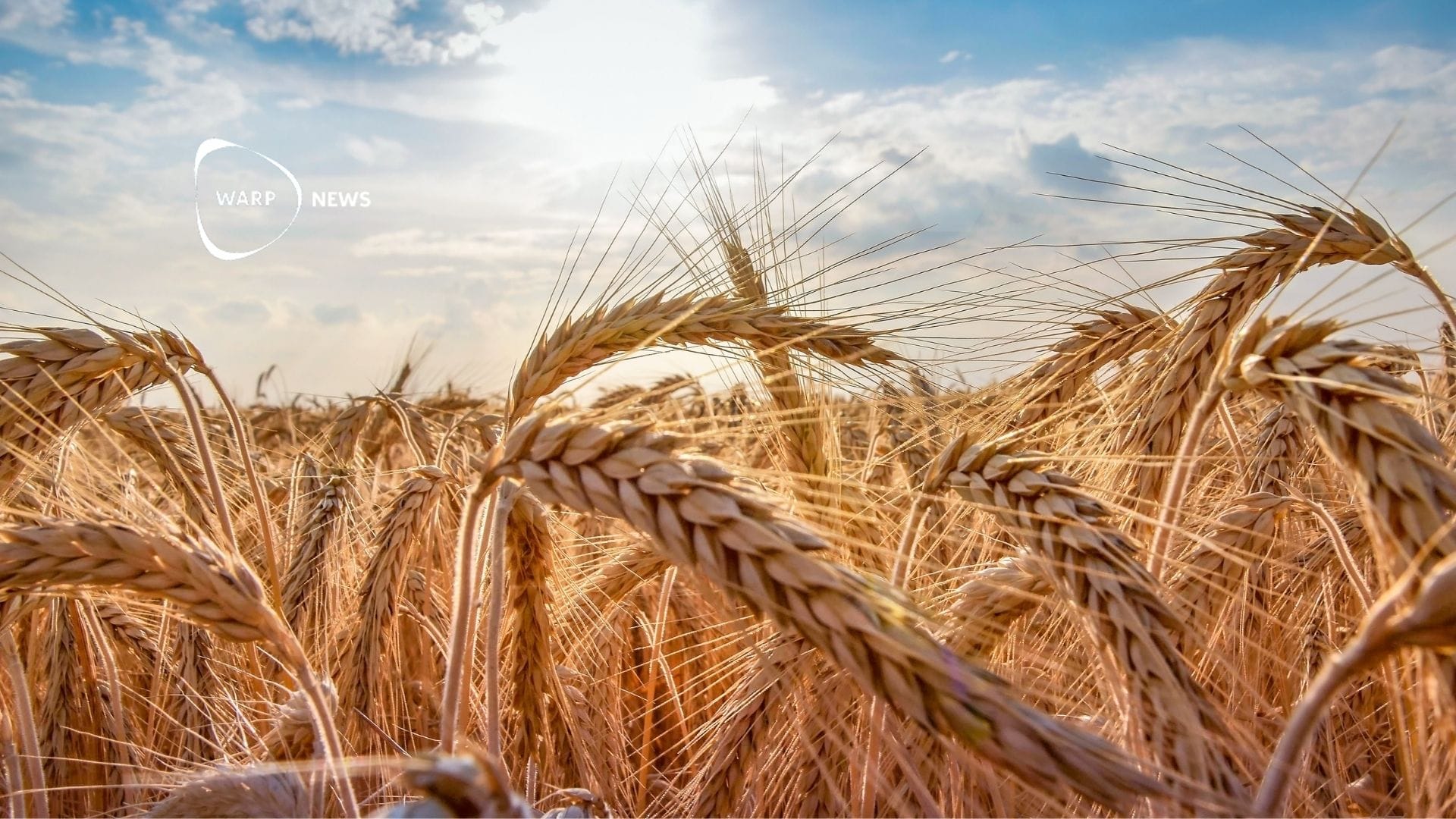
🌾 Scientists use CRISPR to create wheat that produces its own fertilizer
The modified wheat produced higher yields under low fertilizer levels compared to regular wheat. For many developing regions, this development could offer new support for reliable crop production.
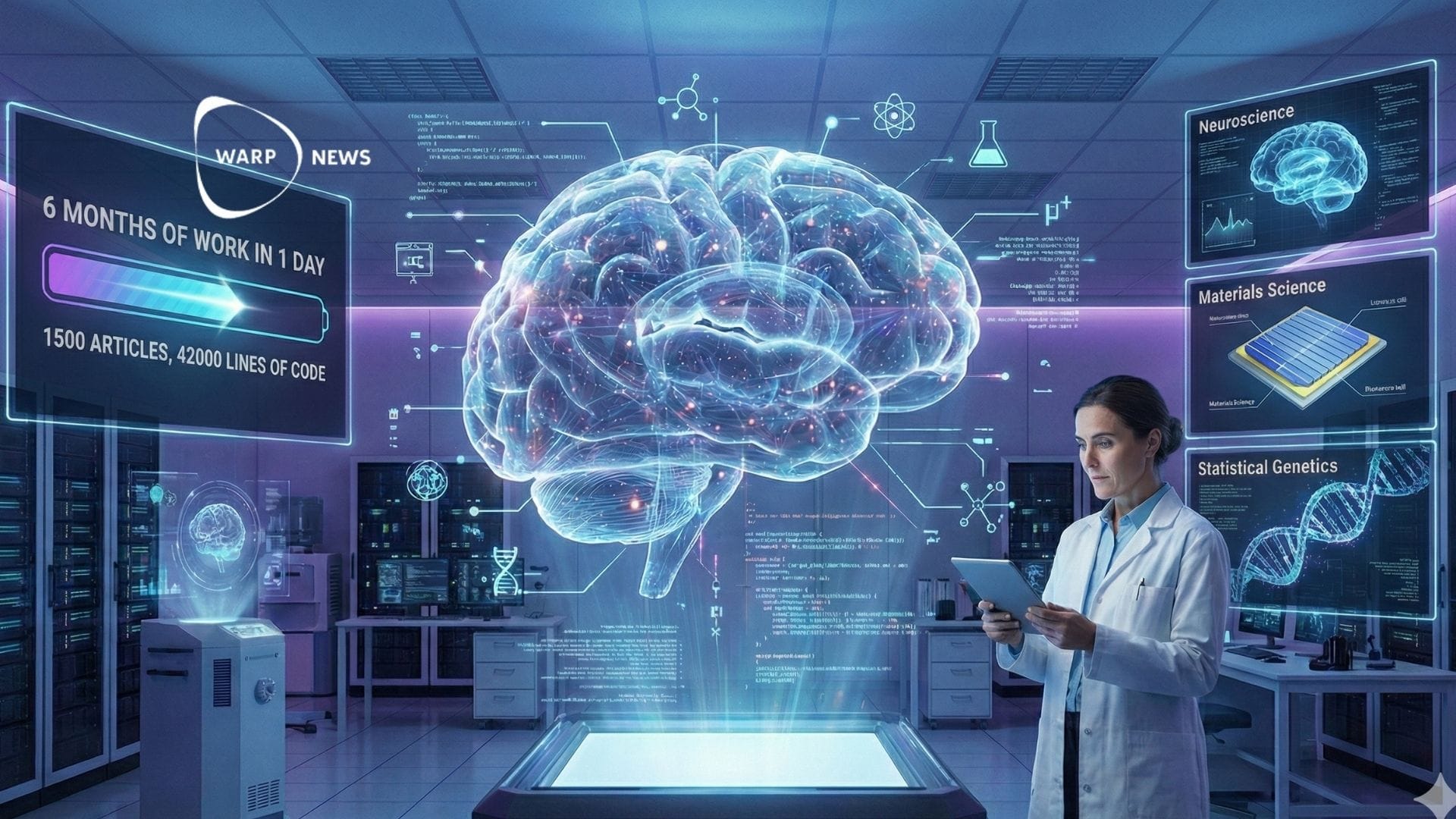
🦾 AI scientist performs six months of work in one day
Kosmos can read 1,500 scientific papers and run 42,000 lines of analysis code in a single run. The AI system has already made seven discoveries in neuroscience, materials science, and statistical genetics.