
Batteries
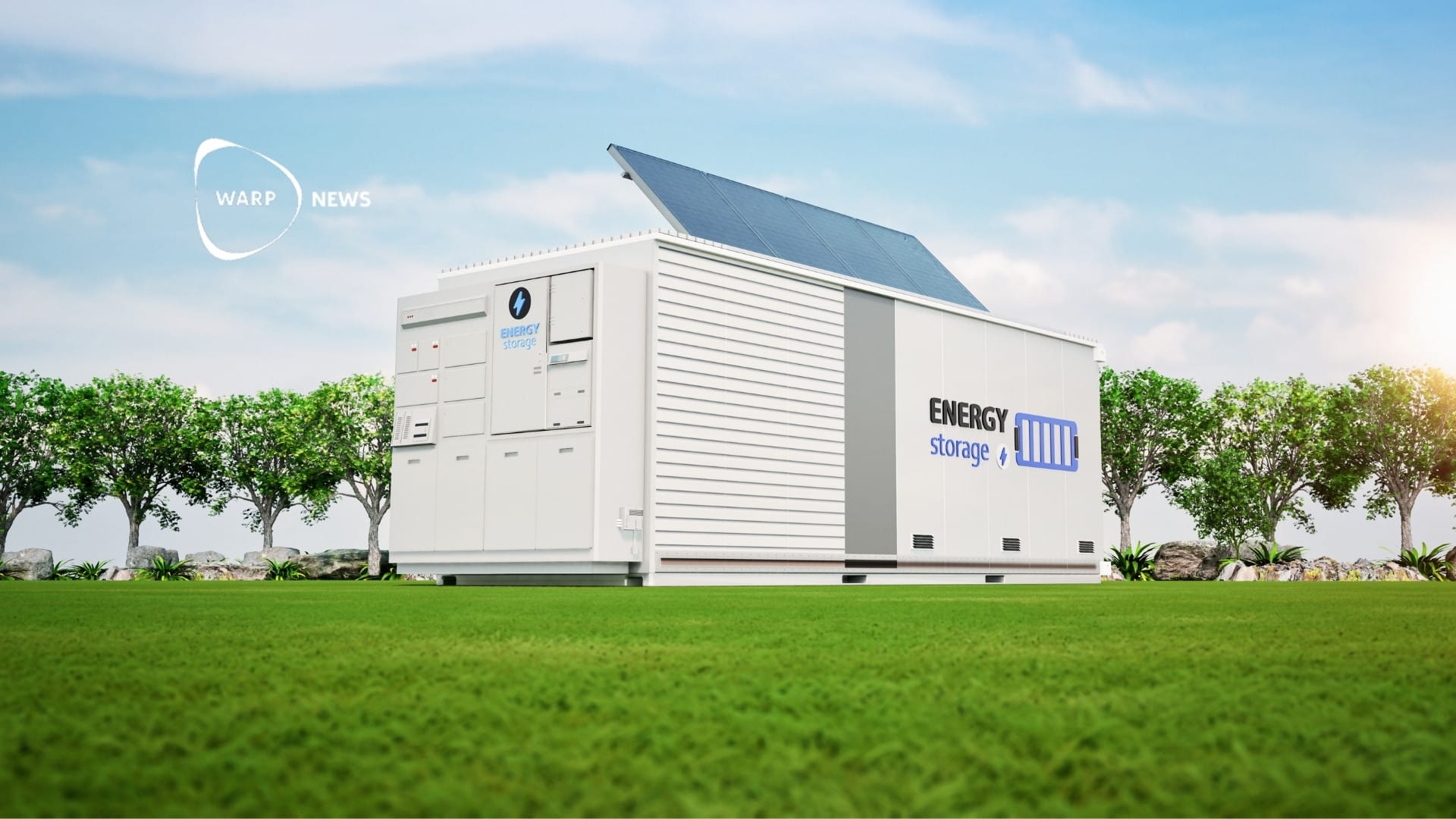
🔋 Battery storage has become cheap enough for solar power to be delivered around the clock
The cost of large-scale battery storage fell by 40 percent in 2024 and continues to drop in 2025. Over the past decade, battery costs have fallen by an average of 20 percent per year while deployment has increased by 80 percent per year.
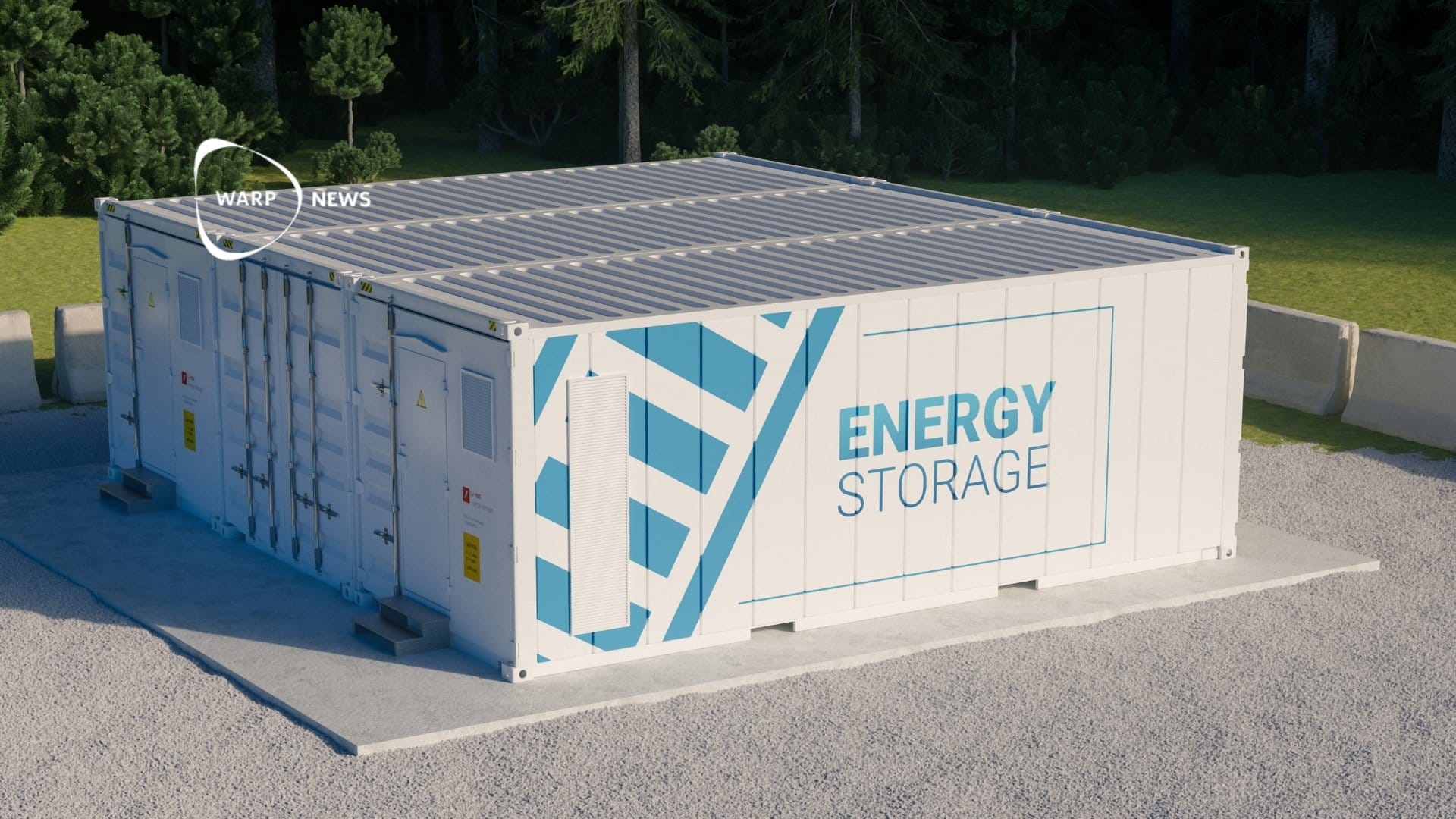
🔋 Battery storage doubled in 2024 – as much as in all previous history
The world installed over 160 gigawatt-hours of new battery storage in 2024, nearly as much as in all recorded history. Analysis shows that battery storage globally could reach 100–180 terawatt-hours in the long term, three to six times more than current forecasts.
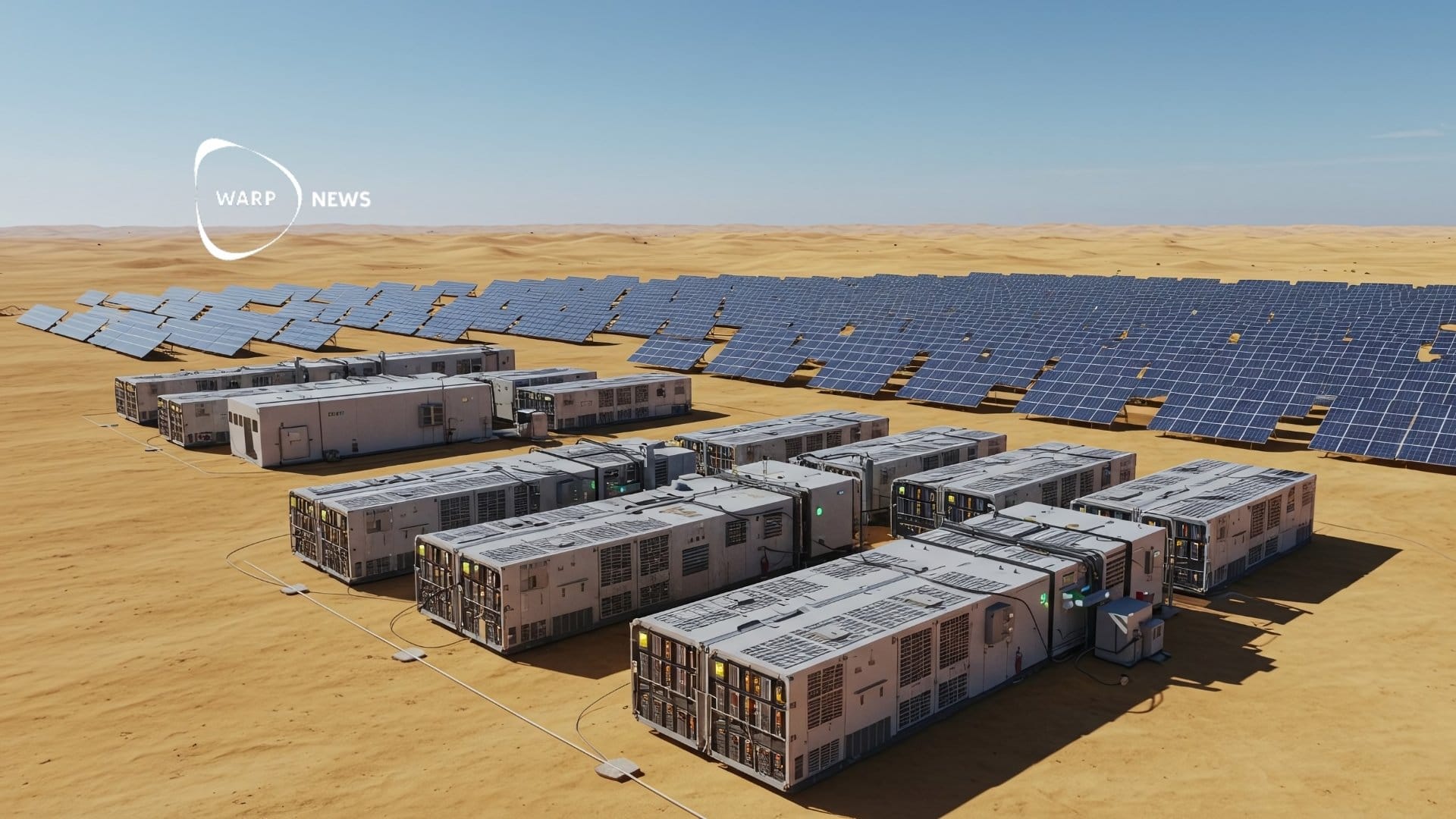
🔋 Ukraine uses large battery parks to keep power supply running
Ukraine has installed six large battery parks with a total capacity of 200 megawatts that can deliver electricity to approximately 600,000 homes for two hours. The battery parks connect to the power grid and deliver power if another source goes offline, helping to avoid blackouts.
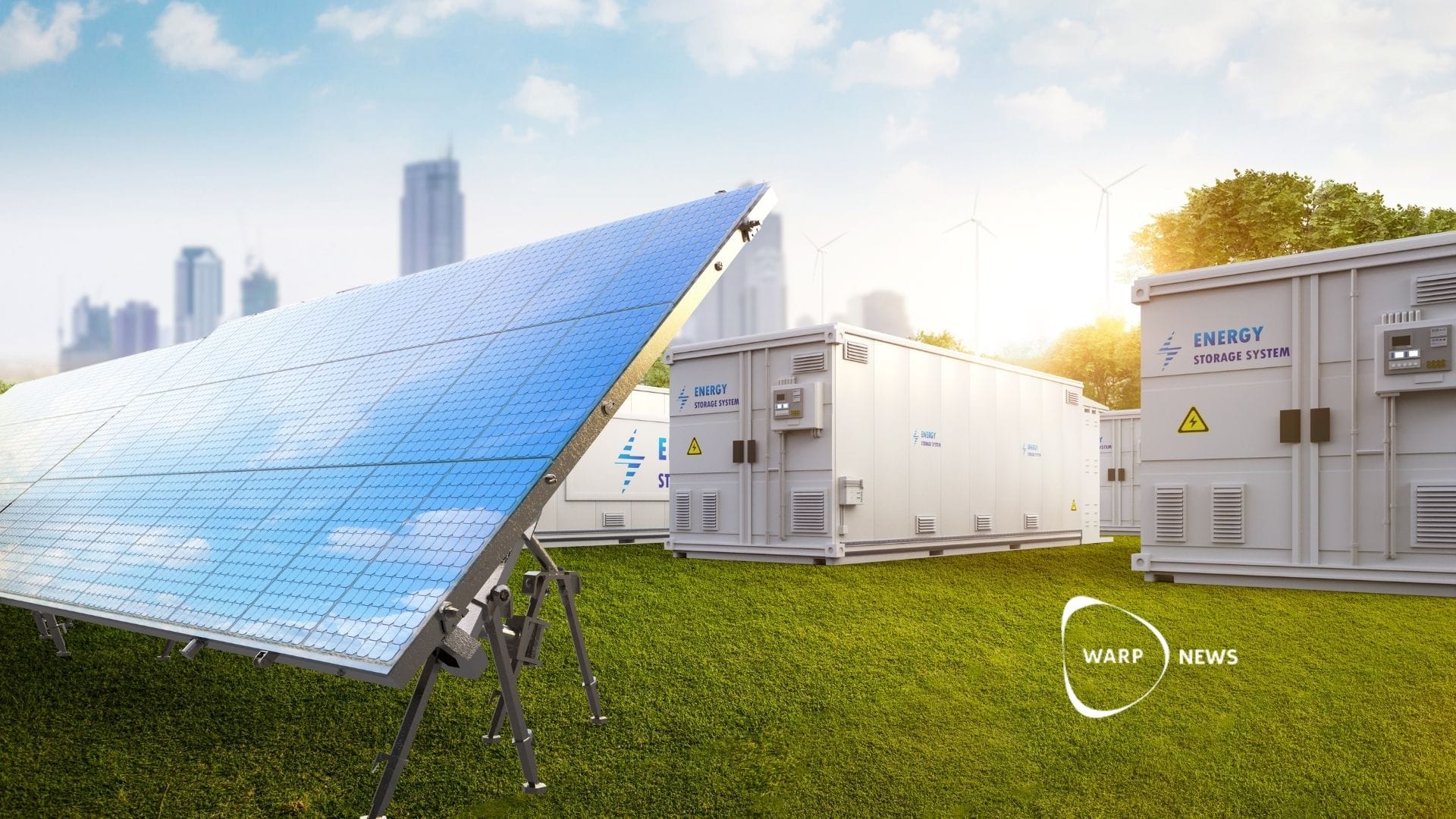
📉 Solar power with batteries became 22 percent cheaper in one year
The cost of solar power with batteries dropped 22 percent during 2024 and 43 percent since 2019. Solar power with batteries now costs around 100 dollars per megawatt hour in sunny cities, which is cheaper than coal and nuclear power.

🔋 AI creates new battery materials that could revolutionize energy storage
The AI models identified five new porous transition metal oxide structures with large open channels ideal for ion transport. The technique combines two AI tools that together can explore thousands of crystal structures significantly faster than traditional laboratory experiments.
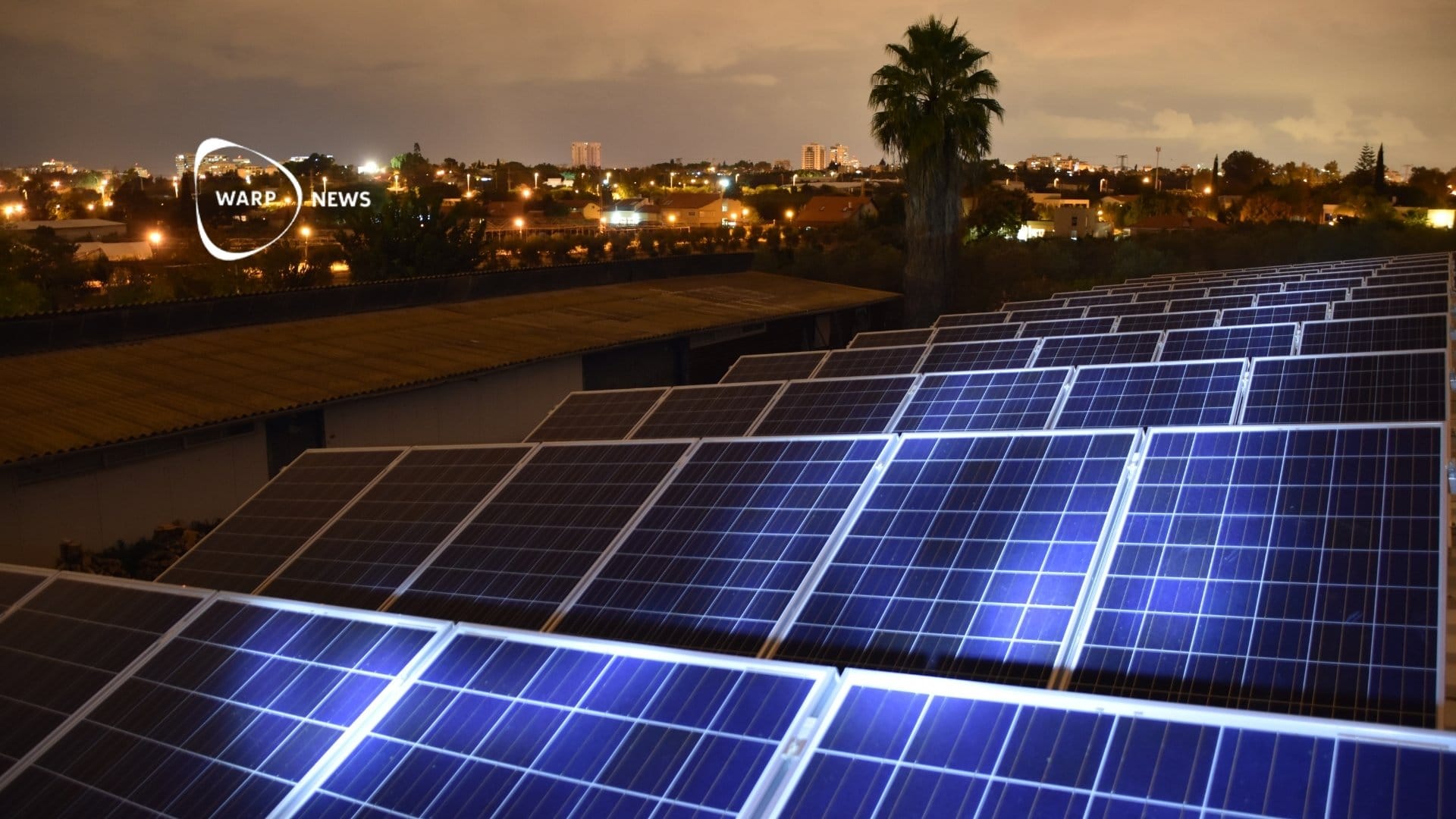
☀️ Solar energy with batteries now delivers electricity around the clock in several countries
17 kWh battery storage is enough to convert 5 kW solar panels into constant 1 kW clean electricity around the clock. Sunny cities like Las Vegas can reach 97 percent of the way to constant solar electricity every hour throughout the year.
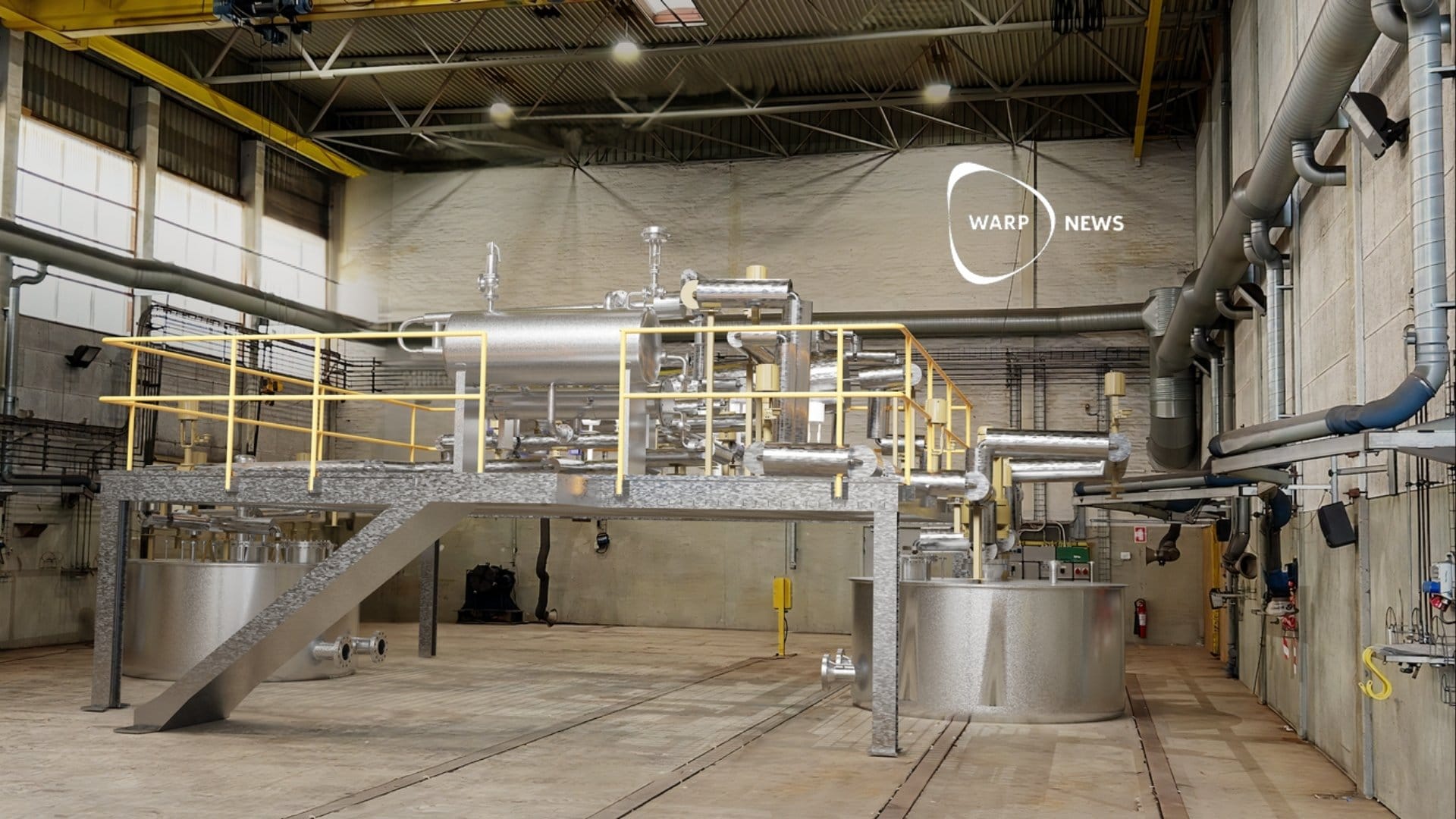
🔋 Denmark's first molten salt battery can power 100,000 homes for 10 hours
Denmark has launched a 1 GWh molten salt battery that can store renewable energy for up to two weeks with minimal loss. The system uses industrial byproducts from chlorine production and achieves 80-90 percent efficiency for co-generation of heat and electricity.

🔋 Researchers are developing liquid batteries that can be printed in any shape: "Like toothpaste"
Researchers have created batteries with electrodes in liquid form that can be 3D-printed without losing capacity. The battery can be stretched to double its length and has been tested through 500 charging cycles without performance loss.
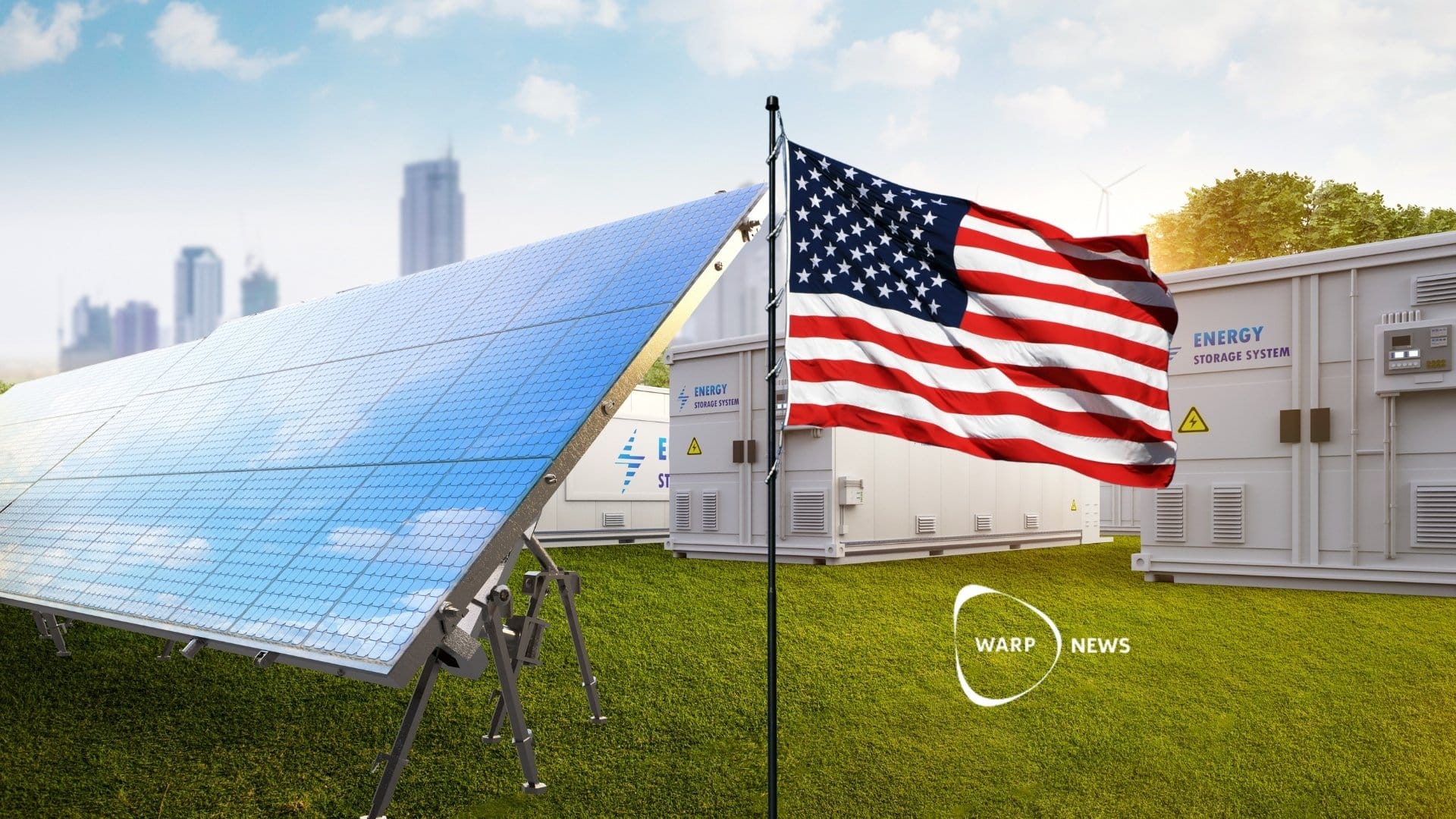
🔋 Solar panels and batteries dominate new power generation in the US in 2025
Solar energy and battery storage will account for 81 percent of the total capacity increase, with solar energy representing over 50 percent. While renewable energy grows, coal power continues to decrease. The US will decommission twice as much coal power capacity this year compared to last year.