
Electric Vehicles
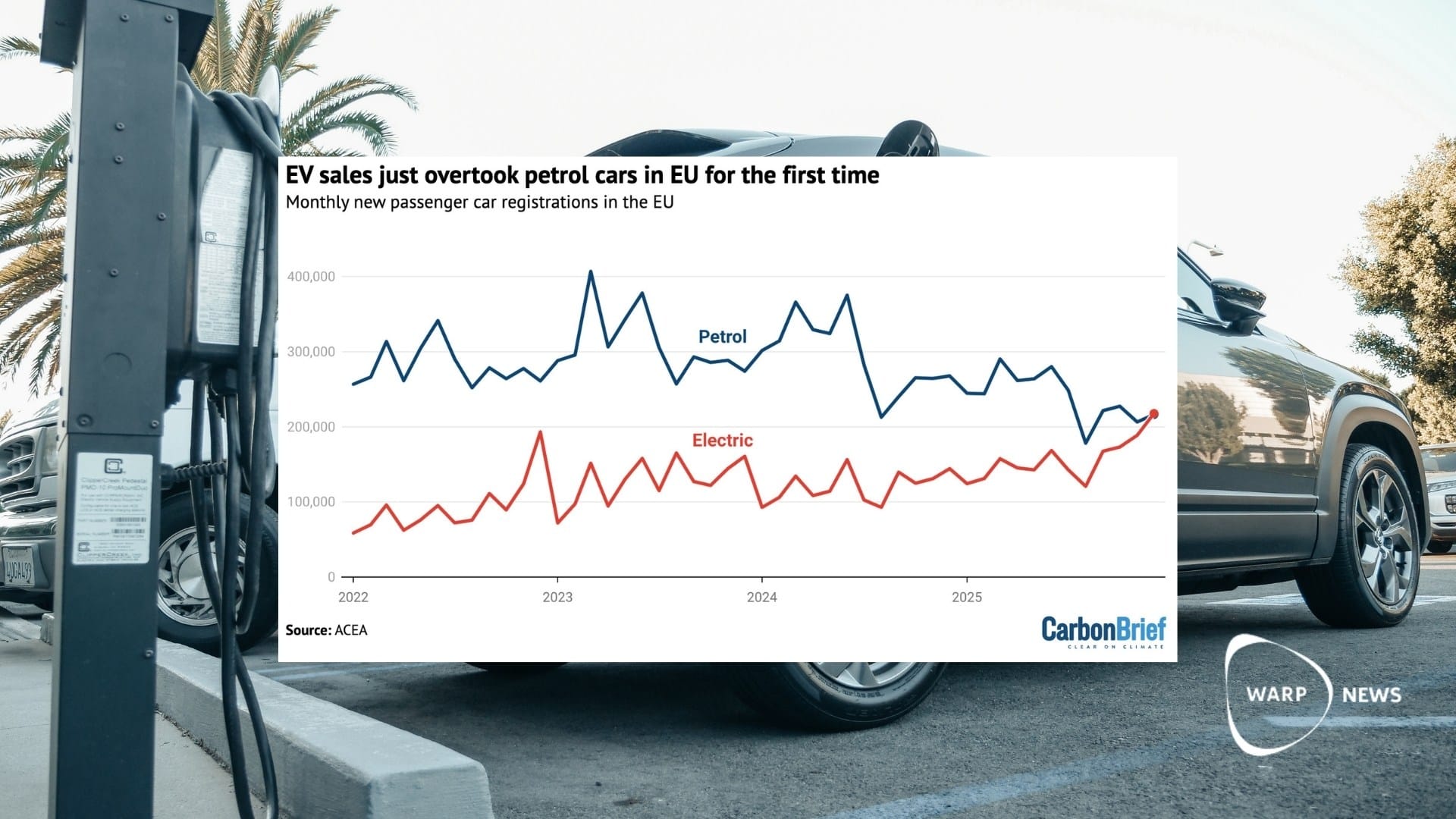
🚘 Electric cars outsold petrol cars in EU for the first time
In December 2025, 217,898 electric cars were registered in the EU, compared to 216,492 petrol cars – the first time electric cars exceed petrol cars in sales. Global electric vehicle sales reached 20.7 million vehicles in 2025, an increase of 20 percent compared to the previous year.
🚗 Battery-electric cars gain market share in the EU
Battery-electric cars increased their market share to 15.8 percent during the first eight months of 2025, compared to 12.6 percent in the same period the previous year.

🚗 Electric cars sold at record pace globally in 2025
Global sales of electric vehicles reach nearly 22 million cars in 2025, an increase of 25 percent from the previous year. Electric vehicles will account for a quarter of all passenger cars sold globally this year.
🚙 Global electric vehicle sales increases – expected to exceed 20 million vehicles in 2025
The International Energy Agency predicts that 25 percent of new cars in Europe will be electric this year. The price gap between electric cars and gasoline cars is decreasing rapidly, especially in China where two-thirds of electric cars are now cheaper than gasoline cars.

⛽ China's declining gasoline consumption exceeds expectations
China's gasoline consumption will decrease by 4-5 percent annually until 2030. The decline in gasoline demand in China is more pronounced than in the US and Europe. PetroChina predicts that the number of gasoline-powered cars will peak already in 2025.
🔋 Battery prices for electric cars continue to drop during 2024
Average battery prices decreased by 20 percent to $115 per kilowatt hour during 2024. Battery cells fell even more, by 30 percent to $78 per kilowatt hour. Electric car batteries for passenger cars fell below $100 per kilowatt hour for the first time.
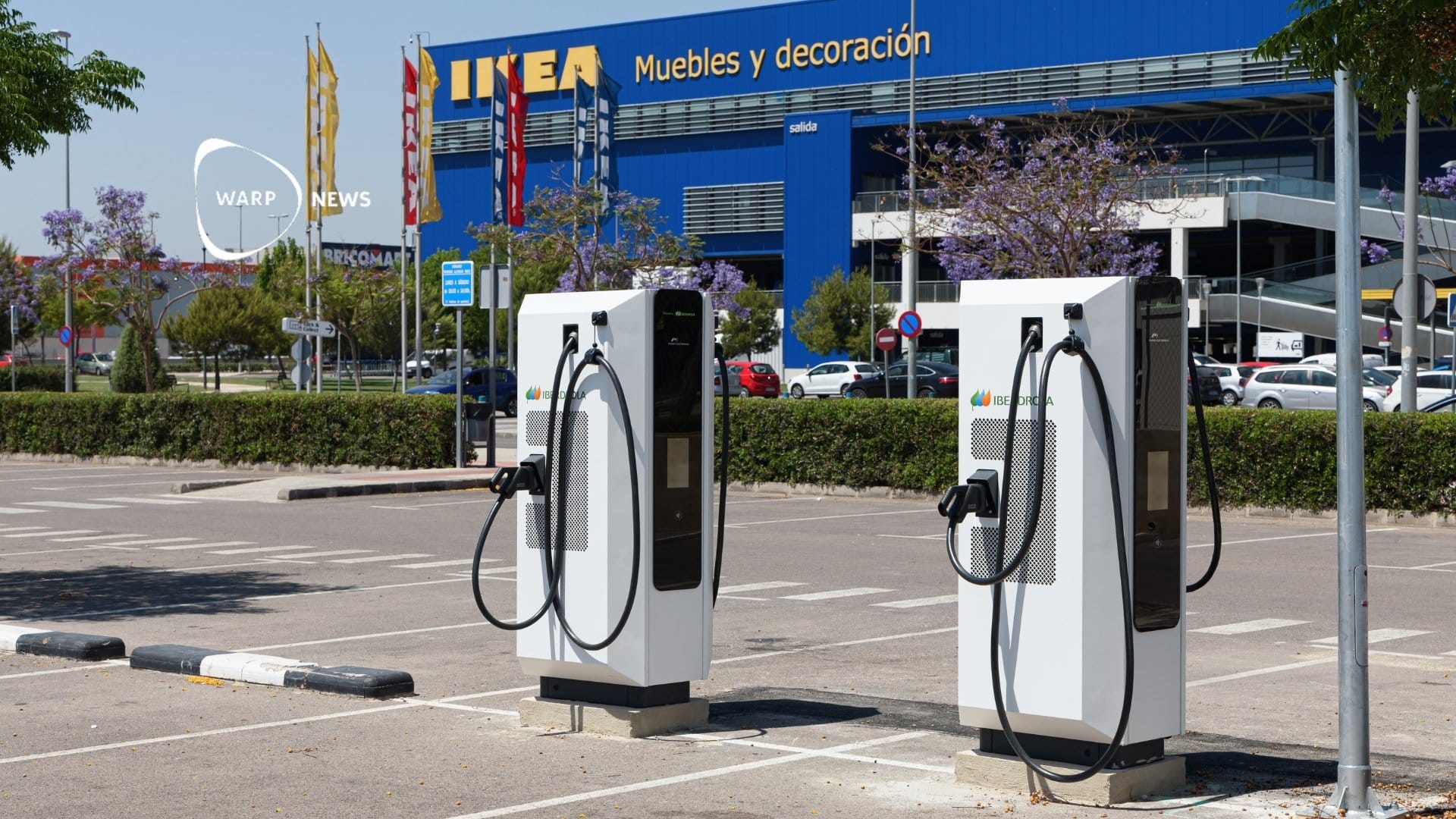
🔋 Stores are starting to profit from EV charging stations
A new study shows that stores within 200 meters of charging stations get 4 percent more visitors and 5 percent increased sales. Over 200,000 public chargers are now deployed at approximately 74,000 stations in the USA.

🔋 EV sales increase while gas car sales continue to decline
China grew by 35 percent and North America by 10 percent. Sales of new gas-powered cars have decreased by approximately 25 percent since 2017.

🔥 Much lower risk of fire in electric cars compared to fossil fuel cars
The risk of fire in a rechargeable vehicle is 0.0012 percent, compared to 0.1 percent for combustion engine vehicles. According to this statistic, fires in gasoline or diesel-powered cars are over 80 times more common.