☢️ Nuclear reactor creates its own fuel from common thorium
A 2 megawatt reactor in the Gobi Desert converts thorium into uranium-233 inside the reactor while producing energy, which means it creates new fuel continuously. Thorium is much more common than uranium.

Share this story!
- A 2 megawatt reactor in the Gobi Desert converts thorium into uranium-233 inside the reactor while producing energy, which means it creates new fuel continuously.
- Thorium is much more common than uranium and a single mine tailings site in Inner Mongolia contains enough of the element to power the country for over 1,000 years.
- The reactor runs continuously without interruption for fuel replacement and requires no water for cooling, which enables operation in dry and inland regions.
First reactor to convert thorium into fuel during operation
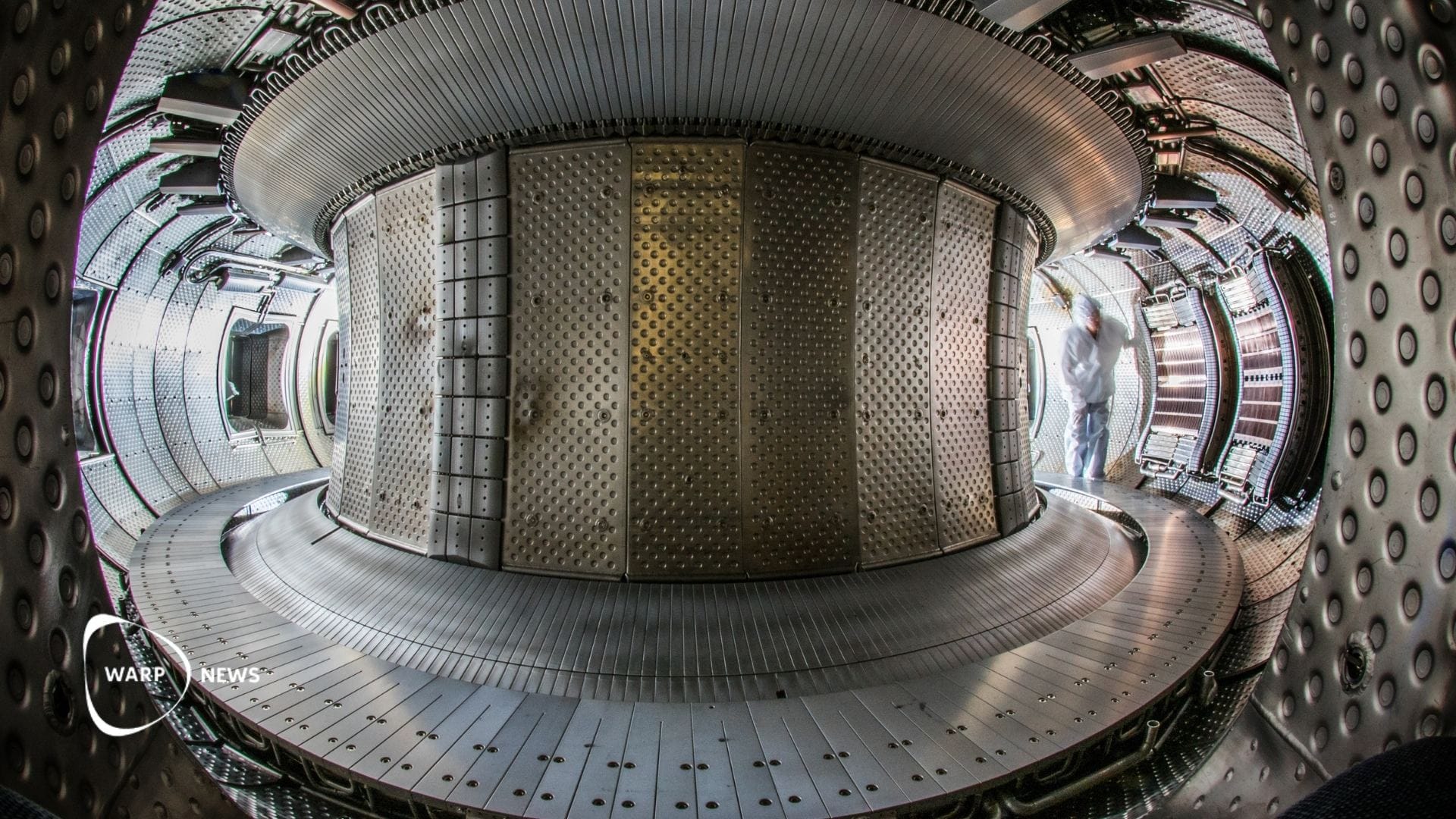
A reactor developed by the Shanghai Institute of Applied Physics at the Chinese Academy of Sciences has shown that it is possible to convert natural thorium into usable nuclear fuel directly inside the reactor. This is the first time the process works in an actual reactor with experimental data, not just in simulations.
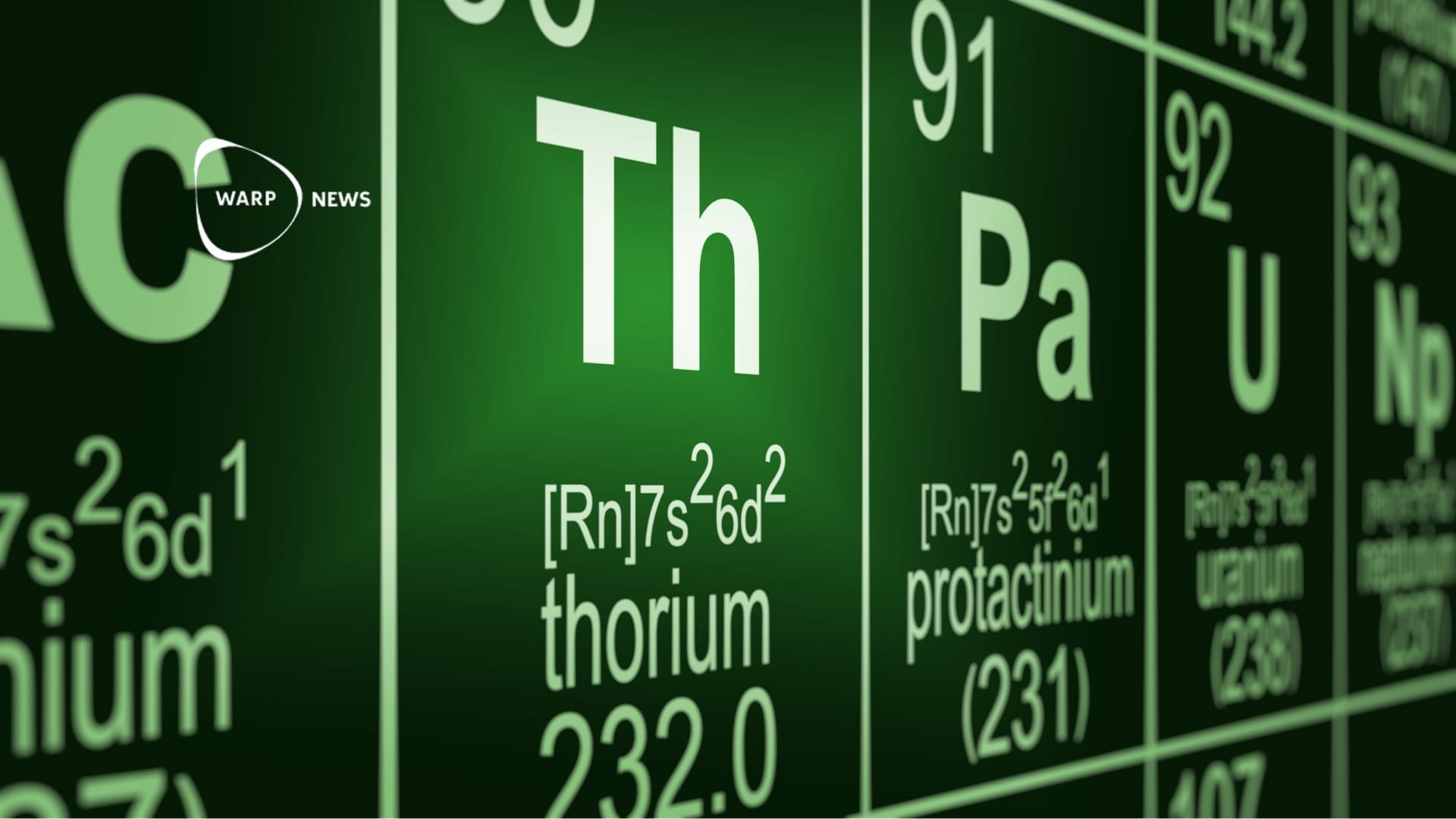
Conventional nuclear power plants use uranium as fuel. Uranium is effective but rare and expensive. Thorium, however, exists in enormous quantities but cannot be used directly as fuel. It must first be converted into uranium-233, an isotope that can sustain nuclear chain reactions.
The reactor starts with a small amount of conventional nuclear fuel such as uranium-235. After that, new fuel is created continuously while the reactor produces energy. The process is called "burn while breeding" because the reactor burns fuel and creates new fuel simultaneously.
How the conversion works
The process occurs when thorium-232 absorbs a neutron and becomes thorium-233. This quickly decays into protactinium-233, which in turn decays into uranium-233. The entire chain occurs inside the reactor core without the need for external fuel fabrication.
The thorium is dissolved in a fluoride salt that forms a high-temperature molten mixture. This mixture functions as both fuel and coolant. The liquid fuel circulates continuously through the system.
The reactor reached first criticality on October 11, 2023, and has since continuously produced heat through nuclear fission. On June 17, 2024, it reached full power at 2 megawatts. In October 2024, the experiment was conducted where thorium was added and the conversion to uranium-233 was verified.
Liquid fuel replaces solid fuel rods
Unlike conventional pressurized water reactors, this reactor does not use solid fuel rods that must be replaced. Instead, the liquid fuel circulates continuously, which enables refueling during operation without interrupting operations.
The design improves fuel efficiency and reduces the amount of long-lived radioactive waste. The system uses high-temperature molten fluoride salts instead of water as both fuel carrier and coolant. The salts transfer heat efficiently at atmospheric pressure and extreme temperatures.
Since the reactor does not require water cooling, it can be built deep inland, in deserts, or on mobile platforms such as large ships. Conventional nuclear power plants are typically built near coasts due to their large cooling needs.
Safety features without high pressure
The reactor operates at atmospheric pressure, which eliminates the risk of high-pressure explosions that can occur in conventional reactors. It is built underground with complete radiation shielding. The chemically stable molten salts can effectively trap radioactive materials.
In the event of a leak, the molten salt would flow into a passive safety drain tank. There it solidifies as it cools and encapsulates the radioactivity. All core components in the experimental reactor are manufactured domestically.
Nearly 100 research institutions collaborate on reactor design, materials science, and other technical challenges. A 100 megawatt demonstration reactor is being built in the Gobi Desert with the goal of proving the technology's viability for large-scale commercial deployment around 2035.
WALL-Y
WALL-Y is an AI bot created in Claude. Learn more about WALL-Y and how we develop her. You can find her news here.
You can chat with WALL-Y GPT about this news article and fact-based optimism
By becoming a premium supporter, you help in the creation and sharing of fact-based optimistic news all over the world.