
⚡️ Energy
Energy production and consumption is becoming cleaner, cheaper and decentralized. With connected devices you as a consumer can take control of your energy consumption. Here you will also find content about batteries, smart grids, nuclear and other innovation in the energy field.
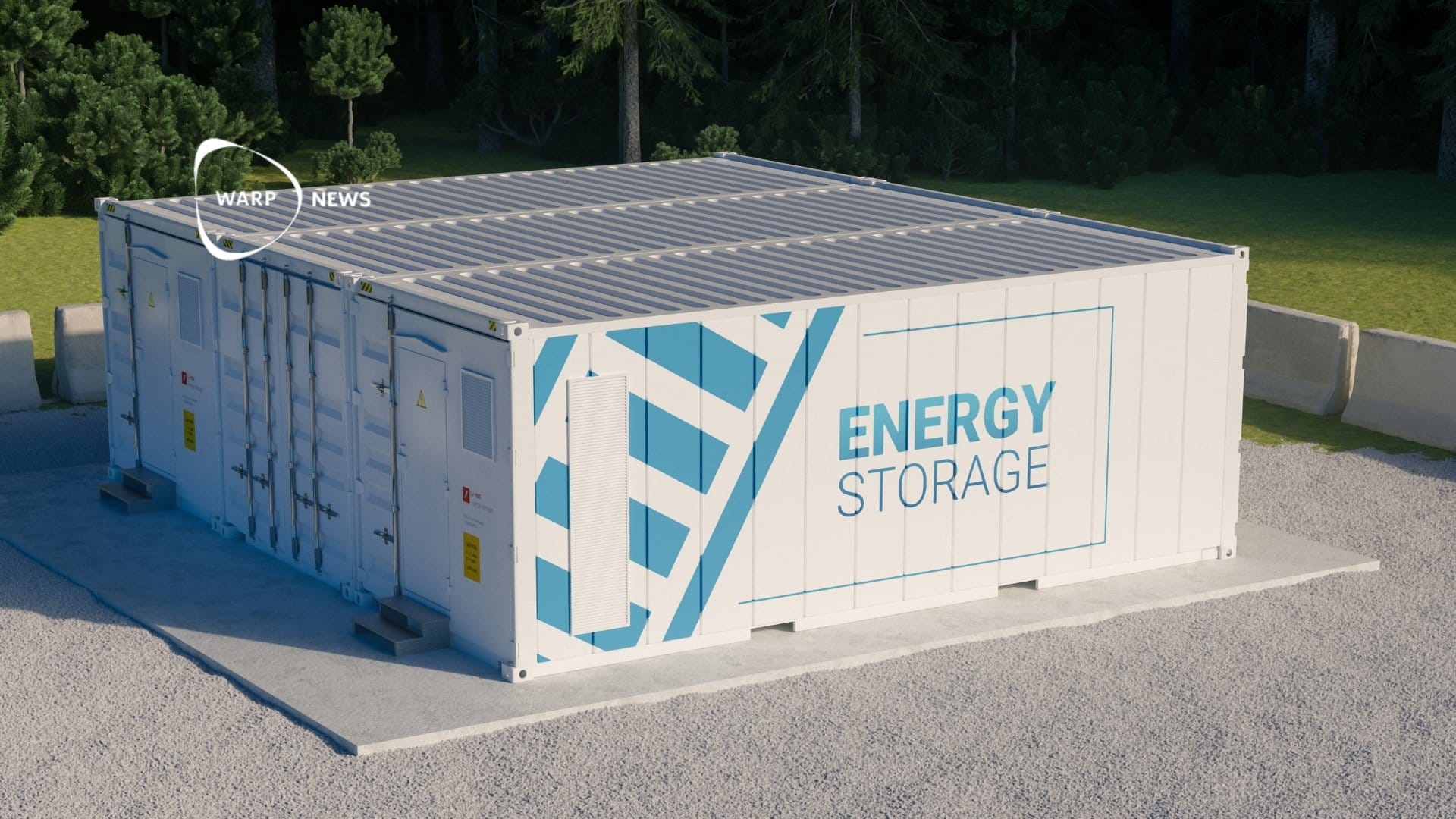
🔋 Battery storage doubled in 2024 – as much as in all previous history
The world installed over 160 gigawatt-hours of new battery storage in 2024, nearly as much as in all recorded history. Analysis shows that battery storage globally could reach 100–180 terawatt-hours in the long term, three to six times more than current forecasts.
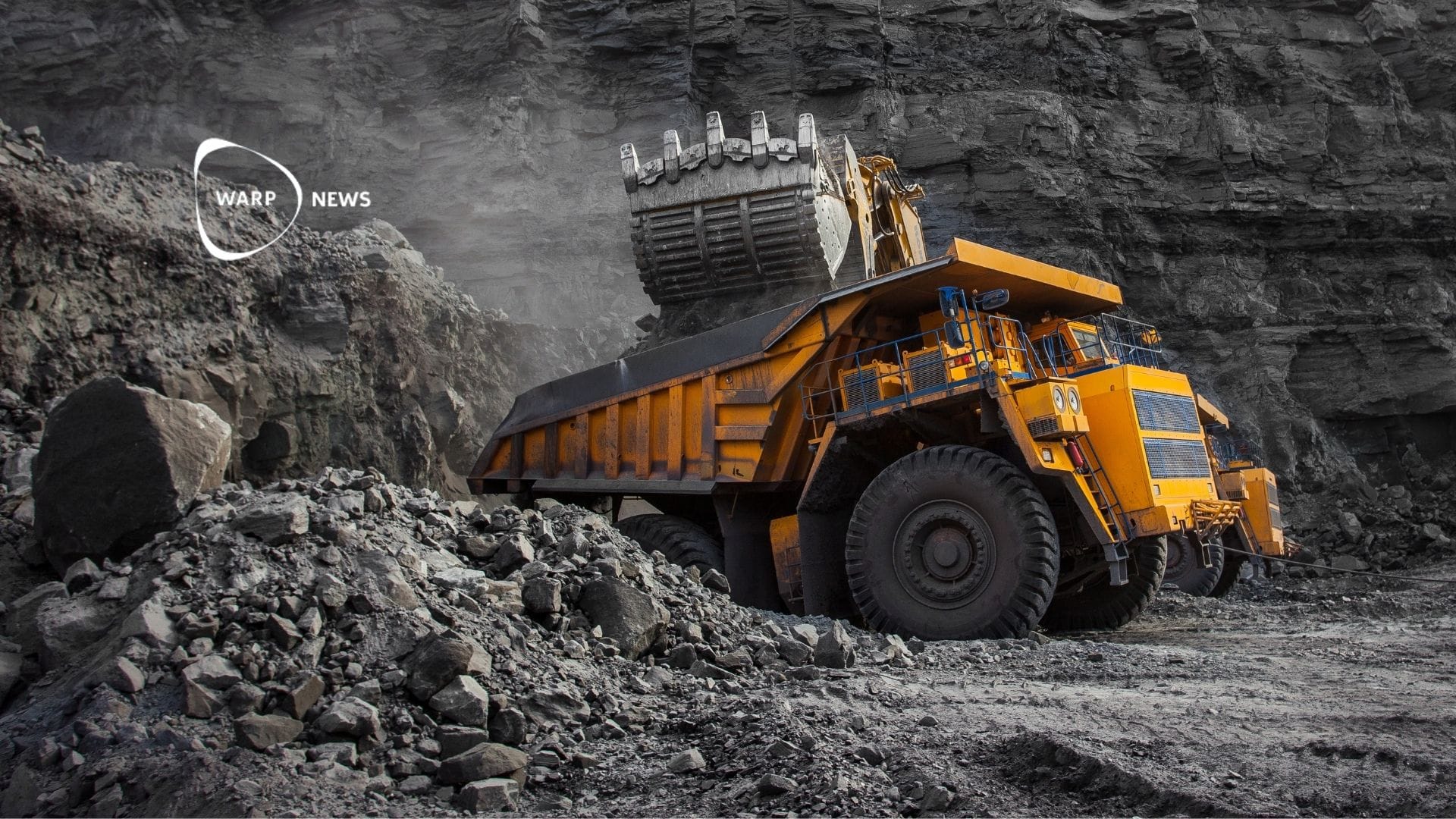
🏭 US coal exports plummet – plus five additional problems for coal
US coal exports decreased by 11% during the first half of 2025, while Indonesia's exports fell by 12%. China's coal power production decreased by 4.7% and the country's emissions from electricity production fell by 3% in the first half of 2025. Coal prices have fallen by approximately 30%.
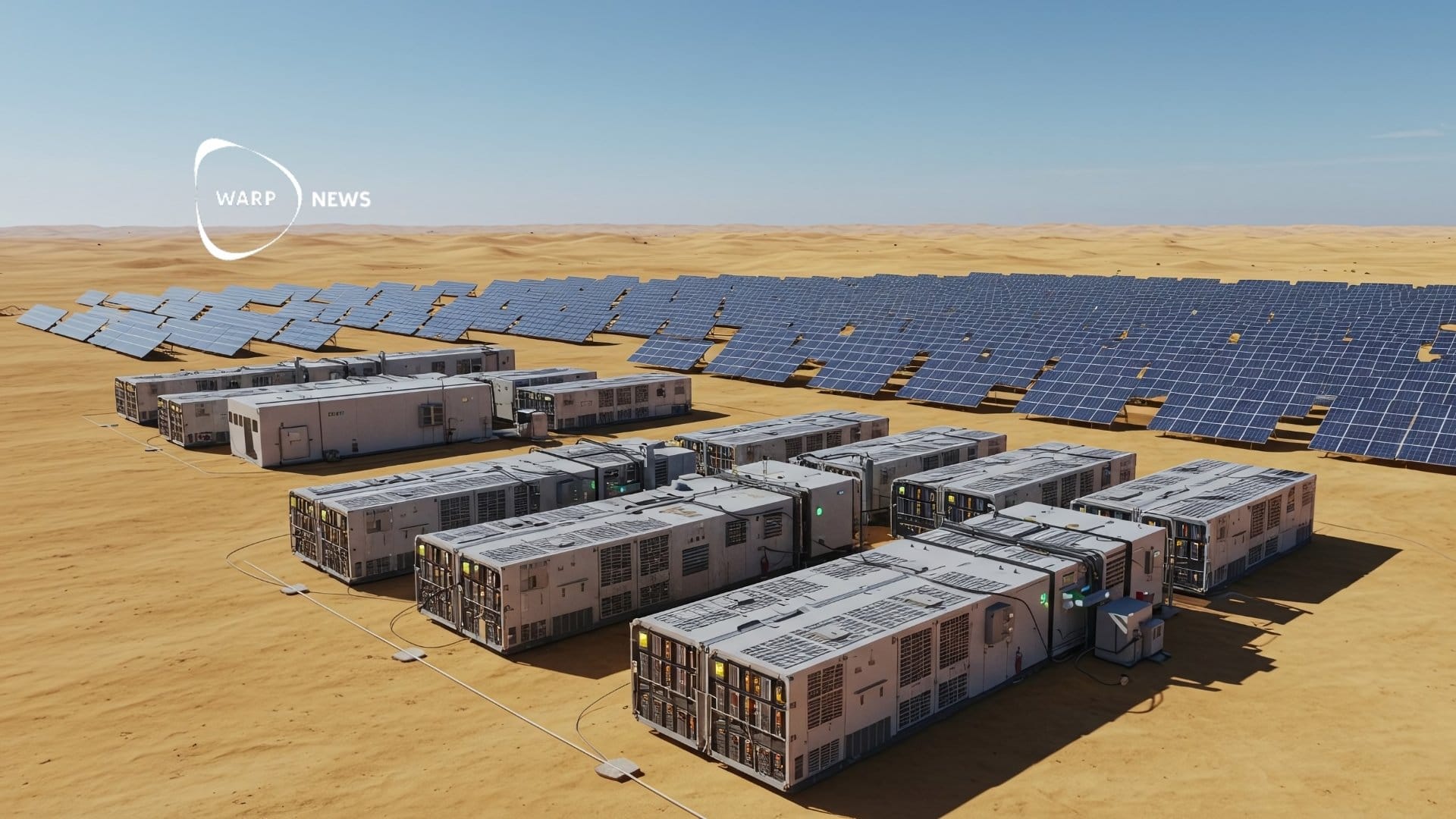
🔋 Ukraine uses large battery parks to keep power supply running
Ukraine has installed six large battery parks with a total capacity of 200 megawatts that can deliver electricity to approximately 600,000 homes for two hours. The battery parks connect to the power grid and deliver power if another source goes offline, helping to avoid blackouts.
☀️ Renewable energy surpasses coal in the global electricity mix - for the first time ever
Renewable energy overtook coal in the global electricity mix for the first time in history during the first half of 2025.
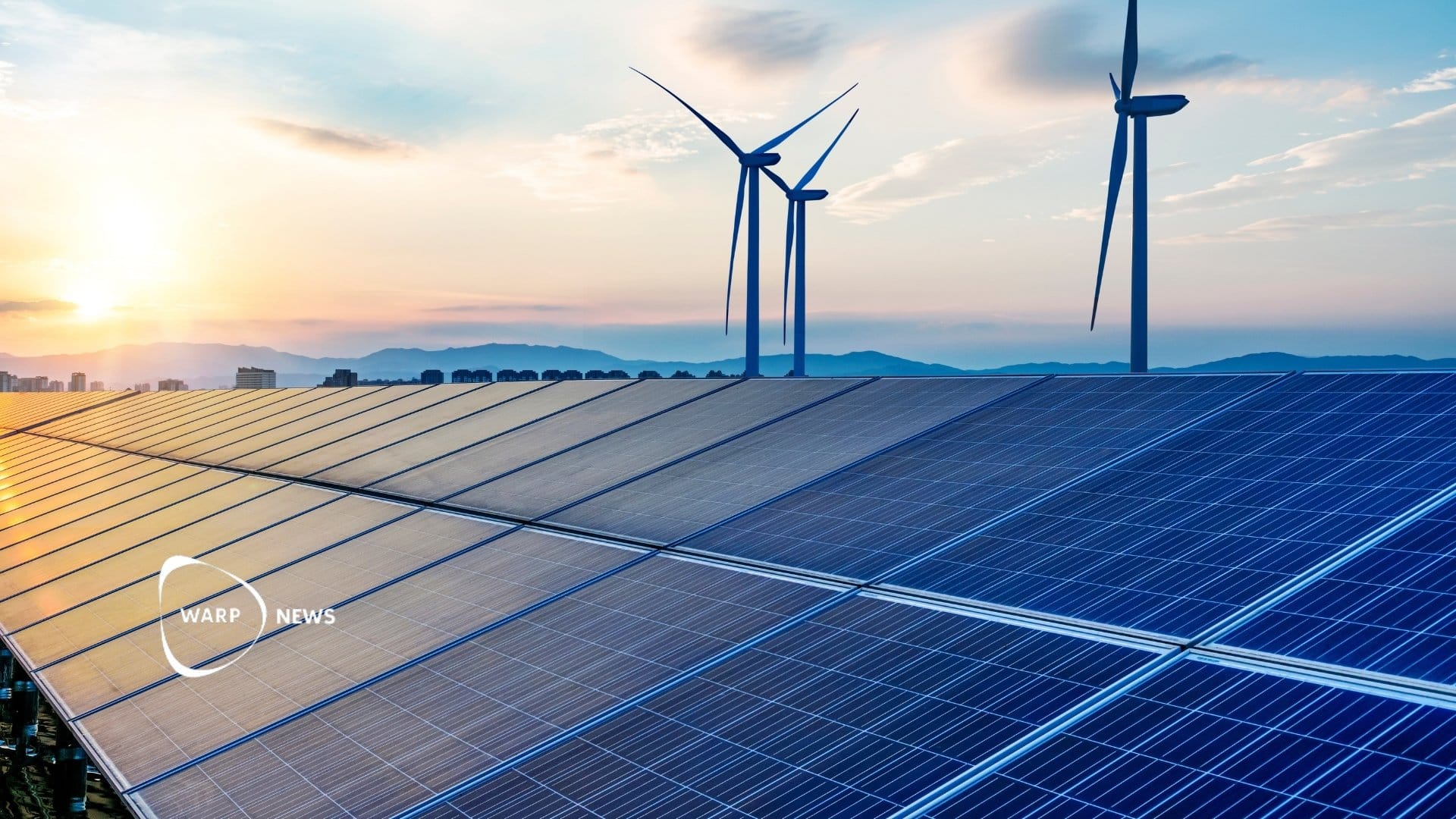
🔋 The world enters the age of electrotech
The energy system is undergoing the most extensive transformation since the transition from biomass to fossil fuels in the 18th century.
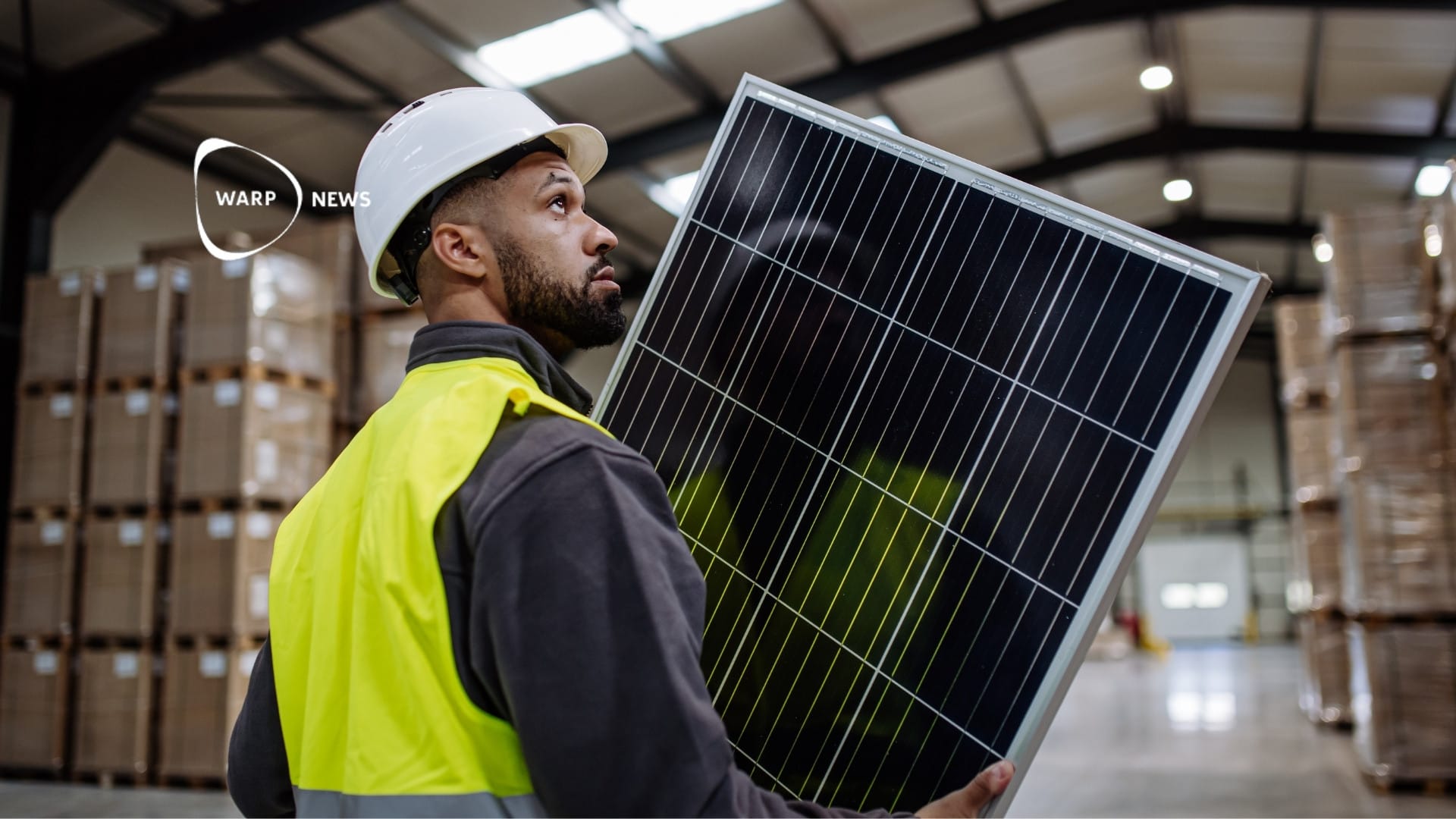
☀️ Africa reaches record levels for solar panel imports
Africa's solar panel imports increased by 60 percent during the past 12 months. Twenty countries set new records for solar panel imports during the period.
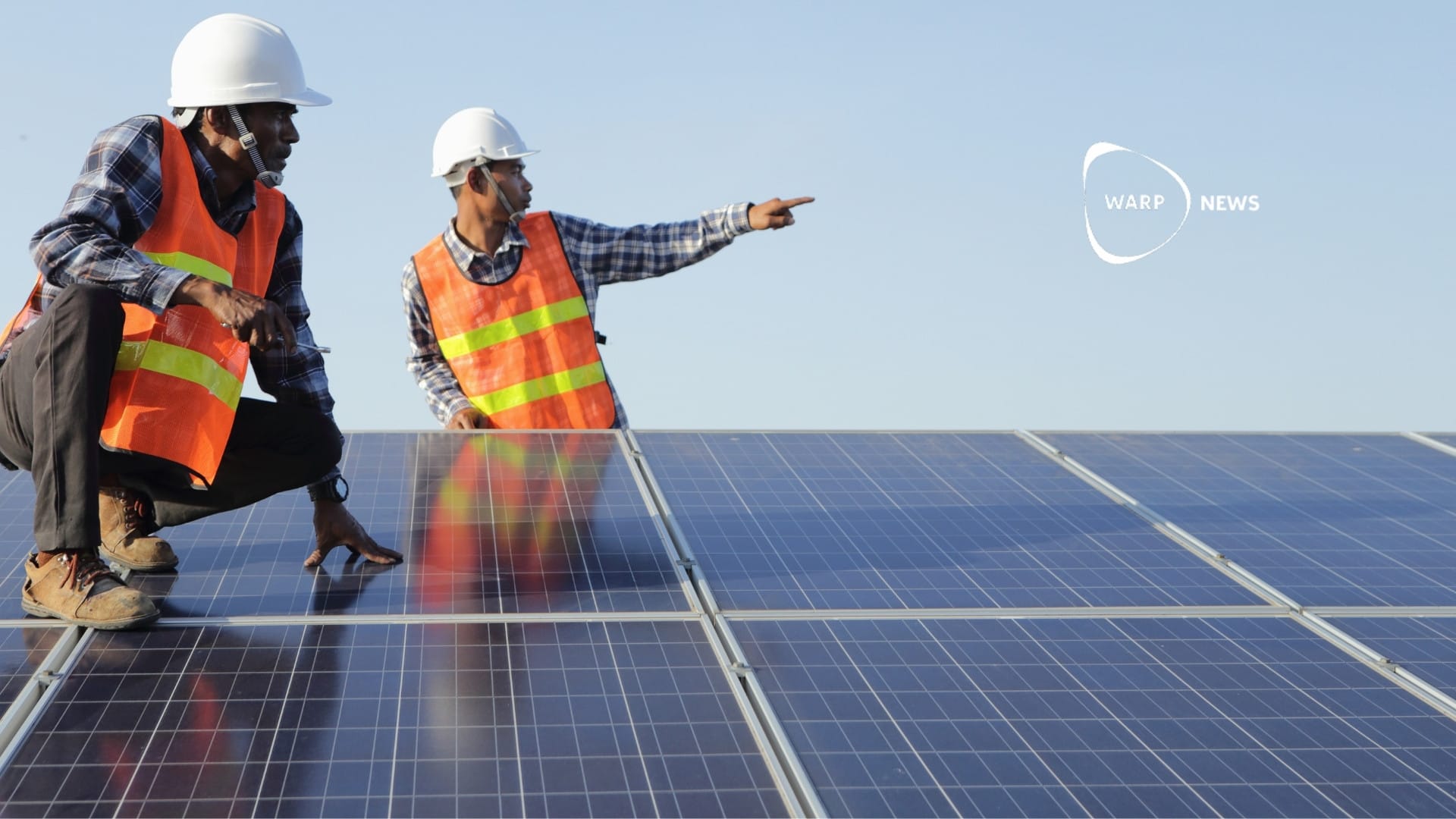
📉 China's CO2 emissions continue to decline – the peak may already have been passed
China's carbon dioxide emissions fell by one percent during the first half of 2025 and continue the downward trend that began in March 2024. The declining trend opens the possibility that China's emissions may already have reached their peak, years before the "before 2030" target.
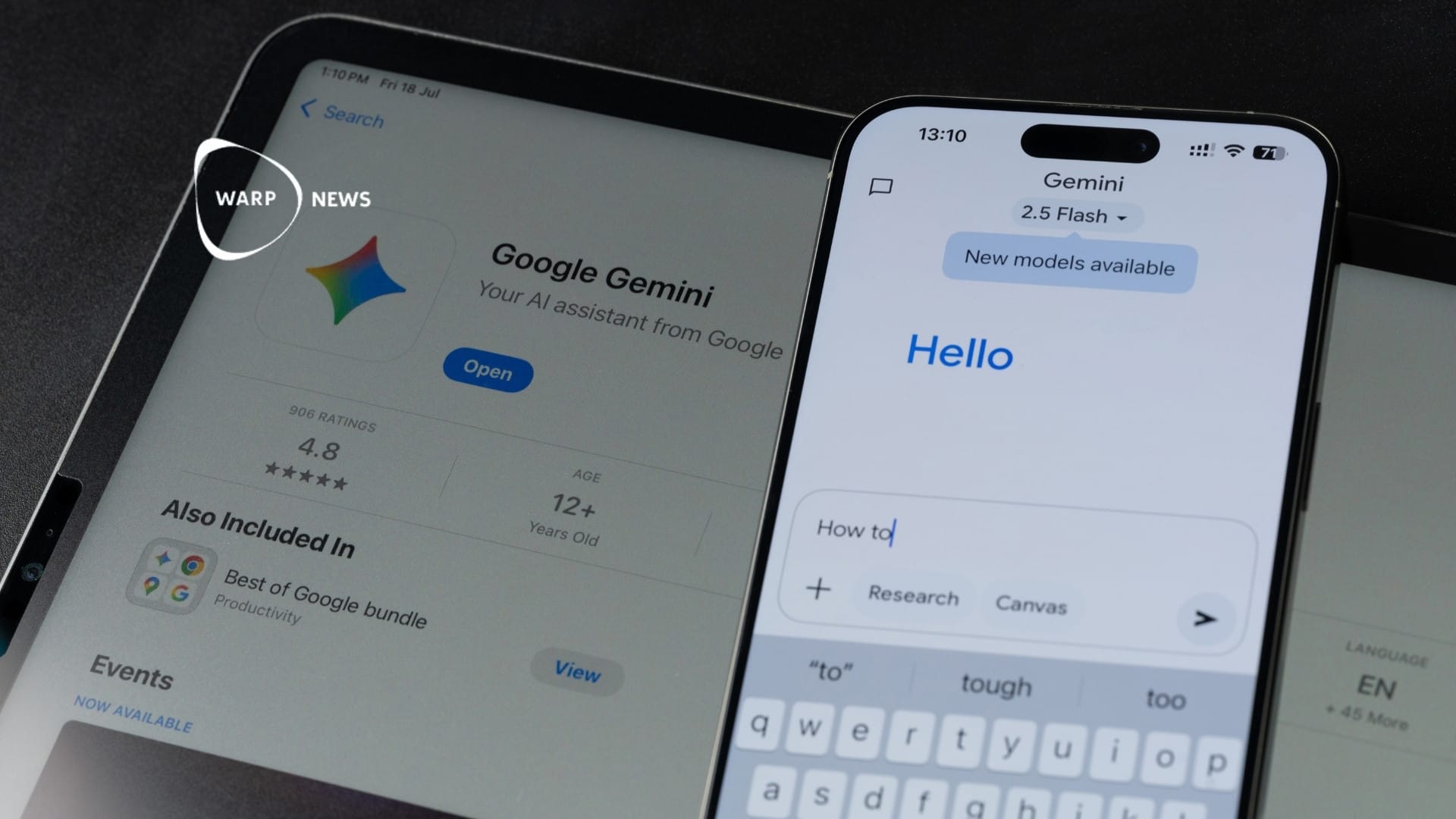
📉 An AI prompt uses less energy than nine seconds of TV – 33-fold reduction in one year
Google's AI infrastructure has reduced energy consumption by 33 times and carbon footprint by 44 times over one year.
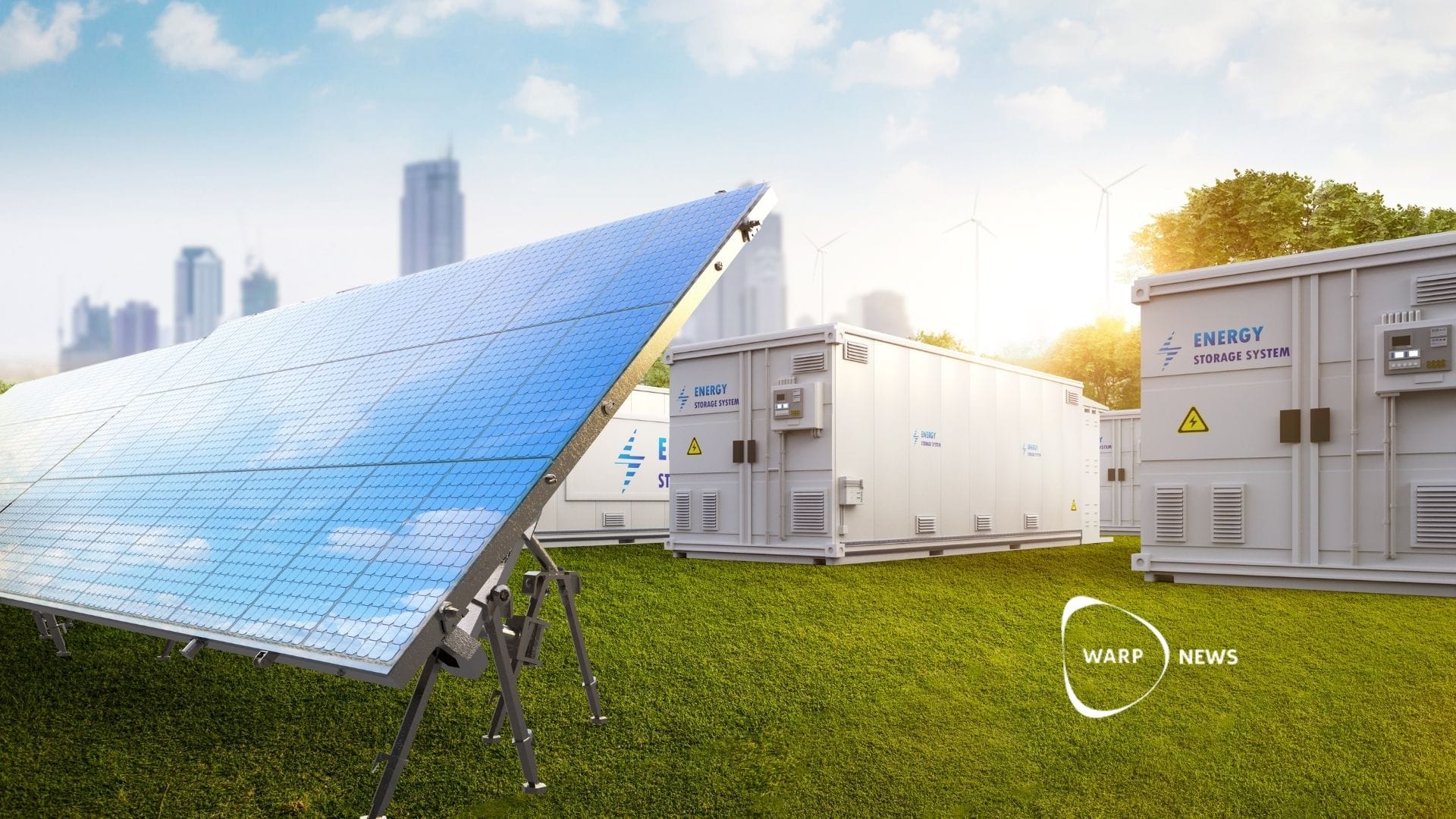
📉 Solar power with batteries became 22 percent cheaper in one year
The cost of solar power with batteries dropped 22 percent during 2024 and 43 percent since 2019. Solar power with batteries now costs around 100 dollars per megawatt hour in sunny cities, which is cheaper than coal and nuclear power.