
✍🏼 Essays
Every week you get a thought-provoking essay on how you can understand and create the future.

🛫 Air travel will also go electric
"It's impossible!" the pessimists say about electric airplanes. Anders Forslund and Klara Andreasson seem not to have heard them. Because in a hangar outside of Gothenburg, they are building a commercial 19 passenger electric airplane.

🌏 China will not dominate the world unless it becomes a democracy
How can democratic countries compete with a China that just commands forward innovation? But real breakthrough innovation can not be created in a closed system. A democratic China would be great for the Chinese - and for human progress and innovation.

⤴️ The Warp Effect curves humanity's progress
Innovation = ideas + technology. The more ideas and the easier they spread the better technology. The better technology the easier it is to spread ideas. They drive each other and the curve of humanity warps.
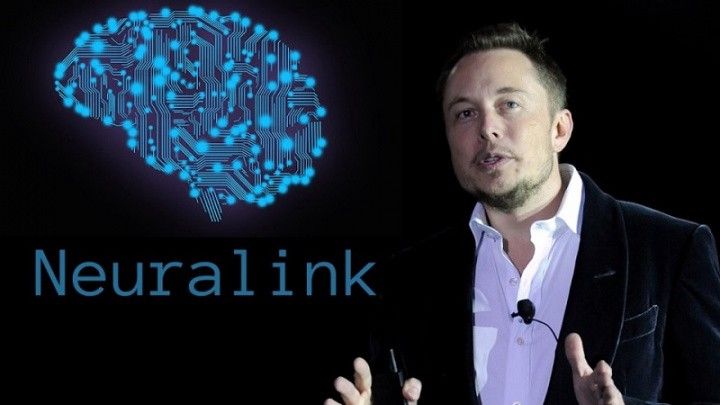
🧠 Neuralink is the next natural step for humanity
All through human history, we have used technology to evolve. The next step is to connect our brains directly to computers, which will help humanity take a giant leap forward.

👩💻 The internet's third era
The internet's first era was open platforms. In the second era huge, more closed, companies were built on top of those platforms. Now when we enter the third era, we can again create a more open internet.

🛢️ Oil & gas - The largest and best disruption ever
Six of the world's ten largest companies are in the oil & gas industry. But clean energy is now destroying their business model in the biggest - and best - disruption of an industry ever. If you want to have a positive impact on the world, and become richer than an oil sheik this is the place to be.
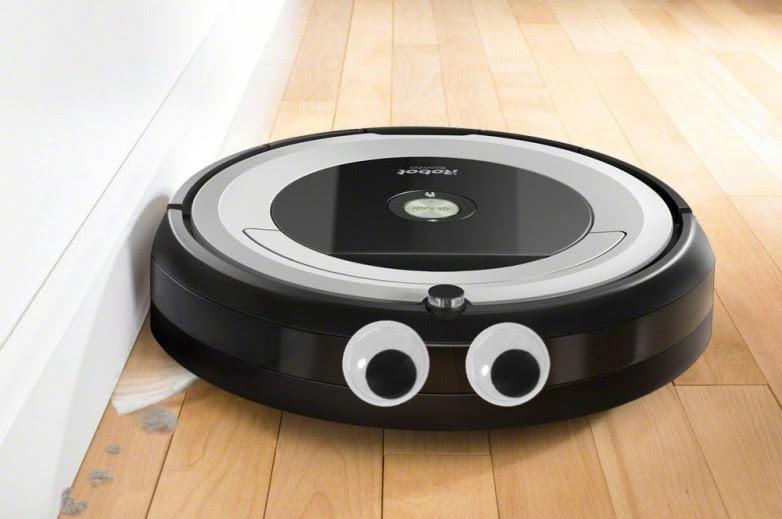
🤖 What have you named your robot vacuum cleaner?
What happens when people are told to smash and destroy a cute robot-dinosaur called Mr. Spaghetti? MIT researcher Kate Darling tested five groups of people and the results say a lot about or relationships with robots - and why we name them.
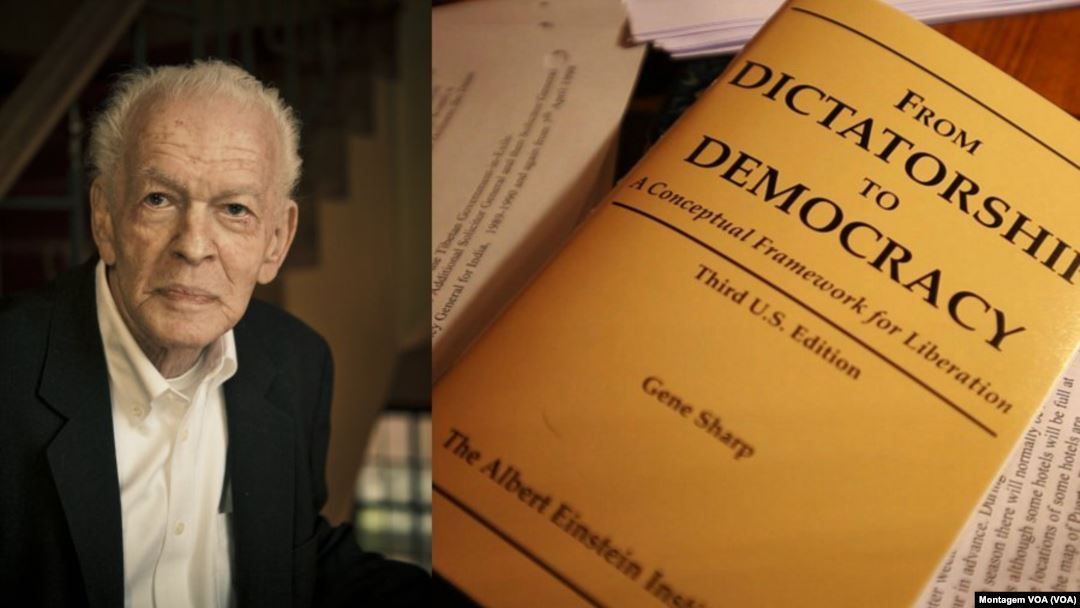
📱 Non-violent resistance - the smartphone is mightier than the sword
To overthrow a dictatorship you need violence, right? Not if you want to increase your chances of success. Non-violent campaigns are twice as likely to succeed than violent campaigns in overthrowing oppression. And with social media and the smartphone a new weapon has emerged for the oppressed.
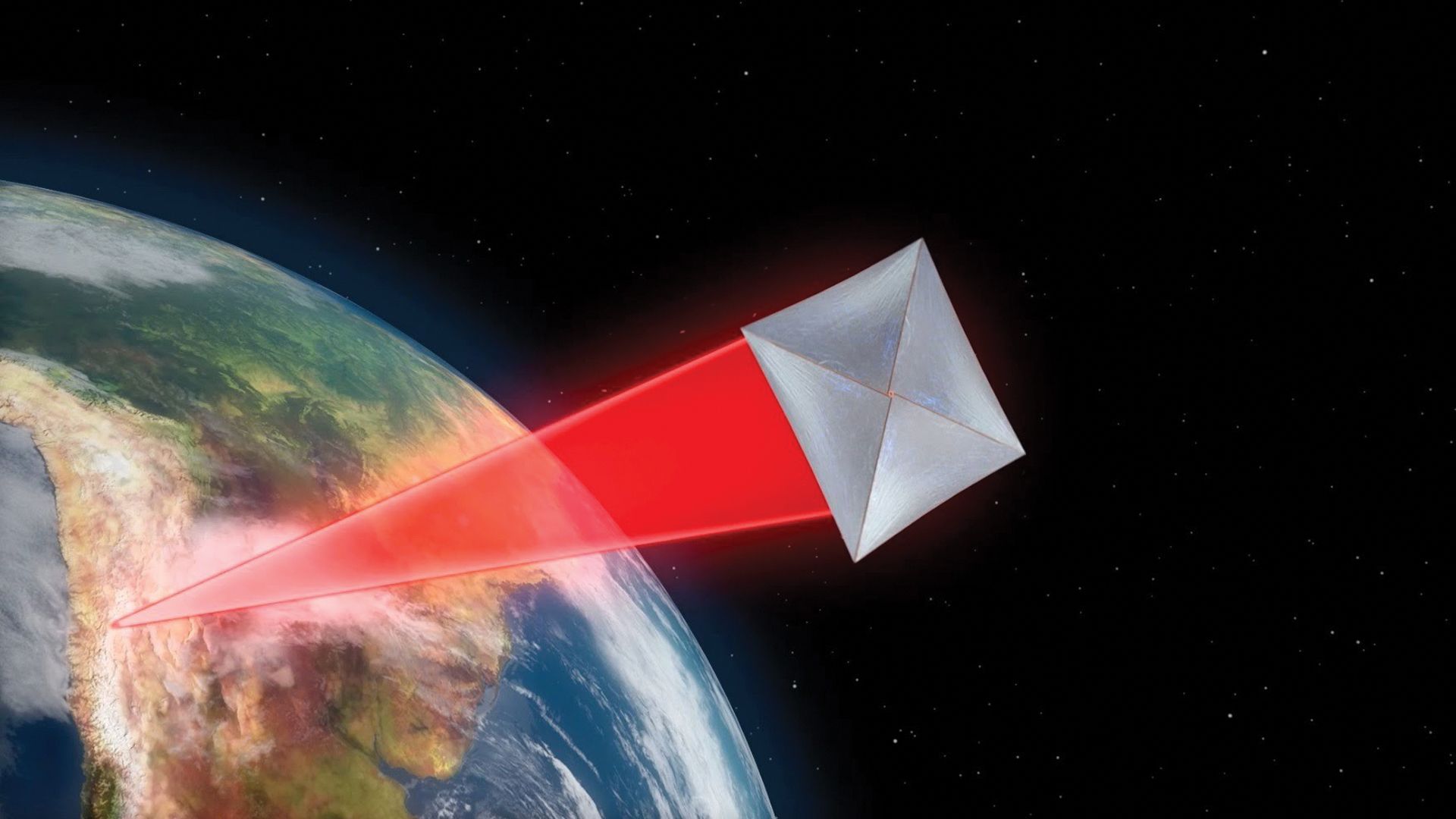
🌠 Starshot could spread life to other star systems
Project Starshot aims to send tiny spacecraft to our closest star system, Alpha Centauri at a speed of 20% of light speed. This opens the possibility of also sending life into space.