
Extreme Poverty

💰 Kerala in India has eliminated extreme poverty
The Indian state of Kerala has reduced poverty from 59.8% in the 1970s to near zero. Kerala has the lowest proportion of multidimensionally poor people in India, with only 0.55% of the population. The result was achieved through investments in health, education, and targeted interventions.

🧒 Child poverty declines worldwide - 100 million fewer in 10 years
South Asia has more than halved its child poverty during the past decade.
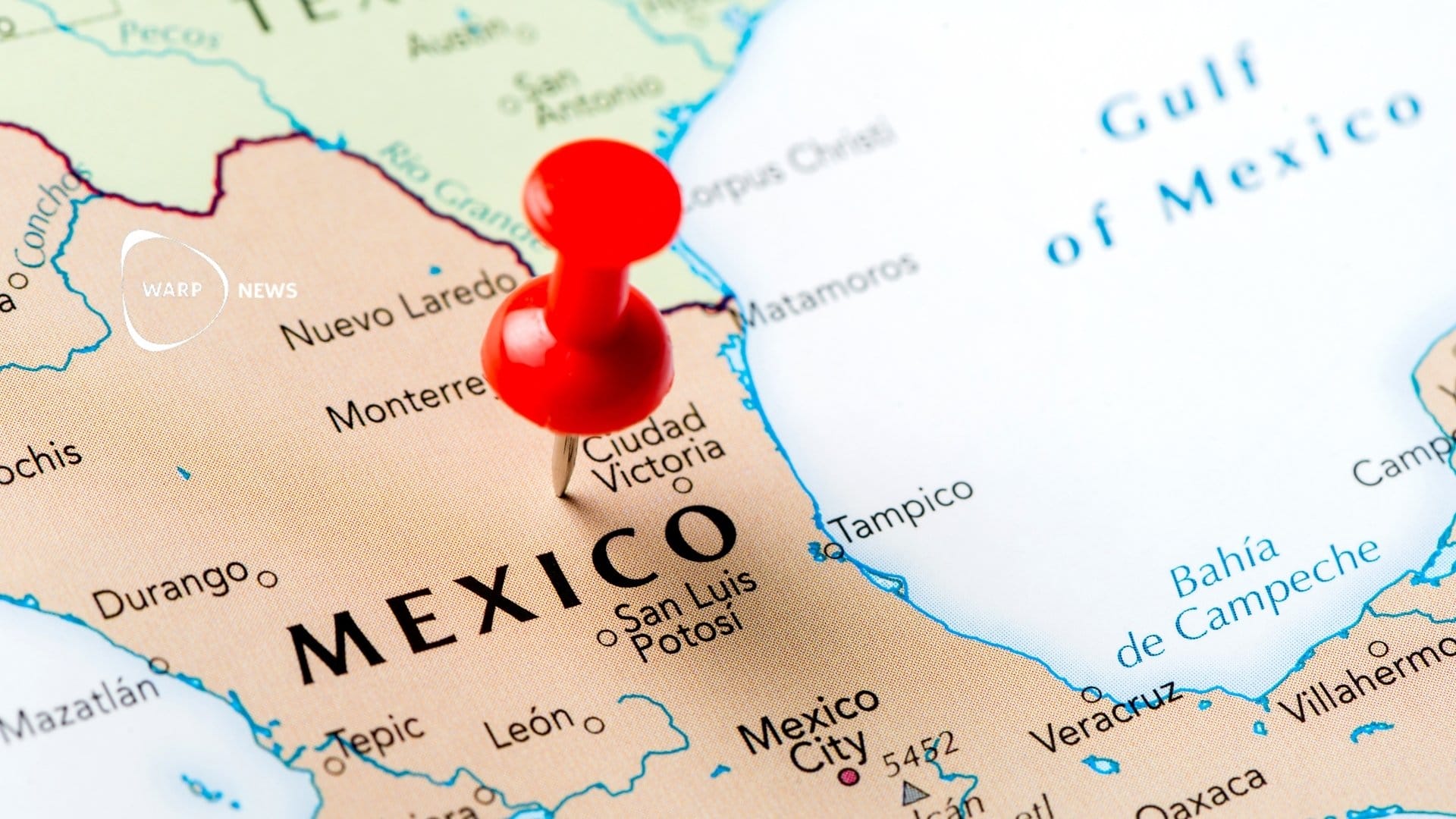
💰 Poverty has decreased by 13 million people in Mexico
The share of the population living in poverty has dropped from 41.9 percent to 29.6 percent.
💰 Argentina's urban poverty drops to lowest level since 2018
Poverty in Argentina's cities fell to 31.6 percent in the first half of 2025, the lowest level since 2018. Extreme poverty decreased from 18.2 percent to 7.4 percent in one year.
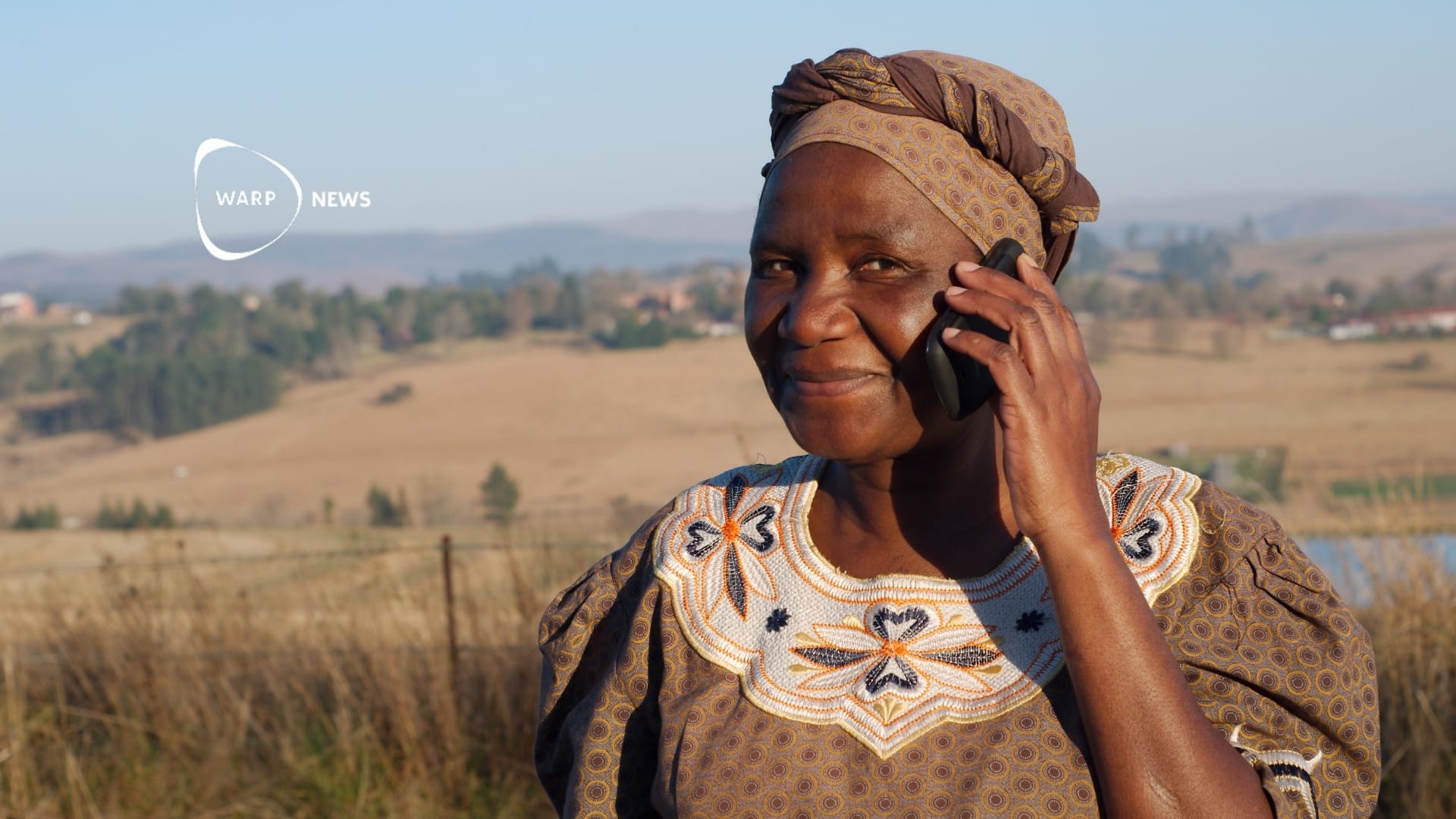
📲 Mobile payments increase dramatically in Africa and contribute to economic empowerment
Mobile payments have grown from 13 million accounts in 2010 to over 640 million accounts in 2023. In Sub-Saharan Africa, the share of people with mobile money accounts has increased from 12 percent in 2014 to 33 percent in 2021.
📉 Global extreme poverty has returned to pre-pandemic levels
During the pandemic, the number of extremely poor people in the world increased for the first time in a long while. Now the numbers have turned downward again and are reaching the same level as before the pandemic, below 9 percent.

⚖️ Global inequality decreases both between and within countries
Global inequality has decreased dramatically since the 1980s. Inequality within countries has stopped increasing and has decreased over the last decade. Poverty is decreasing faster than previously estimated, even at higher poverty thresholds.

📉 Poverty in the Philippines decreases faster than expected
The poverty rate in the Philippines dropped to 15.5 percent in 2023, from 18.1 percent in 2021. The number of poor Filipinos decreased by 2.45 million between 2021 and 2023. The result surpasses the government's development goal for 2023, which was set at about 16.0 percent.
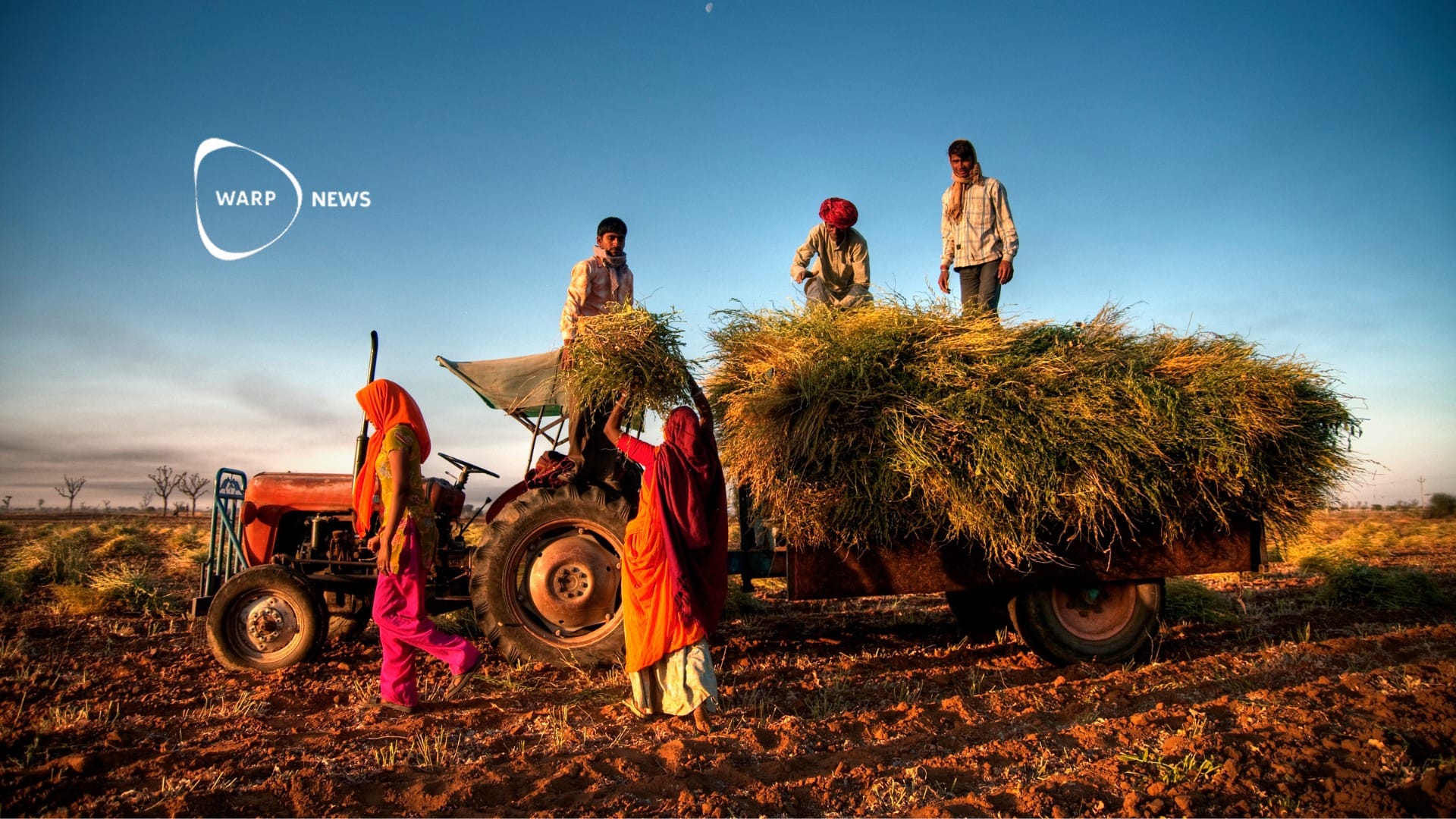
📉 New study: Poverty has decreased more than we thought, as has inequality – including within countries
Extreme poverty is almost 40 percent lower than previously thought, and economic inequality is decreasing both between and within countries.