
Gene editing
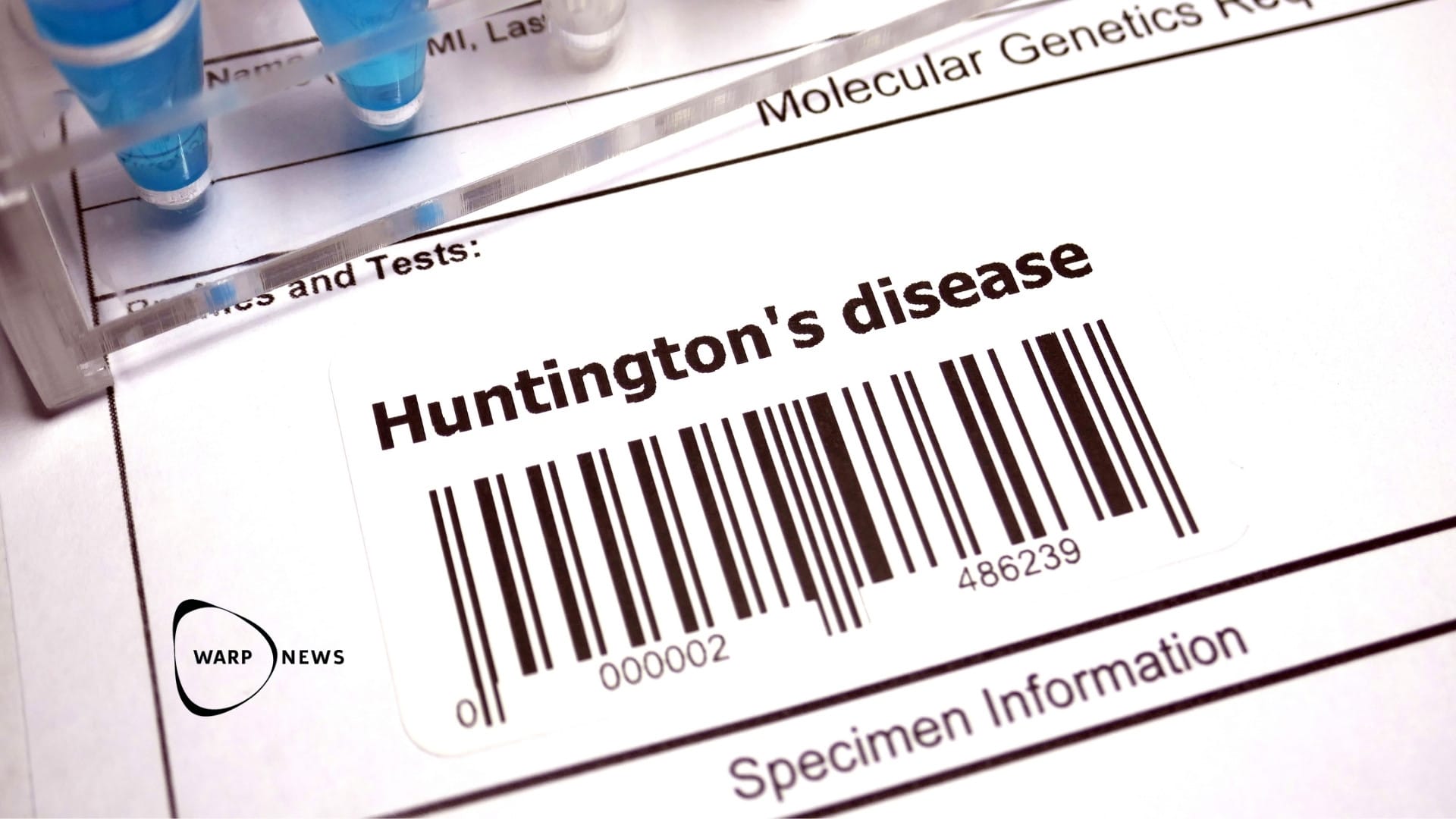
👩⚕️ Huntington's disease has been successfully treated for the first time
A gene therapy has for the first time been shown to slow Huntington's disease by 75 percent after three years in a clinical trial. The results provide proof that the disease can be treated, opening possibilities for other neurodegenerative conditions as well.
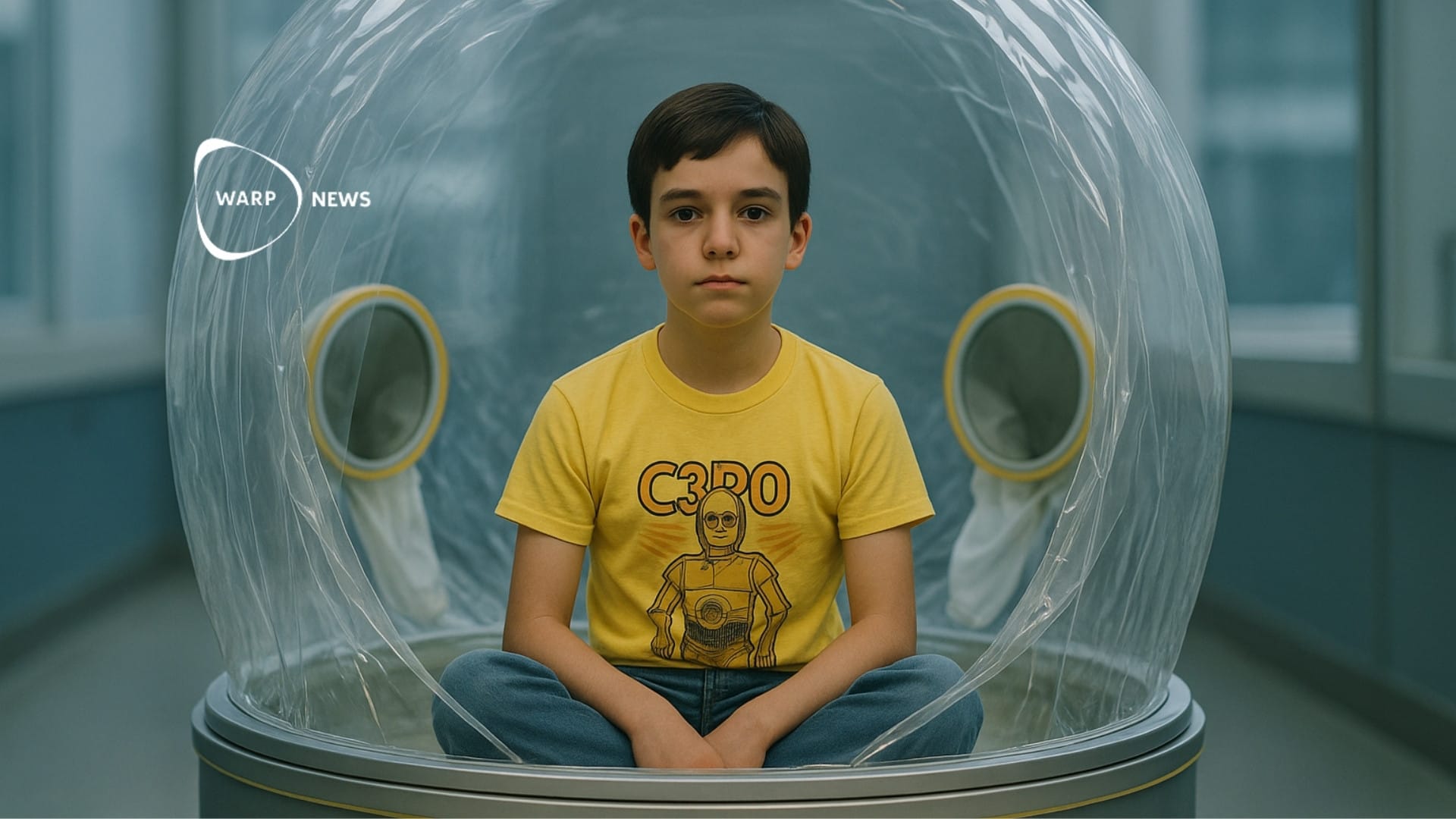
🧬 New gene therapy cures 95 percent of children with "bubble boy" disease
A single gene therapy using patients' own stem cells has cured 95 percent of treated children with a deadly immune disorder. The treatment uses the patient's own stem cells that are genetically modified to produce the missing enzyme.
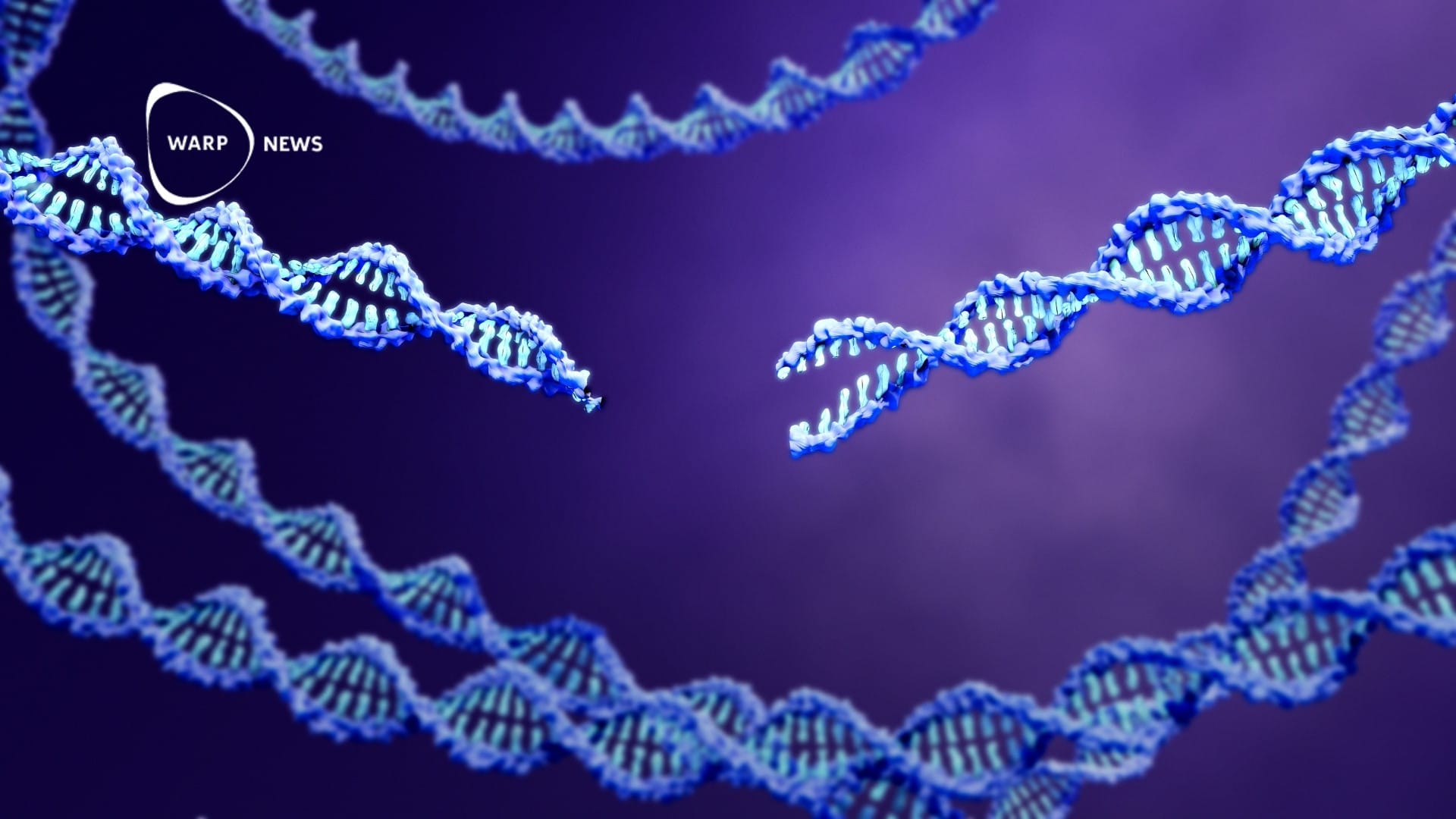
✂️ New CRISPR technique makes gene editing much safer
Scientists have created a new version of CRISPR gene editing that makes 60 times fewer errors than before.
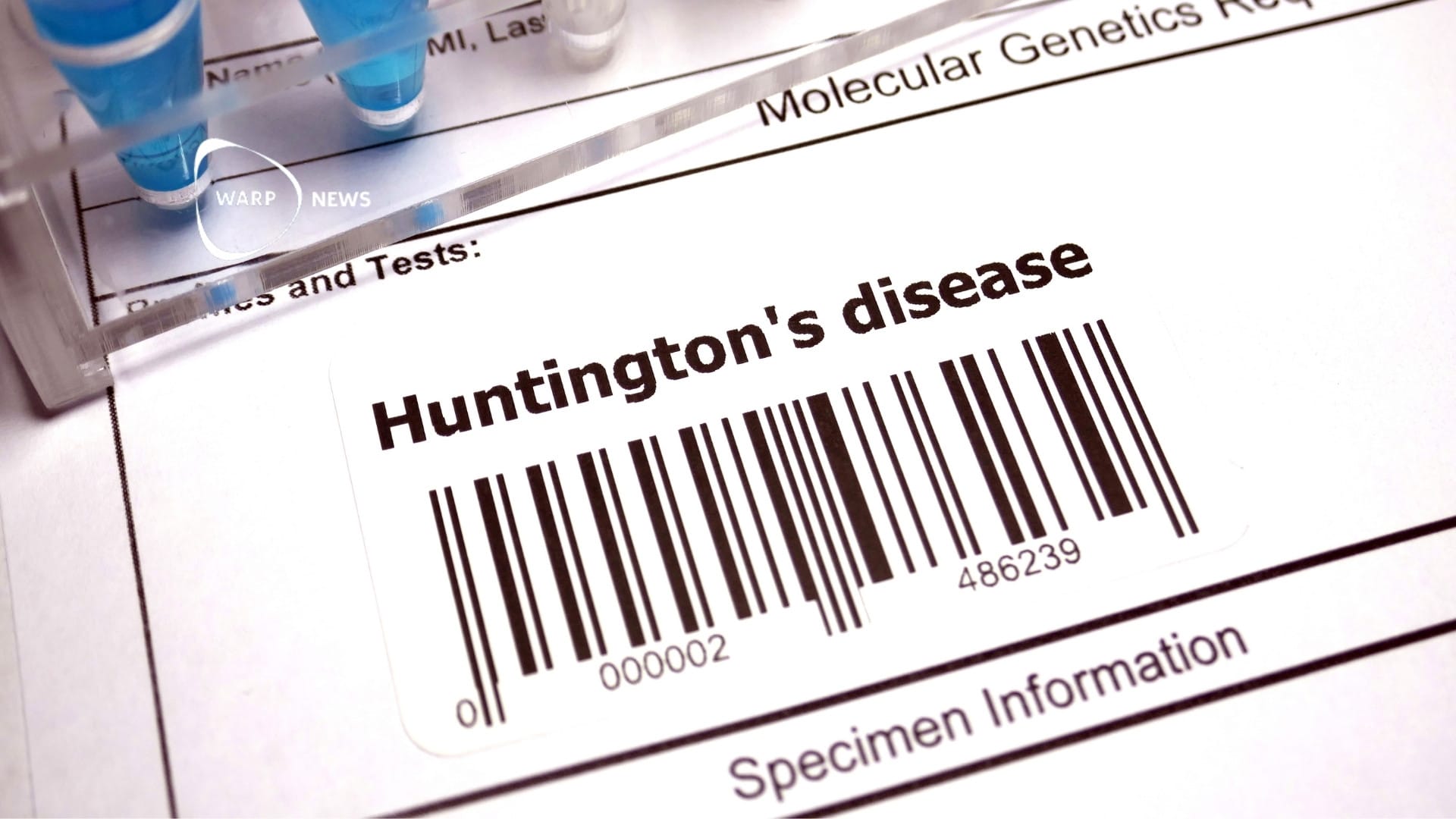
🧬 For the first time: Gene therapy slows Huntington's disease by 75%
The study shows that patients who received high doses had fewer symptoms and produced 8.2 percent less of a protein that indicates dying nerve cells.

🍆 Genetic technology enables larger and tastier tomatoes and eggplants
Researchers have discovered genes that control how large tomatoes and eggplants can grow. New techniques in gene editing can lead to the development of new varieties of traditional tomatoes and eggplants that are both larger and tastier.

🐦 Scientists closer to recreating extinct dodo
Genetic researcher Beth Shapiro leads the work to recreate the dodo, a bird that went extinct over 300 years ago. The technology being developed can be used to save currently endangered species, like the pink pigeon in Mauritius.
🧬 New gene editing technique may have cured one-year-old's deadly disease
A child with a deadly metabolic disease has been successfully treated with a new type of gene editing called ARCUS. The treatment allowed the child to stop their special diet after three months.
🧬 Newly discovered system allows researchers to edit DNA using RNA
Researchers at Arc Institute have discovered a completely new molecular system for editing DNA using RNA. The system enables programmable DNA changes such as inserting, removing or inverting DNA sequences.

🧏 She was deaf at birth, 18-month-old Opal Sandy had her hearing restored after a world-unique gene therapy.
The treatment involved a 16-minute operation where she received a functional copy of a gene that is crucial for hearing. The gene has made her hearing almost completely restored. Opal Sandy can now hear sounds as soft as a whisper.