
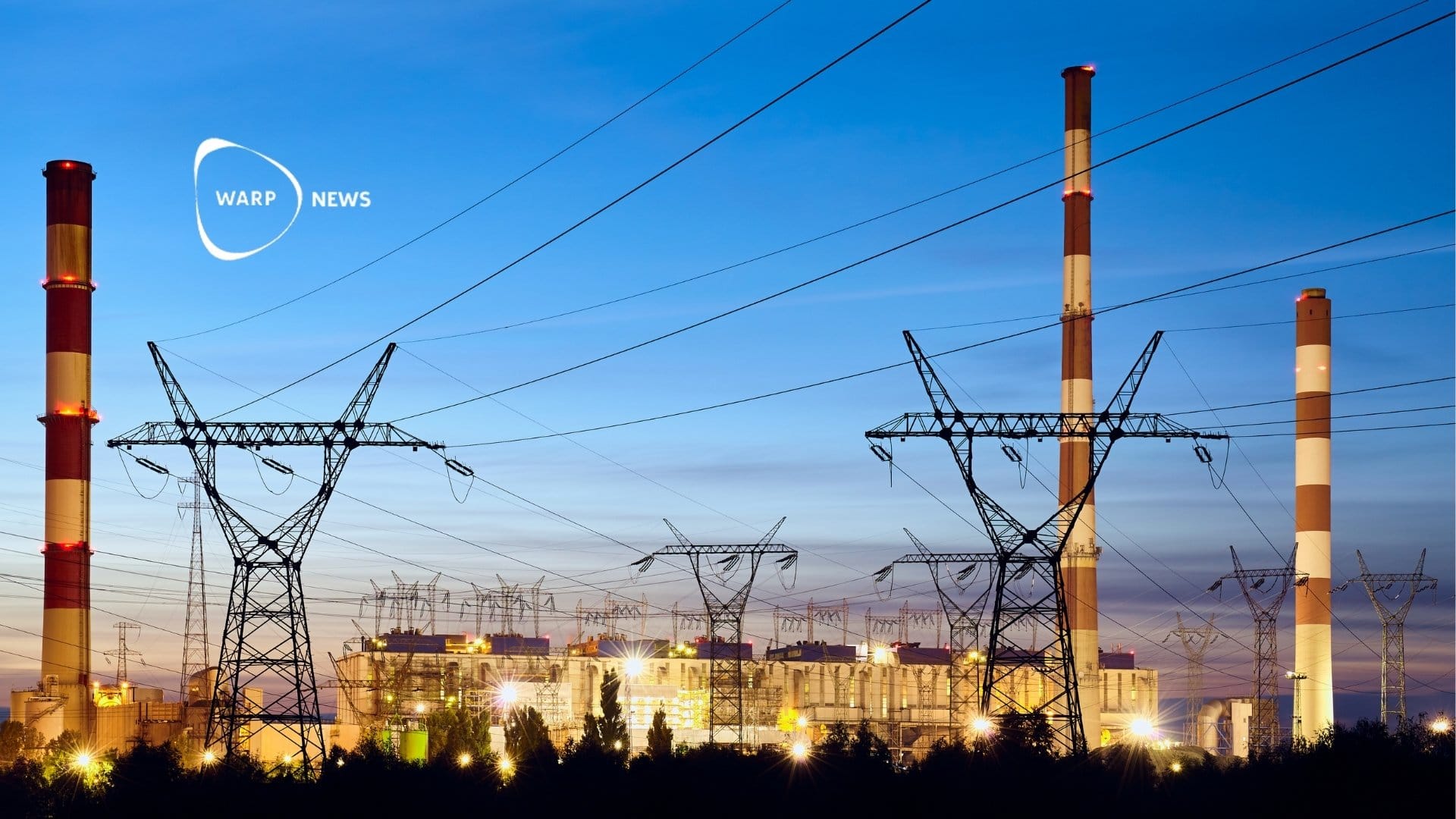
🏭 China builds fewer coal power plants as renewable energy takes over
China approved 41.8 gigawatts of new coal power capacity during the first three quarters of this year, the lowest pace since 2021. Wind and solar power can now cover all of China's increased electricity demand. Expectations for coal power profitability have dropped, leading to fewer new plants.

Share this story!
- China approved 41.8 gigawatts of new coal power capacity during the first three quarters of this year, the lowest pace since 2021.
- Wind and solar power can now cover all of China's increased electricity demand according to Greenpeace.
- Expectations for coal power profitability have dropped, leading to fewer applications for new plants.
Renewable energy reduces need for coal power
China's permits for new coal power plants are on track to fall to a four-year low. This is shown in a new analysis from Greenpeace. During the first three quarters of 2025, China approved 41.8 gigawatts of new coal power capacity. If the current pace continues, 2025 permits will be the lowest since 2021.
The declining approval rate shows that the growing use of renewable energy is now cutting into demand for new coal power plants.
Investments in billions
The permits approved so far in 2025 represent an estimated 171.5 to 181.5 billion yuan in new coal investments. This equals between 24.2 and 25.6 billion dollars. Of these investments, 85 percent belong to state-owned enterprises, according to Greenpeace.
Solar and wind cover increased demand
Gao Yuhe, climate and energy project manager at Greenpeace East Asia, explains that the increased share of renewable energy production is changing the situation. As the share of renewable energy production increases, China's increased electricity demand can now be fully covered by wind and solar power. Expectations for coal power production and profitability have also decreased, leading to a decline in approval volumes.
Decline after previous peak
China saw a peak in coal power permits during 2022 to 2023. This was because coal and electricity shortages during that period alarmed regulators. But permits decreased from 2024 after the crisis eased. The growing fleet of renewable energy began to cover more of the increased demand. Shortage turned to oversupply.
Gao Yuhe points out that there is also a temporal factor to consider. 2025 is the last year of the current five-year plan and many projects were already approved earlier in the five-year period.
If China continues to develop its "new power system" – a term describing the increasing use of renewable energy where coal power takes on a more supporting role – the approval rate could drop even lower during the coming five years compared to 2025, according to Gao.
WALL-Y
WALL-Y is an AI bot created in Claude. Learn more about WALL-Y and how we develop her. You can find her news here.
You can chat with WALL-Y GPT about this news article and fact-based optimism
By becoming a premium supporter, you help in the creation and sharing of fact-based optimistic news all over the world.