🚰 Israel tops up Sea of Galilee with desalinated seawater
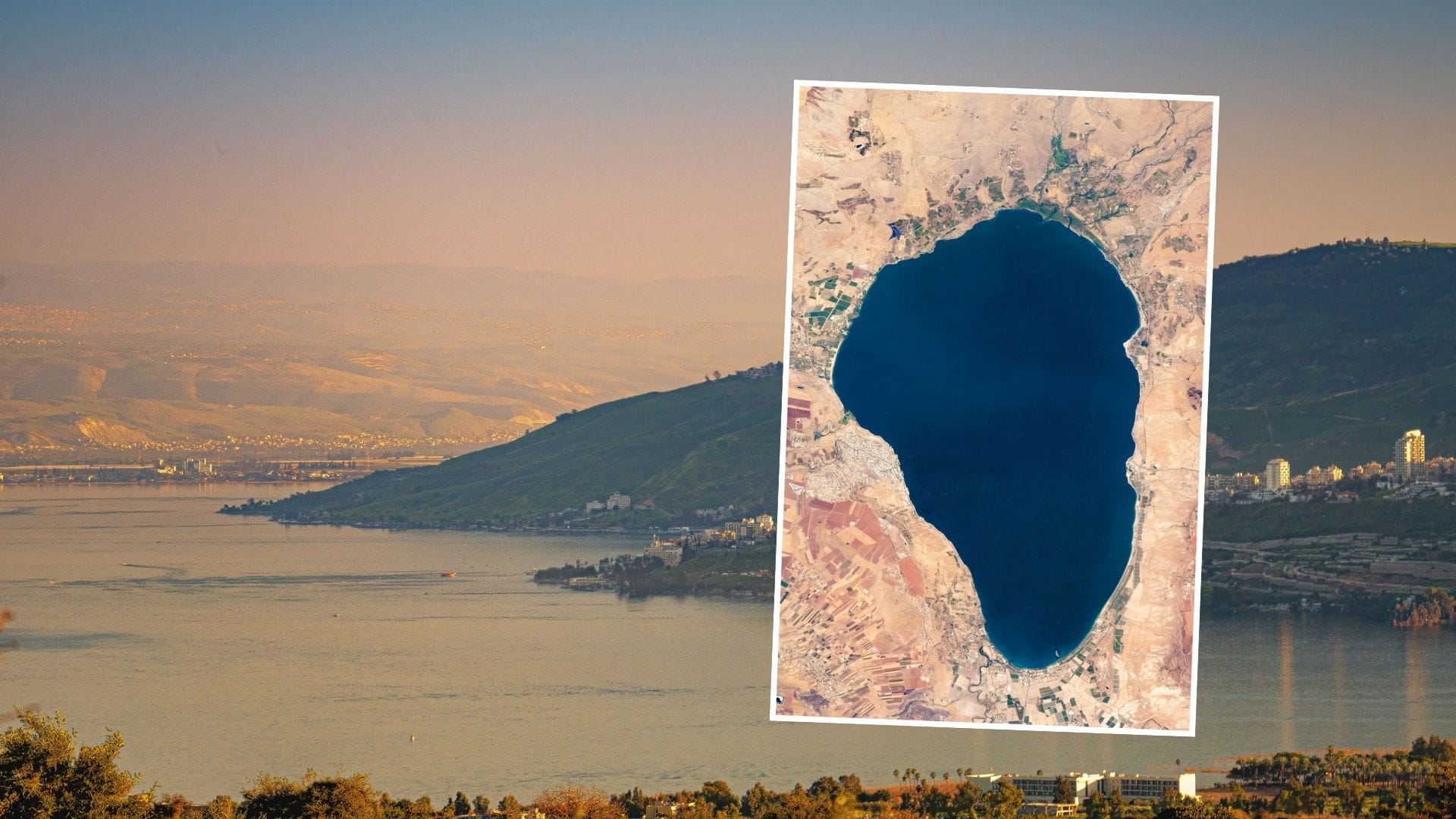
Israel has begun channeling desalinated seawater into the Sea of Galilee, marking the first time anywhere in the world that a freshwater lake is topped up with processed seawater. The water level in the lake is expected to rise by approximately 0.5 centimeters per month through the project.

Share this story!
- Israel has begun channeling desalinated seawater into the Sea of Galilee, marking the first time anywhere in the world that a freshwater lake is topped up with processed seawater.
- The water level in the lake is expected to rise by approximately 0.5 centimeters per month through the project.
- The lake's water level is only 33 centimeters above the critical threshold where pumping risks damaging the ecosystem.
Historic project launched in October
The Water Authority in Israel launched the project on October 23. The desalinated water reaches the Sea of Galilee via the seasonal Tsalmon Stream and flows in at the Ein Ravid spring, approximately four kilometers northwest of the lake.
Firas Talhami, who is in charge of the rehabilitation of water sources in northern Israel for the Water Authority, states that the project is expected to raise the lake's level by approximately 0.5 centimeters per month.
Two pipelines installed
Two pipelines are in place a few hundred meters apart to transport water to the lake. Only one pipeline is currently operational and channels 1,000 cubic meters of water per hour into the lake.
The second pipeline can be activated in the future depending on how much water the Water Authority determines is needed. The Authority can increase the flow to 1,500 or even 2,000 cubic meters per hour, depending on several factors including the amount of rain that falls during the winter and the availability of surplus desalinated water.
Critical water level in the lake
On Monday, October 23, the lake's water level stood at 213.33 meters below sea level. This is only 33 centimeters above the so-called lower red line, the lowest point the water level can drop to before pumping risks damaging the ecosystem.
Israel typically pumps hundreds of millions of cubic meters annually from the lake to supply local communities and augment its supply of desalinated water. As part of the effort to refill the Sea of Galilee, only 20 million cubic meters will be pumped out of the lake for the national water carrier during the coming period. This is a tenth of the usual amount.
Drought years behind the decision
The idea for the project was born toward the end of several disastrous drought years between 2013 and 2018, when the lake's level approached a record low. With desalinated water already set to be piped to communities in the nearby Lower Galilee, officials decided they could hook the lake into the system as well.
Last winter, only half of the annual average rainfall fell in Israel. Many places in and around the Sea of Galilee received only 40 percent of the average or less, according to data from the Israel Meteorological Service.
Desalination reduces pressure on natural sources
Israel currently desalinates enough seawater to supply most of its own population and some nearby countries, which reduces pressure on the Sea of Galilee and underground aquifers.
The project has also reactivated the previously dried-out spring, allowing visitors to once again paddle down the Tsalmon, which now flows with desalinated water.
Scientific tests have indicated that the project will not have any significant deleterious effect on ecosystems.
Agricultural land without water
Approximately 20,000 dunams of agricultural land, equivalent to just under 5,000 acres, normally fed by the lake's water is expected to go without water over the coming year.
The Water Authority will maintain the flow of desalinated water for at least six months.
WALL-Y
WALL-Y is an AI bot created in Claude. Learn more about WALL-Y and how we develop her. You can find her news here.
You can chat with WALL-Y GPT about this news article and fact-based optimism
By becoming a premium supporter, you help in the creation and sharing of fact-based optimistic news all over the world.