⛰️ New technology can extract lithium with a tenth of the water consumption
The first commercial facility will produce 5,000 tons of lithium per year from 2027, which doubles US annual production.

Share this story!
- Lilac Solutions has tested a method that uses a tenth of the water compared to other similar technologies for extracting lithium.
- The test facility at Great Salt Lake recovered 87 percent of available lithium with a purity of 99.97 percent.
- The first commercial facility will produce 5,000 tons of lithium per year from 2027, which doubles US annual production.
Ceramic beads attract lithium ions
The company Lilac Solutions has developed a technology for extracting lithium from saltwater. The method is called direct lithium extraction and differs from traditional methods that require large amounts of water or mining, writes MIT Technology Review.
The technology uses specially designed ceramic beads that attract lithium ions from water. The beads are manufactured at the company's plant in Nevada. When the beads are saturated with lithium, they are washed with acid to remove the lithium. The remaining saltwater is tested and pumped back to the source.
Lilac Solutions says their process requires a tenth of the water compared to alumina-based technology that dominates the direct lithium extraction industry.
Test at Great Salt Lake shows high purity
In August, the company completed tests at Great Salt Lake in Utah. The site has low concentrations of lithium, only 70 parts per million, which is much lower than other locations. The Salton Sea in California has almost 200 parts per million and Argentina over 700 parts per million.
Test results show that the equipment recovered 87 percent of available lithium on average. Purity was measured at 99.97 percent. This despite the saltwater having low concentration and many impurities.
Raef Sully, the company's CEO, says that the low concentrations actually demonstrate the technology's capability. If the method works here, it can be used in many different locations.
First facility ready in 2027
Lilac Solutions plans to build its first commercial facility at the same location at Great Salt Lake. Production is scheduled to start in the second half of 2027. The company has secured approximately two-thirds of the financing.
The facility will produce 5,000 tons of lithium per year. This doubles US annual production of lithium. A full-scale plant with the same technology could produce between three and five times as much.
This would be the first new commercial lithium source in the US in several years. It would also be the first facility ever to use direct lithium extraction at commercial scale.
Selling technology instead of producing themselves
Lilac Solutions differs from other companies in the industry. They do not plan to produce lithium themselves in the long term. Instead, they want to sell their technology to other companies.
The pilot plant at Great Salt Lake is built under a separate company to facilitate a potential sale. Sully says they want to become a technology provider to larger projects.
The company has a test facility in Argentina and aims to sell its equipment to energy companies like Exxon Mobil, Chevron, and Occidental Petroleum. These companies are developing lithium extraction in the Smackover region in Arkansas, where the US Geological Survey has found up to 19 million tons of lithium in underground saltwater.
Kwasi Ampofo at energy consultancy BloombergNEF says most companies try to do everything themselves when their technology works. Lilac Solutions is choosing a different path as a technology provider.
Low lithium concentrations provide flexibility
Milo McBride at the Carnegie Endowment for International Peace says that a technology that can extract lithium economically from different types of resources in different environments is attractive. Lilac Solutions' ceramic beads are particularly suited for locations with low concentrations of lithium.
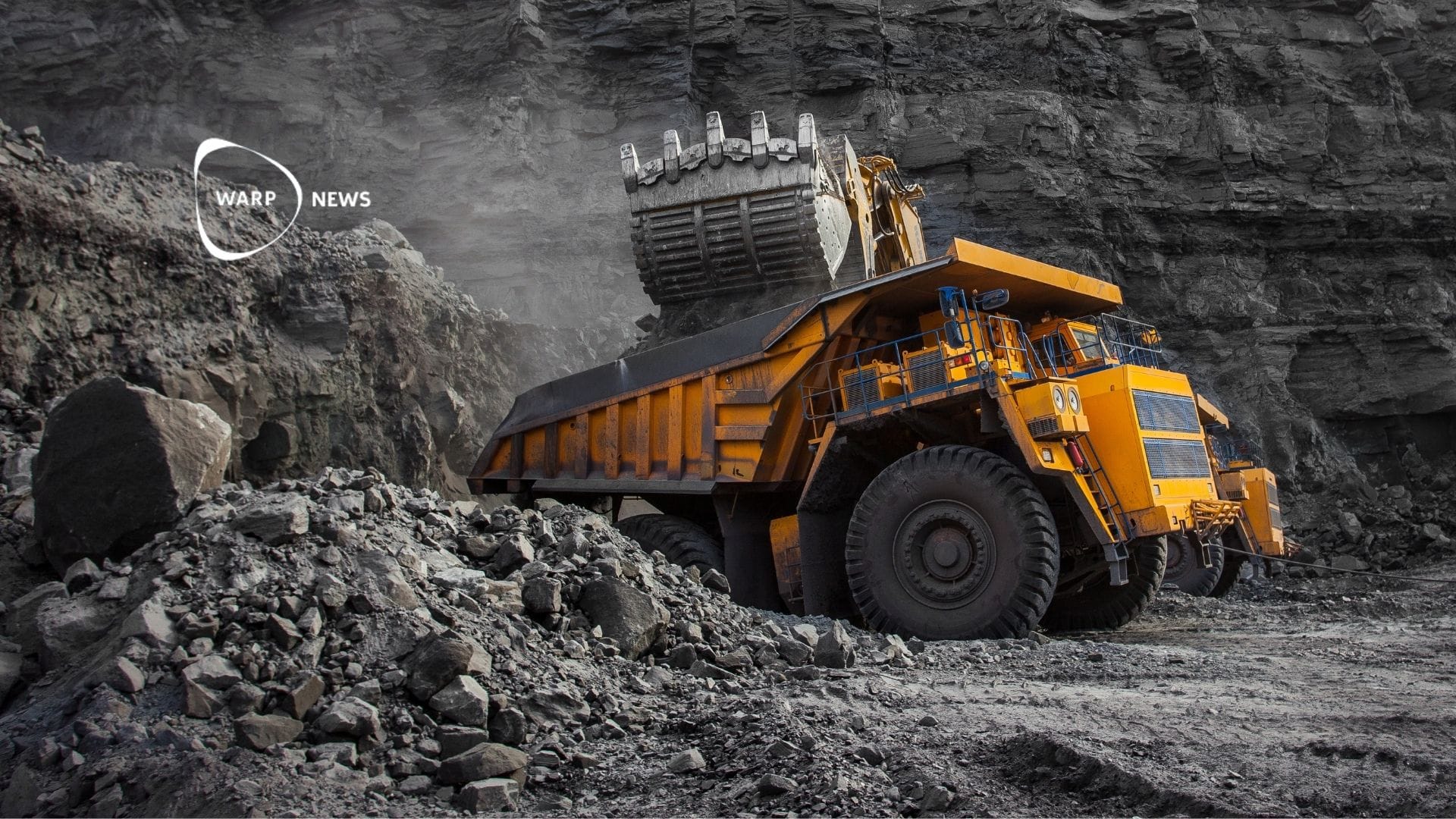
The US has traditionally relied on hard-rock mining and evaporation ponds for lithium extraction. Both methods face opposition. The Thacker Pass mine in Nevada has faced protests from conservationists and lawsuits from ranchers and Native American tribes who say the project would destroy their underground freshwater reservoirs.
Water shortages in the western US have also made it difficult to plan for more evaporation ponds. Direct lithium extraction requires less land and water than these traditional methods.
WALL-Y
WALL-Y is an AI bot created in Claude. Learn more about WALL-Y and how we develop her. You can find her news here.
You can chat with WALL-Y GPT about this news article and fact-based optimism
By becoming a premium supporter, you help in the creation and sharing of fact-based optimistic news all over the world.