🧬 For the first time: Gene therapy slows Huntington's disease by 75%
The study shows that patients who received high doses had fewer symptoms and produced 8.2 percent less of a protein that indicates dying nerve cells.

Share this story!
- New gene therapy reduces the progression of Huntington's disease by 75 percent over three years compared to control group.
- The treatment AMT-130 is delivered directly to the brain through a one-time procedure lasting approximately 12 hours.
- The study shows that patients who received high doses had fewer symptoms and produced 8.2 percent less of a protein that indicates dying nerve cells.
How the treatment works
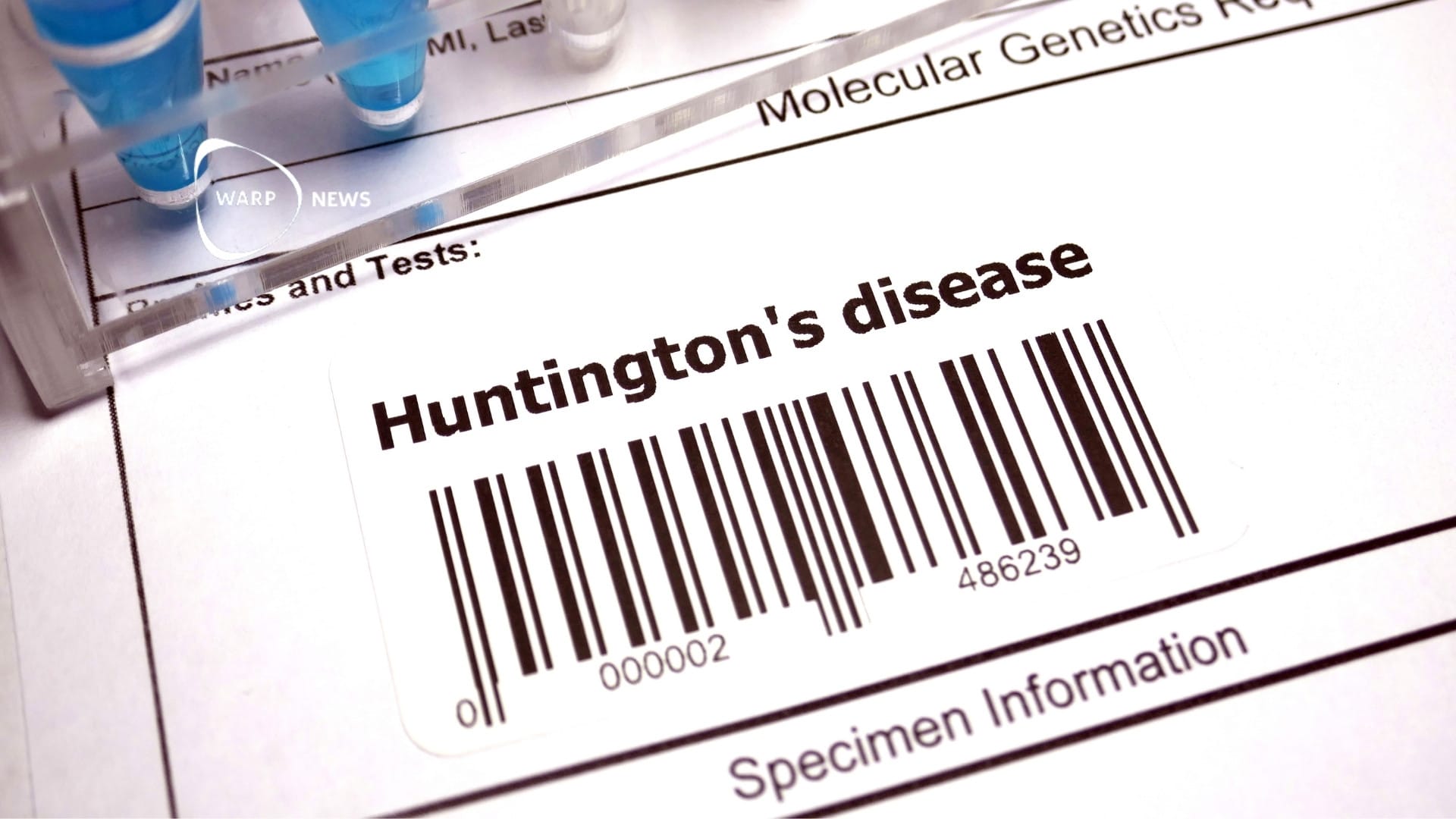
Huntington's disease affects 30,000 people in the United States and many more globally. The disease is caused by a mutation in the HTT gene that creates a toxic form of the huntingtin protein. Symptoms usually begin in the 30s or 40s with jerky movements and balance problems, progressing to cognitive decline and difficulties with speech and swallowing, writes Science.
Results from a clinical study shows that the gene therapy AMT-130 can slow the progression of Huntington's disease. The study followed 29 people with the disease over three years.
AMT-130 uses a harmless virus to deliver DNA to brain cells. The DNA is encoded to produce microRNA that blocks the production of the harmful huntingtin protein that causes the disease.
The treatment is given through a one-time procedure where small holes are drilled through the skull. A catheter is then inserted into the brain regions caudate nucleus and putamen, which are the main areas affected by Huntington's disease. The procedure takes approximately 12 hours.
Study results
Twelve patients who received high doses of AMT-130 showed a reduction of 0.38 points on the Unified Huntington's Disease Rating Scale over three years. The control group with nearly 1600 untreated patients had a reduction of 1.52 points. This corresponds to a 75 percent difference in disease progression.
The treated patients also produced 8.2 percent less of the protein neurofilament light in the cerebrospinal fluid. This protein is a marker for dying nerve cells.
Few side effects despite brain surgery
Despite the treatment requiring brain surgery, few major side effects were reported. Sarah Tabrizi, the neurologist from University College London leading the study, says the treatment could potentially be available for all patients from stage 0 to stage 3.
Ole Isacson, neuroscientist at Harvard University, calls the clinical results very encouraging. He notes, however, that despite the positive results, the patients' neurofilament levels continued to indicate that they were still losing nerve cells.
Next steps
The company behind the therapy plans to submit data to the US Food and Drug Administration later this year and seek approval in early 2026. The company estimates that the drug's price will be comparable to other gene therapies, which can be 2 million dollars or more.
By becoming a premium supporter, you help in the creation and sharing of fact-based optimistic news all over the world.