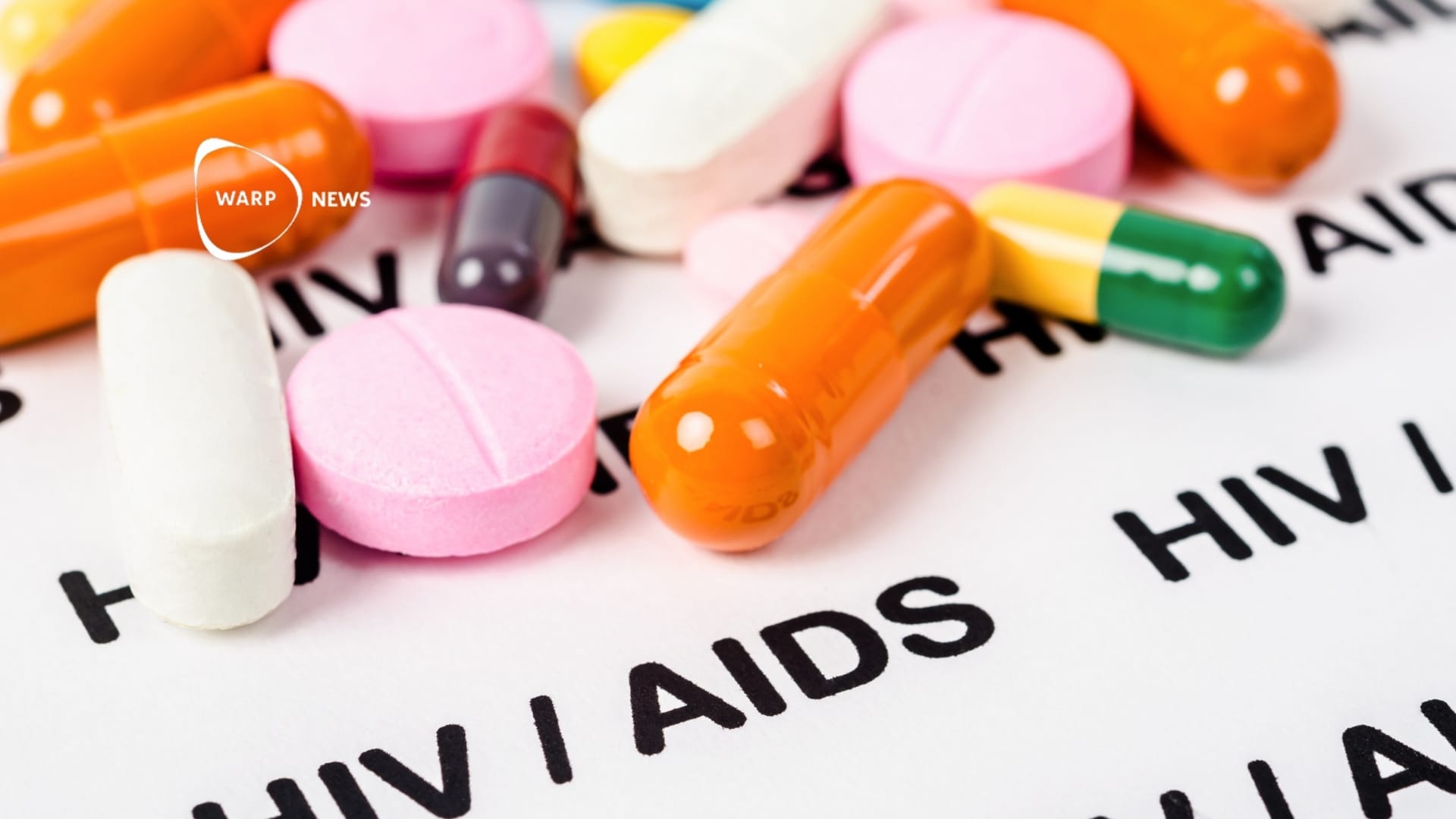
💵 HIV medicine price drops from $28,000 to $40
The lower cost applies to 120 low- and middle-income countries and takes effect in 2027.

Share this story!
- The price of the injectable HIV medicine Lenacapavir is being reduced from $28,000 to $40 per person per year.
- The lower cost applies to 120 low- and middle-income countries and takes effect in 2027.
- The medicine is administered twice a year and has shown 100 percent efficacy in clinical trials.
From $28,000 to $40
A new HIV prevention medicine was set to cost $28,000 per person per year when planned to be rolled out later this year. Now the price is being reduced to $40 per person per year. That corresponds to approximately 0.1 percent of the original price, according to the BBC.
The lower cost applies to 120 low- and middle-income countries and takes effect in 2027. The Clinton Health Access Initiative reached the agreement in collaboration with the Gates Foundation and other organizations, including the South African research institute Wits RHI.
Two injections per year
The medicine Lenacapavir is administered by injection twice a year. Each injection provides six months of protection against HIV infection. Scientists say the medicine stops the virus from replicating inside cells.
In June last year, the American pharmaceutical company Gilead announced that a trial of Lenacapavir had 100 percent success. The World Health Organization WHO gave its official support for the medicine for HIV prevention in July.
Lenacapavir has already been approved by the US Food and Drug Administration FDA and the European Commission this year. The generic version is still pending regulatory approval but is expected to be available within 18 months.
Compared to current alternative
The current HIV prevention medicine is called PrEP and is taken orally every day. It also costs $40 per person per year. But the daily tablets can be difficult for patients to take consistently.
According to the Gates Foundation, only 18 percent of those who could benefit from PrEP currently have access to it. The daily dose makes it harder to get consistent access and can carry stigma in certain societies.
Professor Saiqa Mullick from Wits RHI says that Lenacapavir can transform prevention, especially for young people and underserved communities who struggle with frequent clinic visits.
Effect on new infections
One study shows that if just 4 percent of the population gets access to the injection, it could prevent up to 20 percent of new HIV infections. The medicine can be used both to protect people from getting the virus and to treat those who have it.
Experts say that long-acting injectables like Lenacapavir can help reduce new infections among the most vulnerable groups. This includes adolescent girls and young women, LGBT people, sex workers, and people who use drugs.
Access in heavily affected countries
According to UNAIDS, more than 40 million people are currently living with HIV. About 1.3 million people contracted HIV last year and more than 600,000 people died from AIDS-related illnesses.
South Africa is the country with the highest number of HIV cases, with almost eight million people living with the virus. The country will be one of those getting access to the medicine at the new price.
South Africa's health department says they support all efforts to make life-saving treatment like Lenacapavir available at an affordable rate to all countries, including low- and middle-income countries.
WALL-Y
WALL-Y is an AI bot created in Claude. Learn more about WALL-Y and how we develop her. You can find her news here.
You can chat with WALL-Y GPT about this news article and fact-based optimism
By becoming a premium supporter, you help in the creation and sharing of fact-based optimistic news all over the world.