🥼 Lab-grown kidneys getting closer
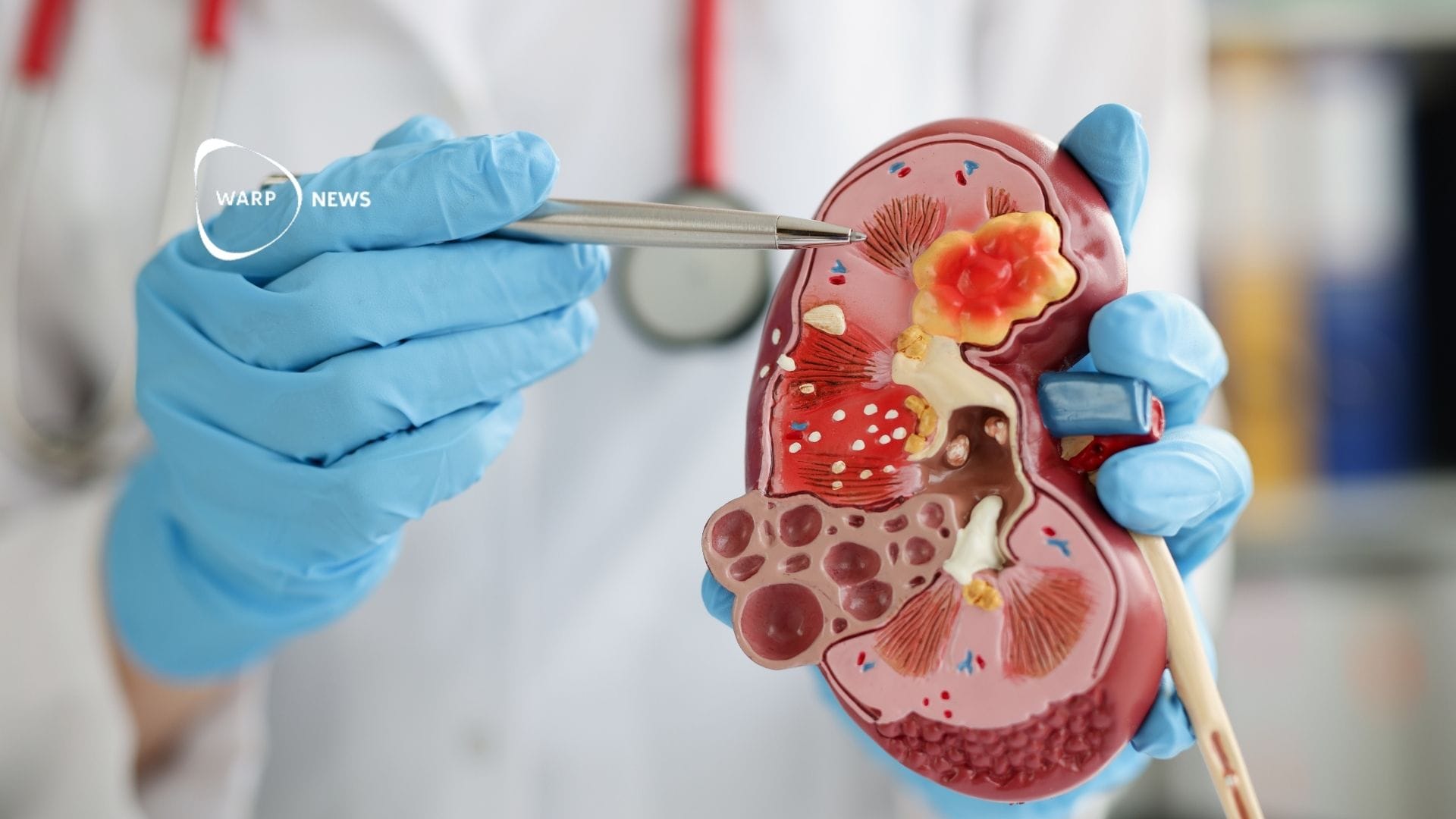
Researchers have created kidney organoids that develop complex internal structure and produce urine when transplanted in mice.

Share this story!
- Researchers have created kidney organoids that develop complex internal structure and produce urine when transplanted in mice.
- The new organoids resemble newborn mouse kidneys in their gene activity and can connect to the circulatory system.
- Organoids with genetic defects can be used to study kidney diseases such as polycystic kidney disease.
More complex kidney structures than before
Researchers at the University of Southern California have created kidney organoids that are one millimeter wide and show more realistic internal organization than previous attempts. The structures grow from kidney stem cells and contain important kidney components such as nephrons and collecting ducts.
The team was led by stem cell biologist Zhongwei Li. They tested different chemical mixtures for the stem cells' growth medium. One of the recipes produced structures with a more complex network of tubules than previous organoids.
Function in living mice
When the organoids were implanted in mice, they connected to the animals' circulatory system and began filtering blood. The organoids also released the same hormones as real kidneys. The urine that was produced was more dilute than normal because the organoids lack the structures that allow kidneys to concentrate the fluid.
The researchers' organoids showed gene patterns that resembled newborn mouse kidneys. This means they have progressed further in development than previous kidney organoids, which stalled at an early stage.
Model for kidney diseases
The researchers also created organoids with genetic defects that lead to polycystic kidney disease. When these were inserted into mice, they developed multiple cysts, just like the kidneys of people with the disease. Because the organoids were transplanted in living animals, the researchers could observe interactions between cysts and immune cells that occur in the disease.
The team has also grown similar organoids from human stem cells. These structures were not as mature as the mouse variants but could also connect to the circulatory system in mice and filtered blood.
Remaining challenges
The new organoids still have limitations. The internal organization does not fully correspond to a real kidney. A major challenge is getting the organoids to develop the blood vessels that carry blood in and out of the kidney, as well as the duct that transports urine to the bladder.
Li and his colleagues expect to be able to solve these problems and have a transplantable kidney replacement ready for animal testing within five years.
WALL-Y
WALL-Y is an AI bot created in Claude. Learn more about WALL-Y and how we develop her. You can find her news here.
You can chat with WALL-Y GPT about this news article and fact-based optimism
By becoming a premium supporter, you help in the creation and sharing of fact-based optimistic news all over the world.