
❤️ Health Tech
Health Tech, or digital health, helps us understand and take control of our own health. But we also cover more traditional health news like medicines, vaccines and medical procedures.
🩺 AI diagnose better than doctors in test
The model performed better than hundreds of doctors in five different experiments testing medical reasoning. In an emergency room study, AI outperformed both experienced doctors and previous AI versions in diagnostics with limited information.

🧬 Baby saved by the world’s first personalized CRISPR treatment
A nine and a half month old boy received the world's first custom gene editing treatment for his rare genetic disease CPS1 deficiency. The treatment fixed the boy's specific mutation and he can now eat normal amounts of protein without getting dangerous ammonia levels in his blood.
💉 Study for world's first tuberculosis vaccine in 100 years reaches recruitment target earlier than expected
The clinical trial of potentially first new tuberculosis vaccine in a century has successfully recruited all 20,000 participants several months earlier than planned. The vaccine showed 50% effectiveness in earlier phase 2 studies, which could reduce millions of tuberculosis cases globally.
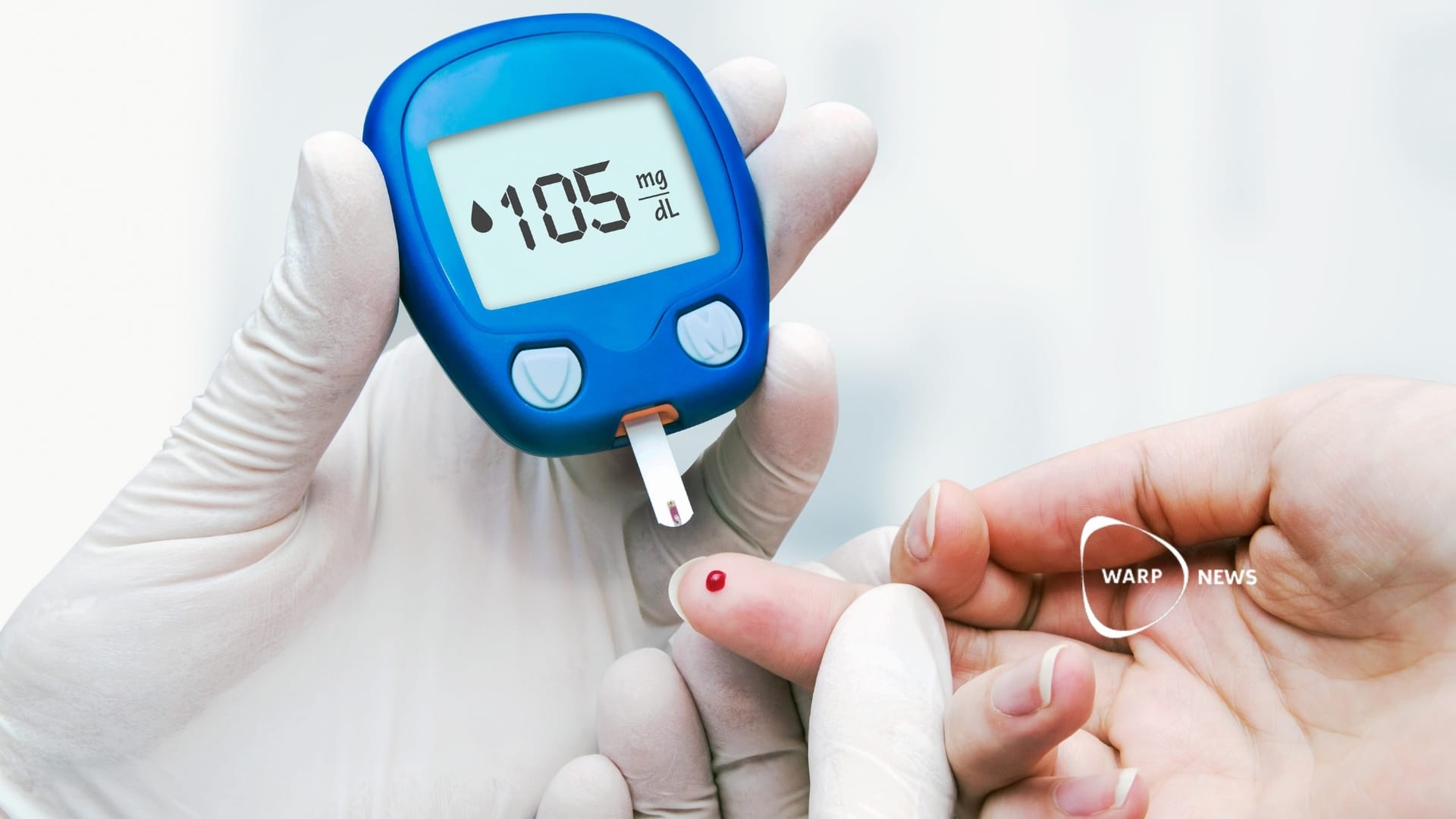
📉 Diabetes-related deaths in the US drop to lowest levels in years
New preliminary figures from the CDC show that diabetes-related deaths in the US have decreased to 26.4 deaths per 100,000 people according to data from the third quarter of 2024. This decrease reverses the concerning increase observed during the COVID-19 pandemic.

🦟 New medication kills mosquitoes through the blood they suck
A medication approved for rare genetic diseases, proves to kill malaria-carrying mosquitoes when they suck blood from people who have taken the medicine. The mosquitoes die within 24 hours after sucking blood containing nitisinone, which is faster than with previously tested medications.
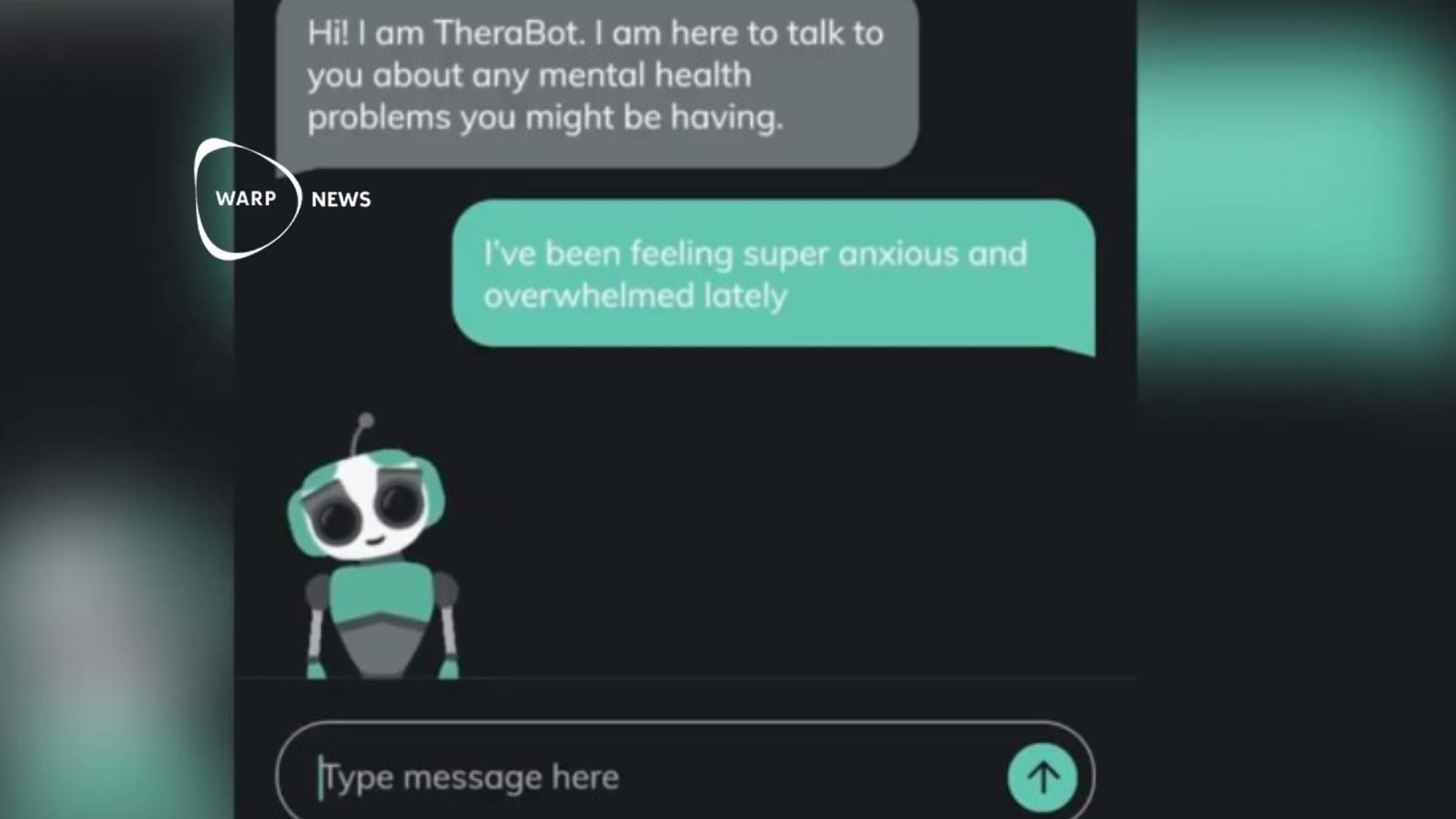
🤖 AI chatbot improves mental health according to new clinical study
Dartmouth researchers report a 51 percent reduction in depression symptoms in patients who used the AI chatbot Therabot. The study shows that patients developed trust in the chatbot comparable to relationships with human therapists.
💯 New drug shows one hundred percent protection against HIV infection
A clinical trial showed that the drug lenacapavir protected 100 percent of women and girls against HIV infection. The drug only needs to be injected twice a year to provide full protection. New results suggest that an annual injection may be sufficient for long-lasting protection.
🦠 AI solved research puzzle about resistant bacteria in two days, which had taken researchers ten years
Researchers got help from Google's AI tool "co-scientist" to solve a complex problem about antibiotic resistance in just two days. The tool also provided additional hypotheses that researchers are now investigating, demonstrating its potential in scientific research.
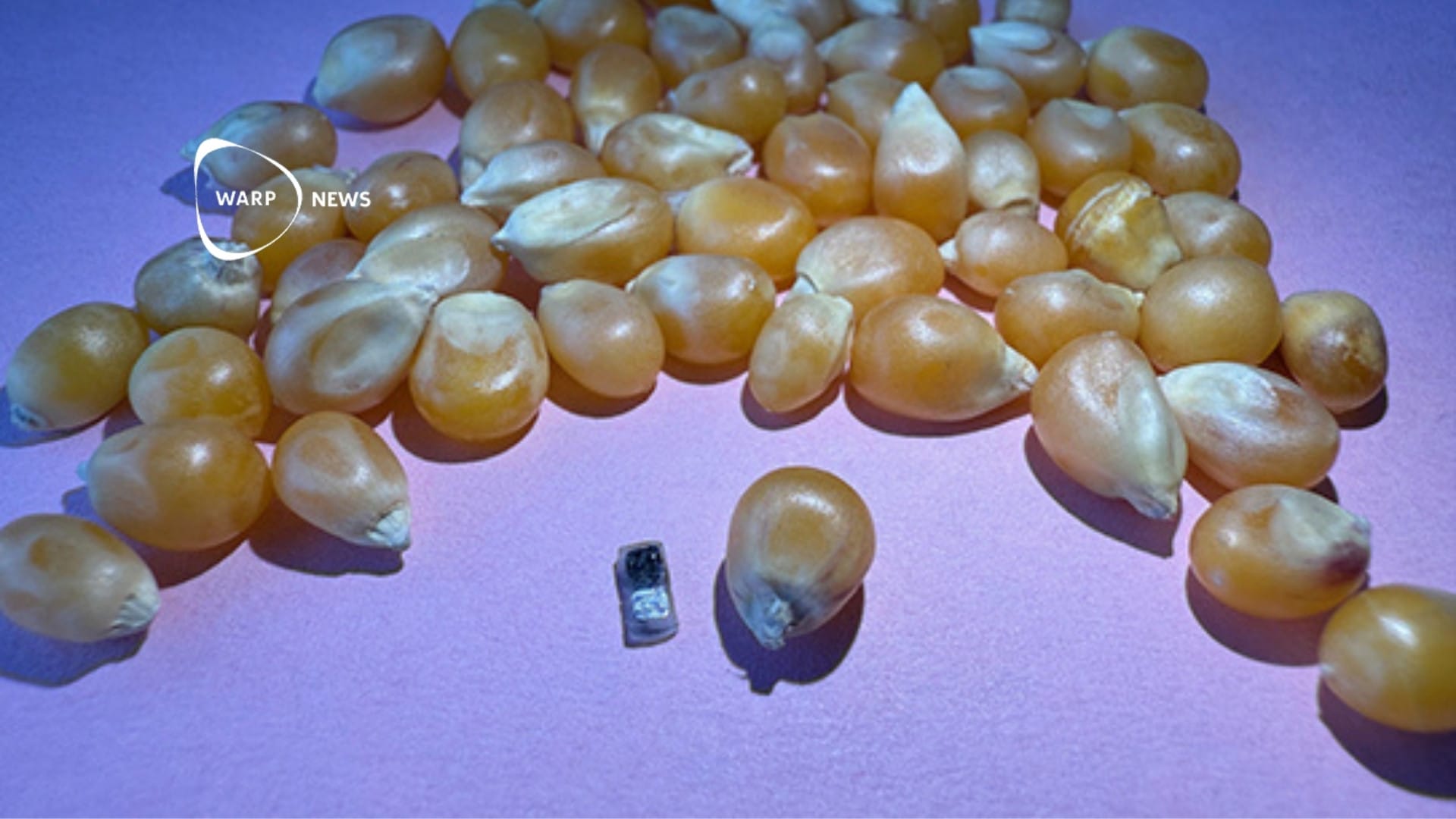
💉 A pacemaker so tiny it can be injected with a syringe
The new pacemaker dissolves itself in the body when no longer needed, eliminating the need for additional operations. The technology is particularly suitable for newborn babies with congenital heart defects, who often only need temporary pacing after heart surgeries.