
❤️ Health Tech
Health Tech, or digital health, helps us understand and take control of our own health. But we also cover more traditional health news like medicines, vaccines and medical procedures.
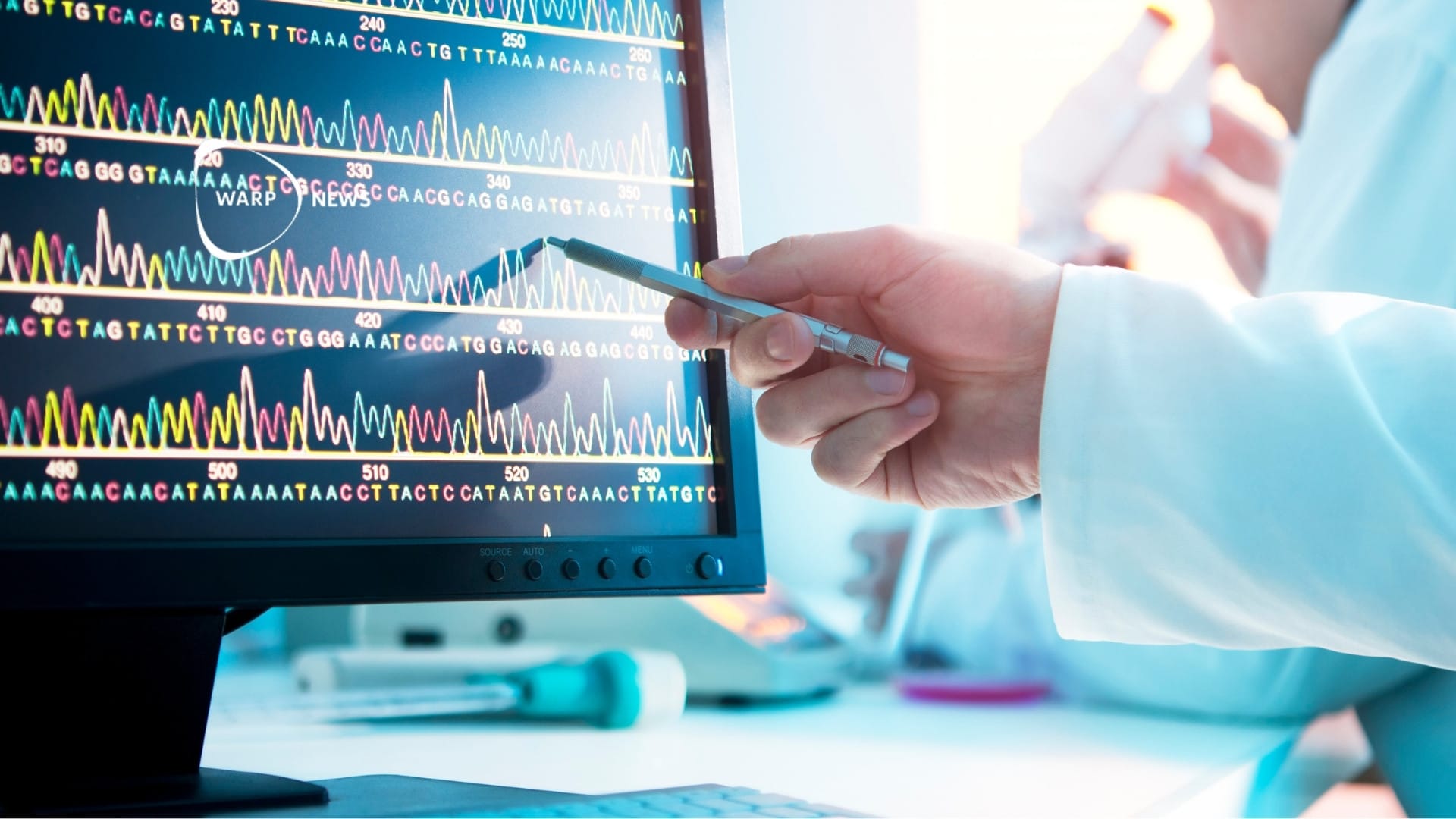
🧬 New AI tool can predict protein form and function in minutes instead of years
Evo 2 has been trained on nearly 9 trillion nucleotides from about 15,000 eukaryotes (plants and animals) as well as prokaryotes (bacteria and archaea). The tool can generate new genetic sequences that may be useful in biomedicine and biotechnological applications.
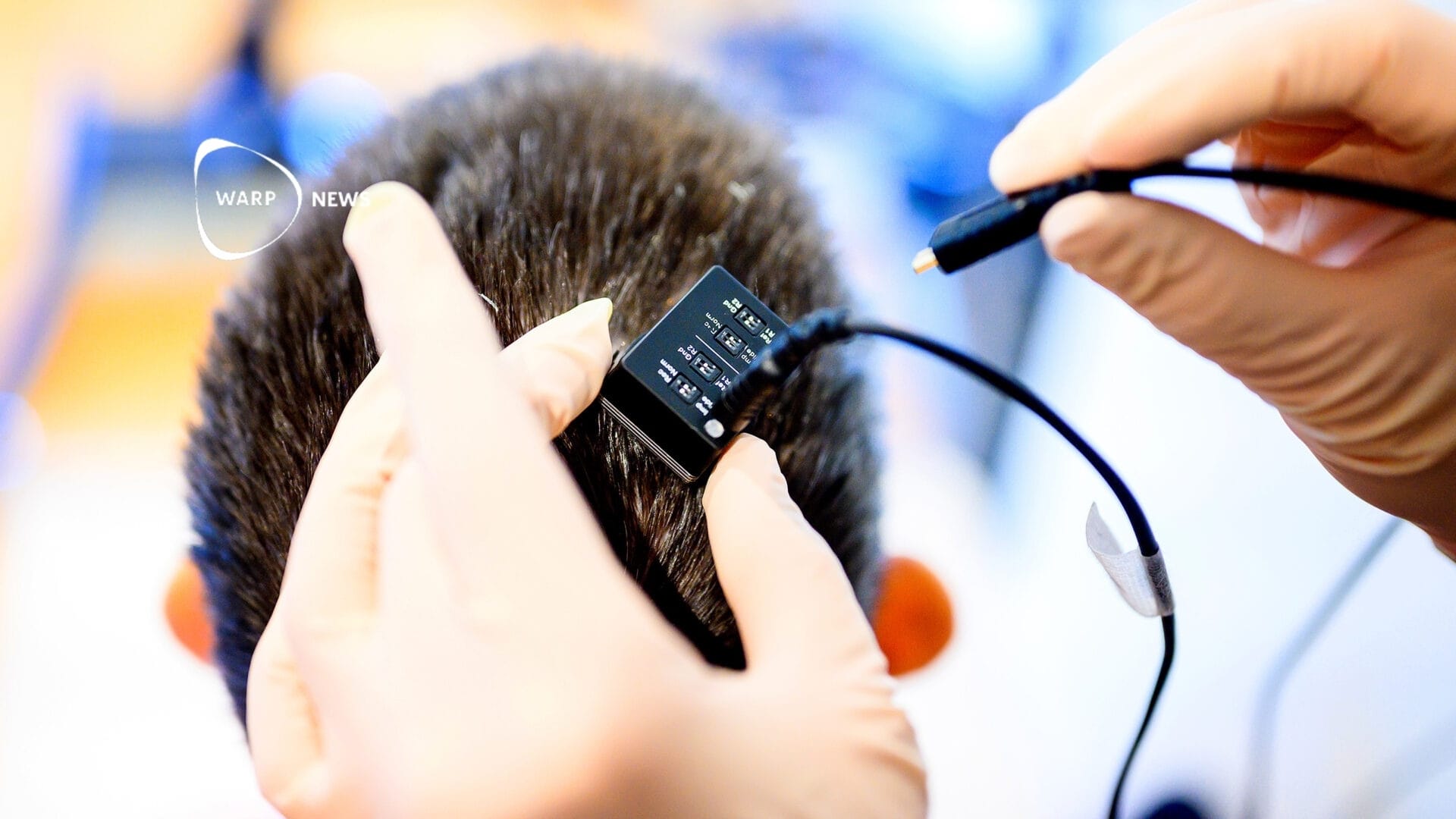
🧠 New technology enables almost real-time speech from brain signals
The technology can help people with severe paralysis communicate in a more natural way. The system works with different types of brain interfaces and can generate sound within 1 second after the person attempts to speak.

🤰 Several new obesity drugs on the way
Studies show that combination treatments of new drugs can lead to weight reductions of up to 24 percent. Over 100 new drug candidates against obesity are under development, including medications that preserve muscle mass during weight loss.

🧪 Researchers reveal the secret behind the catalytic power of enzymes
Enzymes are life's catalysts that enable the biochemical reactions that sustain all living organisms. Until now, science has struggled to explain exactly how these molecular machines work. The study offers a detailed explanation at the molecular level of how enzymes work.
💉 mRNA vaccine against pancreatic cancer shows promising results
Patients who developed an immune response from the personalized cancer vaccine have not yet experienced recurrence after more than three years of follow-up. The vaccine creates T cells that can live for up to 100 years and retain their ability to identify and fight cancer cells.

💉 New drug slows ALS
The drug Tofersen shows good results for patients with ALS caused by mutations in the SOD1 gene, which accounts for 5-6 percent of all ALS cases. Several patients have experienced significant slowing of disease progression, and in some cases the disease has stabilized at the same level.
🦾 AI saved Joseph Coates' life - and can save millions more
Researchers are using AI to find new uses for existing drugs that can treat rare diseases. Joseph Coates survived a deadly blood disorder thanks to a treatment identified by an AI model.

🍹 New study shows that Ozempic reduces alcohol consumption
Patients who received semaglutide reduced their alcohol consumption by 30 percent, compared to 2 percent for the placebo group. Nearly 40 percent of participants who received semaglutide had no heavy drinking days during the second month of the study.
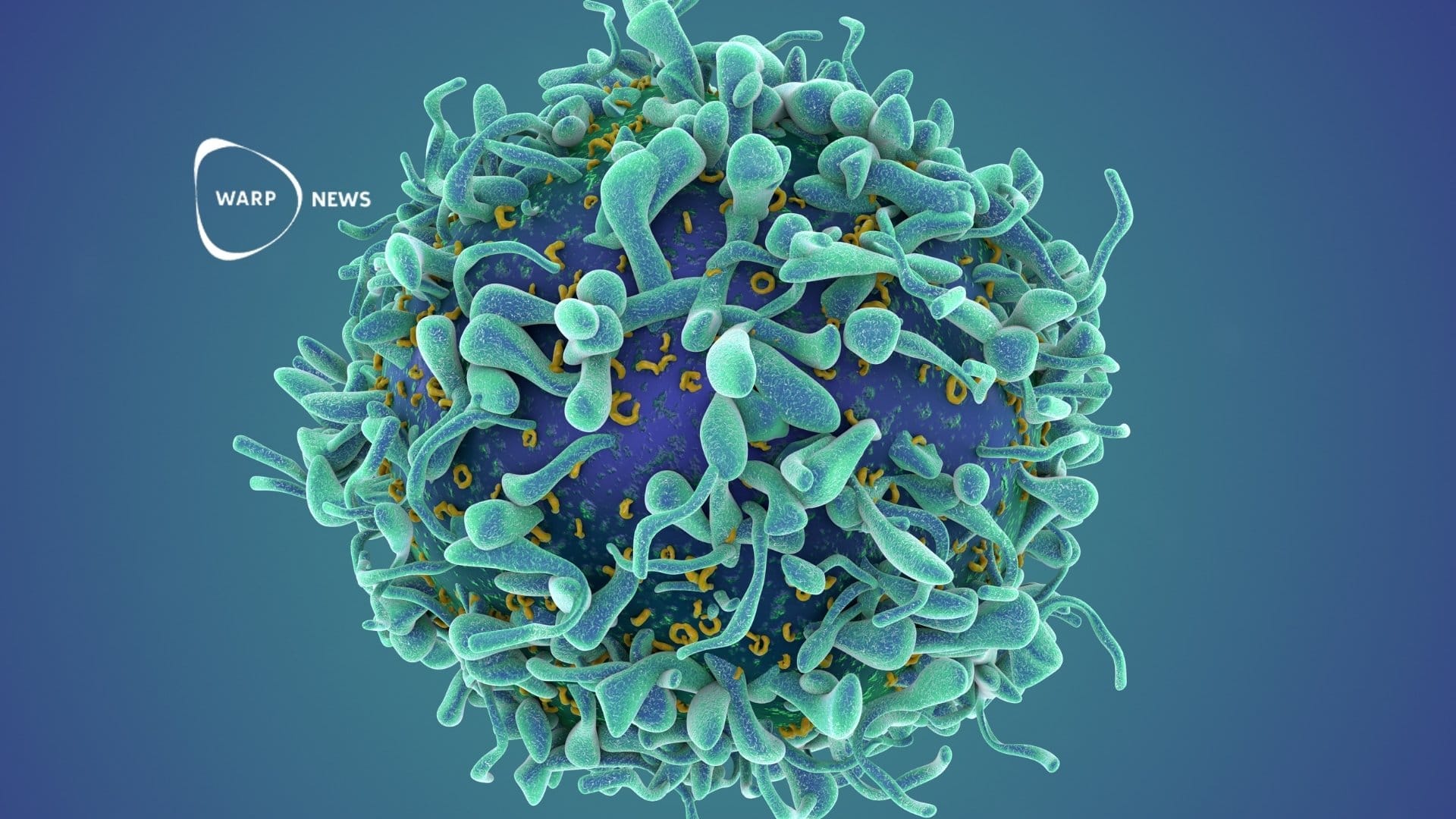
🦠 Researchers gain free access to 100 million cancer cells to accelerate drug development
The dataset maps 60,000 drug-cell interactions across 50 cancer cell lines, enabling faster and more accurate development of new cancer drugs. Researchers can now for the first time study both natural cell states and how cells respond to 1,200 different drug treatments.