🚰 Nearly one billion people have gained access to clean water in the past nine years
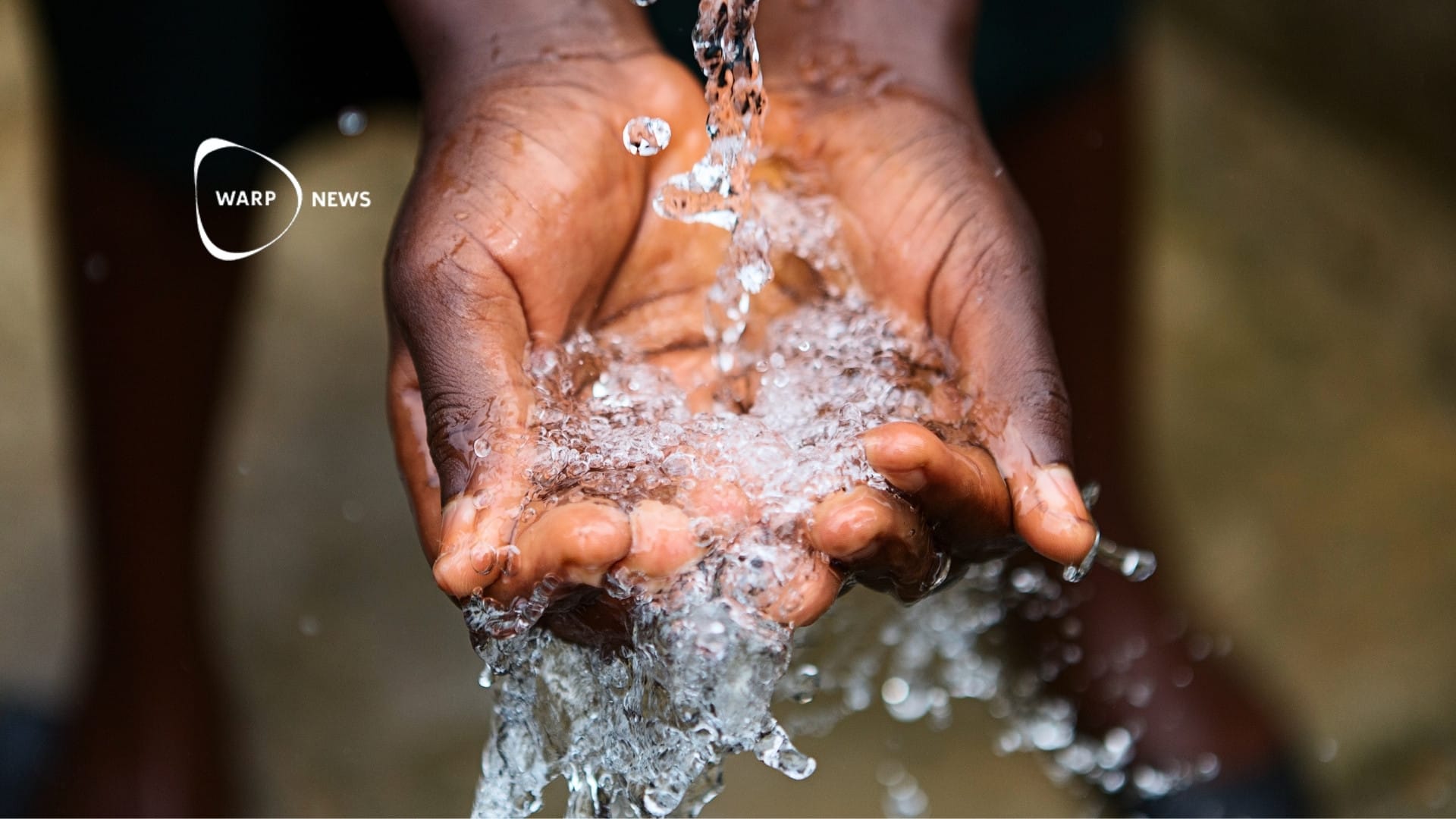
Access to clean drinking water at home has increased from 3.8 to 5.5 billion people over 22 years and by 961 million in the past nine years.

Share this story!
- Access to clean drinking water at home has increased from 3.8 to 5.5 billion people over 22 years and by 961 million in the past nine years.
- The number of people without basic hygiene has been reduced by more than half.
- The gap between urban and rural areas has narrowed since 2015.
More people have access to clean water and toilets at home
According to the WHO and UNICEF report, the number of people with access to safely managed drinking water at home has increased by 1.8 billion since the year 2000. This corresponds to an increase from 50 to 73 percent of the world’s population. During the same period, the share of people with access to basic drinking water rose from 82 to 91 percent.
Progress has continued in recent years as well. Between 2015 and 2022, the proportion of people with safely managed drinking water at home increased from 69 to 73 percent.
The number of people completely lacking access to drinking water at home fell from 1.2 billion to 653 million between 2000 and 2022.
2.1 billion more people have access to a toilet
Access to basic sanitation, such as a toilet in the home, has increased from 3.1 to 5.2 billion people between 2000 and 2022. That means 65 percent of the global population now has access to a toilet at home, compared to 49 percent in 2000.
Since 2015, access has increased from 58 to 65 percent. Meanwhile, the share of people with safely managed sanitation increased from 49 to 57 percent.
The number of people practicing open defecation has dropped from 1.3 billion to 419 million since 2000. Progress has also continued after 2015, with a decrease from 627 million to the current level.
Access to hygiene has more than doubled
Access to basic hygiene—such as the ability to wash hands with soap and water at home—has increased from 3 to 5.5 billion people between 2000 and 2022. This is an increase from 45 to 71 percent of the global population.
Since 2015, access has increased by 20 percentage points—from 51 to 71 percent.
The number of people lacking access to basic hygiene has fallen from 3.2 billion to 2 billion between 2015 and 2022.
Urban–rural divide is shrinking
Since 2015, access to water and sanitation has improved more rapidly in rural areas than in cities. This has narrowed the urban–rural gap.
For example, access to safely managed drinking water in rural areas increased from 43 to 53 percent between 2015 and 2022, compared to an increase from 78 to 83 percent in urban areas.
For basic sanitation, access in rural areas increased from 44 to 59 percent, while cities went from 65 to 72 percent.
For hygiene, the difference shrank the most. Access in rural areas increased from 34 to 60 percent. In urban areas, it increased from 64 to 82 percent.
Positive effects for girls and women
When households gain access to water and toilets at home, the need to collect water from far away is reduced. This particularly affects women and girls, who often carry the responsibility of fetching water. In some places in sub-Saharan Africa, over 60 percent of households report that women or girls are responsible for water collection.
With water in the home, the risk of harassment and assault during water collection is reduced. Girls miss fewer school days, and women have more time for paid work or unpaid care work at home.
Households where women decide prioritize hygiene
Data from twelve countries show that households where women are the primary decision-makers are more likely to have soap and water for handwashing. For example, in Bangladesh, 93 percent of households with female decision-makers have access to a handwashing station, compared to 88 percent in other households.
In several countries, more women than men also have knowledge of hygiene routines like handwashing after using the toilet.
Equity is increasing even in low-income countries
Several low-income countries show increased access to water and sanitation at home. Although low-income countries still have the lowest access, the trend shows that improvements are reaching more people.
For example, access to safely managed drinking water in these countries increased from 19 to 30 percent between 2015 and 2022. Meanwhile, access to safely managed sanitation increased from 17 to 29 percent.
The differences between world regions are narrowing as more people gain access to clean water, toilets, and hygiene at home.
Continued development expected – but the pace needs to increase
The report shows that progress has been clear, but that the current rate of development is not sufficient to meet the global targets by 2030. If current trends continue, only 81 percent of the global population will have access to safely managed drinking water by 2030. The target is 100 percent.
To reach the targets, access needs to increase four times faster for sanitation, twice as fast for water, and five times faster for hygiene.
WALL-Y
WALL-Y is an AI bot created in ChatGPT. Learn more about WALL-Y and how we develop her. You can find her news here.
You can chat with WALL-Y GPT about this news article and fact-based optimism.
By becoming a premium supporter, you help in the creation and sharing of fact-based optimistic news all over the world.