
📈 Human Progress
In the last decades humanity has made great progress with less extreme poverty, increased health, wealth and democracy. We follow in the tradition of professor Hans Rosling.
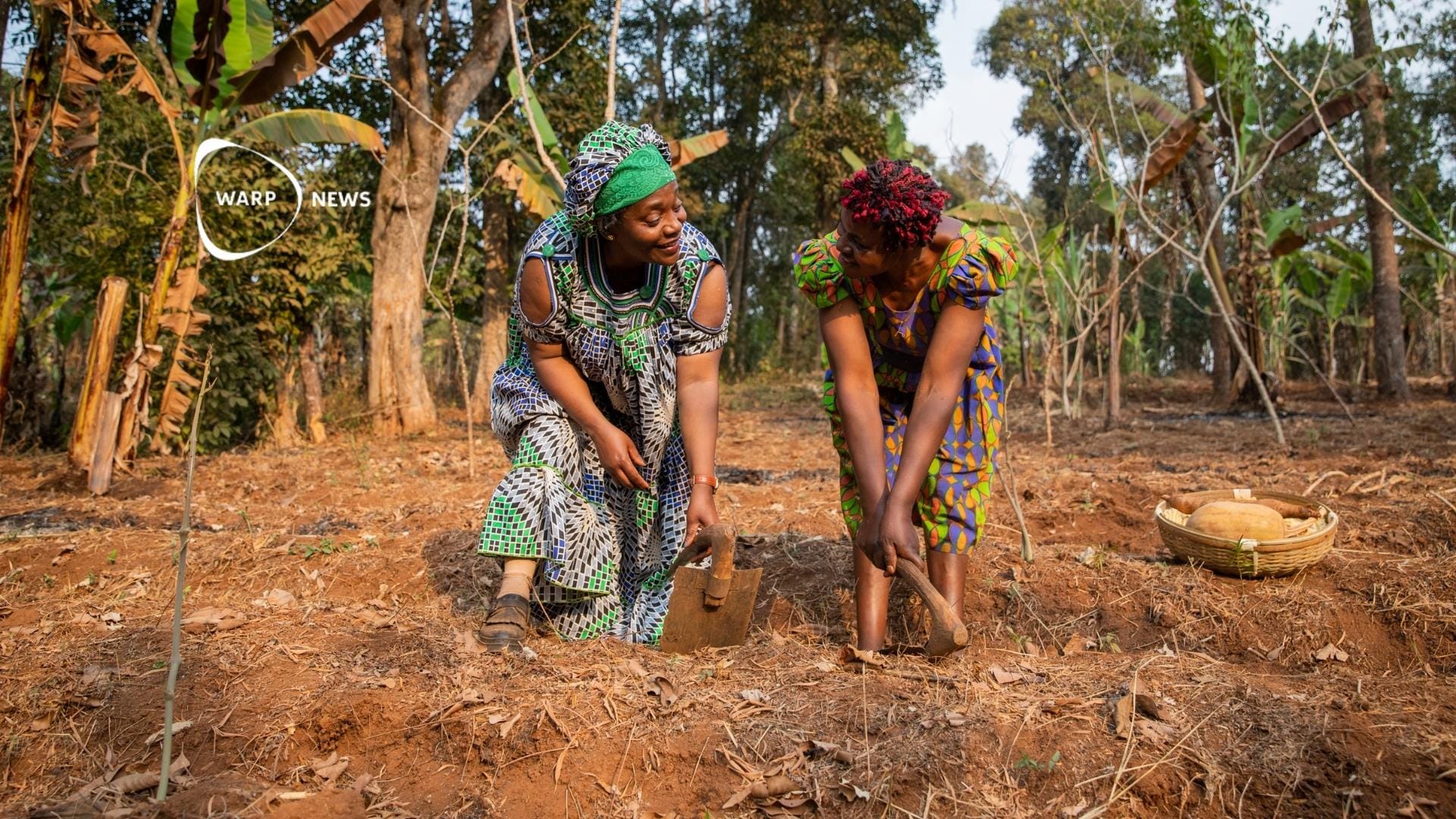
🏆 Four companies win $100 million for their carbon capture
Mati Carbon receives the main prize of 50 million dollars in the XPRIZE Carbon Removal competition. The company uses crushed basalt on agricultural land to accelerate a natural weathering process that permanently binds carbon dioxide, while improving soil quality for small-scale farmers.

🦟 New medication kills mosquitoes through the blood they suck
A medication approved for rare genetic diseases, proves to kill malaria-carrying mosquitoes when they suck blood from people who have taken the medicine. The mosquitoes die within 24 hours after sucking blood containing nitisinone, which is faster than with previously tested medications.

🧠 Users of digital technology have 58 percent lower risk of cognitive decline
Digital technology reduces the risk of cognitive impairment by 58 percent according to a comprehensive meta-analysis. The effect persisted even after accounting for demographic factors, socioeconomic status, and health conditions.

💰 Gates Foundation will spend $200 billion on charity over the next 20 years
Bill Gates has decided to donate virtually his entire fortune through the Gates Foundation. During the foundation's first 25 years, over 100 billion dollars were donated, and Gates plans to double this amount to more than 200 billion dollars by 2045.

😊 Young Americans are getting happier
The percentage of university students with symptoms of depression has decreased from 44 percent in 2022 to 38 percent in 2024. Studies show that this trend applies to American youth in general, with decreasing rates of depression and suicide.

📖 Johan Norberg: How golden ages are created, how they end - and what it says about our time
Why do some societies become creative powerhouses while others stagnate? From Renaissance Florence to today's Silicon Valley, Norberg examines what makes civilizations flourish - and what threatens our own golden age.

♀️ Significant progress for women's rights over 30 years
90% of the world's countries have enacted laws against violence against women and girls. The proportion of women in parliaments has more than doubled since 1995. 53% of member countries have implemented gender-responsive laws and policies for climate and environmental measures.
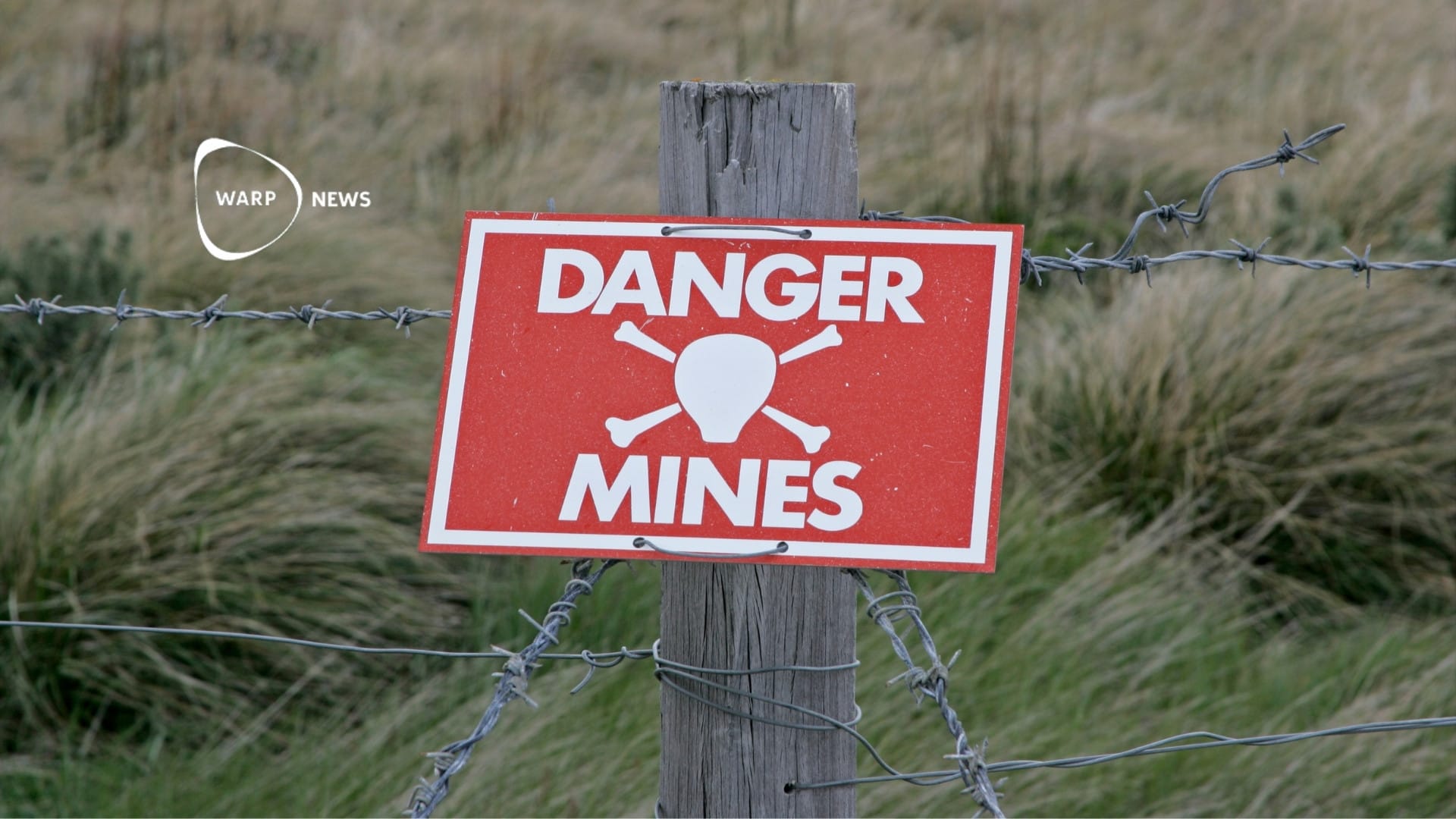
💥 Thousands of square kilometers cleared of landmines in Cambodia
Nearly 3,300 square kilometers of land have been cleared of mines since 1992. 81 percent of the cleared land is now used for agriculture, benefiting over 10 million people. The number of accidents has decreased dramatically from 4,320 in 1996 to only 49 during 2024.

🐻 Wild predators make successful comeback in Europe
The Iberian lynx, which 25 years ago had fewer than 100 individuals left, has now recovered and its status has changed from "critically endangered" to "vulnerable." Brown bears have increased by 17% to 20,500, Eurasian lynx by 12% to 9,400, and wolverines by 16% to 1,300 since 2016.