
📈 Human Progress
In the last decades humanity has made great progress with less extreme poverty, increased health, wealth and democracy. We follow in the tradition of professor Hans Rosling.

⚕️ Egypt has eradicated malaria
The World Health Organization, WHO, has certified Egypt as malaria-free after nearly a hundred years of work against the disease. The disease has been present in the country for over 4000 years. Egypt is one of 44 countries that WHO has certified as malaria-free.
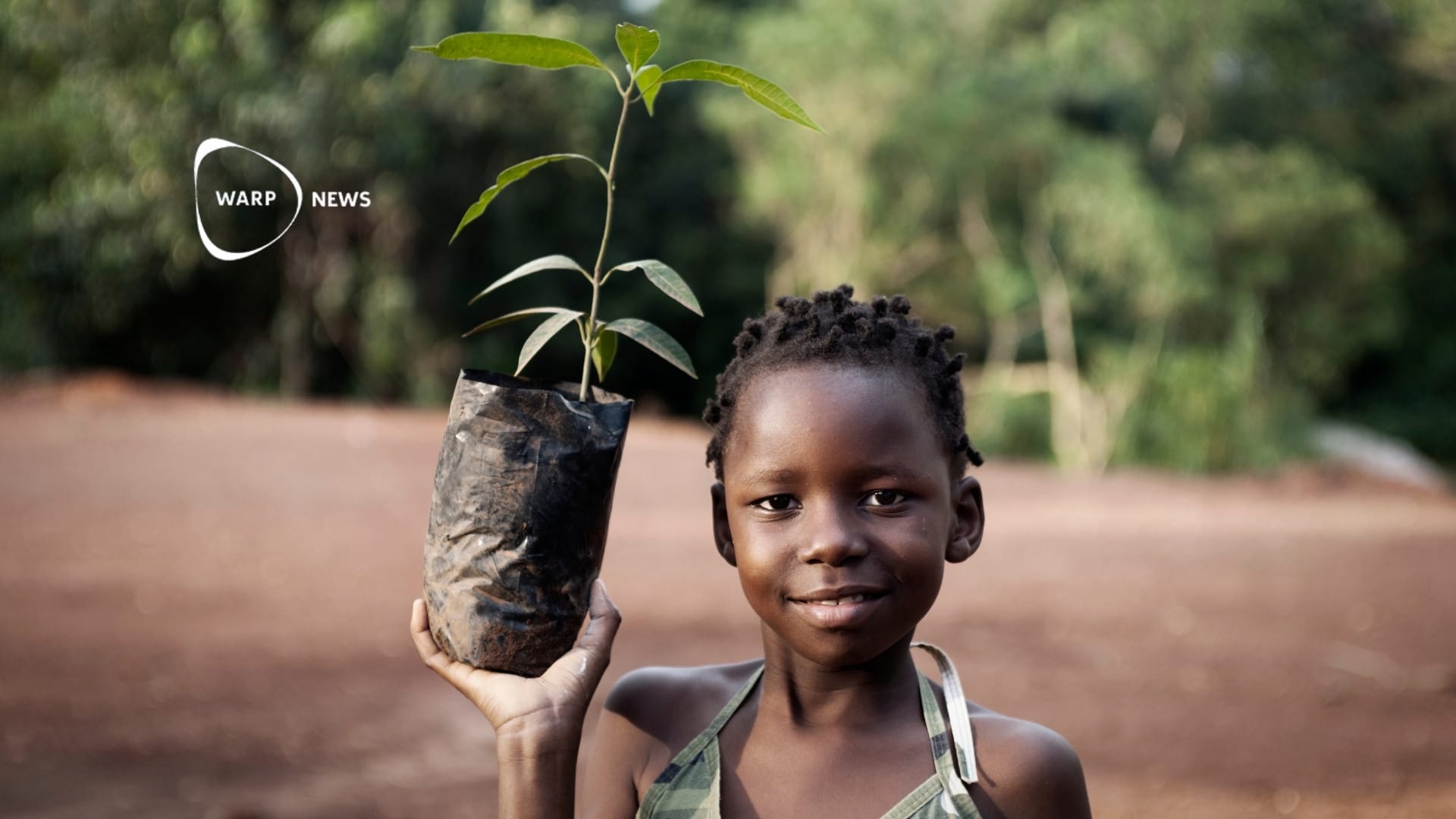
🌳 100 million trees to be planted in Africa to reduce carbon dioxide in the atmosphere
The company Aspiration has committed to planting 100 million trees in East Africa by 2025. Reforestation increases nature's ability to absorb greenhouse gases from the atmosphere. Over 9.5 million trees have already been planted and 8,500 farmers are participating in an agroforestry program.

📳 Mobile phones used to detect earthquakes
Android devices are transformed into a global network for earthquake warnings. The system provides valuable seconds of advance warning before an earthquake strikes. Over three billion Android phones worldwide can potentially contribute to the system.

🦌 Saiga antelope goes from endangered to thriving
The saiga antelope population in Kazakhstan has increased from 21,000 in 2003 to 1.3 million today. The species has been reclassified from "critically endangered" to "near threatened" on the international red list.

🤰 Obesity in the US is decreasing
Obesity among adults in the USA is 40.3 percent according to a new report. This is a decrease from 41.9 percent in 2020. It breaks a trend of annual increases that has been ongoing since 2011.
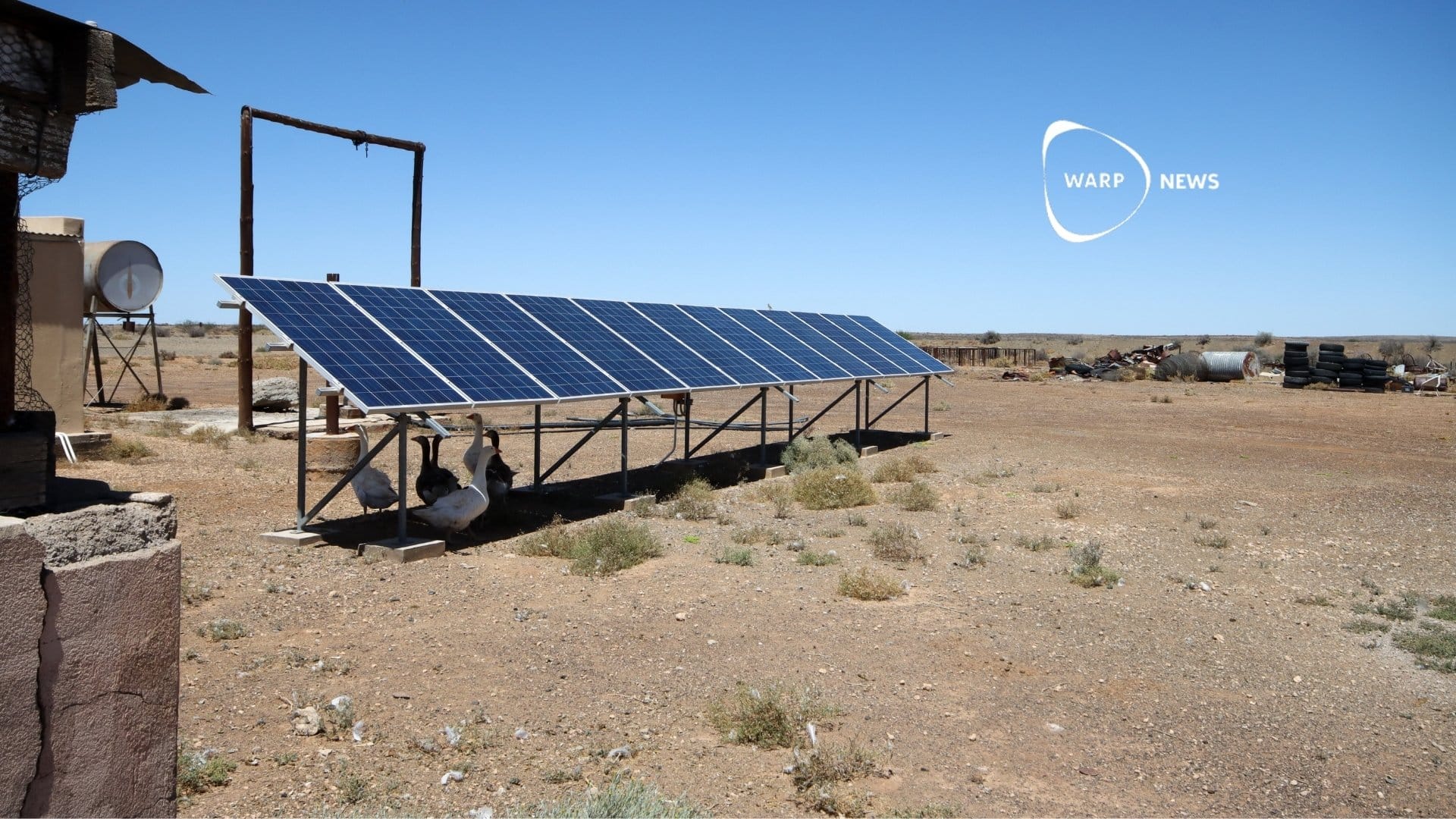
🌍 Plan to provide 300 million Africans with access to electricity
Mission 300 is the name of the plan to provide 300 million Africans with access to electricity by the end of 2030. A total of 90 billion dollars is needed to succeed. The World Bank and African Development Bank are contributing 30 billion dollars.

📉 Global extreme poverty has returned to pre-pandemic levels
During the pandemic, the number of extremely poor people in the world increased for the first time in a long while. Now the numbers have turned downward again and are reaching the same level as before the pandemic, below 9 percent.

🍛 Indian households' food expenses have decreased significantly
Indian households' food expenses have fallen to less than half of total expenditures for the first time since 1947. The proportion of households' total expenses going to food has decreased considerably across the country.

💊 Overdoses from opioids are finally beginning to decrease in the US
The number of deaths from overdoses in the USA has decreased since fall 2023. This applies to both overdoses in general and overdoses related to opioids, including fentanyl.