
📈 Human Progress
In the last decades humanity has made great progress with less extreme poverty, increased health, wealth and democracy. We follow in the tradition of professor Hans Rosling.
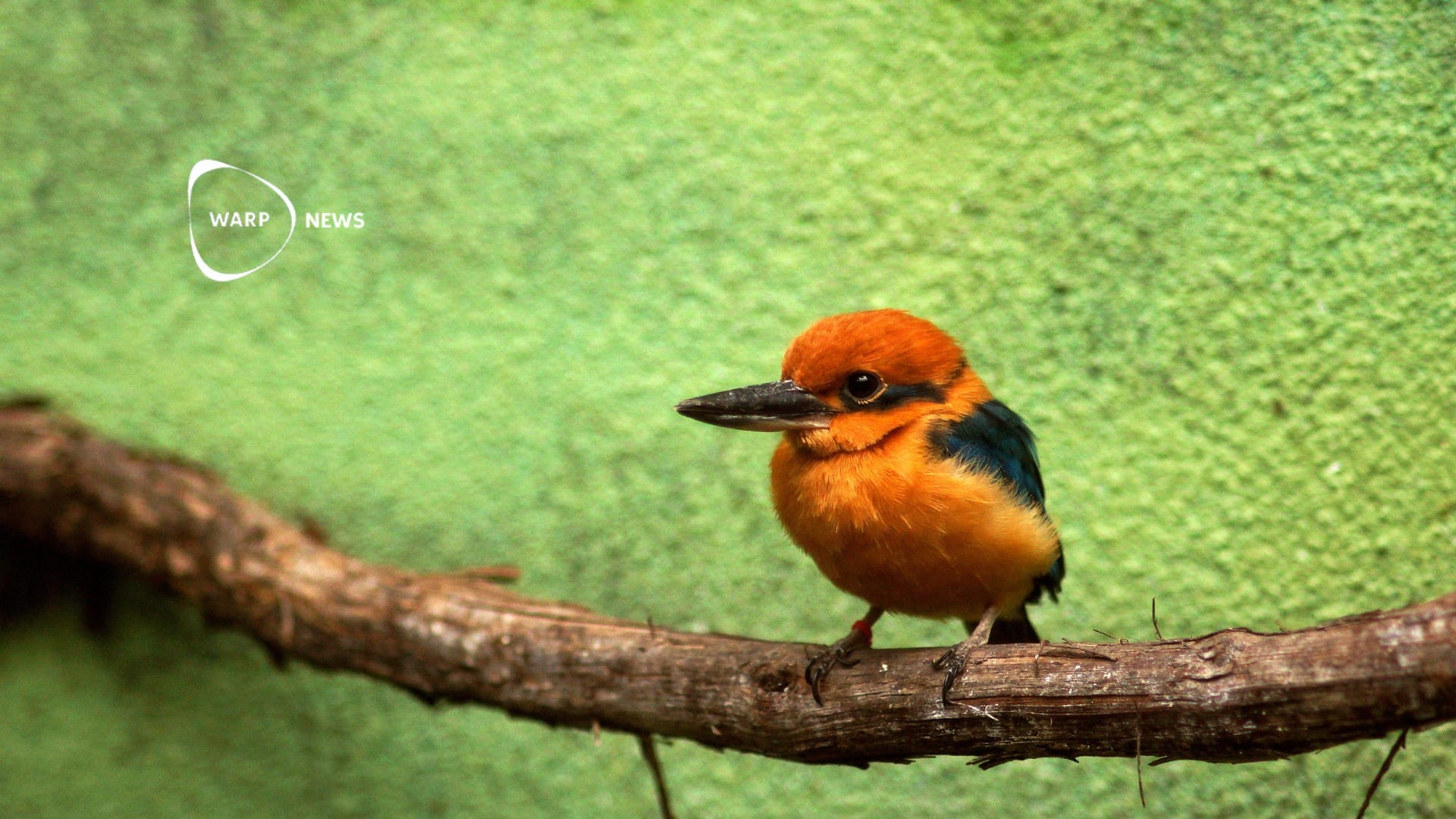
🐦 The Guam kingfisher may soon be free in the wild after a 30-year absence
Almost 140 Guam kingfishers live today in 25 facilities worldwide. But the plan is for them to soon also exist freely in the wild.

🏆 The Vesuvius challenge solved! We can read the first scroll
Two thousand years ago, an ancient library of papyrus scrolls was buried under a volcanic eruption. They cannot be unrolled without being destroyed. But thanks to the Vesuvius challenge, several competing teams have managed to read the scrolls anyway. The winning team was awarded $700,000.

🌲 From loss to recovery: The forests are growing again
China, the EU, the US, and India have together planted forests that could cover Bangladesh. Globally, forests can now absorb around 200 million tons of carbon dioxide per year, which is more than what is emitted through deforestation.
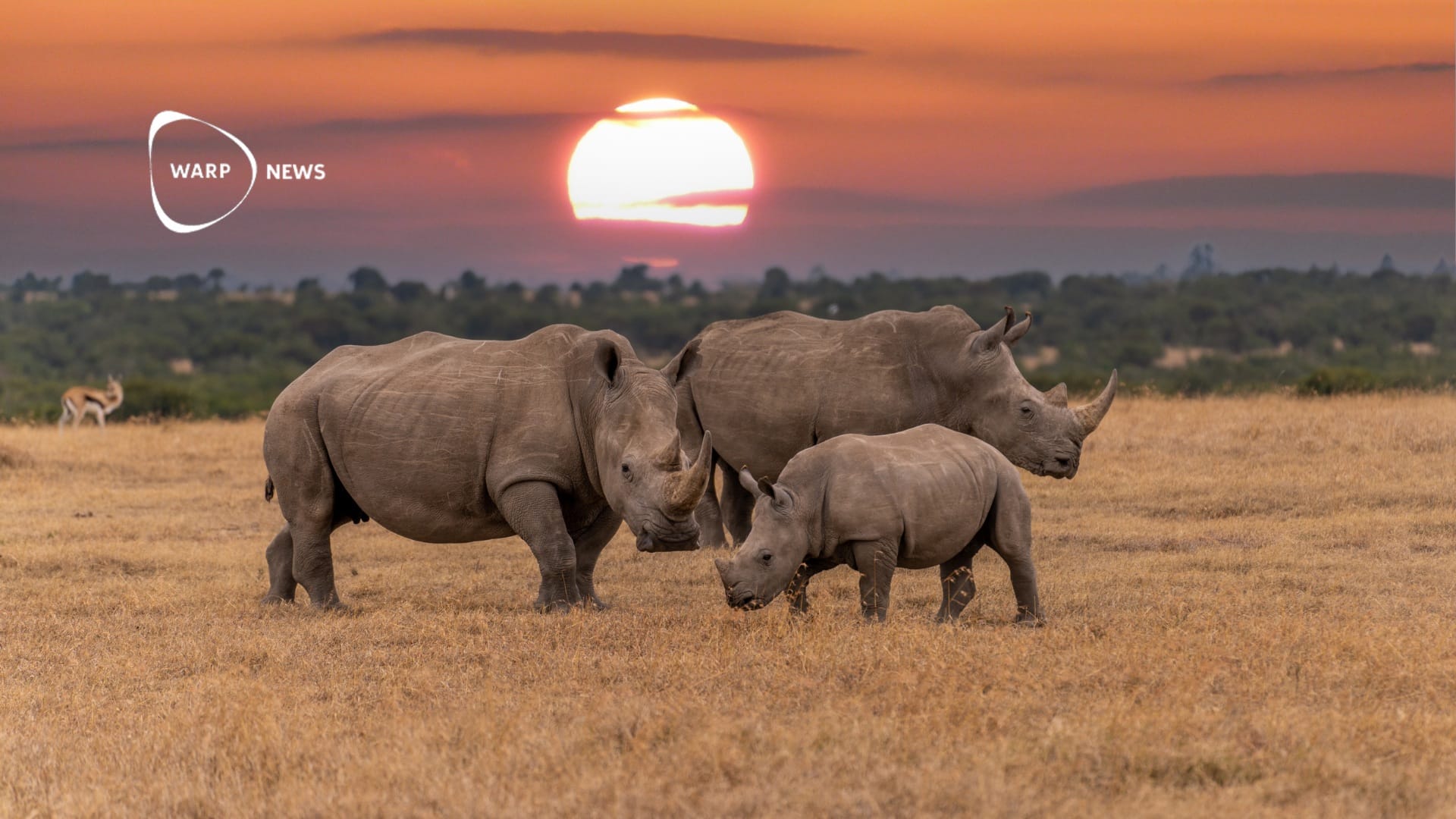
🦏 The world's first IVF pregnancy in a rhinoceros could save the species
Scientists have achieved the world's first IVF pregnancy in a rhinoceros, opening new possibilities for saving the northern white rhinoceros from extinction.

🚭 Tobacco use declines globally (down 40% in the 21st century)
Global tobacco use has declined, from one in three adults in 2000 to one in five today. 150 countries have successfully reduced tobacco use.

📉 U.S. coal use declines and reduces carbon emissions
U.S. carbon emissions fell by 1.9 percent during 2023. The use of coal for electricity production decreased to the lowest level in half a century. Investments in solar and wind energy have increased.

📉 Significant reduction in poverty in the USA, according to a new report
Poverty in the USA has decreased significantly since 1980, with a drop of 27 percentage points. This trend continued during the period 2020-2022, despite the pandemic.
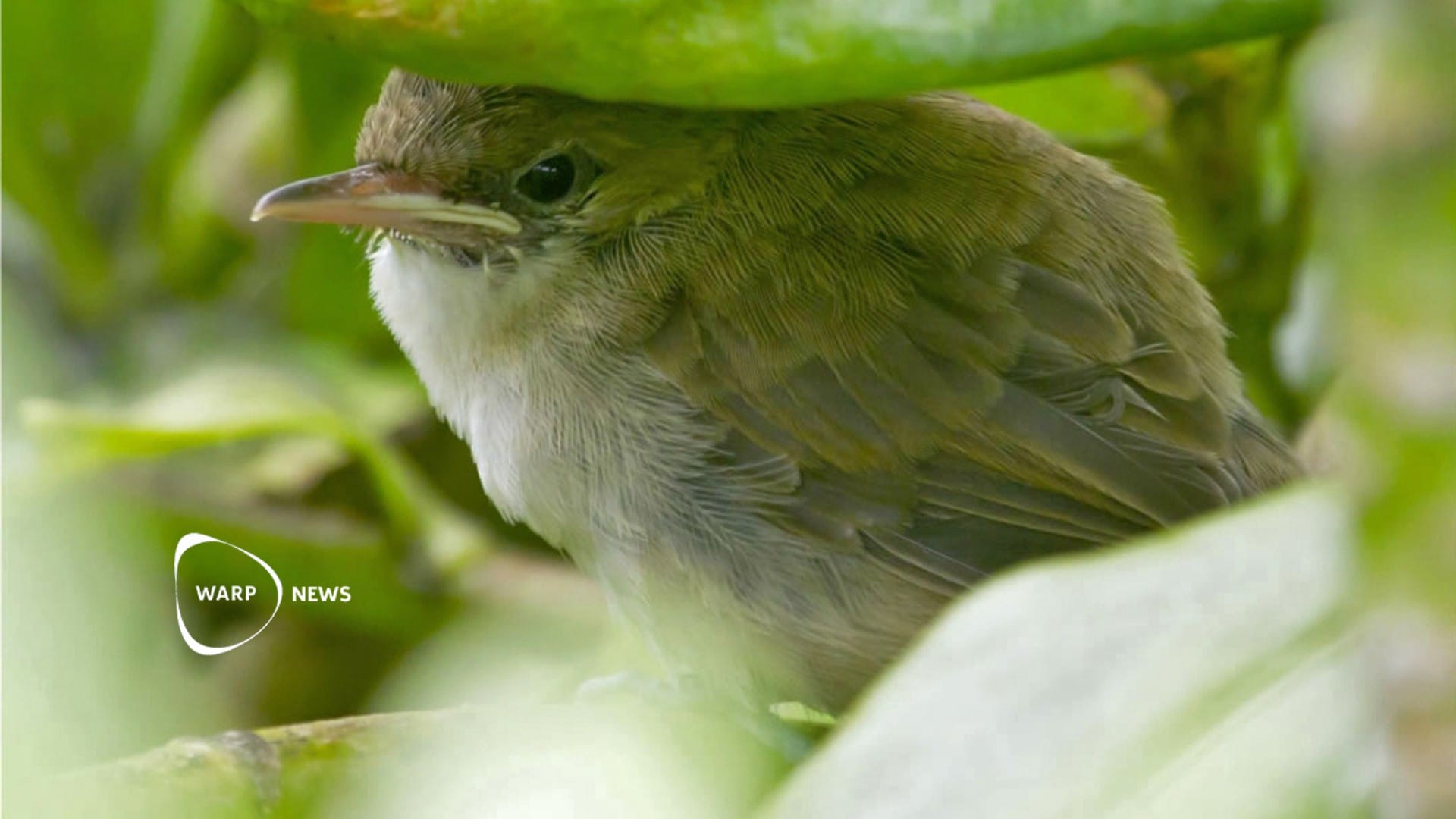
🐦 The ulūlu bird is no longer critically endangered
The ulūlu, once critically endangered, has seen a remarkable recovery. Intensive conservation strategies have been key to this turnaround.

🥇 PEPFAR Has Saved 25 Million Lives in Global HIV Fight
PEPFAR’s efforts have led to significant decreases in HIV prevalence, especially in Africa.