
📈 Human Progress
In the last decades humanity has made great progress with less extreme poverty, increased health, wealth and democracy. We follow in the tradition of professor Hans Rosling.
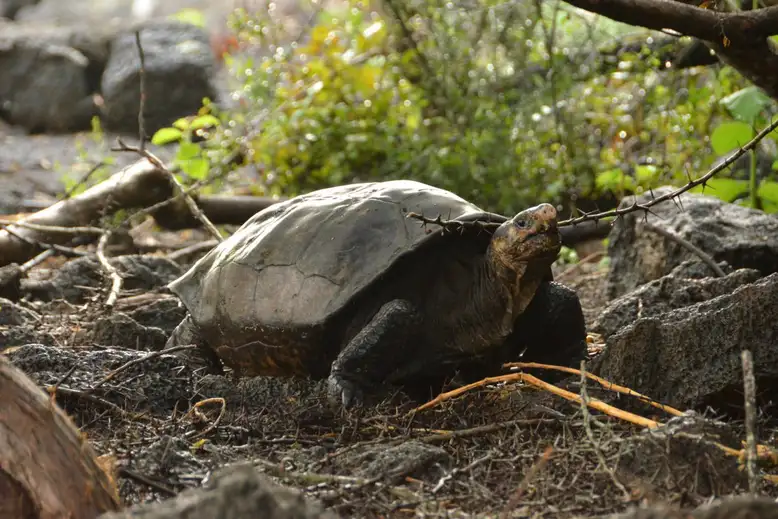
🐢 Giant tortoise extinct for 100 years is actually alive
A giant tortoise believed to be extinct for more than a century is actually alive in the Western Galápagos. In order to be sure, scientists used genetic sequencing to confirm their finding.
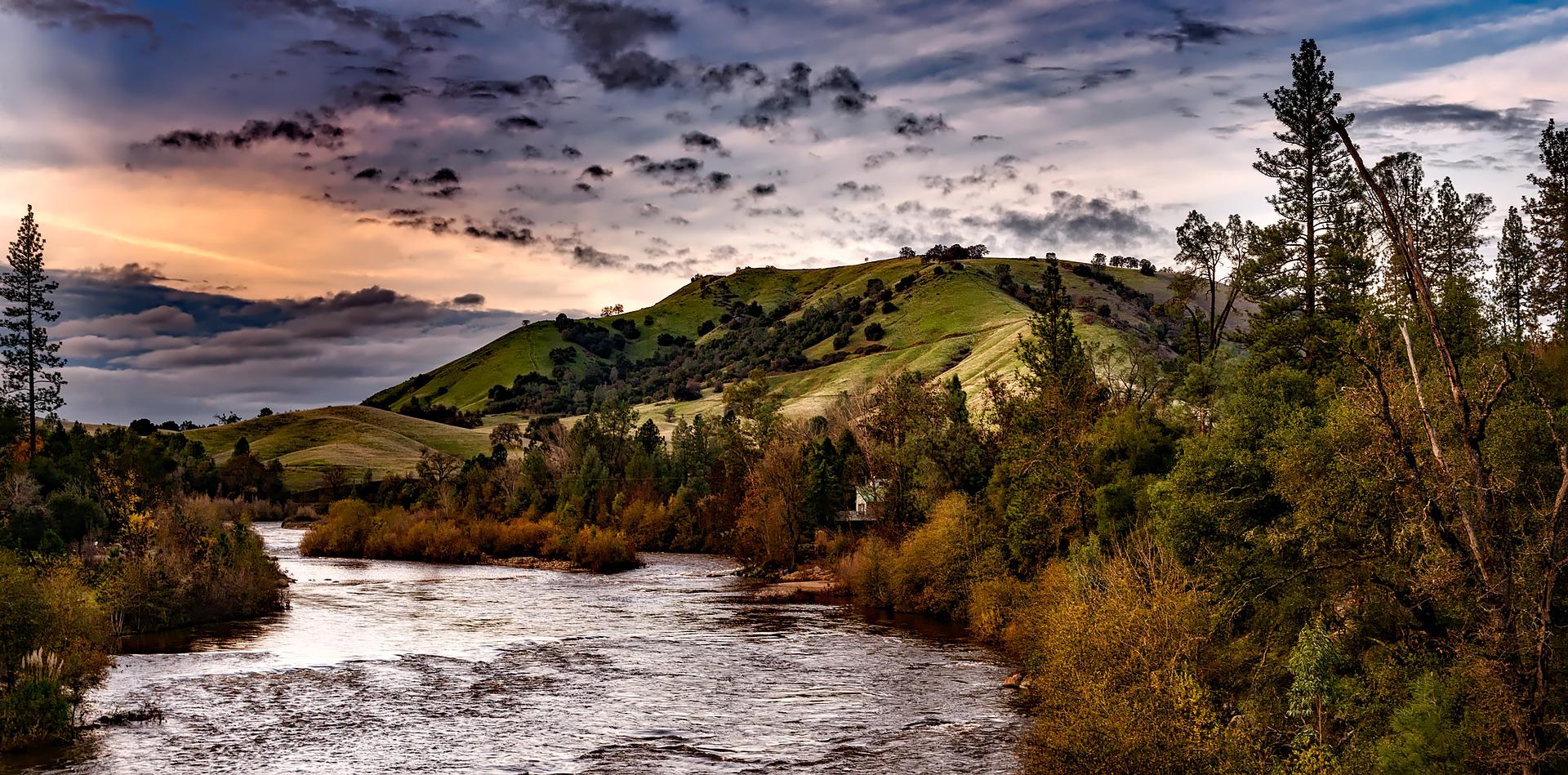
🐾 New EU law gives hope for increased biodiversity
The European Commission wants to tighten the requirements for member states in terms of securing biodiversity in the Union's natural areas.
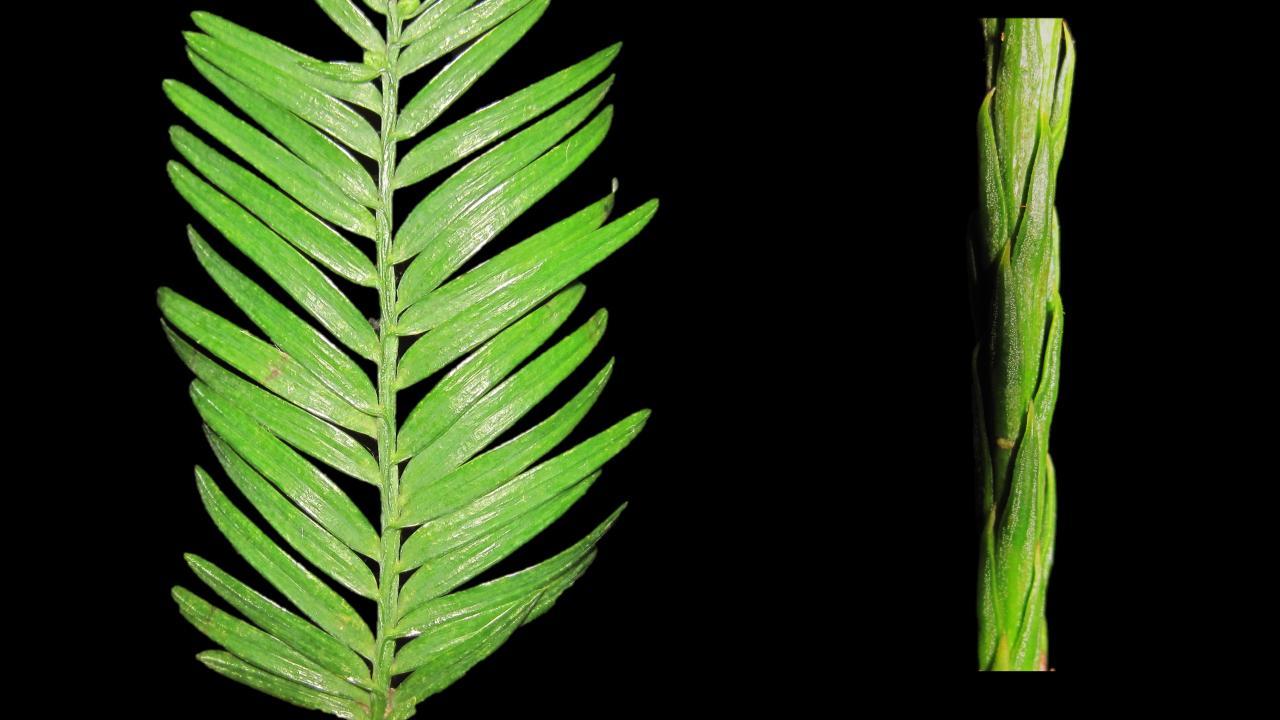
🍁 Redwoods grow new leaves to adapt to drought
The iconic redwood trees have started to grow new special leaves to handle the drought.

🐠 Science and animal instinct can save fish populations
Scientists suggest using philopatry, which is an animal's tendency to return to its area of birth, to save endangered fish species.
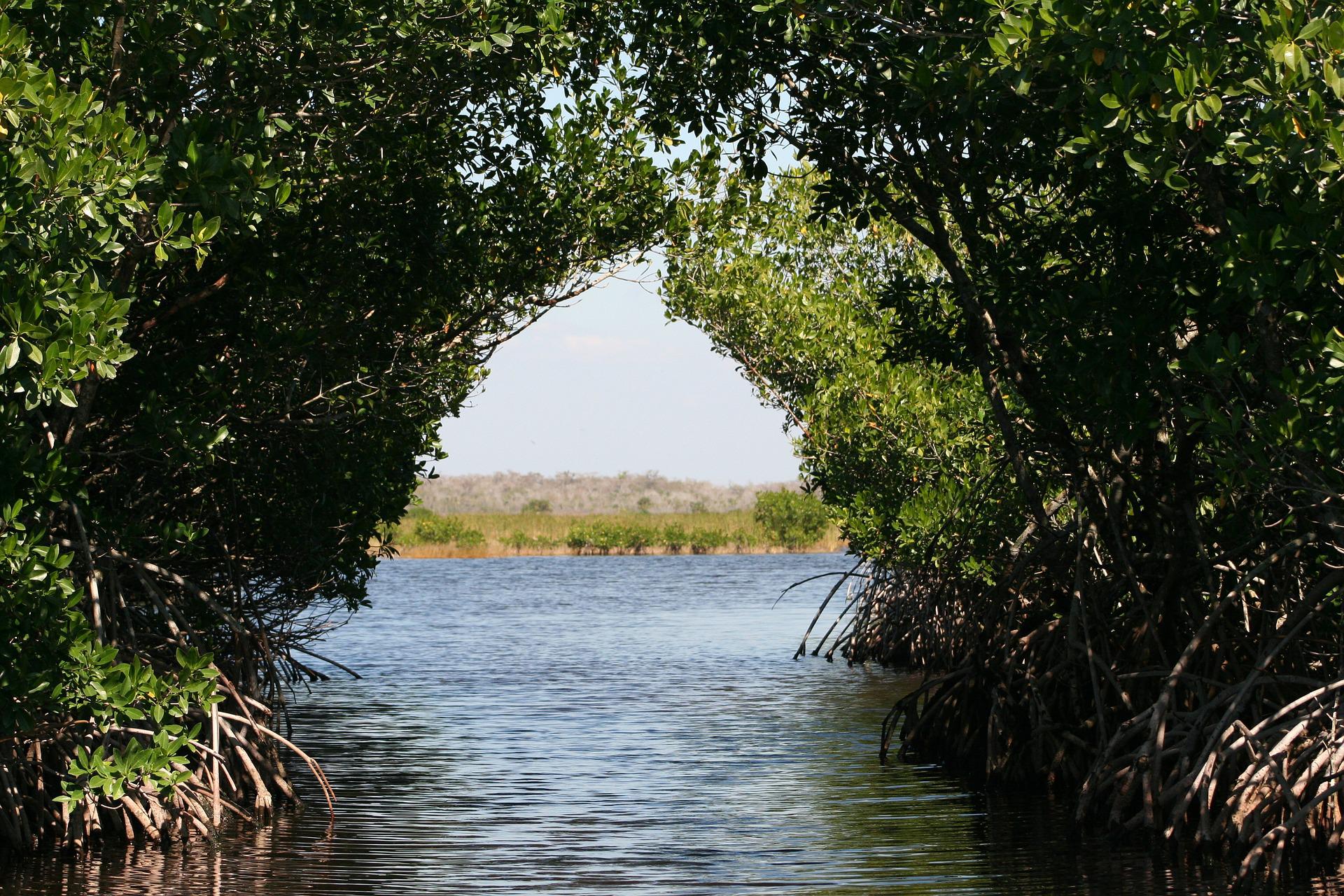
🍃 Profitability in recreating mangrove forests
Mangrove forests protect against storms and coastal erosion, and recreating lost forests can be an economical way to protect settlements in tropical areas.
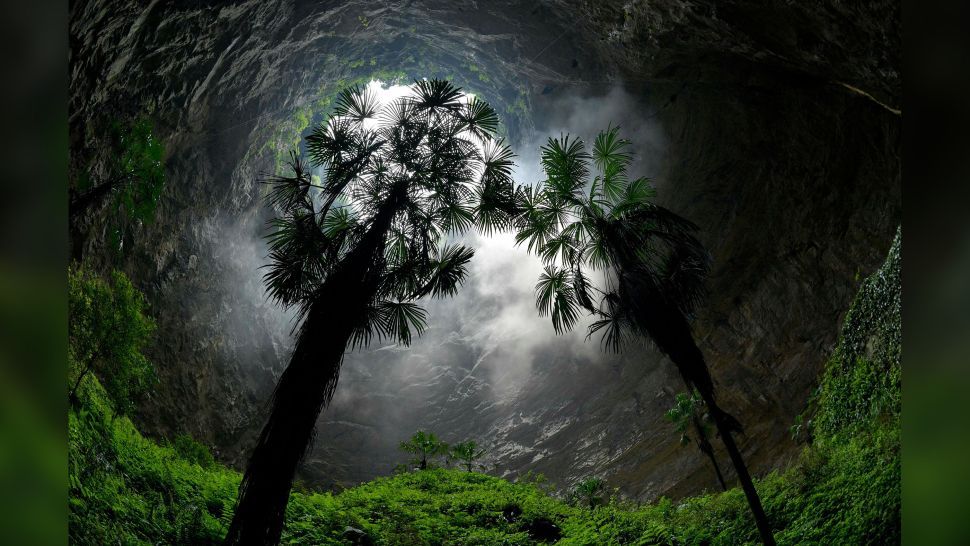
🌳 Ancient forest discovered in sinkhole in China
A team of Chinese scientists have found a sinkhole with a forest at the bottom. They say that they wouldn’t be surprised if they found species never heard of before in the ancient forest.

🏴 Scottish villagers buy nature reserve
Scottish villagers buy a nature reserve and now they are hoping to double its size, making it 4000 hectares.
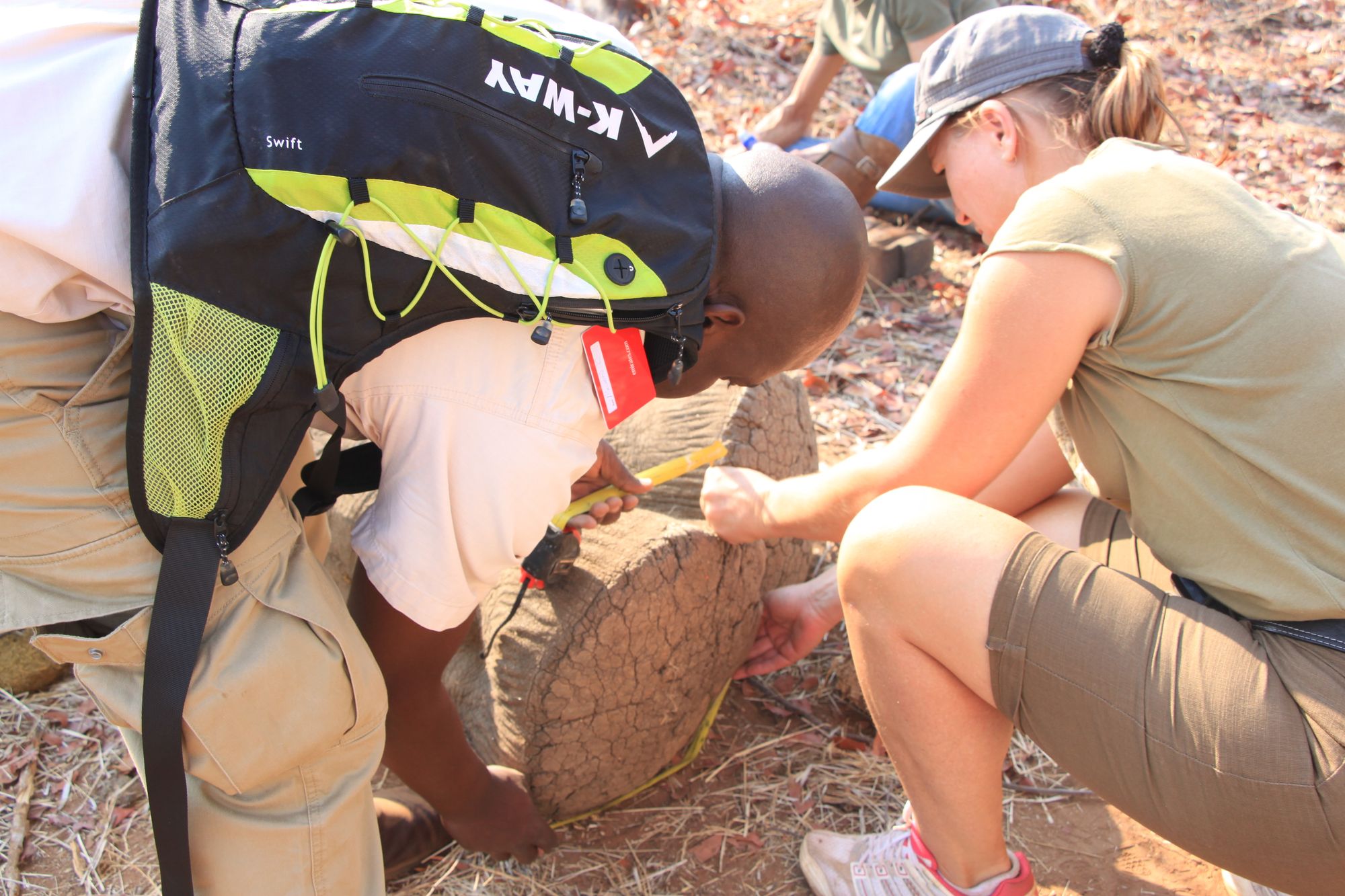
🐘 Remote tracking system helps understand elephant ecology
The use of technology in Africa in research and everyday life is increasingly bridging the technology gap between the continent and western countries. In this case, with the Victoria Falls Elephant Project.
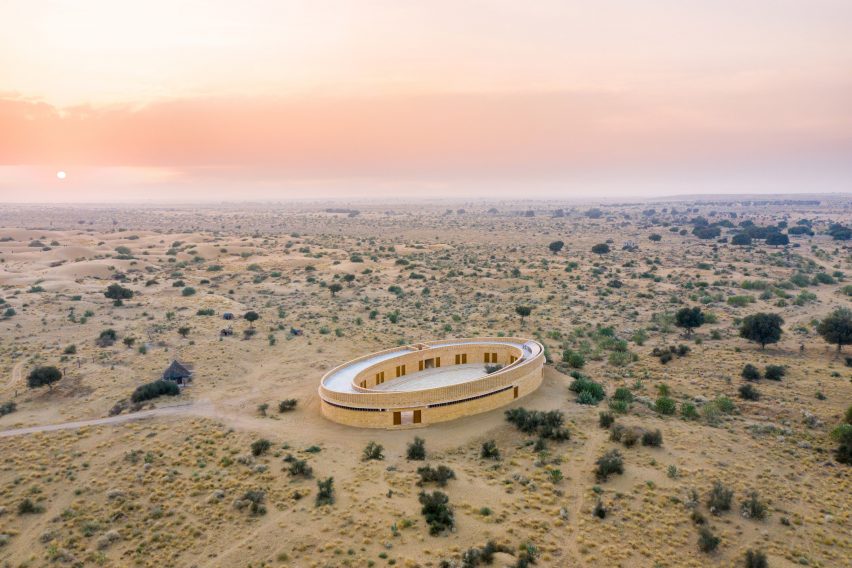
🏫 Beautiful eco-school protects students from harsh desert heat
In Jaisalmer, a city in India, students have to brave scorching temperatures to attend class. A new school, the Rajkumari Ratnavati Girls School, with a smart design keeps the school and its students cool without air conditioners.