
📈 Human Progress
In the last decades humanity has made great progress with less extreme poverty, increased health, wealth and democracy. We follow in the tradition of professor Hans Rosling.
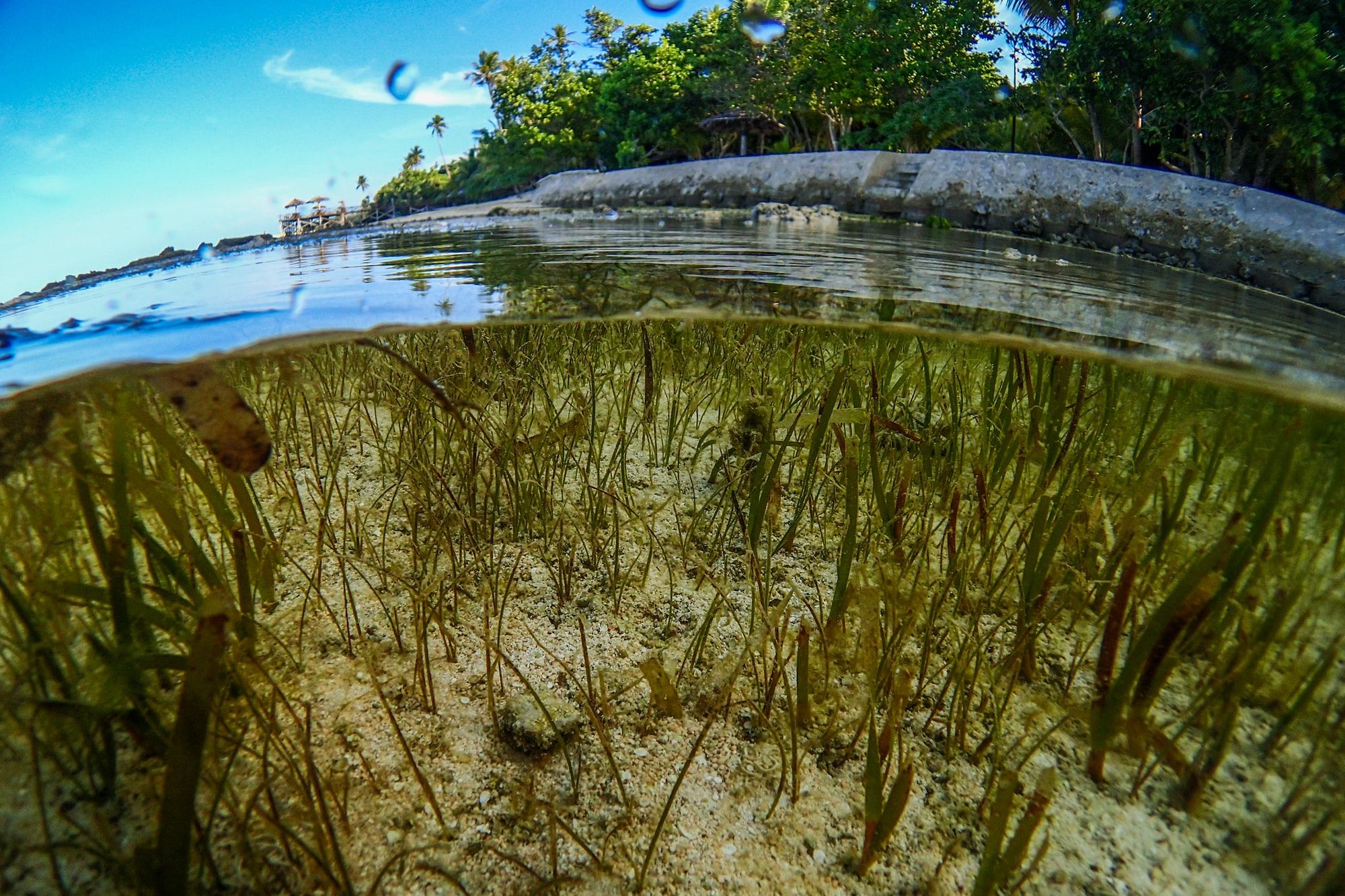
🌊 Replanted seagrass restores the ocean
Virginia’s coastal waters are vibrant and have a healthy ecosystem once again, all thanks to the world’s largest seagrass restoration project.
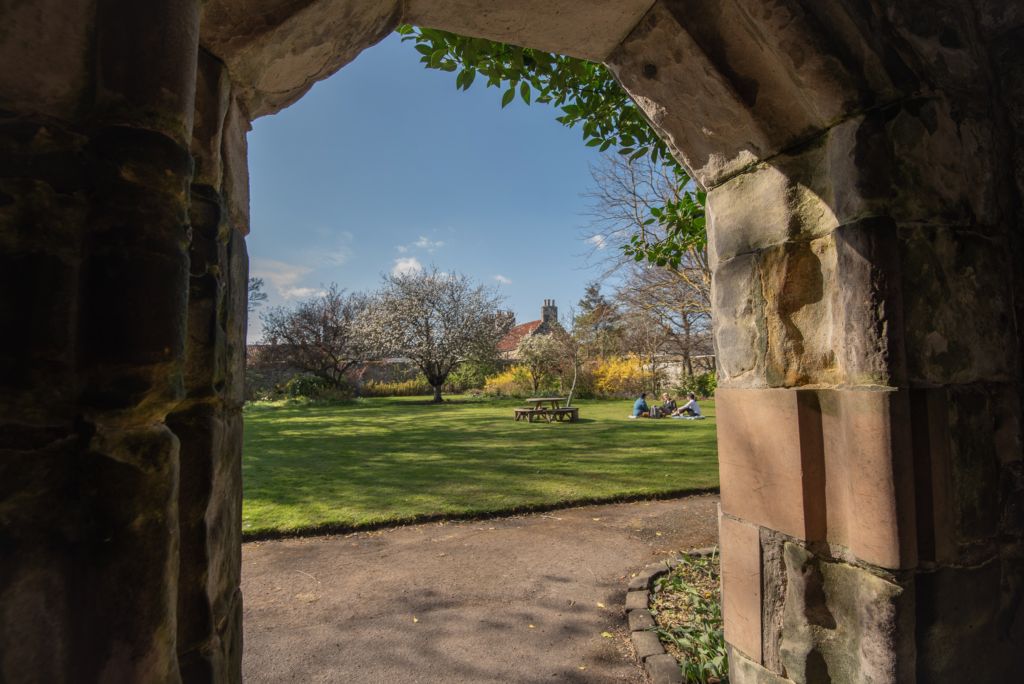
🐝 Rewilding project brings more buzz to prestigious campus
St. Andrews University in Scotland is rewilding the campus making it more pollinator-friendly.

😷 Youths better at coping with pandemic restrictions than expected
The pandemic does not seem to have had any serious negative consequences for young people. In fact, they've handled the restrictions really well.
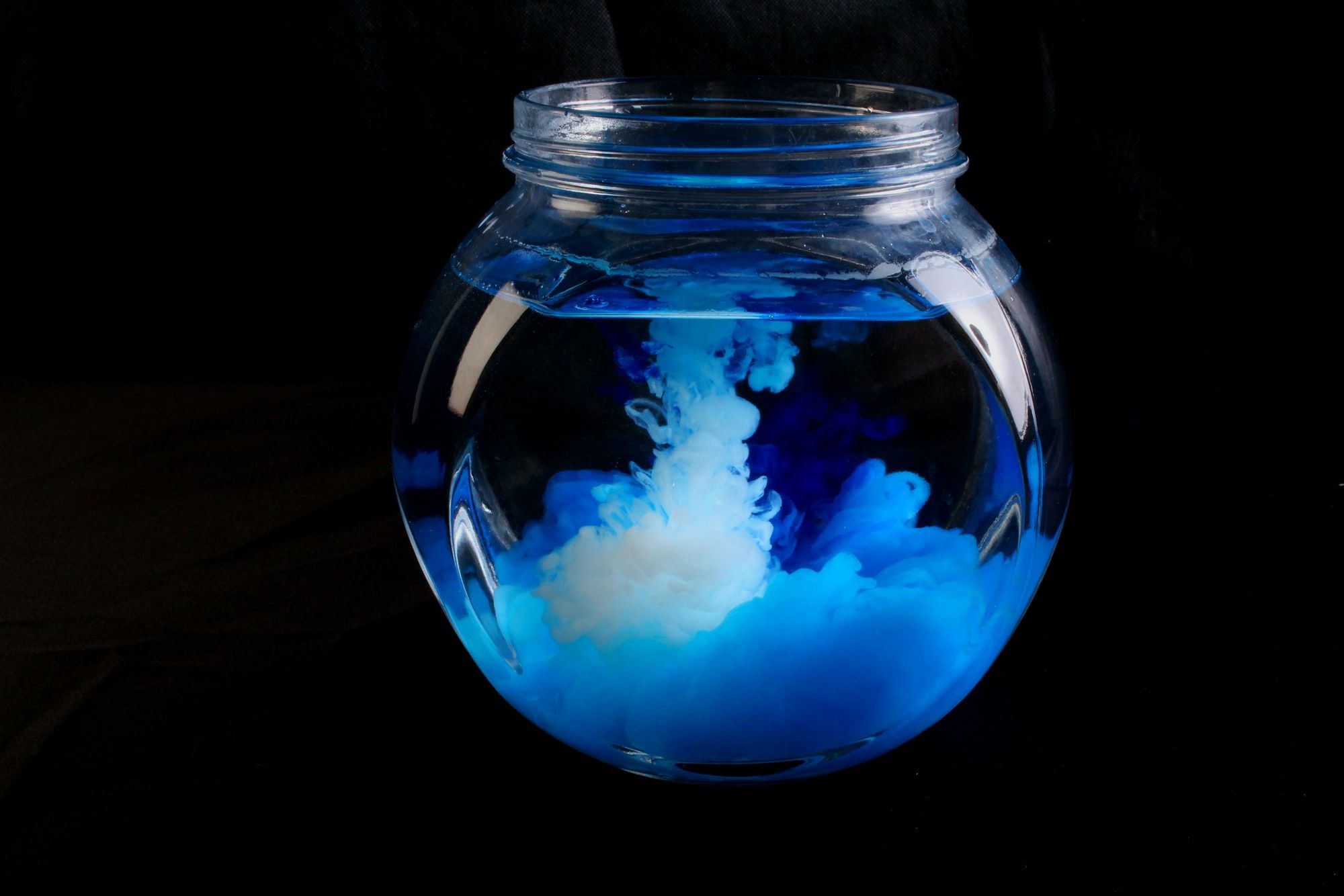
🚰 "Nanojars" can help remove pollutants from water
Researchers have designed “nanojars” that can easily capture different pollutants from water.

🗻 New plant converts CO2 into stone
The plant Orca converts carbon dioxide from the air into mineralized bedrock.
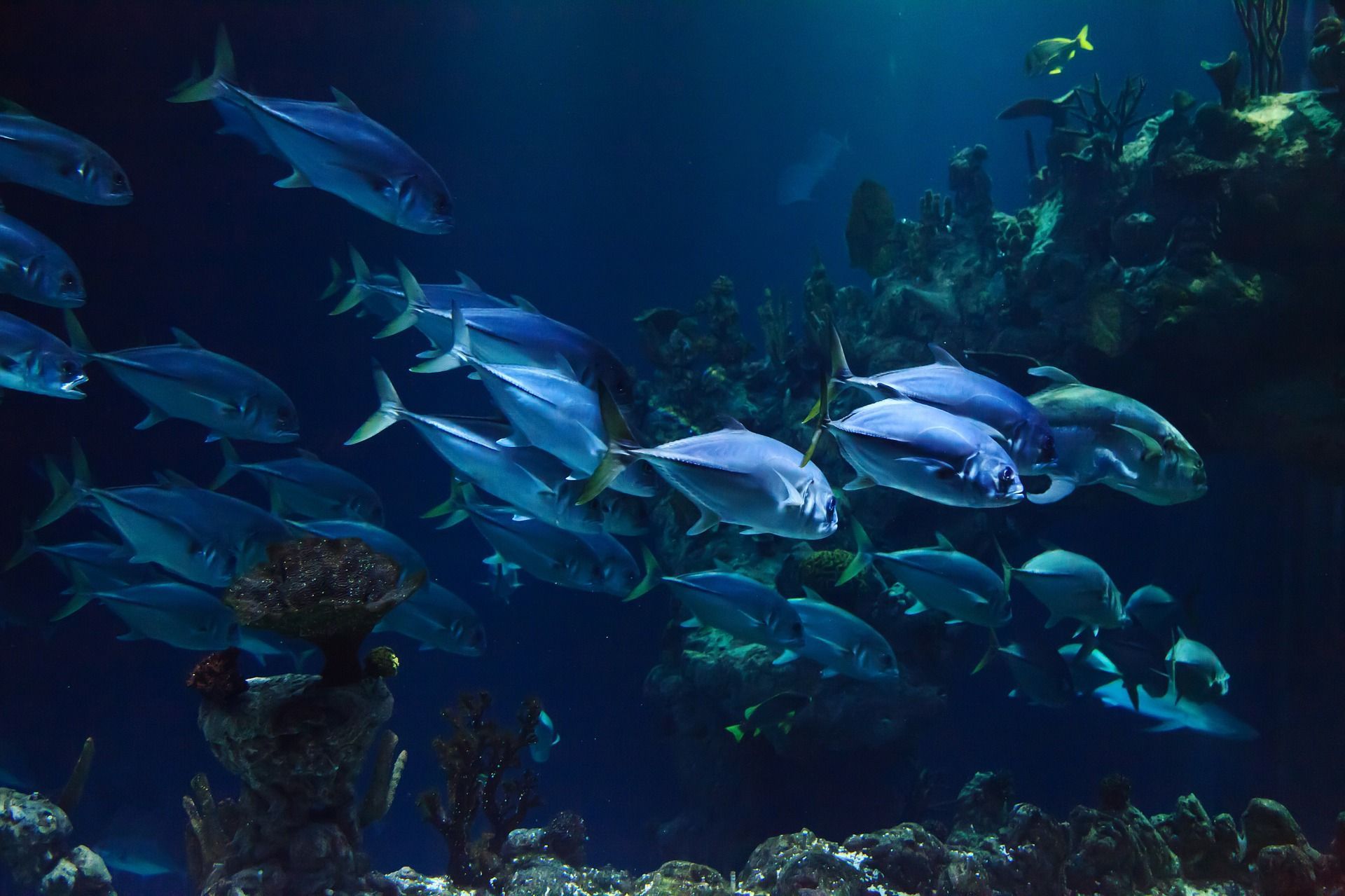
🐟Protected sea areas increase fish stocks by 400 percent
By protecting a sea area from trawlers, the fish stock grew both inside and within as well as beyond the protected area.
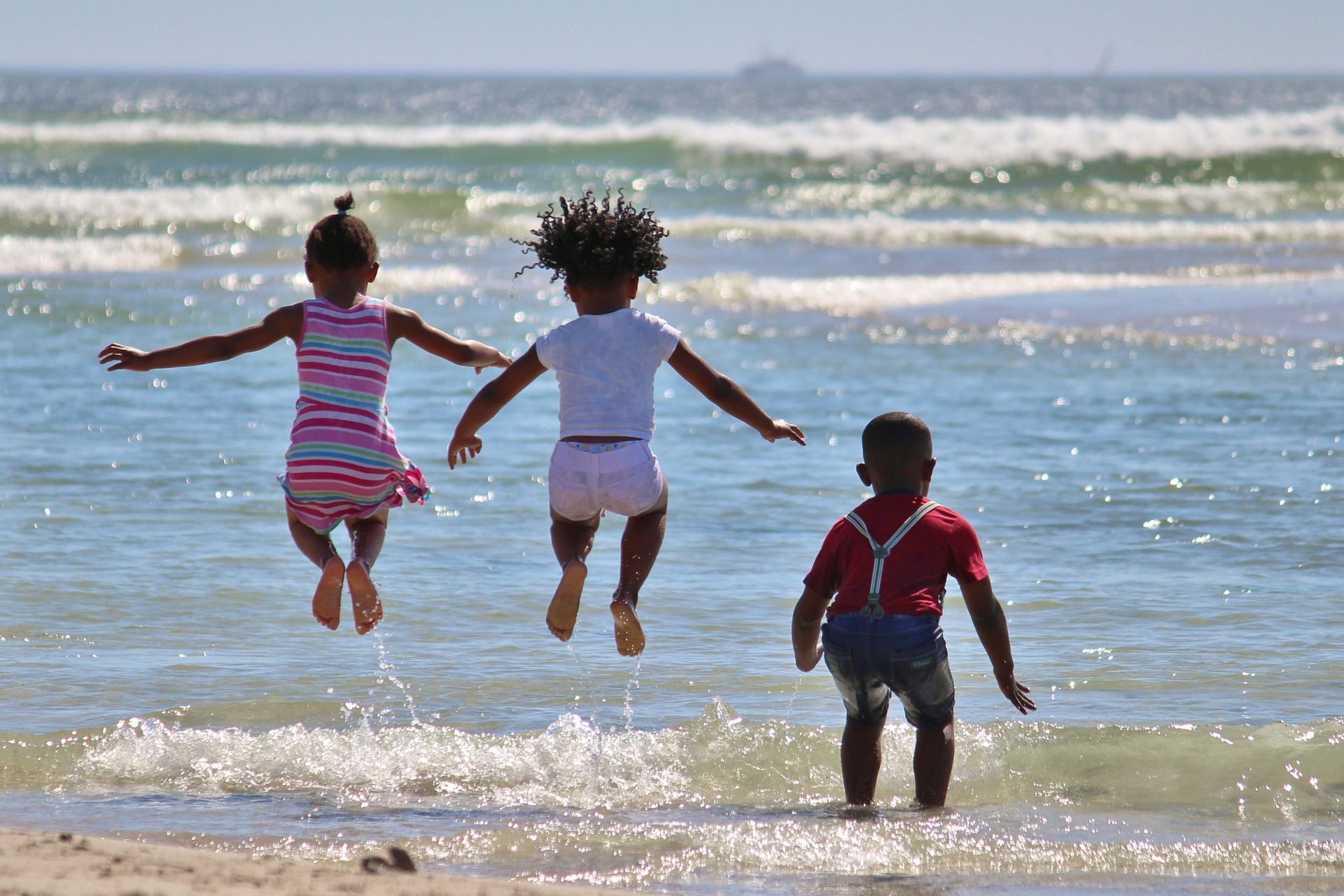
💉 New method reduces severe malaria in children
A combination of existing treatments administered at the right time drastically reduces the number of children who falls seriously ill or die of malaria.
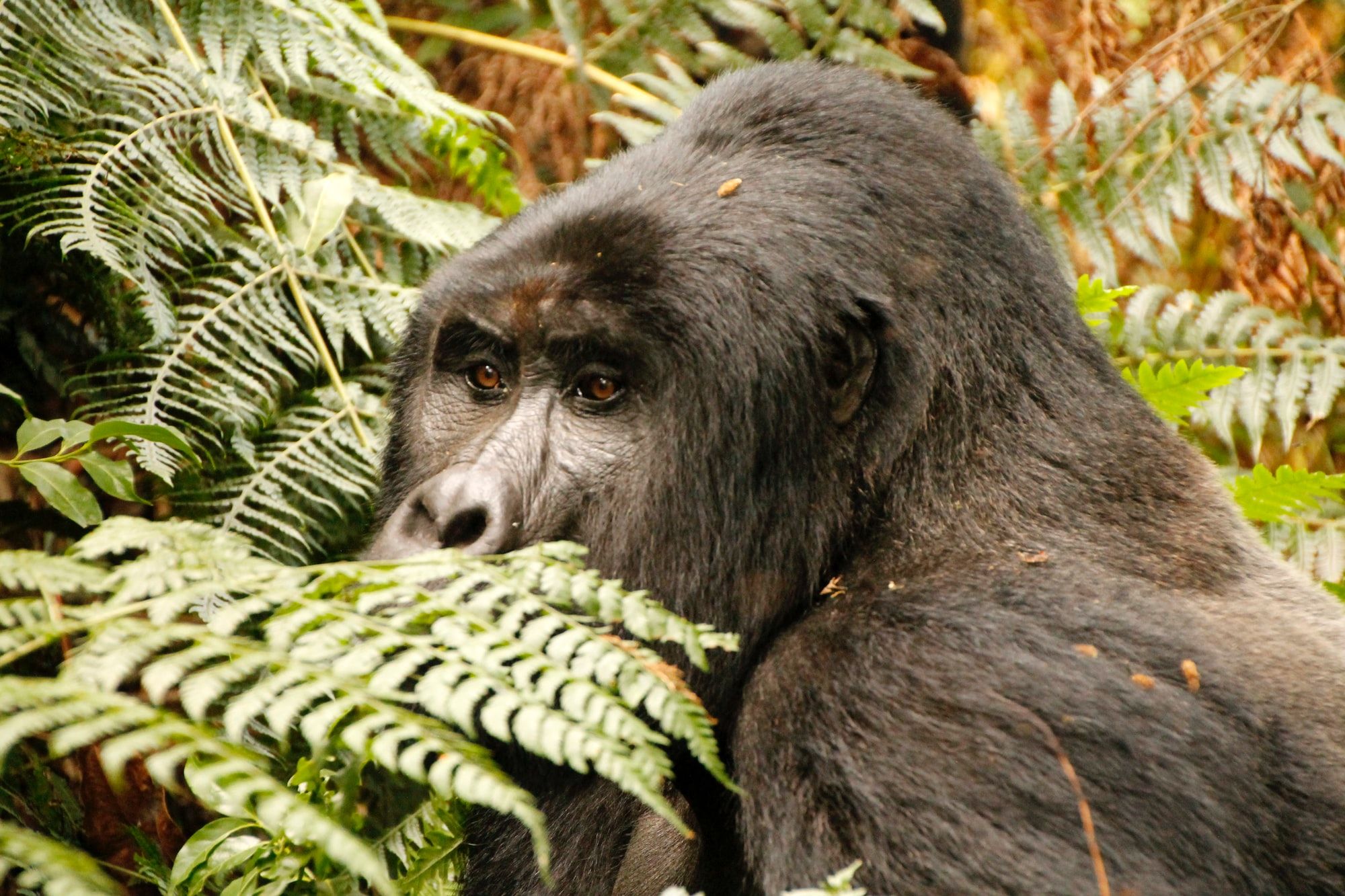
🦍 Poachers are turned into protectors
The Gorilla Guardian Club allows villagers to participate in monitoring the forest. Instead of making a living as poachers, they are now involved in the conservatorship of endangered animals.

🚀 Space belongs to you too
The idea of space belonging to all humans is stronger than ever before.