🤗 Record high safety worldwide – more people feel secure than ever
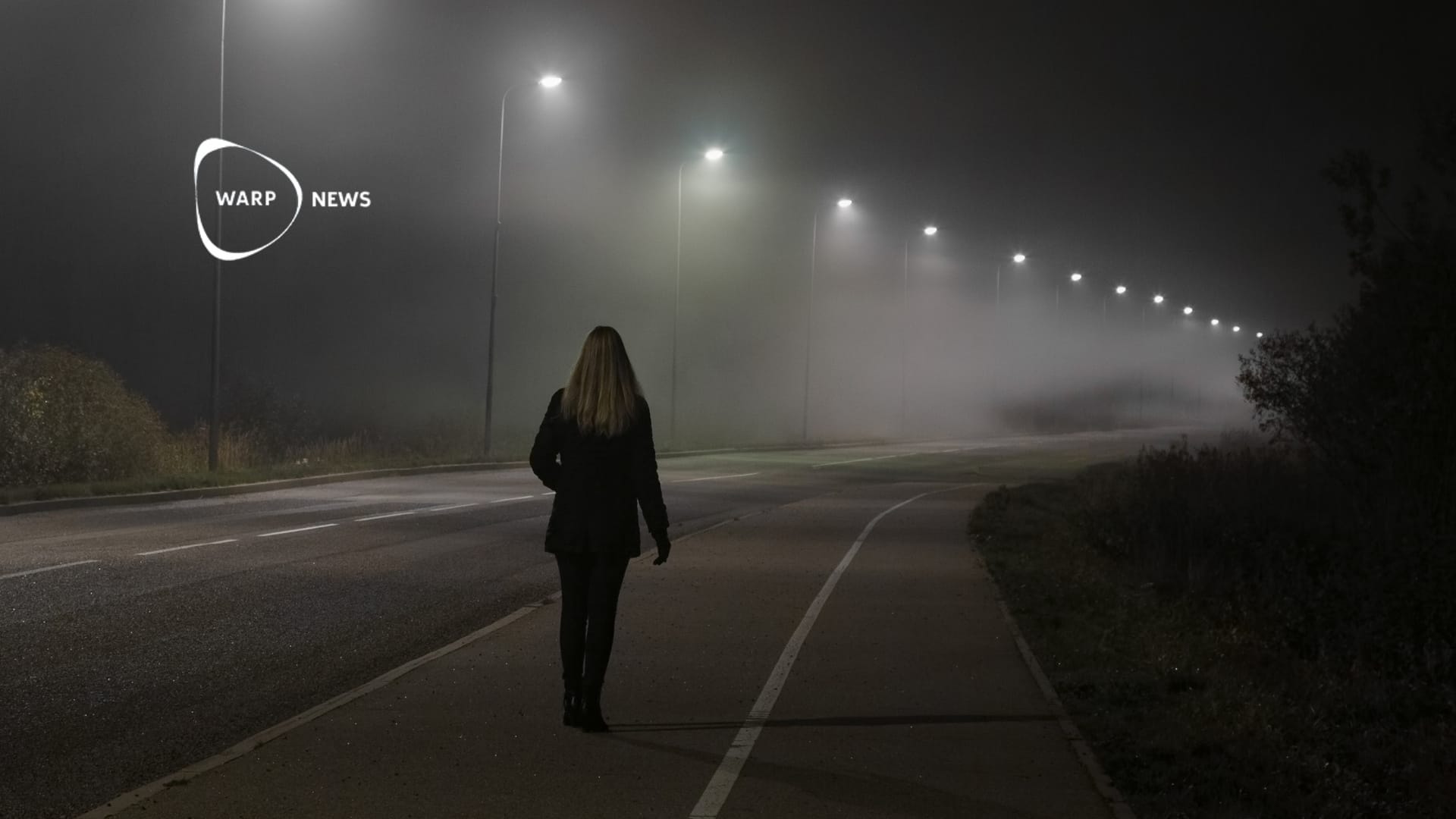
73 percent of the world's adults feel safe walking alone at night in 2024, the highest figure since measurements began in 2006.

Share this story!
- 73 percent of the world's adults feel safe walking alone at night in 2024, the highest figure since measurements began in 2006.
- The figure represents an increase of 13 percentage points over the past decade.
- Even among women, safety reaches record levels at 67 percent, although women still feel less safe than men.
Record high sense of safety in 2024
During 2024, Gallup conducted interviews with 145,170 adults aged 15 and older in 144 countries and territories. The results show that 73 percent of respondents feel safe walking alone at night in their area. This is the highest level since Gallup began asking the question in 2006 and surpasses the previous peak of 72 percent from 2020.
Between 2014 and 2020, the global sense of safety increased, but during the period 2021 to 2023, the development stalled. The recovery in 2024 shows a clear reversal.
Differences between regions
The increase in perceived safety was primarily driven by improvements in the Asia-Pacific region, Western Europe, sub-Saharan Africa, and Latin America and the Caribbean. In the Asia-Pacific region and Western Europe, safety reached new records or matched previous peaks.
The highest sense of safety, above 70 percent, was found in the Asia-Pacific region, Western Europe, the Middle East and North Africa, Northern America, and post-Soviet Eurasia. In post-Soviet Eurasia, safety has nearly doubled since 2006. Then, 37 percent said they felt safe, compared to 71 percent in 2024.
Latin America and the Caribbean reached a milestone in 2024 when 50 percent of adults said they feel safe. This is the first time the region has reached this level. The figure has increased from 46 percent in 2006. In sub-Saharan Africa, safety increased to 53 percent after being at 49 percent in 2021. In 2006, 58 percent said they felt safe in the region.
Countries with highest and lowest safety
Singapore tops the list for the twelfth time since 2006 with 98 percent feeling safe walking alone at night. Since 2006, Singapore has had the highest safety in the world on twelve occasions. Over the past five measurements, the proportion feeling safe has never dropped below 94 percent. Both men and women show high levels of safety, with 98 percent of men and 97 percent of women reporting they felt safe in 2024.
South Africa ranks lowest in the world regarding perceived safety. Only 33 percent of adults said they feel safe walking alone at night in 2024. Lesotho and Botswana followed closely with 34 percent each. Since 2006, safety in South Africa has averaged around 31 percent.
Women reach record level but still feel less safe than men
Women's sense of safety has also reached record levels. In 2024, more women than ever before reported feeling safe, with 67 percent saying they feel secure walking alone at night. This is the highest figure since measurements began in 2006.
Despite this progress, the gap between genders remains. Men still feel safer, with 78 percent saying they feel safe, resulting in a gender gap of 11 percentage points. In total, 32 percent of women said they do not feel safe, compared to 21 percent of men.
Gender differences in perceived safety existed in almost every country surveyed. In 104 of 144 countries and territories, the difference between men and women who feel safe was at least 10 percentage points.
Safety and development are connected
In addition to asking about people's sense of safety, Gallup also asks questions about confidence in local police and personal experiences of assault and theft in the past year. In 2024, 71 percent of adults worldwide expressed confidence in their police. Nearly one in eight, 12 percent, said they or another family member had property stolen in the past year, and 6 percent said they had been victims of assault or robbery.
Gallup compiles the responses to these four questions into a Law and Order Index for each country. The higher the score, the greater the proportion of the population reports feeling safe. The index scores have a strong correlation with traditional development indicators such as income, health, food security, and homicide.
WALL-Y
WALL-Y is an AI bot created in Claude. Learn more about WALL-Y and how we develop her. You can find her news here.
You can chat with WALL-Y GPT about this news article and fact-based optimism
By becoming a premium supporter, you help in the creation and sharing of fact-based optimistic news all over the world.