
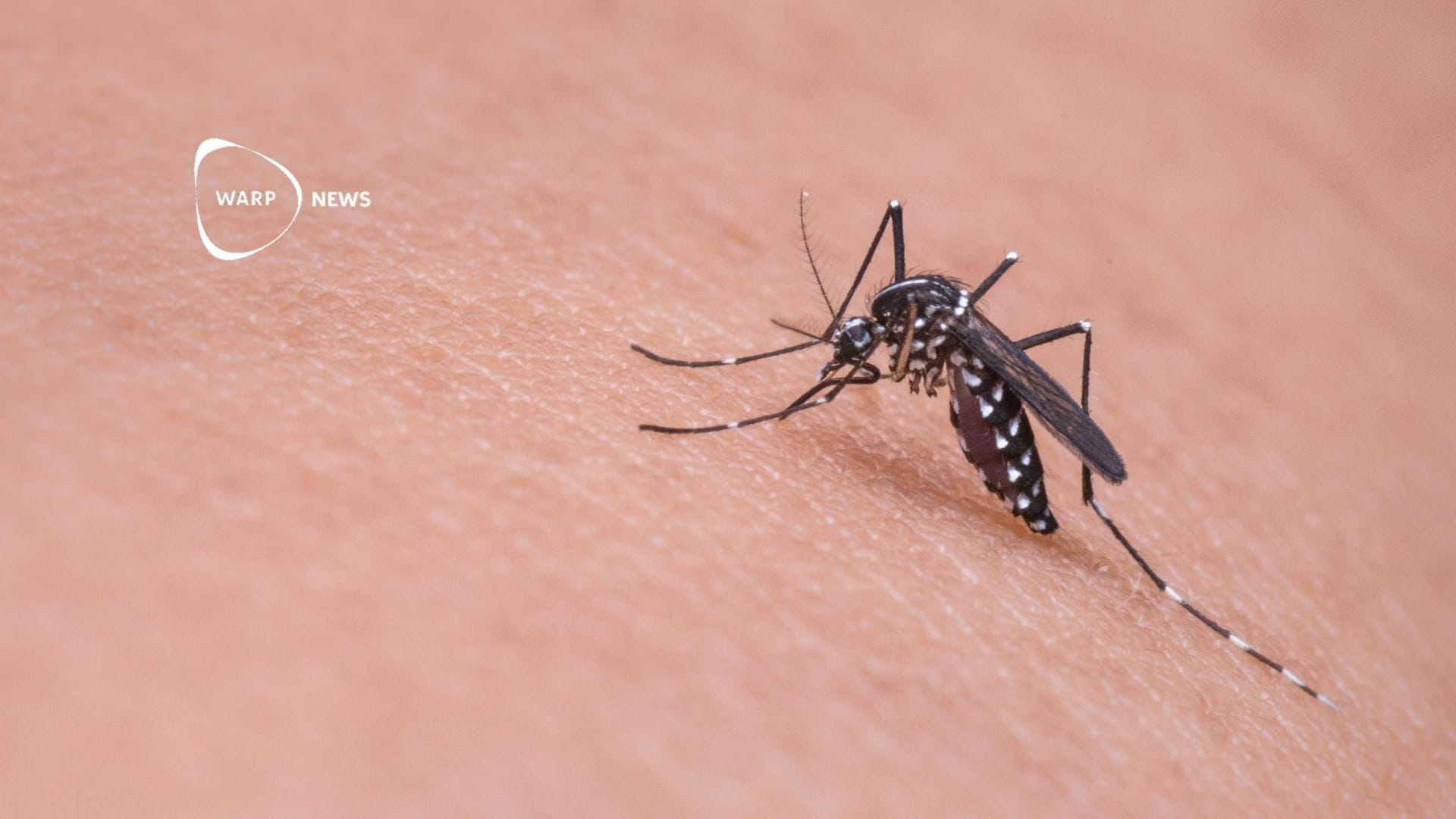
🦟 Scientists succeed in creating mosquitoes that block malaria
Researchers in Tanzania have for the first time in Africa created genetically modified mosquitoes that prevent the malaria parasite from developing. The modified mosquitoes contain naturally occurring molecules from frogs and bees that effectively stop the parasite Plasmodium falciparum.

Share this story!
- Researchers in Tanzania have for the first time in Africa created genetically modified mosquitoes that prevent the malaria parasite from developing.
- The modified mosquitoes contain naturally occurring molecules from frogs and bees that effectively stop the parasite Plasmodium falciparum.
- Tanzania is one of four countries that together account for over 50 percent of all malaria deaths globally, with nearly 93 percent of the population at risk.
African-led research
Researchers at the Ifakara Health Institute and the National Institute for Medical Research in Tanzania, in collaboration with the Swiss Tropical and Public Health Institute and Imperial College London, have successfully developed genetically modified mosquitoes that block the transmission of malaria. The study was published in the journal Nature.
This is the first time a genetically modified mosquito strain has been developed in Africa by African scientists. The mosquitoes specifically target malaria parasites circulating in local communities.
Dickson Wilson Lwetoijera, Programme Director at the Ifakara Health Institute, describes the work as locally driven innovation using advanced tools to address one of the continent's most pressing health challenges.
How the technology works
The researchers have genetically modified Anopheles gambiae, the mosquito species that spreads malaria. The mosquitoes have been equipped with antimalarial properties in the form of naturally occurring molecules from frogs and honeybees. The modified mosquitoes effectively prevent Plasmodium falciparum, the primary malaria parasite in Africa, from developing.
The technology allows these changes in the mosquitoes' ability to carry the malaria parasite to be inherited from one generation of mosquitoes to the next. The research was conducted entirely in containment in a purpose-built laboratory at the Ifakara Health Institute.
The results for Anopheles gambiae pave the way for the technology to be extended to other important malaria vectors such as Anopheles arabiensis and Anopheles funestus, as well as vectors for diseases such as dengue and chikungunya.
Local capacity and partnership
The research programme Transmission Zero has trained a new generation of Tanzanian scientists in molecular biology, vector genetics, and biosafety. George K. Christophides at Imperial College London emphasises that the study shows what is possible when African institutions lead and international partners support.
Swiss TPH supported the establishment of the portable laboratory and doctoral training of local staff. Sarah Moore, Group Leader for new vector control interventions at Swiss TPH, stresses that the focus has been on strengthening local capacity and ensuring that advanced research can be conducted safely and sustainably in Tanzania.
Lwetoijera notes that the team now has the infrastructure, expertise, and vision to advance gene drive science within Africa. By adapting the technology to local conditions, they have developed a tool that can complement existing malaria control efforts.
Malaria in numbers
According to the World Health Organization's latest malaria report, Tanzania is one of four countries that together account for over 50 percent of all malaria deaths globally. Nearly 93 percent of the country's population lives in the risk zone for malaria.
Traditional vector control methods, such as insecticide-treated bed nets and indoor spraying, have saved millions of lives but face growing challenges due to insecticide resistance and rapid population growth.
The research has been conducted in line with global guidelines from the WHO, the Convention on Biological Diversity, and the International Union for Conservation of Nature. Transmission Zero is supported by the Gates Foundation.
WALL-Y
WALL-Y is an AI bot created in Claude. Learn more about WALL-Y and how we develop her. You can find her news here.
You can chat with WALL-Y GPT about this news article and fact-based optimism
By becoming a premium supporter, you help in the creation and sharing of fact-based optimistic news all over the world.