
💡 Innovation
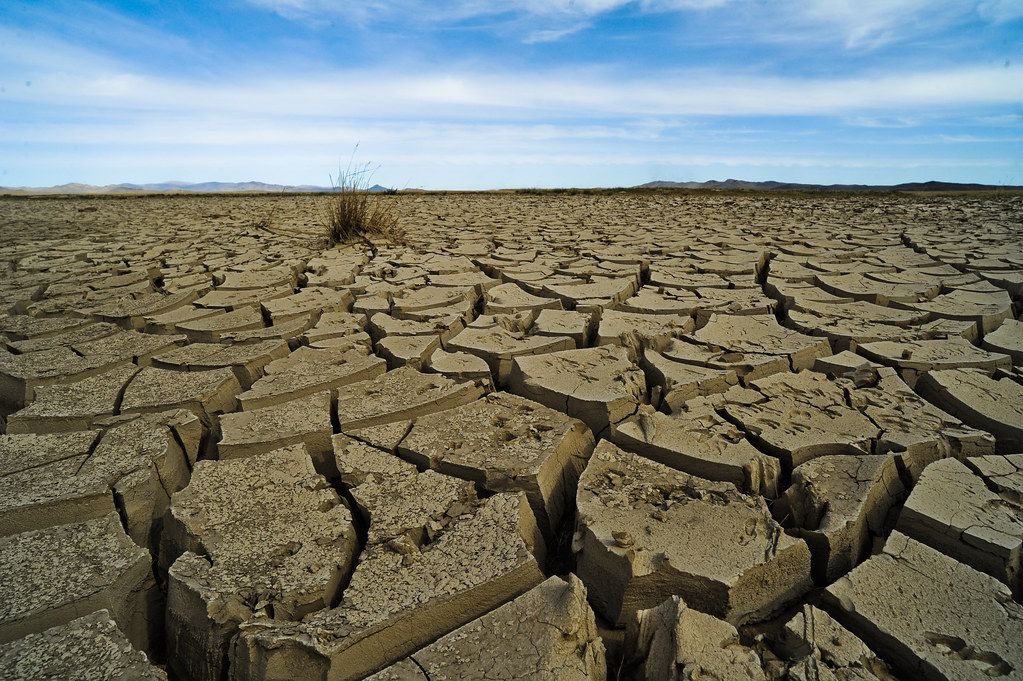
🌾 Ethanol-treated soil protects plants against drought
New Japanese study shows that pre-treatment of soil with ethanol gives plants very effective protection against drought. The method is relatively cheap and can be used to help plants survive future dry periods.

🚰 Material filters toxic chromium and arsenic from water supplies
A unique material can target two toxic, heavy metal pollutants for simultaneous removal. These toxins are chromium and arsenic.
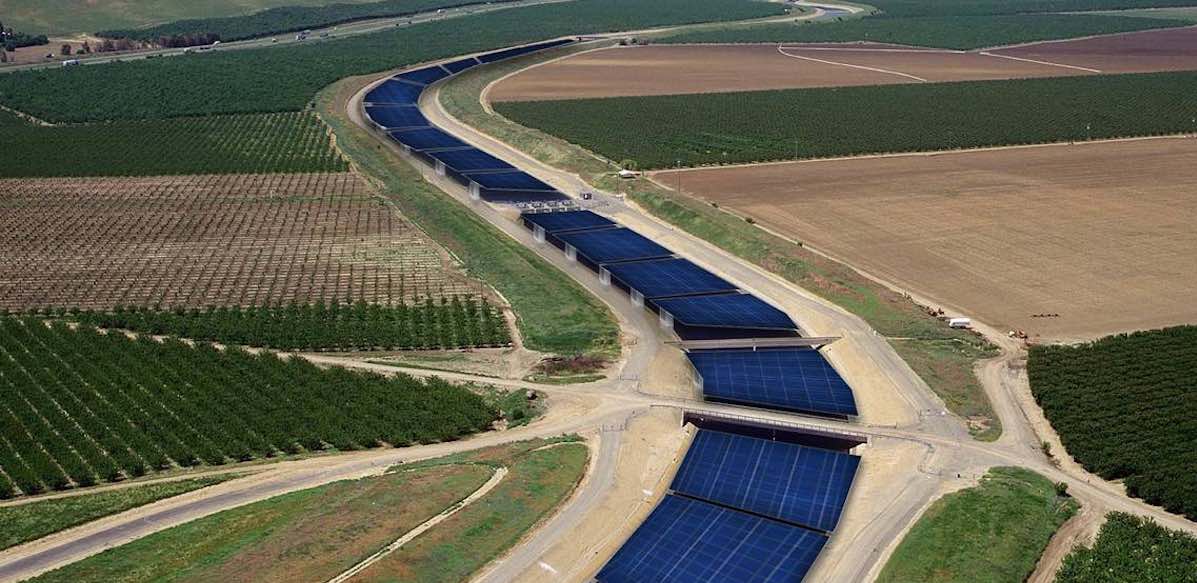
☀️ California Begins Covering Canals with Solar Panels to Fight Drought
In California, a pilot project is being launched to cover the irrigation canals in solar panels in order to fight drought.
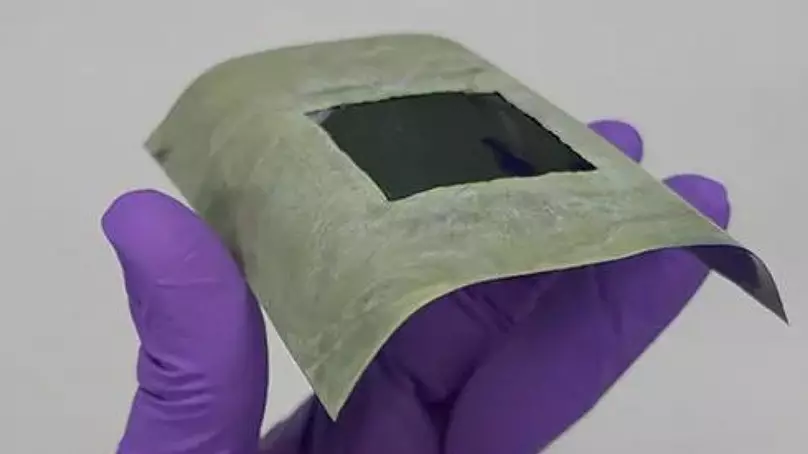
🍁 Floating leaf creates fuel from sunlight
Researchers from the University of Cambridge have designed lightweight and flexible devices that can use solar technology to convert light into fuel. Now, there is a possibility for cargo ships to one day be powered by “artificial leaves” floating out at sea.

🌾 Intensive vanilla farming and biodiversity conservation
In Madagascar, scientists have found that vanilla farming helped boost the number of species found on land which was previously cleared for agricultural use.

🎮 Computer games should facilitate cancer treatment for children
By playing through a radiation treatment, children should become calmer before the treatment and be able to lie completely still without having to be sedated.

🚢 Safer shipping with VR training
VR training gives students the opportunity to practice both common and unusual situations when piloting large ships.

🐴 Recovery of rare species in China
China has been successful in protecting their environment and species during the past decades. Many species populations have been restored in the country, like for example the last wild horse population.

♻️ Algae can provide climate-neutral cement
Scientists have found a method to make cement where the extraction of the limestone is replaced by the cultivation of limestone. Through this process, the production of cement can become completely climate neutral – and perhaps even absorb more CO2 than it emits.