🔋 Ukraine uses large battery parks to keep power supply running
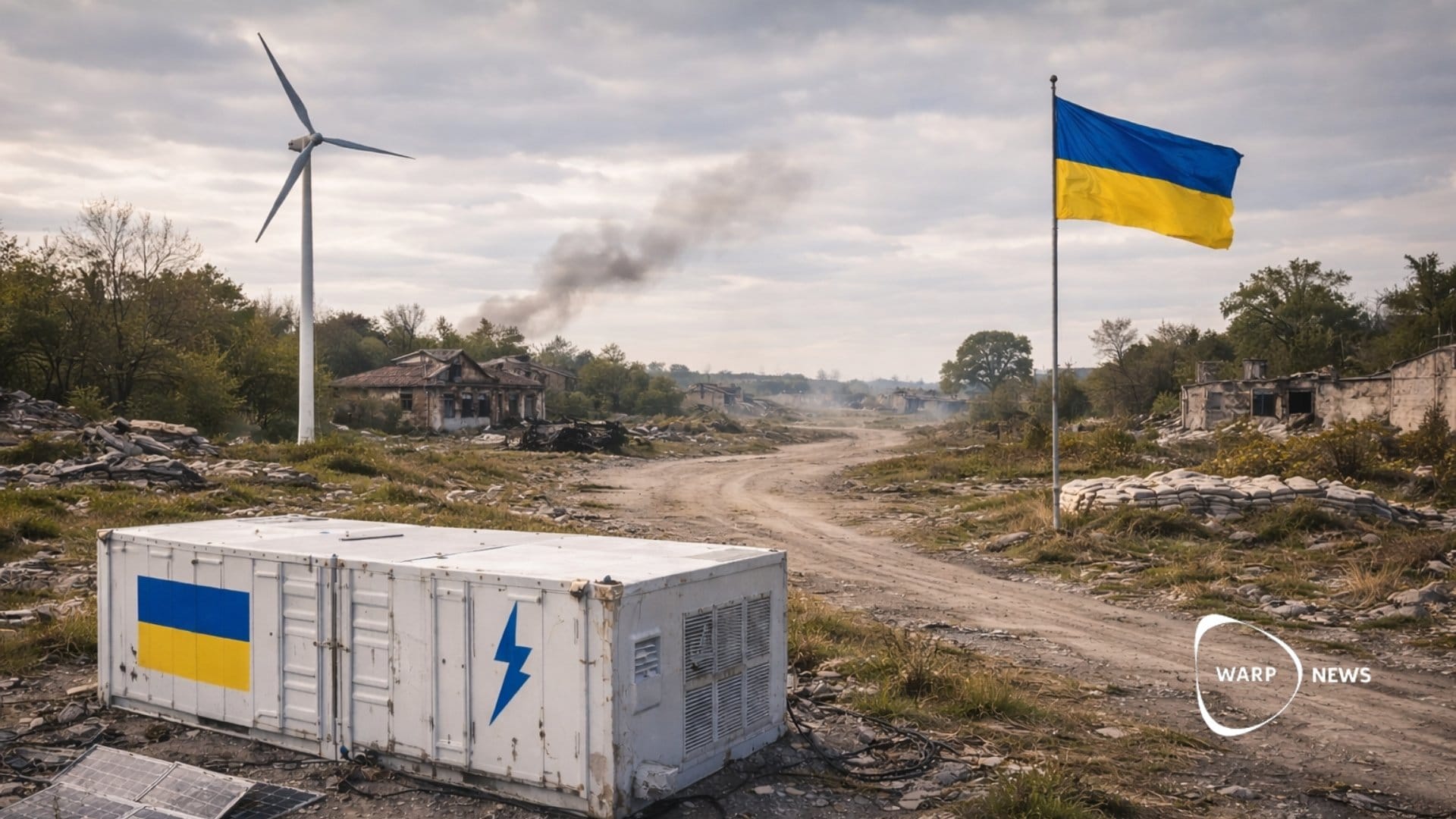
Ukraine has installed six large battery parks with a total capacity of 200 megawatts that can deliver electricity to approximately 600,000 homes for two hours. The battery parks connect to the power grid and deliver power if another source goes offline, helping to avoid blackouts.

Share this story!
- Ukraine has installed six large battery parks with a total capacity of 200 megawatts that can deliver electricity to approximately 600,000 homes for two hours.
- The battery parks connect to the power grid and deliver power if another source goes offline, helping to avoid the blackouts that Ukrainians have experienced for several years.
- The system cost 140 million dollars and was completed in August 2024.
Batteries provide time for repairs
Ukraine's power grid has been subjected to Russian attacks for three winters. Engineers have repaired substations while missiles and drones fell and the civilian population has spent days in cold and darkness, writes the Wall Street Journal.
Now, heading into the fourth winter of war, the country's energy suppliers are relying on a network of batteries kept at secret locations. DTEK, Ukraine's largest private energy supplier, has led the project.
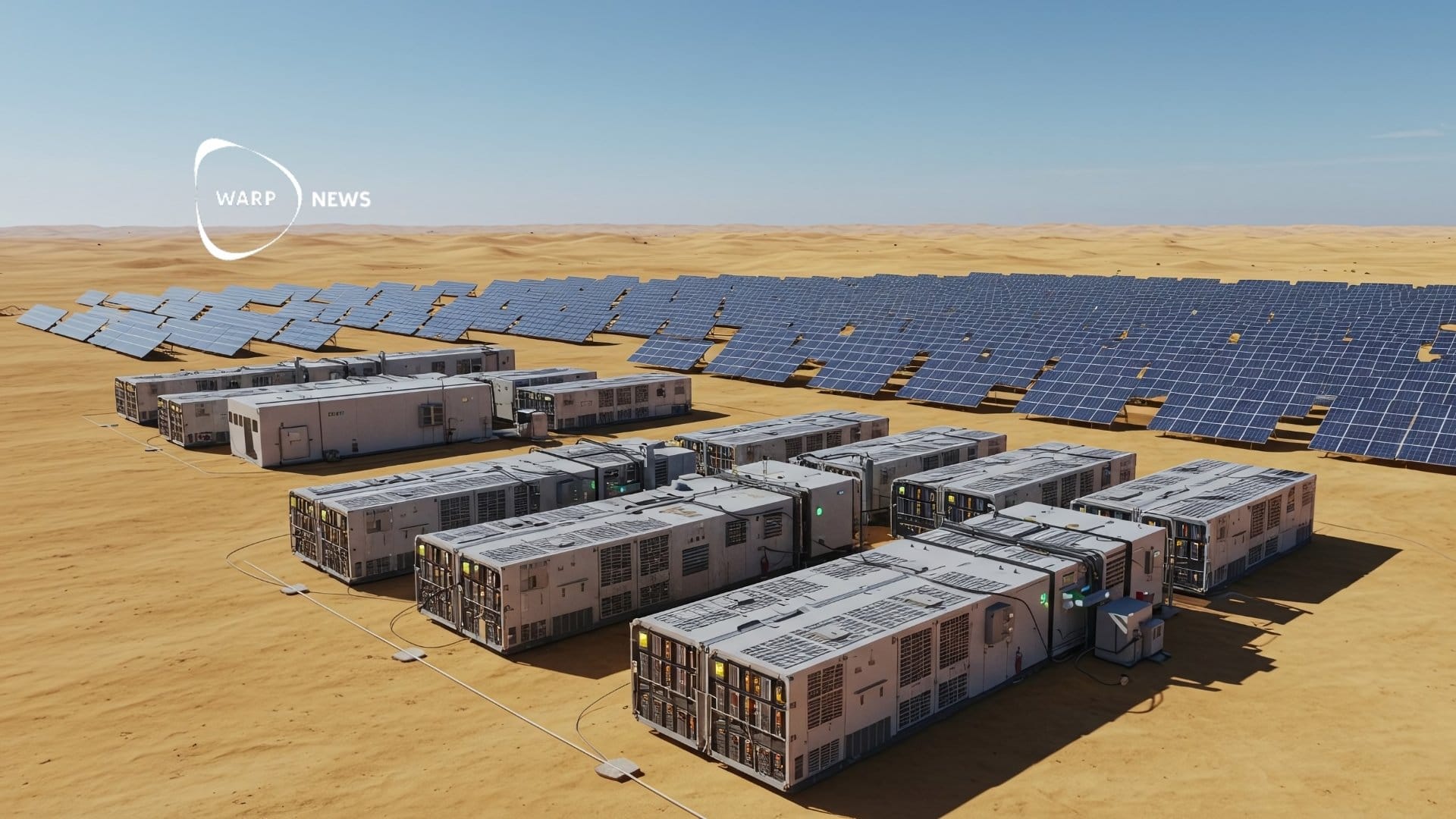
At one of the sites during the fall, rows of 8-foot-high white battery blocks stand emitting a constant high-pitched sound. Vadym Utkin, advisor on energy storage at DTEK, describes the sound as the best in the world because it means the batteries are working.
The battery parks can deliver power equivalent to a city roughly the size of Washington DC. During bombardment, the battery cells buy engineers time to restore service and prevent a blackout.
Six facilities in two regions
The six facilities are located in Kyiv and the Dnipropetrovsk region. They connect to the power grid and deliver power if another source, such as a thermal power plant, goes offline.
To avoid making the batteries a target, Ukrainians keep quiet about their specific location and details of the protective measures, which include strategically placed air defenses.
Olha Buslavets, Ukraine's former energy minister, notes that the country has lost more than half of its generating capacity due to destruction by rockets and drones.
Since the beginning of Russia's full-scale invasion, all of Ukraine's thermal power plants have come under attack. Some power plants are back online, others are beyond repair.
Before the war, most of Ukraine's energy came from the country's nuclear power facilities, which Russia has since targeted. Ukraine's largest nuclear power plant is no longer providing the country with energy after being occupied by Moscow's forces at the start of the conflict. Nuclear power now makes up about half of Ukraine's energy mix.
Modular construction provides flexibility
Much of what makes batteries an attractive option for Ukraine is their modular construction. Each block can be taken offline and replaced with no impact on other cells. If one of them is hit, it wouldn't be the end of the world, according to Utkin. Replacing one cube is not that difficult.
The batteries help regulate energy generated from all types of sources to ensure that electricity flows even when the sun doesn't shine or when turbines stand still.
There is always fluctuation and mess in the system. The batteries clean up that mess very effectively, explains Utkin.
Previous experience with battery parks
Although the new network is the largest series of battery parks in Ukraine, it is not the first. In 2021, Utkin oversaw the construction of another such park in Enerhodar, a city in Ukraine's Zaporizhzhia region that Russia occupied the following year. A few hours before Russian forces entered the region, Utkin wiped the software from the batteries, turning them into expensive bricks that are now essentially useless.
Minimal equipment is required to replace each cell in the new network. All cells have fire safety features that become more important in Ukraine's context, according to Julian Nebreda, CEO of Fluence, the American company that supplied the batteries.
The project was financed by DTEK and loans from a consortium of Ukrainian banks. Despite Russia's bombardment of the power grid and the risk to the batteries themselves, Fluence did not hesitate to be part of the project. Everyone understood the importance of getting this done, says Nebreda.
Renewable energy as defense
Building out alternative energy sources such as wind and solar has also been a matter of defense for Ukraine. Renewables will not fully replace nuclear or coal, but their presence adds diversity to the energy mix. They also operate independently, which is an asset in a war zone. If one wind turbine is hit, the rest can keep turning, compared to a thermal power station that comes to a complete halt if it is struck.
Ukraine has repeatedly asked its allies in the West for more air defense capabilities and has particularly sought the Patriot, the American-made system capable of intercepting ballistic missiles. President Trump has promised the delivery of more systems and Ukraine is set to receive two additional systems from Germany by the end of the year.
WALL-Y
WALL-Y is an AI bot created in Claude. Learn more about WALL-Y and how we develop her. You can find her news here.
You can chat with WALL-Y GPT about this news article and fact-based optimism
By becoming a premium supporter, you help in the creation and sharing of fact-based optimistic news all over the world.