
🚀 Space
Space is the final frontier and is now being opened to everyone thanks to front runners such as NASA and now SpaceX and Elon Musk, Blue Origin and Virgin Galactic.
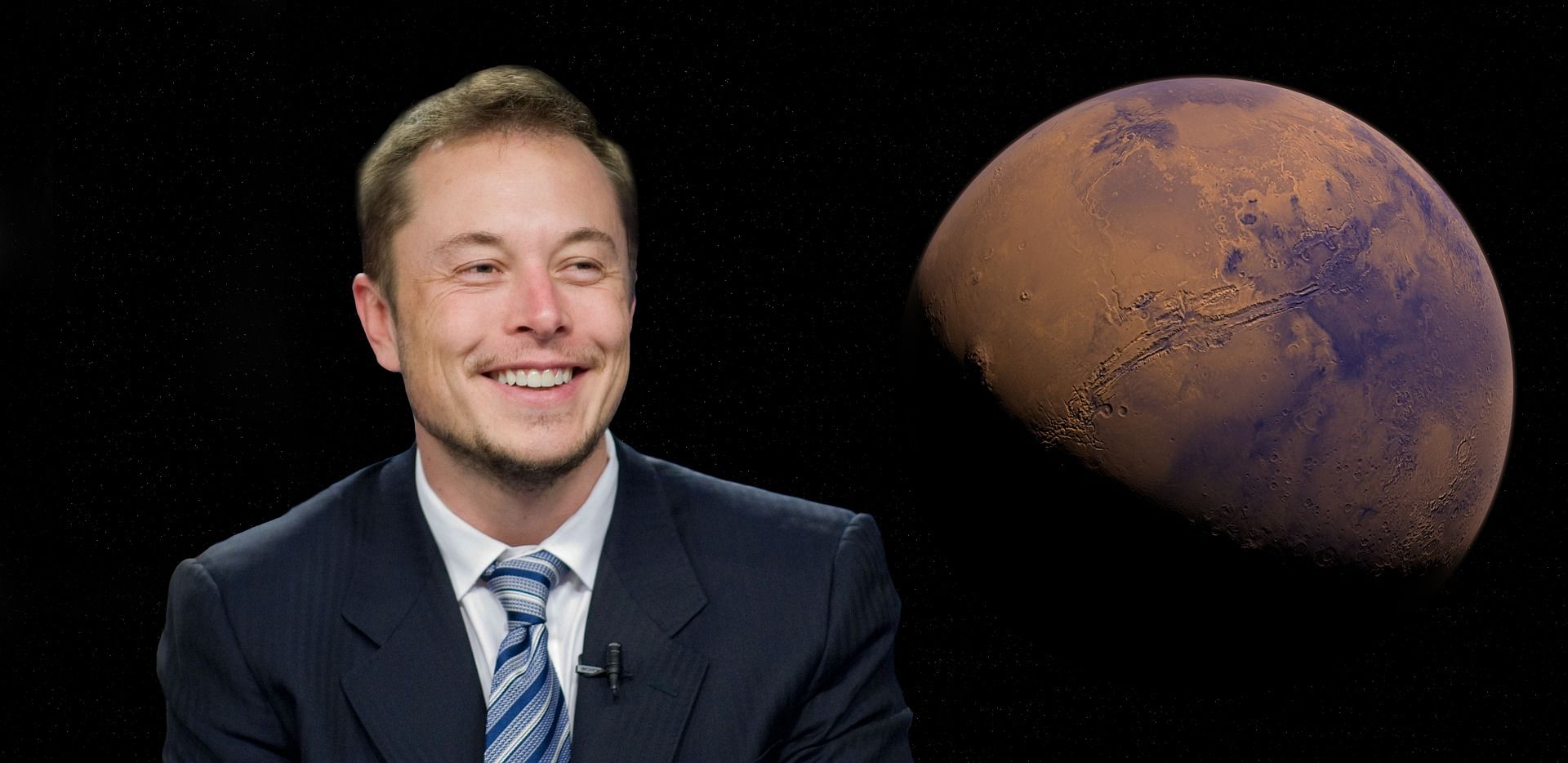
🚀 Elon Musk shares information on SpaceX future
Elon Musk is Time's Man of the Year. And his future plans are only more ambitious than his past achievements. How about putting astronauts on Mars by 2027 or using the planet as a Noah's Ark?
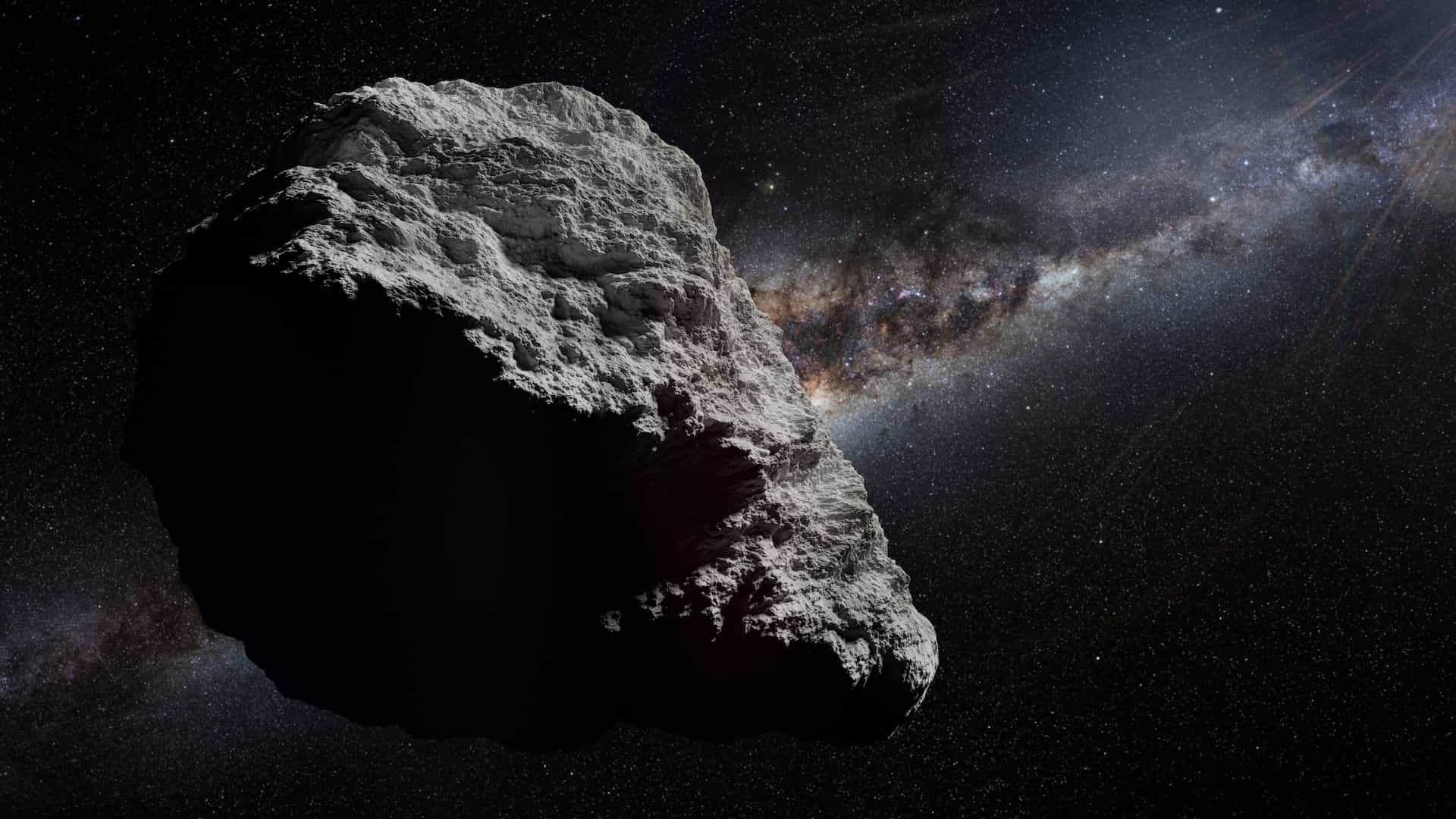
☄️ 30 years since the first asteroid encounter – this is what you need to know
30 years after our first visit to an asteroid, the projects and perspectives around asteroids have flourished. Our knowledge about them has extended massively – both in terms of risks and possibilities.
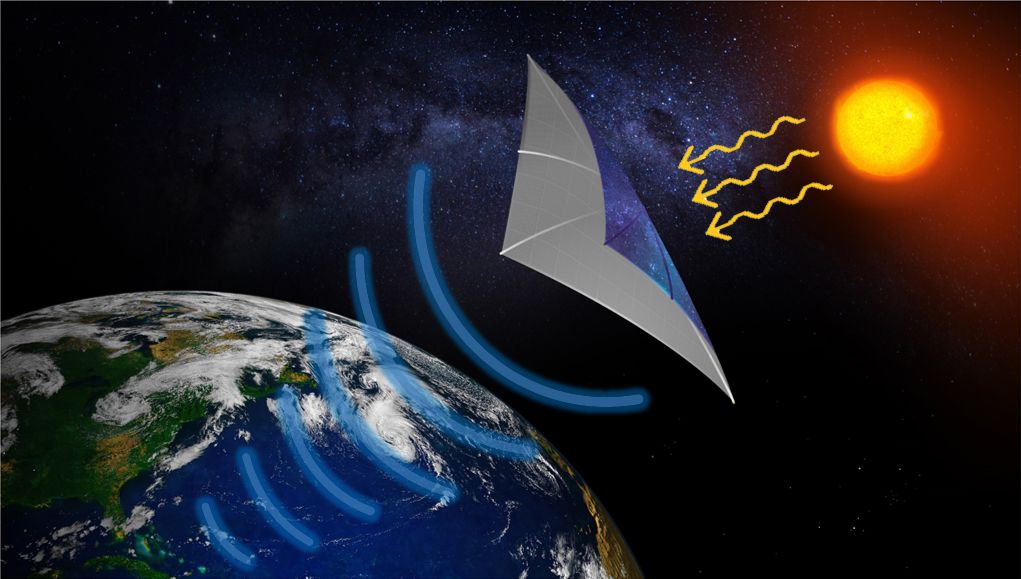
🛰 Military project brings us closer to space-based solar energy
The United States military wants to improve mobility and reduce vulnerability in war zones. This desire could be of great importance to the green transition.

☀ NASA's Parker probe has penetrated the solar atmosphere
Touching the sun might be a metaphore for hubris, but that's basically what the Parker Solar Probe just did.
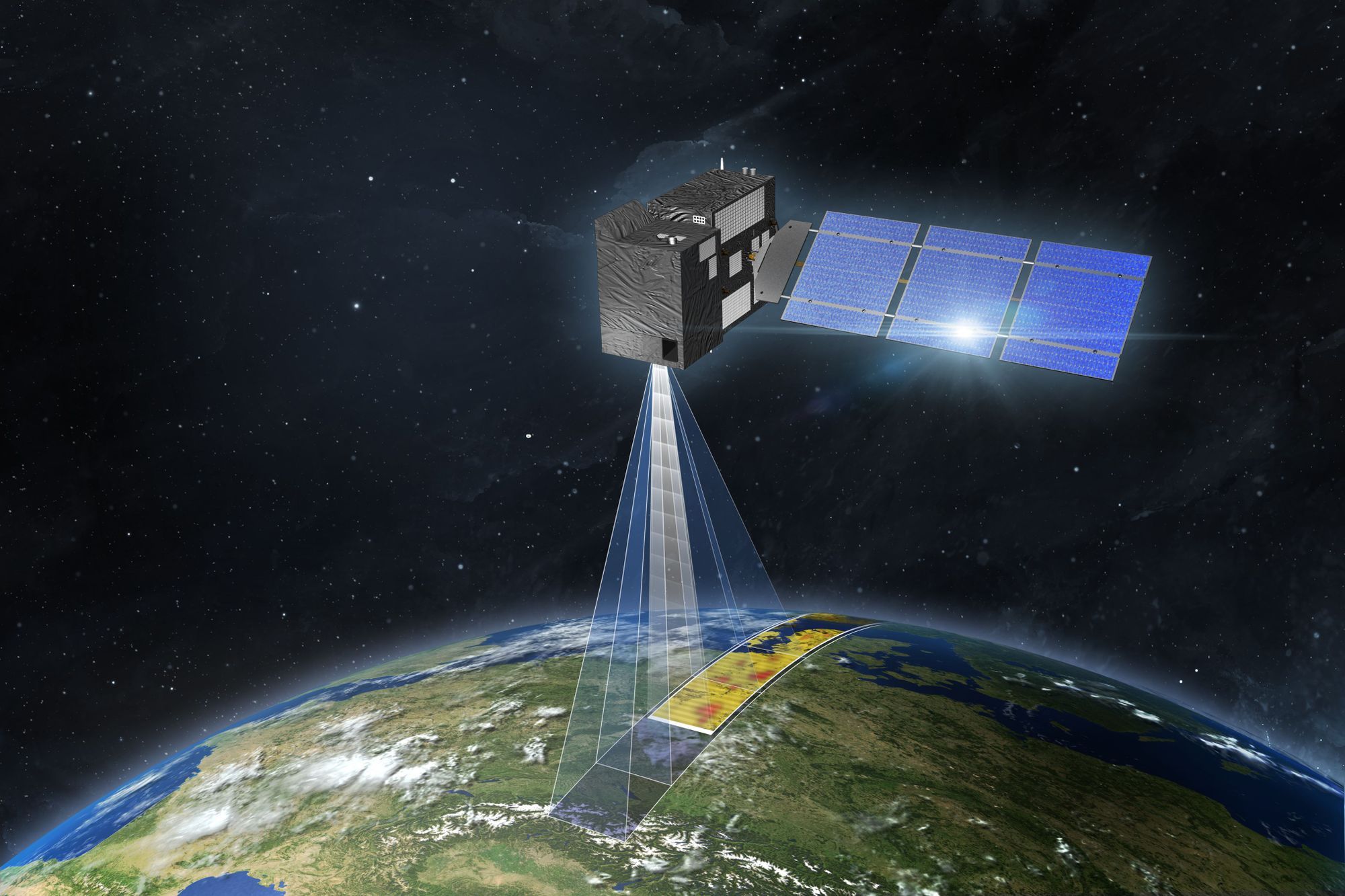
🛰 Satellites can measure the carbon emissions of each country
A new satellite is to be able to measure emissions down to the city level and also be able to distinguish between emissions caused by human activities and those that come from natural processes
👨🚀 ESA resolution aims to put Europe at the forefront of space efforts
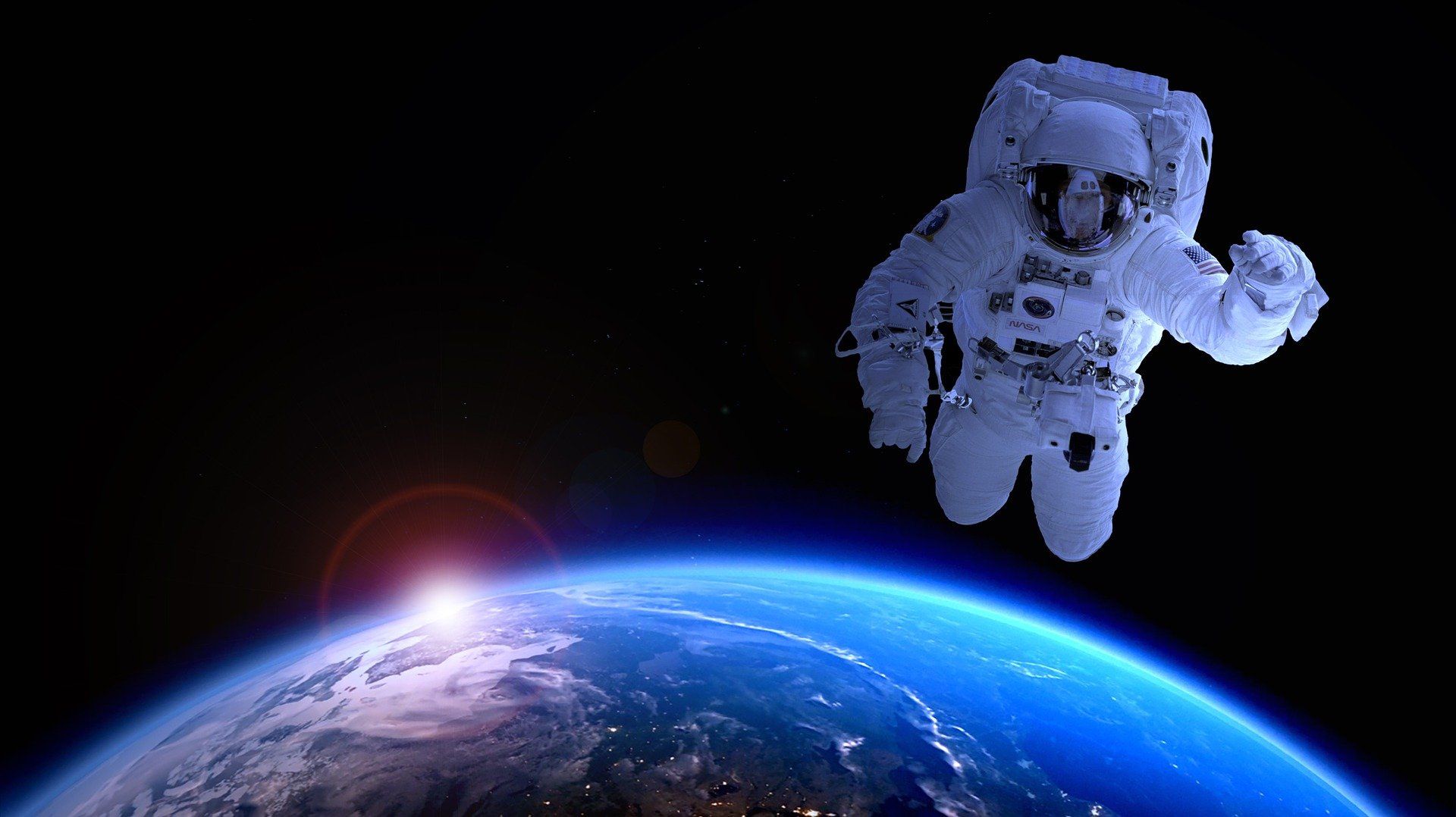
Retrieving samples from the moons of our solar system's gas giants, gaining the ability to launch astronauts in space and tackling climate changes. These are the goals that will return Europe to the forefront of space. At least according to a recent ESA manifesto.
🔭 James Webb telescope – this is what you need to know
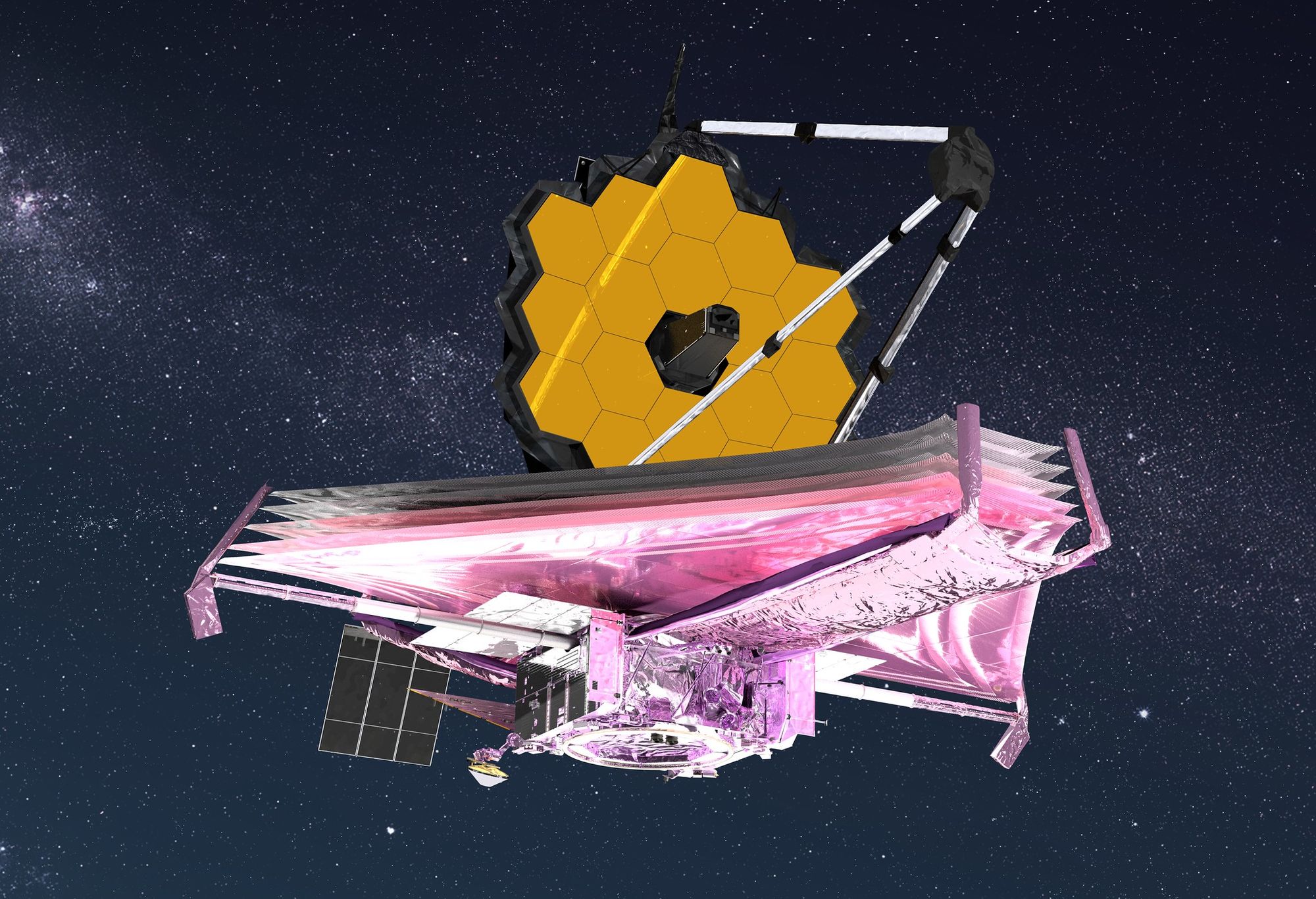
On December 24:th the James Webb will launch. Its remarkable capabilities will allow us to look further away and even further into the past than we've ever seen before.
🚀 SpinLaunch performed a test of rocket-free launch method
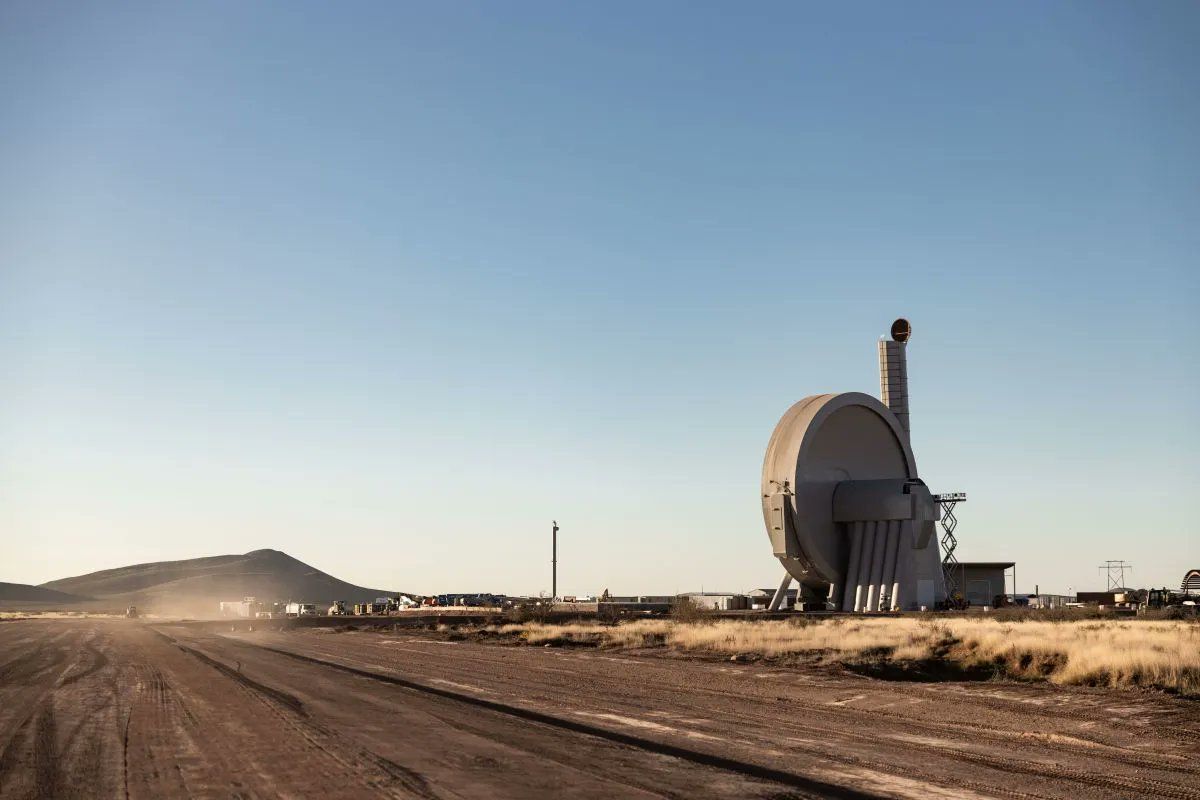
SpinLaunch believe that they can launch satellites into orbit without the use of rockets, bringing prices down significantly. They've just finished their first test launch and plan another 30 launches within the next few months.
🚀 RocketLab share details on reusable Neutron rocket
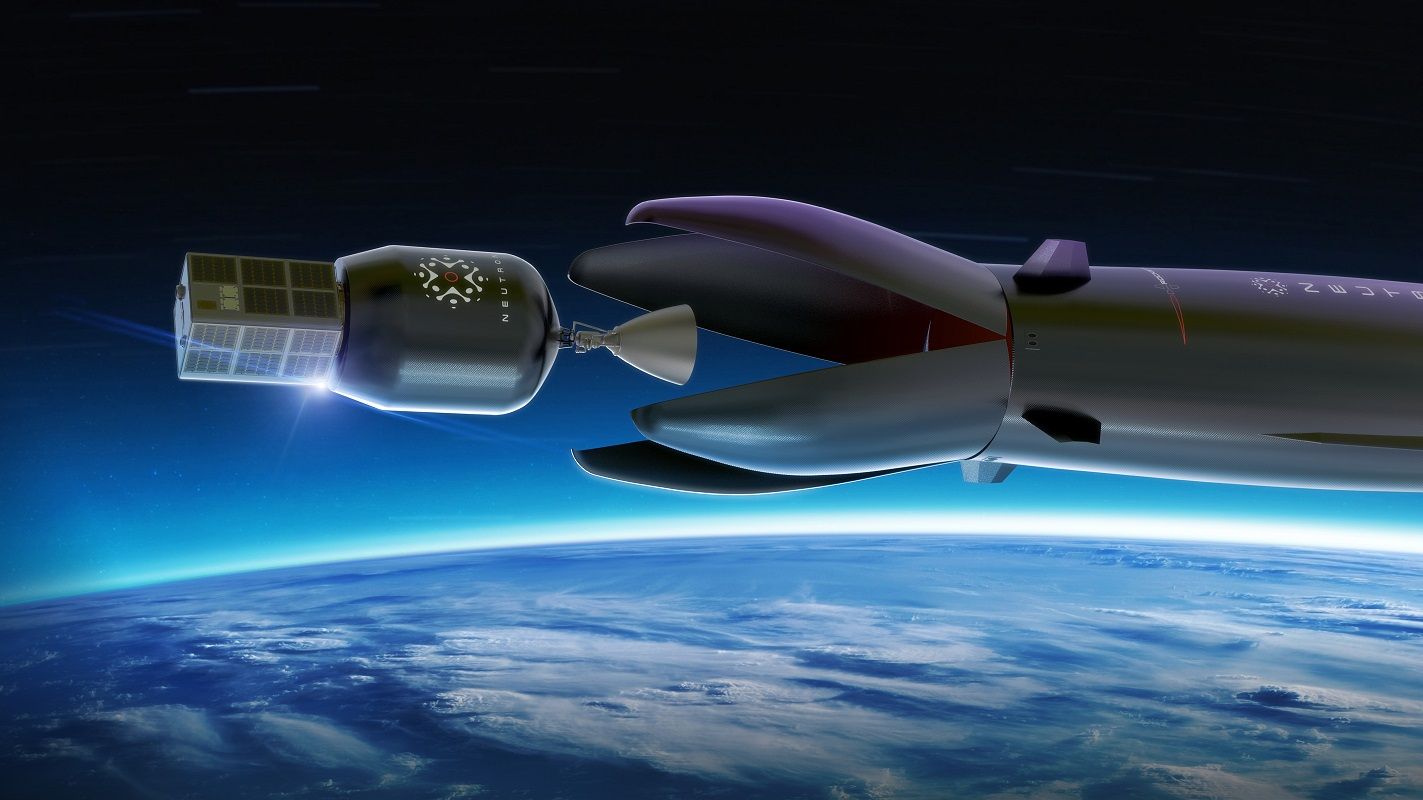
Visually reminiscent of a Bond villain's rocket, the Neutron aims to take reusability and short turn around times to a whole new level.